Deciding the best time to visit Seville depends on what you want from the city: mild weather for sightseeing, lively festivals, or lower prices and fewer crowds. This guide breaks down Seville’s seasons, month-by-month weather patterns, crowd levels, and travel costs so you can pick the right window for your trip.
Whether you’re planning a first-time visit or returning for flamenco and tapas, understanding Seville weather and Seville tourist season will help you set realistic expectations and budget accordingly. Read on for practical tips on when to go, what to pack, and how to save on your trip.
Seville at a glance: seasons and general climate
Seville, in southern Spain’s Andalusia region, has a Mediterranean climate with hot, dry summers and mild, wet winters. The city is famous for intense summer heat, with daytime temperatures often exceeding 35°C (95°F) in July and August. Winters are comparatively mild, with daytime temperatures typically between 12–18°C (54–64°F), and the rainiest months fall between November and February.
Understanding these broad patterns makes planning easier: spring and autumn generally deliver the most comfortable weather for walking between monuments, while summer demands early starts and midday breaks. Seville’s long daylight hours in summer are great for evening social life, but the heat influences both tour schedules and costs because demand shifts seasonally.
Month-by-month breakdown: when to go for weather and activities
For practical trip planning, here’s a month-by-month summary of typical Seville weather and how it affects sightseeing and local life.
- January–February: Cool and relatively wet. Good for museum visits and lower prices, but expect occasional rain and chilly evenings.
- March–April: Spring blossoms, pleasant daytime temperatures (18–24°C / 64–75°F). Semana Santa (Holy Week) often falls here—an intense cultural experience but very crowded and pricier.
- May: Warm but comfortable, with festivals like the start of Feria season preparations. Ideal for walking and terrace dining.
- June: Transition to hot weather; early June is pleasant, while late June starts to feel summer-hot. Crowds rise with summer travel.
- July–August: Peak heat and increased siesta patterns. Many locals head to the coast; some shops close midday. If you tolerate heat, you’ll enjoy quieter historical sites in early mornings and late evenings.
- September: Heat eases but still warm. Often a sweet spot: fewer summer tourists and good weather for outdoor dining and river strolls.
- October–November: Mild days and cooling nights; autumn colors and lower hotel rates. Rain becomes more likely in November.
- December: Mild to cool with holiday decorations and fewer tourists, useful for budget-conscious travelers who don’t need hot weather.
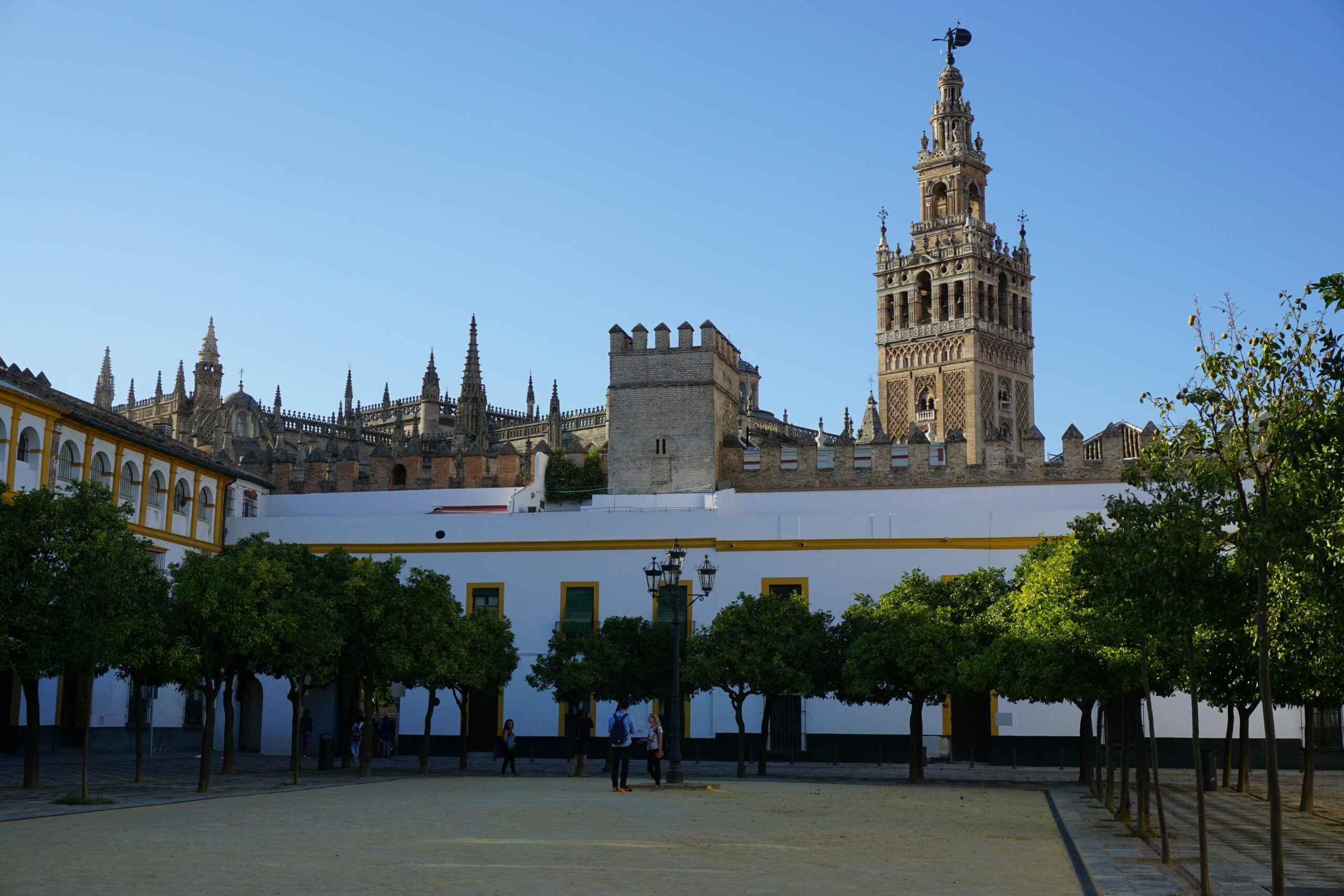
Peak tourist season and crowds: when Seville gets busy
Seville tourist season peaks in spring and early summer. Semana Santa (Holy Week) and Feria de Abril are two of the city’s busiest and most memorable events. These attract both domestic and international visitors, filling hotels months in advance and pushing up prices for short stays. If you want to experience these festivals, book early and prepare for lots of people in the historic center.
Outside of festival dates, May, September, and October see high visitor numbers because of the agreeable Seville weather. July and August attract fewer cultural tourists but bring families and sun-seekers who tolerate the heat; many attractions remain open but can be less crowded during the hottest midday hours.
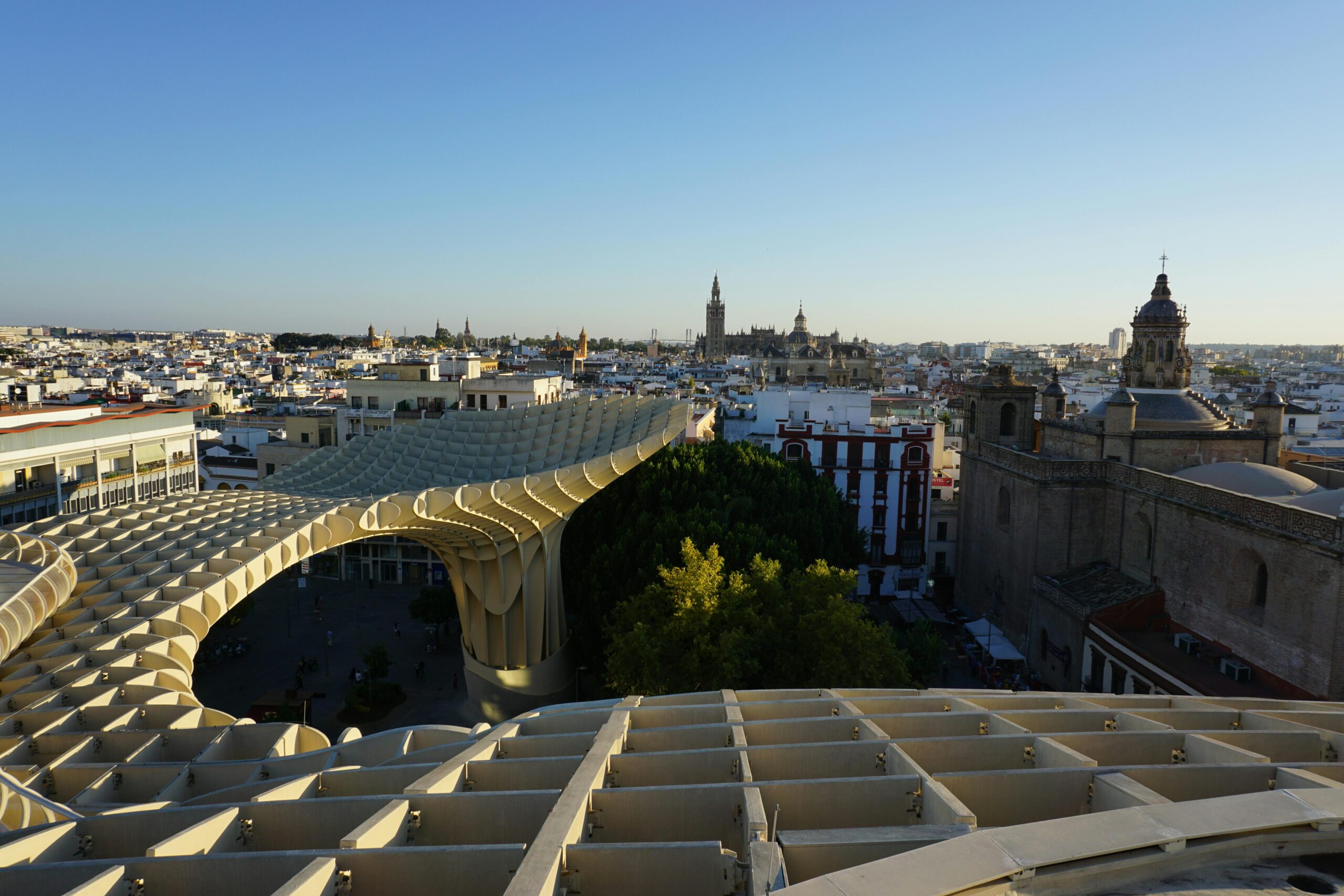
Seville travel cost: budgeting by season
Seville travel cost varies significantly by season and by how close you book to major events. During Semana Santa and Feria de Abril, expect premium hotel rates and limited availability. Summer shoulder months like May and September are still expensive but offer more options if you book early.
Winter months—especially January and February—are the most budget-friendly for flights and hotels. Dining and museum prices remain stable year-round, but guided tours and day trips can be cheaper outside peak season. To compare transportation and event details, it’s useful to check official resources such as the national tourism portal; for official visitor information you can consult Spain’s tourism site.
Practical planning: accommodations, transport, and daily rhythm
Choose your accommodation based on priorities: historic neighborhoods like Santa Cruz and El Arenal keep you close to major sights but can be noisier and more expensive. Triana and Los Remedios offer a more local feel and sometimes better nightly rates. Hostels and guesthouses provide budget options, while boutique hotels in restored palaces are available for higher budgets.
Seville is compact and walkable; however, summer heat makes walking midday uncomfortable. The city’s tram and bus network can help bridge longer distances, and taxis or ride-hailing apps are affordable for late-night returns after flamenco shows. For a practical weather reference during planning, consider consulting the Spanish meteorological service at AEMET.
What to pack and local customs by season
Packing smart means adapting to Seville weather and local habits. In summer, light breathable clothing, a wide-brimmed hat, sunscreen, and a refillable water bottle are essentials. Many locals take a long siesta in the early afternoon; plan museum visits for mornings and late afternoons and expect smaller lunch menus during siesta hours.
For spring and autumn nights bring a light jacket; for winter include a warmer layer and a waterproof option. For festival periods, comfortable shoes are a must—processions and fairs involve long standing and walking. Respectful attire is appreciated in churches and religious events.
FAQs
When is the warmest time to visit Seville?
The warmest months are July and August, when daytime highs frequently exceed 35°C (95°F). If you want to avoid extreme heat, aim for late spring (May–June) or early autumn (September).
Is spring the best time to experience Seville festivals?
Yes—spring hosts both Semana Santa and Feria de Abril, offering deep cultural experiences with processions, music, and traditional dress. These events draw big crowds and higher prices, so plan and book well in advance.
How does Seville travel cost change through the year?
Travel costs peak during major festivals and the late spring to early autumn tourist season. Winter months, excluding holidays, usually offer the lowest hotel and flight prices.
Can I visit Seville comfortably in summer?
Yes, if you adapt to the rhythm of the city: schedule outdoor activities for morning and evening, take siestas during the hottest hours, and stay hydrated. Many indoor attractions remain open and are less crowded during summer midday.
Are there quiet months to visit Seville for budget travelers?
January and February are the quietest months and generally the most budget-friendly. You’ll find lower accommodation rates and fewer tourists, although some seasonal businesses may have reduced hours.
Conclusion
Choosing the best time to visit Seville comes down to balancing weather, crowds, and cost. For comfortable sightseeing and vibrant local life without extreme heat, aim for spring (outside festival weeks) or early autumn. If you want to experience Seville’s signature festivals, plan and book early to secure accommodation. For the lowest travel costs and the fewest tourists, winter months are your best bet. With the right timing and a bit of planning around daily rhythms, Seville rewards visitors year-round with remarkable architecture, lively streets, and world-class food.