Deciding the best time to visit Siena depends on what you want from the city — warm sun and lively piazzas, mild days for walking the hilltop streets, or the high drama of the Palio horse race. In this guide I explain seasonal weather patterns, crowd cycles, costs, and practical tips so you can choose the month that matches your priorities.
Siena is compact and walkable, but its character changes through the year. Read on for a month-by-month look at Siena weather, an explanation of the Siena tourist season, realistic Siena travel cost estimates, and actionable advice for booking accommodation and planning your days.
When is the best time to visit Siena?
If your goal is to balance pleasant weather with fewer crowds, late spring (mid-May to early June) and early autumn (September to mid-October) are widely considered the best time to visit Siena. During these shoulder months you’ll find comfortable temperatures for exploring the Campo and San Domenico, open museums without long lines, and a better selection of rooms and rates than in peak summer.
For festival lovers, early July and mid-August coincide with the Palio di Siena (July 2 and August 16) — unforgettable but extremely crowded and often more expensive. Winter brings quiet streets and lower prices, but expect shorter daylight hours and cooler temperatures.
Siena weather by season
Understanding typical Siena weather helps you plan activities and pack appropriately. Siena sits inland on a Tuscan hill, so it has more continental variation than coastal cities.
- Spring (March–May): Temperatures rise from around 10–15°C (50–59°F) in March to 18–23°C (64–73°F) in May. Rain occurs, especially early in the season, but days become increasingly sunny and ideal for wandering.
- Summer (June–August): Warm to hot, with daytime highs often 28–34°C (82–93°F). July and August are busiest; heat can be intense during midday. Evenings are pleasant for dining al fresco.
- Autumn (September–November): Mild in September (20–25°C / 68–77°F), cooling into October and November with more rain. Harvest season adds vineyard colors and local food events.
- Winter (December–February): Chilly but not extreme: average highs 8–12°C (46–54°F) and night lows around 0–3°C (32–37°F). Snow is rare but possible; museums and churches are quiet and easier to visit.
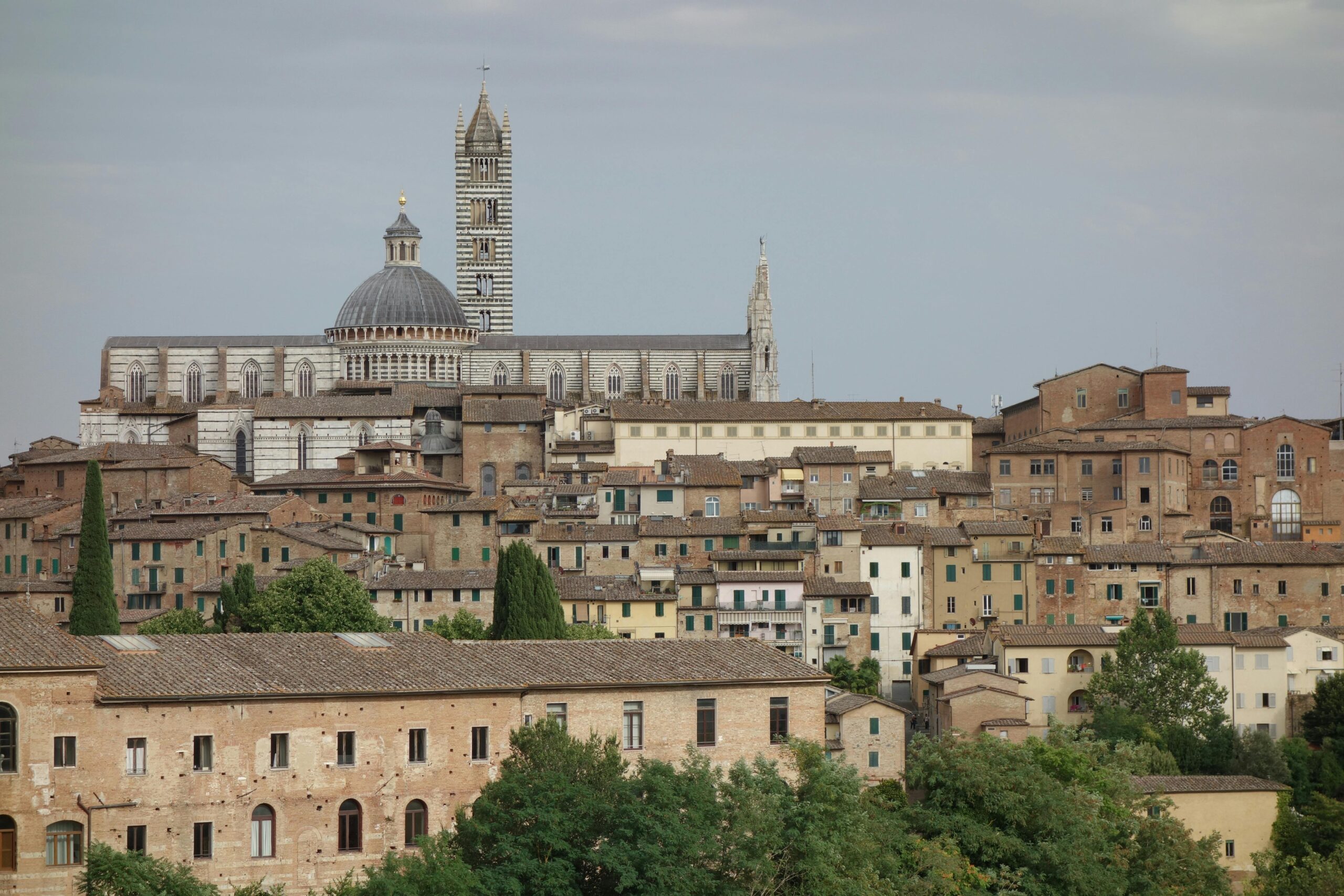
Daily microclimates can vary — hilltops are windier and cooler in the evenings. Pack layers year-round and comfortable walking shoes for cobbled streets.
Crowds and the Siena tourist season
Siena tourist season peaks in June through August, with a secondary spike during Easter and the weeks around the Palio. The Campo and the Duomo are busiest midday and early afternoon; mornings and late afternoons are generally calmer for photos and museum visits.
For a quieter experience, visit in late November–March (excluding Christmas and New Year weeks). Shoulder months — May and September — combine manageable crowds with agreeable weather and are ideal for sightseeing without long waits.
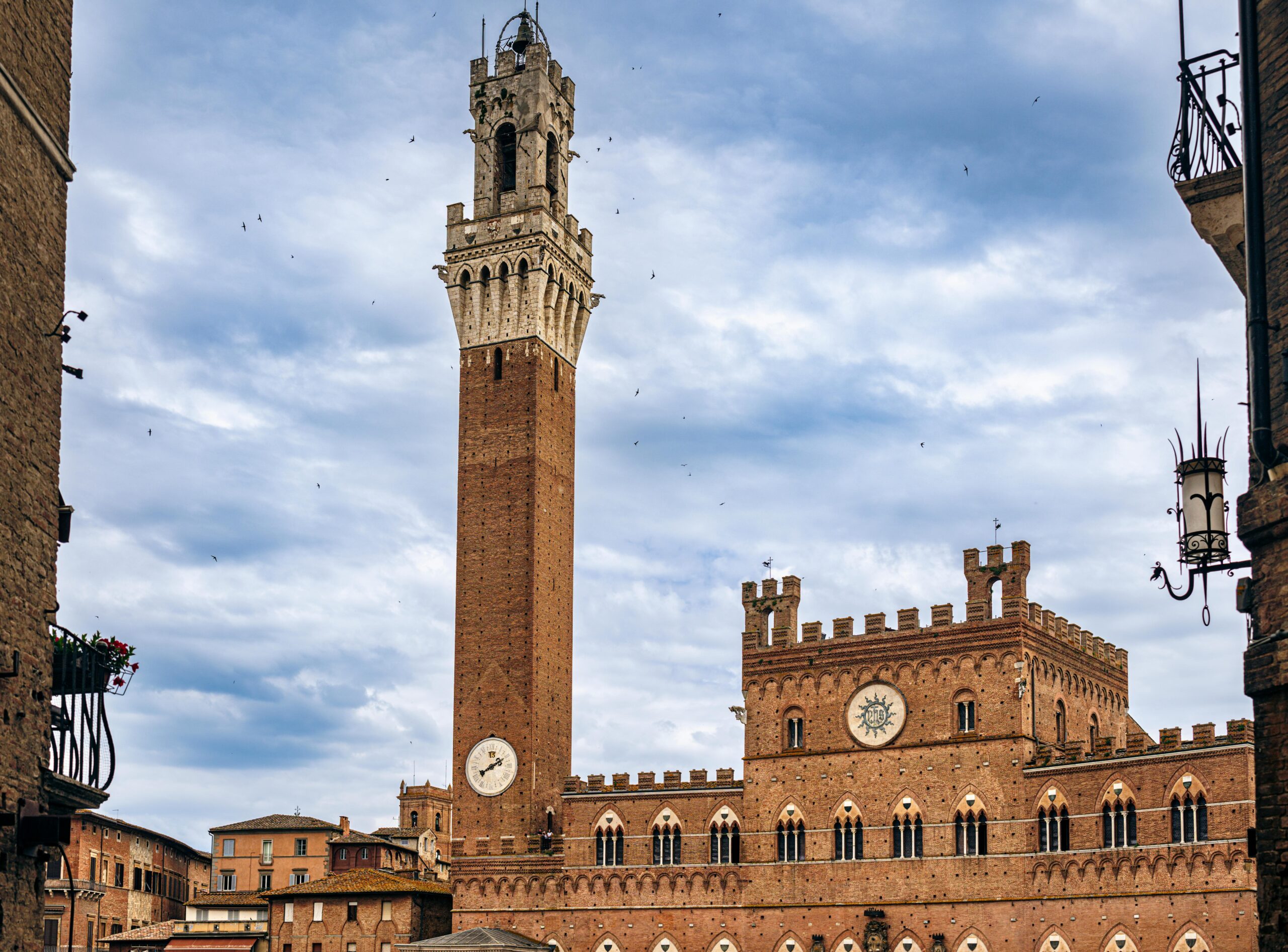
Note that during the Palio, many central streets close and accommodation sells out early. If you want to attend Palio-related events, book far in advance and prepare for extremely high demand.
Events and festivals that influence when to go
Local events significantly affect the feel and logistics of a visit. The two most important annual highlights are:
- The Palio di Siena (July 2 and August 16): A historic bareback horse race around the Campo involving Siena’s contrade (districts). An extraordinary cultural event, but expect closed streets, crowds, and elevated prices.
- Religious and food festivals: Autumn harvest festivals, truffle fairs, and Saint day celebrations appear through the year, offering authentic local food, markets, and music without the obvious tourist rush of summer.
If your travel dates are flexible, check the local event calendar and local municipal announcements — some smaller festivals pop up on short notice and give you a chance to experience community traditions.
Siena travel cost: budgeting and typical expenses
Siena travel cost varies by season and travel style. Below are realistic daily budgets in euros to help you plan:
- Budget traveler: €60–€100/day — hostel or budget guesthouse, street food and casual trattorie, public transit or walking, free/low-cost sights.
- Mid-range traveler: €150–€250/day — comfortable hotel or B&B, sit-down meals at mid-range restaurants, museum entry fees, short taxis if needed.
- Luxury traveler: €300+/day — boutique hotels in or near the historic center, fine dining, private tours, and experiences like wine tastings and guided Palio viewing if available.
Accommodation is the biggest cost driver. If you prefer to stay within or very near the medieval center, prices rise during high season and around festival dates; booking earlier secures more options and better rates. You can find hotels in Siena across price categories to compare location and reviews.
City taxes, museum fees (Duomo complex, Museo Civico), occasional guided tour fees, and meals should be included in your planning. Self-catering and picnics from local markets reduce daily spend without sacrificing quality.
Practical tips: where to stay, getting around, and avoiding crowds
Where you stay changes the practical experience. Staying inside or immediately adjacent to the shell-shaped Piazza del Campo puts you in the center of activity with easy access to major sights, but prices are higher and rooms can be smaller. Accommodations a short walk uphill toward the University or along the city walls often offer quieter streets and better value.
For those deciding on lodging, it’s wise to compare neighborhoods and availability early; you can book accommodation in Siena that suits your budget and proximity preferences. Choose a place with a concierge or host who can advise on Palio closures if you’re traveling in July or August.
- Getting around: Siena is compact; most visitors walk. Limited bus service connects to surrounding towns. Taxis are useful late at night or with heavy luggage.
- Avoiding peak crowds: Visit museums first thing when they open, tour the Duomo in the morning, and plan an afternoon break during midday when locals tend to rest and tourists peak.
- Packing tips: Comfortable walking shoes, a light rain jacket in spring/autumn, sunscreen and hat in summer, and warmer layers for winter evenings.
Suggested itineraries by length of stay
How much time you have affects the best time to visit Siena. Here are compact itineraries tailored to common trip lengths and different seasons.
- 24 hours: Morning: Duomo complex and Baptistery. Afternoon: stroll the medieval streets, visit Piazza del Campo. Evening: dinner in a trattoria.
- 2–3 days: Add Museo Civico and Torre del Mangia, take a half-day wine tour in Chianti (better in spring/early autumn), and explore local markets. Use extra time for a walking food tour.
- 4–7 days: Include day trips to San Gimignano, Montalcino, or Montepulciano; attend a local festival if timing allows. Longer stays are most pleasant in shoulder seasons when weather and crowds are balanced.
FAQs
What months have the best weather in Siena?
The most pleasant months for weather are May, June, September, and early October — mild temperatures, longer daylight, and lower probability of intense summer heat or mid-winter chill.
How crowded is Siena during the Palio?
The Palio draws large crowds to the historic center. Street closures, full hotels, and limited seating for public viewing make it a very busy and intense experience. If you prefer calmer visits, avoid July 2 and August 16.
Is Siena expensive to visit?
Siena travel cost ranges widely. Budget travelers can manage on about €60–€100 per day, while mid-range travelers should expect €150–€250 per day. Costs rise during peak season and major events.
Are museums and attractions open year-round?
Most museums, churches, and the Duomo complex are open year-round but hours may be reduced in winter or on certain holidays. Always check official opening times before planning your visit.
Can I visit Siena as a day trip from Florence?
Yes — Siena is a popular day trip from Florence (about 1.5 hours by car or bus). A day trip gives a taste of the city, but staying overnight allows time to soak in the atmosphere and explore museums at a relaxed pace.
Conclusion
Choosing the best time to visit Siena depends on whether you prioritize weather, crowds, or special events. For most travelers, late spring and early autumn provide the best balance: pleasant Siena weather, manageable crowds, and favorable rates. Summer offers vibrant outdoor life and the chance to experience the Palio if you plan ahead; winter delivers near-empty streets and budget-friendly accommodations. Use the practical tips above on lodging, timing, and budgeting to tailor your trip to the experience you want — and allow time to simply sit on the Piazza del Campo and enjoy the city’s timeless pace.