Deciding the best time to visit Singapore comes down to balancing weather, crowds, events and your travel budget. Singapore’s climate is equatorial—hot and humid year-round—so the ideal season depends on whether you prioritize sunny days, lower prices or major festivals.
This guide explains Singapore weather patterns, tourist seasons, monthly highlights, estimated Singapore travel cost ranges, and practical tips so you can plan a trip that fits your priorities and comfort level.
When to go: months that work best
For many travelers the best time to visit Singapore is between February and April. This period typically offers slightly drier conditions and marginally lower humidity than the monsoon months, which makes outdoor sightseeing, walking between attractions and visiting Gardens by the Bay or Sentosa more pleasant.
If your primary goal is festival experiences, consider planning around Chinese New Year (late January–February, dates vary) or the Great Singapore Sale in June–August when shopping and entertainment programs are at their peak. Booking earlier for these windows helps lock in better rates and availability.
Understanding Singapore weather
Singapore’s tropical climate means temperatures usually range from about 25°C (77°F) at night to 31°C (88°F) during the day. Rainfall is frequent but often comes in short, heavy bursts rather than prolonged downpours. Humidity is high year-round, which can make even modest walks feel tiring for visitors not used to tropical climates.
There are two broad monsoon periods: the Northeast Monsoon (December to early March) and the Southwest Monsoon (June to September). The Northeast Monsoon brings heavier rains and occasional flooding in some areas, while the Southwest Monsoon tends to bring more afternoon thunderstorms. Between monsoons, particularly February–April and July–September, you’ll often find more predictable dry spells.
High and low tourist seasons
Peak tourist season in Singapore centers on major holiday periods and school breaks. December and January see spikes due to year-end travel and festive events. Mid-year school holidays and the Great Singapore Sale also attract higher numbers of visitors, especially from neighboring countries.
Low season typically coincides with the wettest parts of the Northeast Monsoon (December–January can be busy despite rains, so “low” is relative). The months of February through April and September through November can provide a balance of fewer crowds and relatively stable weather, which many travelers prefer.
Month-by-month quick guide
Use this month-by-month snapshot to match weather, events and crowd levels with your travel priorities.
- January: Cooler nights, but busy for Chinese New Year when crowds and bookings surge.
- February–April: Generally drier and pleasant for outdoor activities; good time for museums and nature walks.
- May: Transitional month with occasional thunderstorms; fewer tourists than peak months.
- June–August: Warm with intermittent showers; Great Singapore Sale and school holidays mean busier shopping districts.
- September–November: Variable weather with short downpours; often quieter and can be good for budget-conscious travelers.
- December: Festive atmosphere, higher prices and more visitors despite rainy spells from the Northeast Monsoon.
Singapore travel cost: budgeting by season
Singapore travel cost varies by travel style and time of year. Expect higher accommodation and airfare during peak windows like December, Chinese New Year and the mid-year holidays. For mid-range travelers, a daily budget of SGD 150–250 covers comfortable hotel rooms, public transport, modest meals and entry fees to a few attractions.
If you’re seeking lower prices, target February–April or September–November; hotel discounts and special deals are more common. For accommodation research and to compare neighborhoods and nightly rates, consider browsing a reputable booking platform before finalizing dates — this helps you find both deals and convenient locations for sightseeing. Explore hotels and neighborhoods in Singapore
Events, festivals and when to experience them
Some travelers plan their visit around signature events. Major highlights include:
- Chinese New Year (late Jan–Feb): parades, cultural performances and vibrant street decorations.
- Formula 1 Singapore Grand Prix (usually September): a huge draw with night racing and concerts—expect premium prices and sold-out hotels.
- Hari Raya Puasa and Deepavali: cultural celebrations in Muslim and Indian quarters with unique street food and shopping.
- Great Singapore Sale (June–August): discounts and promotions across malls and boutiques.
When you want to attend a specific event, book accommodations several months ahead—particularly for the F1 race or major festival weekends. For broader planning and real-time accommodation availability, checking an established travel platform can speed decisions. Compare current lodging options
Practical tips: packing, mobility and avoiding crowds
Packing light, breathable clothing, a compact umbrella and good walking shoes will serve you well in Singapore’s climate. Sun protection and a reusable water bottle with an insulated sleeve help cope with heat and humidity.
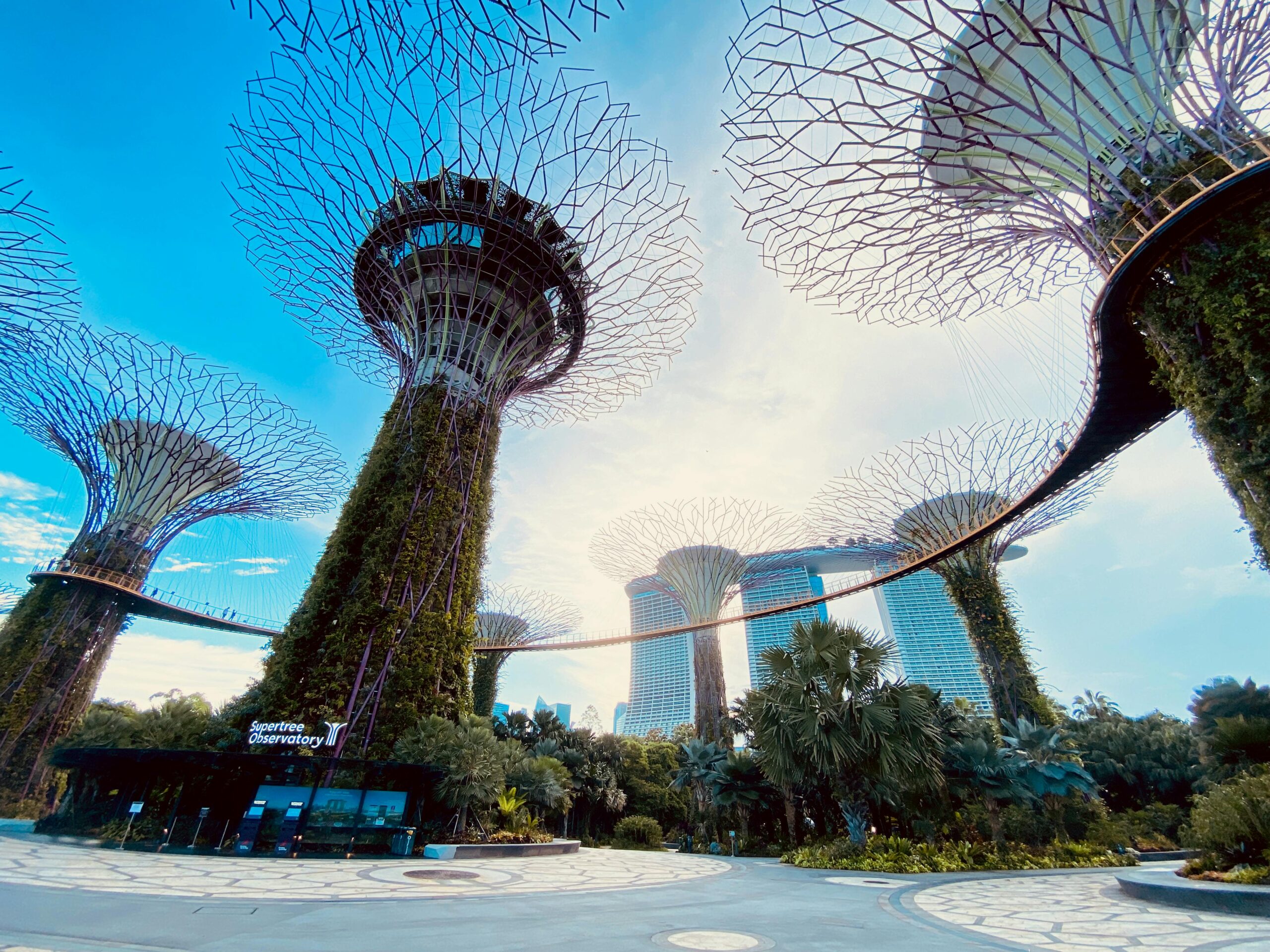
Public transport is efficient—Mass Rapid Transit (MRT) and buses connect most attractions. Plan to travel early in the morning or after 9:30am to avoid commuter rush on weekdays. For popular attractions like the Singapore Flyer, Gardens by the Bay and Universal Studios Singapore, buy timed-entry tickets or reserve morning slots to minimize queuing.
To reduce exposure to crowds without missing key sights, visit major attractions on weekday mornings, explore neighborhoods such as Tiong Bahru or Joo Chiat in the late afternoon, and book table reservations or tour slots in advance.
FAQs
What is the best month to visit Singapore for good weather?
February to April is often regarded as the best window for generally drier, less humid conditions, making outdoor sightseeing more comfortable. However, short tropical showers can occur at any time of year.
How does the tourist season affect prices in Singapore?
Peak tourist months—December, January and major holiday weekends—usually bring higher hotel and airfare prices. Visiting during shoulder months like February–April or September–November can lower accommodation costs and reduce crowding at top attractions.
Is Singapore worth visiting during the rainy season?
Yes. Rain tends to be short-lived, mostly in the form of heavy afternoon showers. Indoor options such as museums, shopping malls and the variety of hawker centres provide plenty to do, and prices can be more attractive in wetter months.
How much should I budget per day in Singapore?
A comfortable mid-range daily budget is roughly SGD 150–250, which covers a modest hotel, public transport, meals at hawker centres and entry fees. Budget travelers can spend less by choosing hostels or budget hotels and eating at food courts, while luxury travelers should allow for significantly higher costs.
Are there months to avoid because of festivals or events?
Avoid the busiest holiday weekends if you prefer quieter travel—Chinese New Year and the Formula 1 Grand Prix weekend in September are particularly crowded and expensive. If you want to attend festivals, book well in advance to manage costs.
Conclusion
Choosing the best time to visit Singapore depends on whether you prioritize weather, lower travel costs, or attending specific events. For generally pleasant conditions and manageable crowds, aim for February–April. If you’re flexible and want the best value, travel in shoulder months and take advantage of weekday mornings for major sights. Whatever month you choose, Singapore’s reliable transport, compact size and mix of indoor and outdoor attractions mean you can create a rewarding itinerary year-round.