The best time to visit Stockholm depends on what you want from the trip: long summer days and outdoor festivals, crisp autumn colors and quieter museums, or the chance to see winter light and possibly the Northern Lights palette in the skies over the archipelago. This guide synthesizes official tourism and meteorological trends to help you pick the months that match your priorities for weather, crowds, and cost.
Throughout the article you’ll find practical notes on Stockholm weather, seasonal crowds, and travel cost so you can plan an itinerary that fits your budget and interests. Recommendations reflect long-term climate patterns and tourism data rather than any single year’s anomalies.
Overview: why timing matters in Stockholm
Stockholm is spread across 14 islands connected by bridges, which makes daylight, temperature and wind conditions especially noticeable. Seasonality affects not only outdoor activities — such as boating in the archipelago or walking Gamla Stan — but also opening hours, prices and atmosphere at restaurants and attractions.
Picking the best time to visit Stockholm involves balancing three main considerations: climate and daylight, tourist season and crowd levels, and travel cost. If you prefer fewer crowds and lower prices, shoulder seasons are often ideal; if you prioritize sunny weather and vibrant street life, the high summer months will deliver.
For a quick primer on the city’s history and layout before you go, the encyclopedia entry provides an accessible overview of Stockholm’s neighborhoods and cultural highlights: Stockholm overview on Wikipedia.
Season-by-season breakdown
Spring (March–May): Spring brings steadily lengthening days and the first buds in parks like Djurgården. March can still be chilly and occasionally snowy, but by late April and May daytime temperatures often reach comfortable 8–15°C (46–59°F). Tourist numbers begin to rise in May as outdoor cafes reopen.
Summer (June–August): Summer is peak tourist season. Expect long daylight hours — Stockholm enjoys nearly 18 hours of daylight in June — warm temperatures typically from 18–25°C (64–77°F), occasional heat waves, and lively festivals. Outdoor dining, boat trips through the archipelago, and extended museum hours make this the most popular time to visit.
Autumn (September–November): September can feel like a continuation of summer with mild weather and thinning crowds, while October and November cool quickly. Autumn colors are attractive across parks and waterfronts, and cultural institutions resume full programming after the quieter summer months.
Winter (December–February): Winters are cold and dark, with average highs around 0–3°C (32–37°F) and short daylight hours. Snow is possible, creating scenic scenes in the old town and along waterfronts. This is the least crowded season but ideal for travelers who appreciate winter markets, cozy restaurants, and lower travel costs.
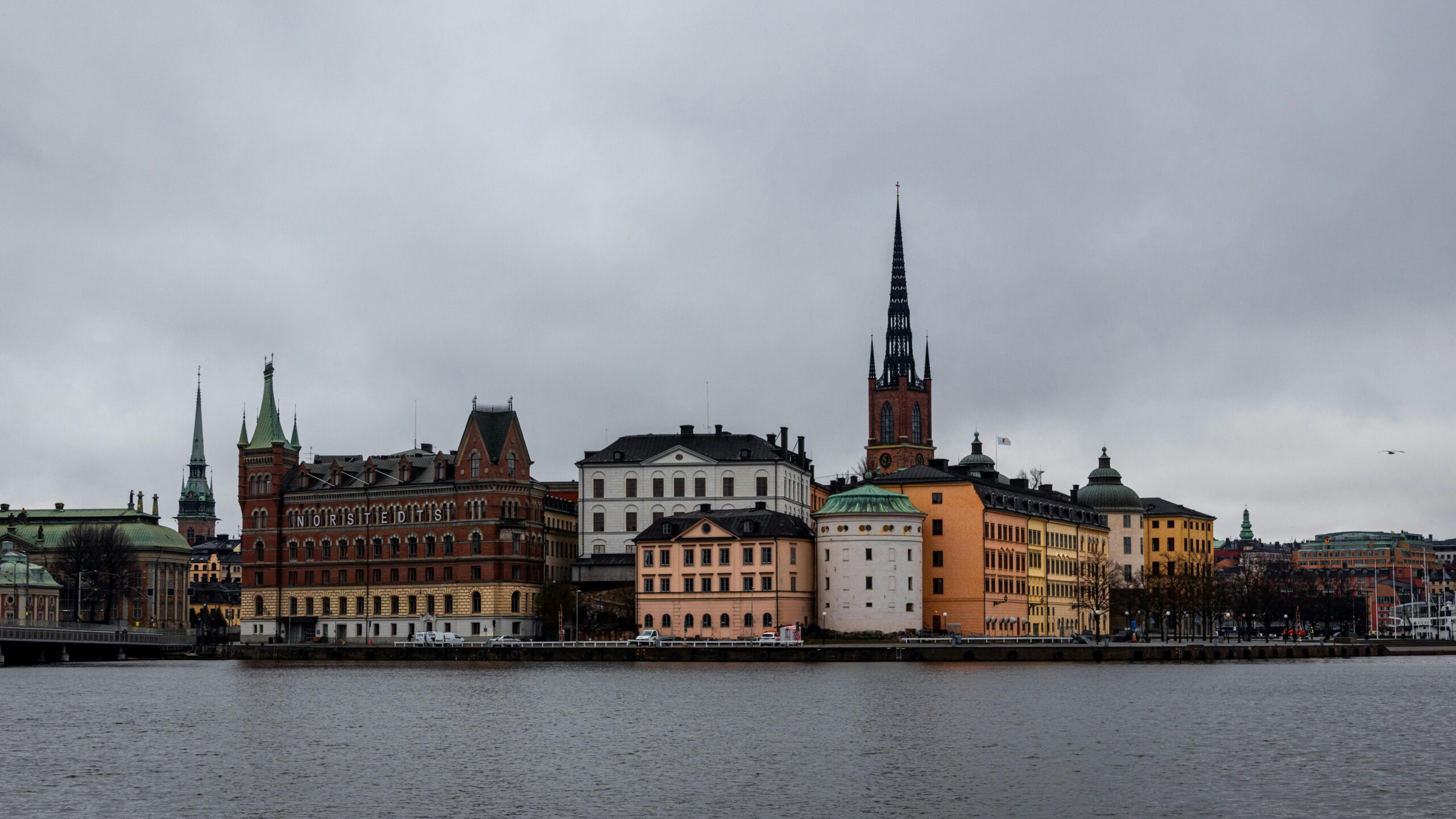
Weather and daylight: what to expect month by month
Understanding Stockholm weather and daylight is crucial for planning activities. Summers are pleasantly warm with long days, while winter daylight is limited and temperatures hover around freezing. Spring and autumn vary more widely and can be unpredictable.
Typical monthly patterns: June offers the most daylight and mild temperatures; July is usually the warmest month; September provides pleasant daytime temperatures and thinning crowds; November to February have the shortest days and coolest conditions. For current conditions and extended forecasts when you’re finalizing travel dates, consult a reliable weather source: detailed forecasts and climate details at The Weather Channel.
Daylight matters: in midwinter you may have only six hours of daylight, which affects sightseeing windows and boat schedules. Conversely, in midsummer midnight sun-like light means activities can comfortably continue late into the evening.
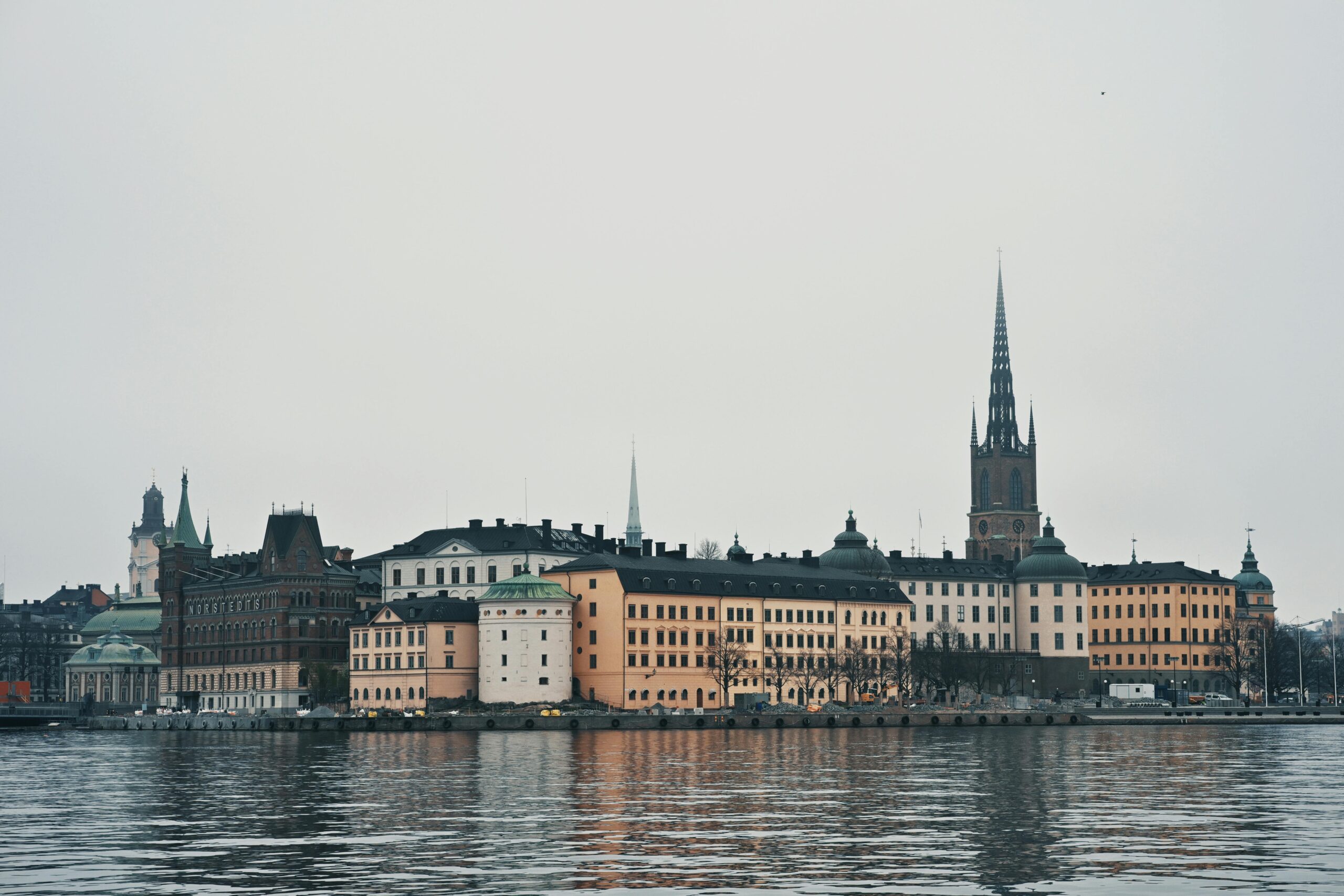
Stockholm tourist season and crowd patterns
Peak tourist season runs from late June through August. During this time you’ll find larger crowds at major attractions such as the Vasa Museum, Skansen open-air museum, and the Royal Palace. Booking museums, archipelago tours, and popular restaurants in advance is recommended for summer travel.
Shoulder seasons — late spring (May to early June) and early autumn (September) — offer a sweet spot for many travelers: milder weather, plenty of daylight, and fewer crowds than July. Museums and many boat tours operate on full schedules in these months, and outdoor attractions are still very accessible.
Winter is low season. Many tourists avoid December through February due to the cold and shorter days, but holiday markets, Christmas lighting, and winter activities bring a cozy charm to the city. If you prefer quieter streets and easier access to popular sites, winter can be a very rewarding time to visit.
Stockholm travel cost: budgeting by season
Travel cost in Stockholm varies by season. Summer (peak season) generally means higher prices for flights, hotels, and tours. Booking well in advance helps secure better rates for popular dates.
- High season (June–August): Expect the highest accommodation rates and full-price tickets for attractions and boat trips.
- Shoulder seasons (May, September): Moderate prices with good availability; excellent value if you prefer comfortable weather without peak crowds.
- Low season (November–March): Lowest rates for hotels and some attractions, though holiday periods like Christmas and New Year can push prices up locally.
Other cost factors: dining out in Stockholm is generally more expensive than in many European cities, though lunch specials and food halls can reduce meal costs. Public transportation is efficient and cost-effective for getting around; purchasing multi-day travel cards often saves money over single tickets.
Practical tips for choosing the best time for your trip
Decide by activity: If your priority is archipelago boating, late May to September is best. For cultural festivals and nightlife, aim for June through August. For quieter museum visits and lower costs, late autumn and winter are preferable.
- Pack layers: Stockholm weather can change quickly, even in summer. A light waterproof jacket and comfortable walking shoes are essential.
- Book smart: For summer travel, reserve accommodations and must-see museums several months ahead. For winter, check opening schedules and holiday closures.
- Transportation: Take advantage of Stockholm’s efficient public transit. During winter, allow extra time for commutes in case of snow or icy conditions.
Consider special events: Midsummer (late June) is an important Swedish holiday with festive traditions — it’s lively but can affect transport and service hours. Christmas markets (late November–December) create wonderful seasonal atmosphere but also increase demand for lodging.
FAQs
When is Stockholm at its warmest?
July is typically the warmest month, with average daytime highs often between 20–25°C (68–77°F). Heat waves can push temperatures higher, but humidity is usually moderate, making summer generally pleasant.
Is summertime the most crowded season in Stockholm?
Yes. Late June through August is the peak tourist season, when major attractions and restaurants are busiest and prices are at their highest. Arrive early at popular sites or reserve tickets in advance during these months.
Can I see the Northern Lights from Stockholm?
Seeing strong Northern Lights from central Stockholm is uncommon because of city light pollution and its southern latitude relative to prime aurora zones. On rare occasions of strong solar activity and clear skies, faint auroras may be visible over darker parts of the archipelago or further north in Sweden.
How much should I budget per day in Stockholm?
Daily costs vary by season and travel style. Mid-range travelers can expect to spend more in summer for accommodation and activities; a reasonable daily budget for a mid-range traveler is higher in peak months and lower in winter. Using public transit, choosing lunch menus, and staying in centrally located but modest hotels help control costs.
Are museums and attractions open year-round?
Most major museums and attractions are open year-round, though hours can be reduced in winter and some smaller seasonal tours or boat excursions may not operate in the coldest months. Always check opening times for specific sites before booking.
Conclusion
Choosing the best time to visit Stockholm depends on whether you prioritize warm weather and long days, lower costs and quieter streets, or special seasonal experiences like midsummer celebrations or Christmas markets. For sunny outdoor activities and full cultural programming, visit between late May and early September. For better prices and lighter crowds while still enjoying pleasant weather, aim for May or September. If you prefer cozy winter atmospheres and significant savings, December through February can be rewarding.
Whichever season you choose, plan around daylight and typical weather patterns, book important reservations in advance when traveling during peak times, and use public transit to move easily across the islands. With a little planning, Stockholm offers richly satisfying experiences year-round.