Deciding the best time to visit Tallinn comes down to what you want from the trip: bright summer days and outdoor festivals, crisp snowy medieval streets, or lower prices and quieter museums. Tallinn’s compact old town, coastal setting and northern latitude mean each season offers a distinct experience, so planning around weather and crowds helps you match expectations to reality.
This guide breaks down Tallinn weather, visitor patterns and travel costs across the year, with practical advice on what to pack, where to save and when to book. Whether you’re aiming for sunny terraces in June or cozy cafés in December, the recommendations below will help you choose the ideal window for your visit.
Overview: Why timing matters in Tallinn
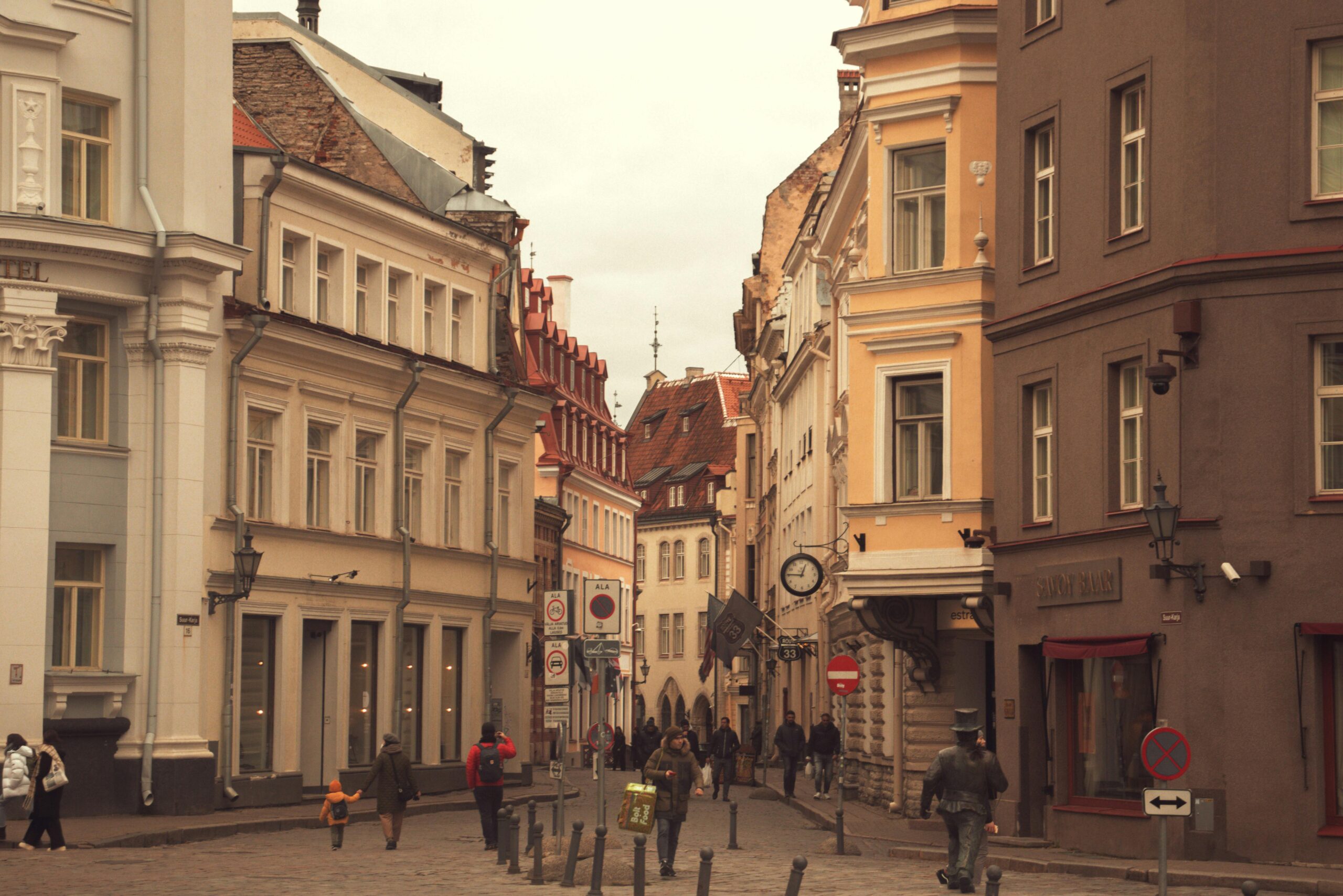
Tallinn’s location on the Gulf of Finland gives it a maritime-influenced climate: relatively mild winters for its latitude, cool summers, and a fair amount of cloud and precipitation year-round. The city’s medieval Old Town and narrow cobblestone lanes are the biggest draws, and their character changes dramatically by season. If you want to stroll outdoor markets and sit at pavement cafés, choose the warmer months; if you prefer festive Christmas markets and fewer tourists, late autumn and winter have distinct advantages.
Local events — from the Tallinn Medieval Days to the Tallinn Festival of Lights — also shape the best time to visit Tallinn. Checking event calendars well ahead helps secure accommodation and makes the most of seasonal attractions.
When to go: seasonal breakdown
Summer (June–August): This is Tallinn’s peak tourist season. Long daylight hours, mild temperatures and frequent outdoor events make summer ideal for sightseeing and day trips to nearby islands. Expect higher prices for hotels and more crowded attractions, especially in July.
Shoulder seasons (May and September–October): Late spring and early autumn strike a balance between pleasant Tallinn weather and fewer crowds. May brings blooming parks and open terraces, while September often delivers warm, stable weather and the start of cultural programming. October can be crisp and colorful, with lower travel costs.
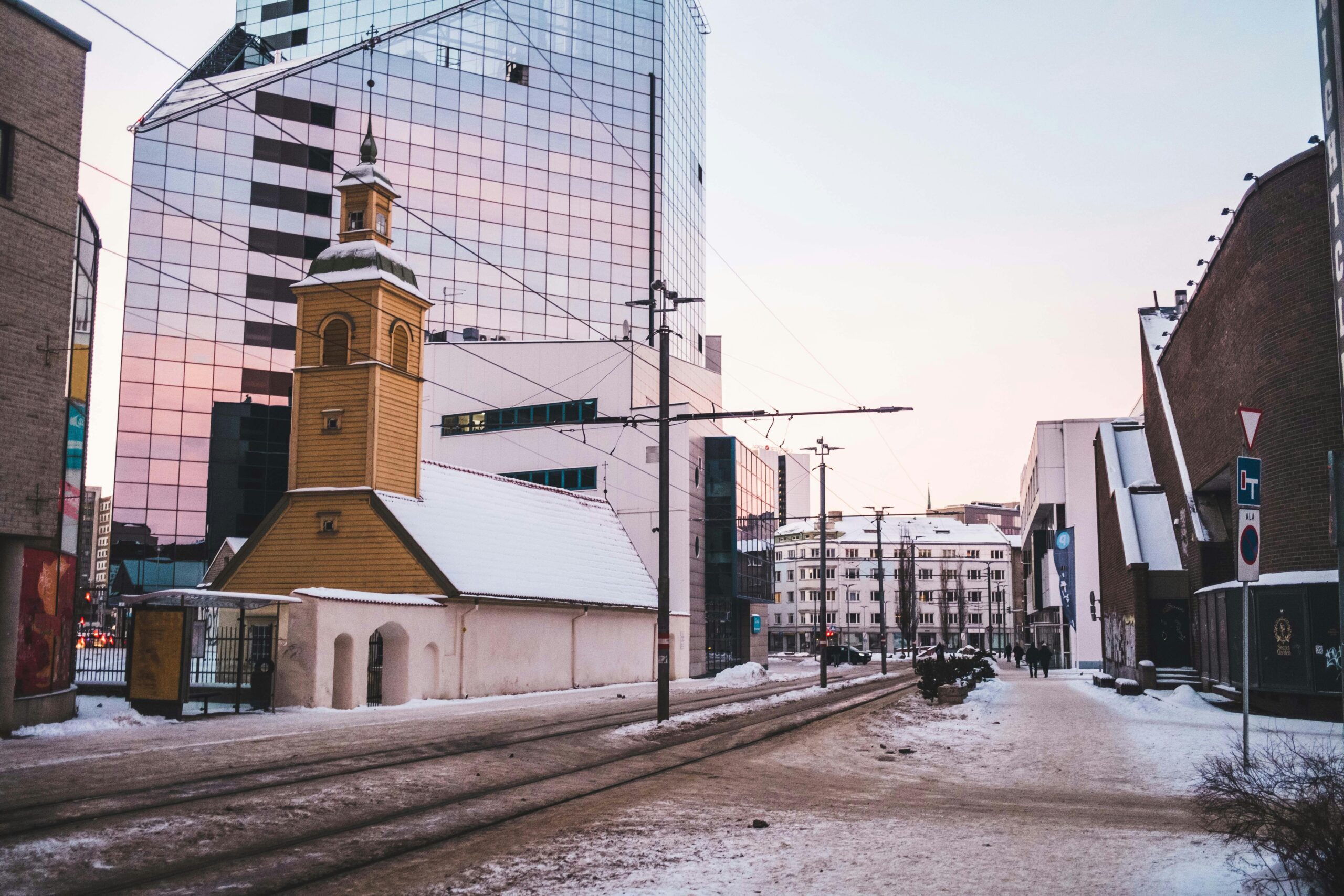
Winter (November–March): Winters are cold but manageable, with snow typically arriving in December and sometimes lasting into March. The Old Town under snow is atmospheric and much quieter, and winter is the best time for visitors who prefer lower prices and a festive atmosphere around Christmas and New Year.
Weather by month: what to expect
Understanding month-by-month Tallinn weather helps align activities with likely conditions.
- January–February: Coldest months; average daytime highs around -2 to -5°C (28–30°F). Snow is common and daylight is short. Great for photographing a winter Old Town and enjoying thermal baths or cozy cafés.
- March–April: Transition months with variable temperatures. March can still feel wintry; April brings longer days and the first signs of spring but also rain and wind.
- May: Pleasant and increasingly green. Temperatures climb toward 10–15°C (50–59°F). Outdoor cafés reopen and parks fill with blossoms.
- June–August: Warmest period, with average highs 18–22°C (64–72°F). Long daylight extends well into the evening — perfect for boat trips, festivals and late strolls in Kalamaja and the Old Town.
- September: Often the best compromise: mild temperatures, clear days and fewer tourists. A reliable month for simply walking and sampling the café scene.
- October: Cooler with autumn colors, though rain increases and daylight shortens. Museums and indoor attractions become appealing alternatives.
- November–December: Chilly, darkening days with the first snows. December brings festive markets — a highlight if you enjoy holiday lights and seasonal foods.
For detailed, up-to-date climate data and long-range trends consult reliable sources such as national tourism pages and established guidebooks for practical planning, including average temperatures and daylight hours.
Tallinn tourist season: crowds, events and timing
The Tallinn tourist season peaks in mid-summer, when cruise ships regularly call at the port and day-trippers from Helsinki add to the crowds. If you want lively streets, street performers and open-air festivals, July is the busiest and most energetic month. For a quieter visit with easier access to major museums and restaurants, target May, early June or September.
Major events to watch for include the Old Town Days and the Tallinn Music Week, which draw international visitors and can impact hotel availability. Conversely, winter festivals and the Christmas market in the Town Hall Square create a concentrated period of local activity that’s cultural rather than high-volume tourism.
Tallinn travel cost: budgeting by season
Tallinn travel cost varies significantly with season and booking lead time. High season (June–August) means higher rates for hotels and some restaurants, particularly in the Old Town. Shoulder seasons usually offer the best value for money — you’ll find lower accommodation prices and fewer forced “tourist-only” menus.
- Accommodation: Expect premium prices in July. Book at least two months ahead for summer peak dates; late autumn and winter often offer the best deals.
- Food and drink: Dining out is generally affordable compared with many Western European capitals. Look for local cafés and the rising number of quality street-food markets for savings.
- Transport and tours: Public transport is efficient and inexpensive; guided walking tours and day trips are cheaper outside the high season.
For planning practical costs and seasonal offers, official tourism sites provide up-to-date information on events and visitor tips that can affect total trip expenditure. See the national tourism site for curated suggestions and seasonal highlights.
What to pack and practical travel tips
Packing for Tallinn depends on season. For summer, layers, a waterproof jacket and comfortable walking shoes are essential. For winter visits, prioritize thermal layers, a warm coat, waterproof boots and accessories like a hat and gloves — wind off the gulf can make temperatures feel colder than the thermometer suggests.
- Always bring a versatile waterproof layer and comfortable shoes for cobblestones.
- Carry a small daypack for museums, market purchases and a water bottle; many central streets are pedestrian-only and best explored on foot.
- Consider booking popular attractions and restaurants in advance during high season to avoid disappointment.
Public transport in Tallinn is compact and well-connected. Tallinn also offers free public transport for registered residents, but visitors should purchase single tickets or short-term travel cards for convenience. Look for up-to-date transit maps and schedules from official city transport pages when planning routes to suburbs or day-trip departure points.
Getting the timing right: recommended itineraries by preference
Pick the best time to visit Tallinn according to your priorities:
- Sun and festivals: Visit in June or July for long days, festivals and island excursions.
- Best balance: May and September for pleasant weather, fewer crowds and lower prices.
- Winter charm: December for holiday markets, snow-covered streets and a quieter Old Town atmosphere.
- Budget-focused: Late autumn (November) or early spring (March–April) to take advantage of lower hotel rates and fewer visitors.
If you want a concise planning resource that mixes practical city guides with current travel advice, established travel guide publishers and municipal tourism offices offer reliable itineraries and seasonal highlights to help refine dates and bookings.
FAQs
When is the warmest month in Tallinn?
July is generally the warmest month, with average highs around 20–22°C (68–72°F). Late June and early August can also be very pleasant, offering long daylight hours for outdoor activities.
Is Tallinn worth visiting in winter?
Yes. Winter has fewer tourists, festive markets and a distinct atmosphere in the Old Town when it snows. If you don’t mind cold temperatures and shorter daylight, winter can be both atmospheric and economical.
How much does a typical day in Tallinn cost?
Daily costs vary by travel style. Budget travelers can manage on modest meals and public transport, while mid-range visitors should budget for comfortable accommodation, meals at cafés and a couple of paid attractions. Prices are generally lower than many Western European capitals.
Are there any months to avoid visiting Tallinn?
No month is strictly off-limits, but late November can feel bleak with short daylight and fewer events. If you prefer mild weather and active street life, avoid the coldest winter months and aim for May–September.
Can I take day trips from Tallinn year-round?
Yes. Nearby islands, Lahemaa National Park and the university town of Tartu make good day trips year-round, though some services and ferries to outlying islands may be reduced in winter. Check seasonal schedules before planning.
Conclusion
Choosing the best time to visit Tallinn depends on whether you prioritize warm weather and festivals, lower costs and fewer crowds, or winter charm and holiday markets. May and September offer the best compromise for pleasant Tallinn weather, manageable crowds and reasonable prices, while July suits travelers seeking the liveliest city scene. With practical planning—booking ahead for summer, packing appropriately for winter, and consulting official resources for transport and events—you can tailor your trip to match the exact experience you want in Estonia’s historic capital.