Deciding the best time to visit Tanzania depends on what you want to see and do: wildlife viewing, beach relaxation on Zanzibar, or summiting Kilimanjaro. This guide synthesizes official climate data and tourism board insights to help you plan a trip that matches seasonal weather patterns, crowd levels, and wildlife movements.
Below you’ll find a month-by-month breakdown, regional variations, a comparison table for quick planning, and practical tips on when to book and what to expect. The advice here references official climate trends from national authorities and tourism sources to give a reliable, actionable planning tool.
Understanding Tanzania’s seasons and overall climate
Tanzania straddles the equator and has a mix of tropical coastal climate, highland conditions, and semi-arid zones. Broadly, the country experiences two rainy seasons — the long rains (Masika) from March to May and the short rains (Vuli) around October to December — plus a long dry season from June through September. Elevation plays a major role: coastal and lowland areas are warm and humid, while the highlands and Kilimanjaro region are much cooler and can be chilly at night.
For wildlife viewing, the dry months typically concentrate animals around permanent water sources, improving visibility and photographic opportunities. Conversely, the wet months bring lush landscapes and newborn wildlife but can make some dirt roads difficult to negotiate and create seasonal closures in more remote parks.
When is the best time to visit Tanzania for different activities?
There isn’t a single “best” time for everyone. Instead, choose based on prioritized activities:
- Wildlife safaris: June to October is ideal for most parks because vegetation is low, and animals concentrate around waterholes; August–September are shoulder months with excellent game viewing and cooler temperatures.
- Great Migration: The classic Serengeti river crossings are most likely between July and October in the northern Serengeti, while calving in the southern Serengeti occurs roughly in January–March. Timing depends on the migration’s shifting patterns.
- Zanzibar beaches: December to February and July to August are sunny and warm; short rains in November and long rains in April–May make those months less desirable for sunbathing.
- Kilimanjaro treks: January–March and June–October offer the most stable weather windows for summit attempts, with lower rainfall and clearer skies.
- Birdwatching: Wet seasons (November–May) bring migrants and many breeding species, so birders may prefer these months despite the wetter conditions.
Tanzania weather by month guide
This month-by-month guide summarizes expected weather patterns, crowd levels, and the best activities for each month so you can pick the optimal travel window for your interests.
Note: local microclimates vary—coastal towns and islands, the northern safari circuit, the southern plains, and highland areas will experience the seasons differently.
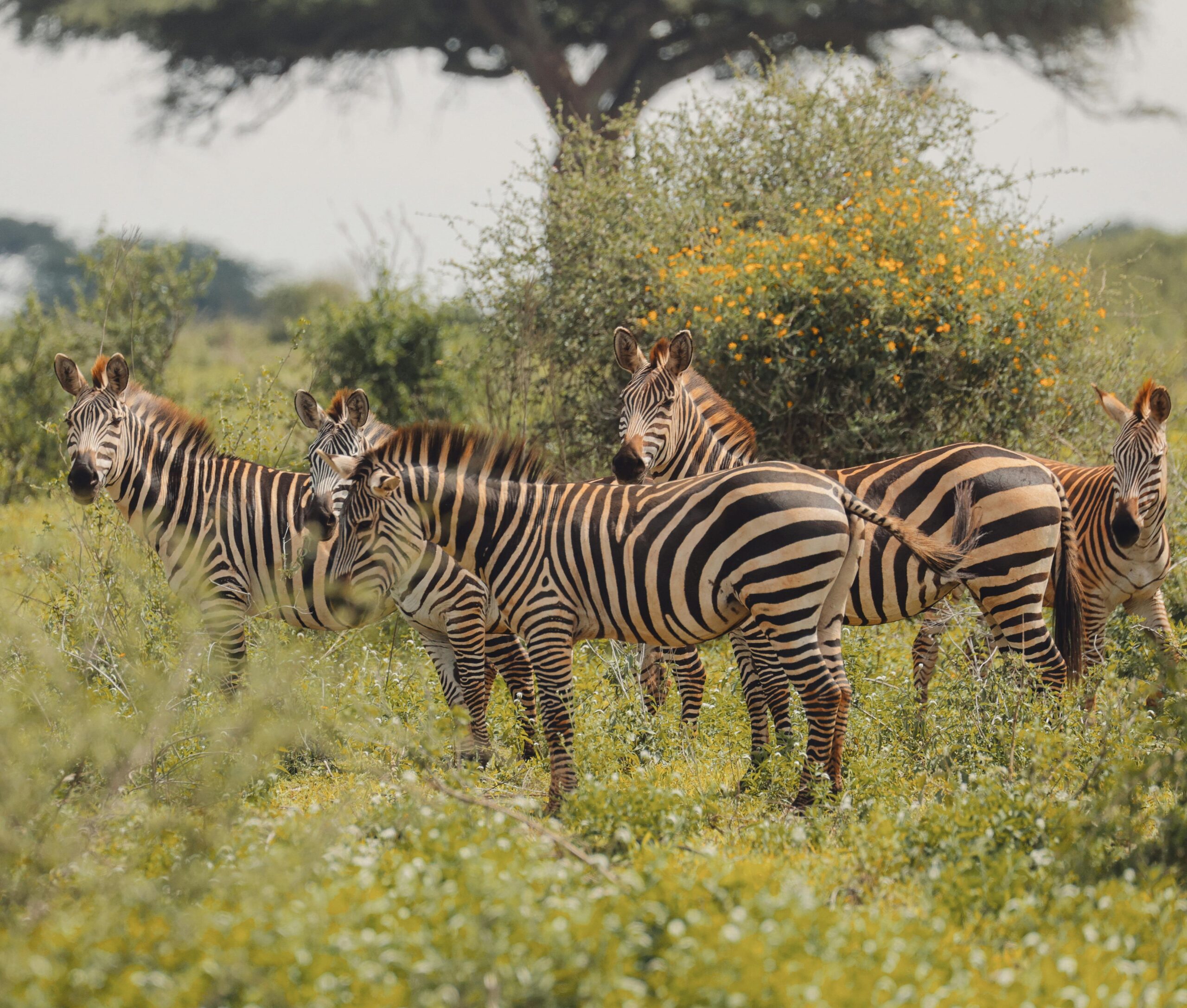
January: Hot and dry in much of the country, especially the central and northern plains. The southern Serengeti is often lush and calving season begins, bringing abundant predator-prey activity. Good month for beach stays on Zanzibar.
February: Continued dry conditions across many areas; excellent for game viewing in drier zones and for climbing Kilimanjaro before long rains begin. Zanzibar remains warm with low rainfall.
March: Transition into long rains; rainfall increases toward the end of the month. Many lodges and camps in remote areas may temporarily close. Good time for lower-season rates if you don’t mind occasional showers.
April: Peak long rains in many regions. Travel logistics in some parks become challenging due to muddy roads. Not ideal for first-time safari visitors but great for birdwatchers and photographers seeking dramatic, green landscapes.
May: Late in the long-rain season; pockets of dry weather begin to return by month’s end. Reduced tourist numbers and lower prices are common.
June: Dry season establishes across most safari regions. Cooler nights and mornings. Wildlife concentrates around waterholes, improving sightings in parks like Tarangire, Ngorongoro, and Serengeti.
July: One of the best months for safaris in northern Tanzania; clear skies and excellent visibility. The Great Migration begins to move northward, and river crossing chances increase later in the month.
August: Peak dry season and a popular month for visitors — expect higher prices and busier camps. Great Migration crossings may occur in central-to-northern Serengeti sectors.
September: Warm dry month with very good game viewing and fewer tourists than August in some locations. Good for combined safari and beach itineraries before short rains begin.
October: Start of the short rains later in the month. Early October remains dry and is another excellent window for wildlife viewing; by late October, showers increase unpredictably.
November: Short rains typically peak early to mid-month. The short rains are usually less disruptive than the long rains, but some roads can become slippery. November is a transitional month with greenery returning.
December: Varies regionally — coastal areas and Zanzibar can be warm and pleasant, but inland may still see sporadic showers. Tourist numbers rise around holidays, so book early.
Regional variations: north, south, coast, and highlands
Tanzania’s size and topographic variety mean each region has distinct weather patterns. Tailor your plans to the specific area you’ll visit rather than using a single national rule.
- Northern circuit (Serengeti, Ngorongoro, Tarangire): Best overall wildlife viewing June–October. River crossings usually happen July–September, while January–March is calving season in the south.
- Southern circuit (Selous/Nyerere, Ruaha): Often drier later in the year (July–October) and quieter with fewer visitors. Road conditions vary and some areas are more remote.
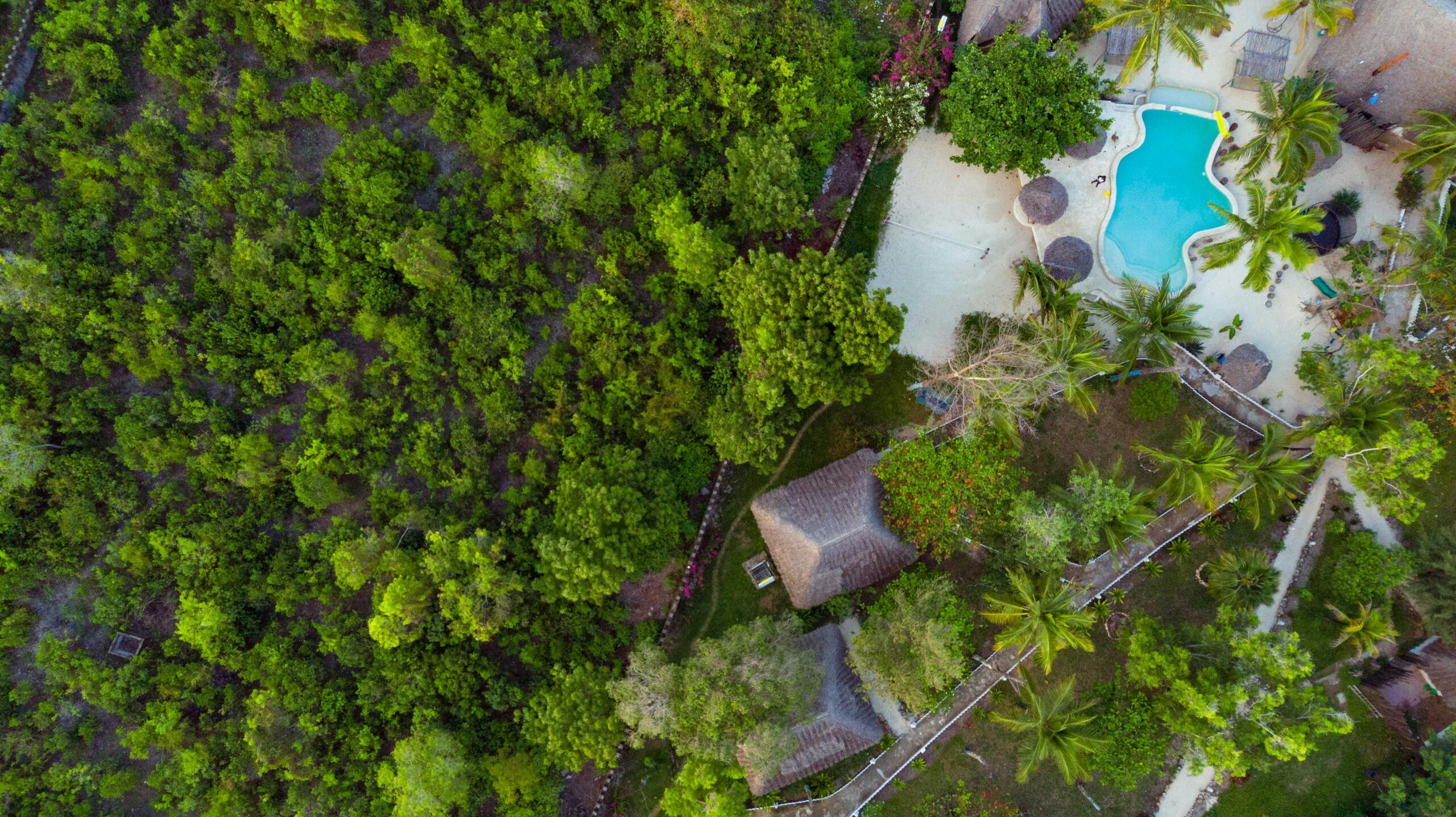
- Coastal and islands (Zanzibar, Pemba): Tropical climate with main rainy season in April–May; best beach months are December–February and July–August.
- Highlands and Kilimanjaro: Cooler year-round; nights can be cold. The clearest climbing windows are January–March and June–October to avoid heavy rains on the routes.
Comparison table: quick planning at a glance
| Month | Weather | Wildlife | Best for |
|---|---|---|---|
| Jan–Mar | Warm; some areas rainy | Calving in southern Serengeti | Photography, calving, Zanzibar beaches |
| Apr–May | Long rains; green landscapes | Lower visibility in some parks | Birdwatching, low-season deals |
| Jun–Oct | Dry; clear skies | Excellent game viewing; migration north | Safaris, trekking, river crossings |
| Nov–Dec | Short rains; mixed | Greening; migratory birds | Fewer crowds, good prices, beaches early Dec |
Wildlife highlights and the Great Migration timeline
The timing of the Great Migration is not fixed to exact dates but follows grass growth and rainfall patterns. Generally:
- December–March: Herds are often in the southern Serengeti for calving season, drawing predators and presenting intense predator-prey interactions.
- April–June: As rains change grazing patterns, the migration starts moving northwest across the Serengeti plain.
- July–October: Large concentrations in the northern Serengeti and possible Mara River crossings toward late July–September, though exact timing varies year to year.
To increase your chance of seeing river crossings, plan an itinerary that includes a flexible window during July–September and consult park operators who track herd movements daily.
Practical travel tips: reservations, costs, and packing
Book popular lodges and migration-focused camps well in advance for June–September and December holiday periods. For broader accommodation options and rates across the country, you can compare properties and availability on major booking platforms for Tanzania.
- Packing: Layered clothing for mornings and evenings, sun protection, a lightweight rain jacket during wet months, and sturdy walking shoes for lodge walks or short hikes.
- Health and safety: Check vaccination recommendations and malaria prevention advice for your itinerary and season. Carry a basic medical kit and altitude precautions if climbing.
- Transport logistics: Road conditions can be affected by rain; domestic flights connect major safari hubs and are useful in the wet season to avoid long drives.
- Reserve permits early: For Kilimanjaro climbs, popular routes have limited capacity and require advance permits and guide bookings.
How to pick dates based on crowds, cost, and weather
If your priority is wildlife photography and clear weather, target the dry season (June–October) and accept higher prices and greater crowding in top parks. For lower prices, fewer tourists, and dramatic green landscapes, aim for shoulder months (November, early December, or late May) if you’re prepared for occasional showers.
For combined beach and safari trips, consider mid-June to early September or December–February to maximize sunny beach days and good wildlife viewing in the north.
FAQs
What is the single best month to visit Tanzania for wildlife viewing?
July and August are commonly recommended as single best months for wildlife viewing in northern parks because vegetation is low, animals concentrate near water, and chances for witnessing parts of the Great Migration increase. If you want fewer crowds, late September can also be excellent.
When should I go to Zanzibar for the best beach weather?
The most reliable beach weather on Zanzibar is usually December–February and July–August. Avoid the long rains in April–May if you want continuous sun, and expect brief showers during the short rains in November.
Are the parks open during the long rains and is it worth visiting then?
Many parks remain open during the long rains (March–May), but heavy showers can make some roads difficult and remote camps may close. The wet season is worth visiting for birdwatching, newborn wildlife, lush scenery, and lower prices, but it’s not ideal for travelers who require consistently dry road travel.
How far in advance should I book a safari or a Kilimanjaro climb?
For peak months (June–October and December holidays), book safaris and popular lodges 6–12 months in advance. Kilimanjaro climbs and their permits often require at least several months’ notice to secure preferred routes and dates, especially during prime climbing windows.
Where can I find official climate guidance and current weather updates for Tanzania?
For authoritative, localized climate and forecast information, consult the national meteorological services and tourism authorities. Official websites provide seasonal updates and advisories that can influence travel plans and park access.
Conclusion
Choosing the best time to visit Tanzania depends on activity priorities: June–October offers the most reliable dry conditions and excellent game viewing, January–March delivers dramatic calving activity, and beach lovers will prefer the December–February or July–August windows. Consider regional differences, wildlife calendars like the Great Migration, and the trade-off between weather and crowd levels when planning.
Use the month-by-month guidance, regional notes, and practical tips above to build an itinerary matched to your interests. For up-to-date official climate advisories and seasonal insights consult the national tourism resources and meteorological services before finalizing bookings and travel dates.