Deciding the best time to visit Tokyo depends on what you want to see and how you handle crowds and weather. For most travelers, spring (late March to May) and autumn (September to November) offer the most comfortable Tokyo weather, colourful scenery and manageable tourist season peaks.
This guide draws on official tourism data and seasonal travel trends to explain the trade-offs between temperature, crowds and cost so you can pick the right month for your trip to Tokyo.
Quick answer: when to go and why
If you want a simple answer, aim for late March to early May for cherry blossoms or October to early December for crisp autumn foliage. These windows combine pleasant temperatures, lower humidity and the city’s most celebrated seasonal displays.
Spring brings sakura in parks and along riverbanks; autumn delivers red and gold foliage in gardens and temple grounds. Outside these periods you’ll find advantages too: summer matsuri (festivals) create an electric atmosphere, while winter is ideal for lower prices and clear, cool days.
Tokyo weather by season: what to expect
Tokyo’s climate is temperate but varied. Winters (December–February) are cool and dry, with average daytime highs around 10°C (50°F). Spring (March–May) warms quickly and is the city’s most photographed season because of cherry blossoms. Summers (June–August) start with a rainy season in June, then shift to hot, humid weather with highs often above 30°C (86°F). Autumn (September–November) cools from typhoon-prone September into a mild, sunny stretch ideal for sightseeing.
When planning specific dates, check an up-to-date forecast from a reliable authority so you can adjust for anomalies like an early or delayed cherry blossom season. For longer-term climate trends and recent records, resources from global weather services may be helpful.
For daily forecasting and month-by-month averages before you travel, consult a current forecast provider to refine packing and activity plans: detailed forecasts and climatology.
Peak tourist season and crowd patterns
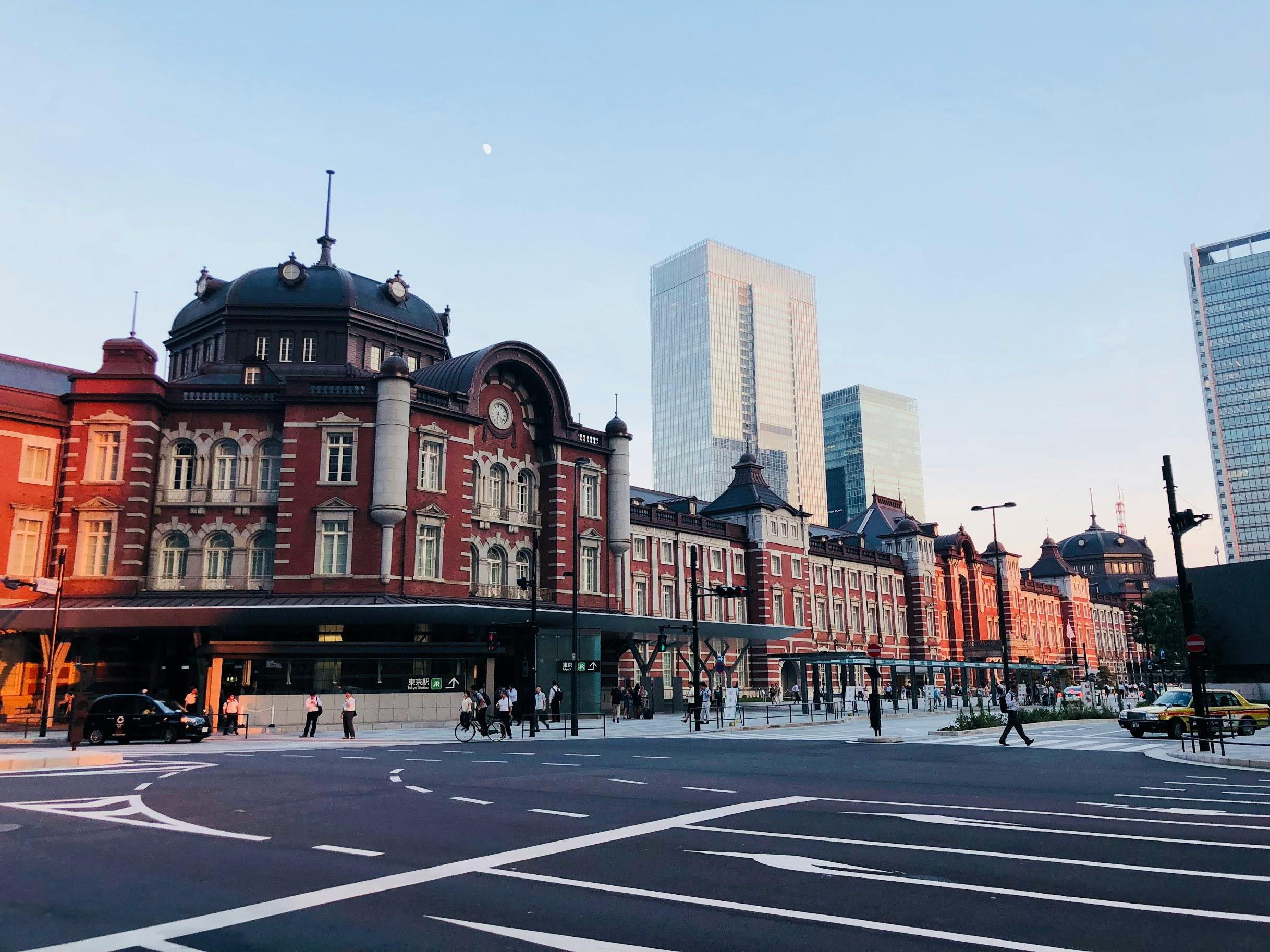
Tokyo tourist season peaks around a few predictable windows. Golden Week (late April–early May) and the New Year holiday (late December–early January) bring domestic and international travelers, filling hotels and restaurants. Cherry blossom season, though brief and variable, also attracts high visitation to popular viewing spots like Ueno Park and Meguro River.
Summer festival season (July–August) draws crowds in the evenings to events such as the Sumida River fireworks and Asakusa festivals. Additionally, school holidays in late July and August increase family travel. If you prefer quieter streets and shorter lines, avoid those holiday clusters and aim for midweek sightseeing whenever possible.
Month-by-month recommendations
Choosing the best month within a season depends on your priorities. Here are concise recommendations to match common interests.
- March: Early cherry blossoms in southern parks; cool temperatures and fewer tourists than April.
- April: Peak sakura in many locations; expect crowds and higher Tokyo travel cost for popular dates.
- May: Warm, comfortable weather; Golden Week causes concentrated crowds in late April–early May.
- June: Rainy season begins—fewer tourists and lower prices but frequent showers.
- July–August: Hot and humid with festivals and fireworks; busy nights but quieter daytime museum visits possible.
- September: Transition month; watch for typhoons early in the month, clearer weather later on.
- October–November: Generally the most pleasant weather with fall foliage visible from mid-November in many parks.
- December–February: Cool and clear with the lowest routine tourist season; good for budget travelers and festive illumination displays.
Tokyo travel cost: budgeting by season
Tokyo travel cost varies with season, neighborhood and your standards for accommodation and dining. Peak months—cherry blossom season, Golden Week and autumn weekends—bring the highest nightly rates for hotels and premium pricing for flights. In contrast, winter (excluding New Year) and early summer rainy season often offer the best deals on lodging.
Typical budget ranges (per person, daily) can help with planning: budget travelers might manage on 6,000–10,000 JPY a day using hostels, convenience-store meals and local trains; mid-range travelers often spend 15,000–30,000 JPY for comfortable hotels and a mix of dining; luxury travel can run 40,000 JPY and up per day when staying in central hotels and dining at upscale restaurants.
To save money, consider staying in neighborhoods just outside central wards, using prepaid travel cards and booking attractions or tours in advance for discounted bundle rates. Official tourism sources often publish seasonal promotions and transport passes targeted to visitors.
Practical tips: booking, packing and getting around
Booking: Reserve accommodation and any must-see tickets well in advance if you plan to travel during cherry blossom season, Golden Week or major festivals. Midweek stays typically cost less than weekend nights.
Packing: For spring and autumn, layers are essential—mornings and evenings can be cool while afternoons warm up. In summer bring light, breathable clothing and sun protection; in winter pack a warm coat and waterproof footwear for occasional rain. Comfortable walking shoes are necessary year-round because Tokyo is best explored on foot and by rail.
Getting around: Tokyo’s public transit is extensive, punctual and generally the fastest way to move around the city. For background on Tokyo’s urban layout and transport history, a concise overview of the city can be helpful when choosing where to stay: an overview of Tokyo.
Consider a rechargeable IC card for seamless travel across trains and buses. Taxis are convenient for late-night returns but are significantly more expensive than rail. If you plan day trips outside Tokyo, research regional rail passes to save on intercity fares.
FAQs
When is the cherry blossom season in Tokyo?
Cherry blossom season usually peaks between late March and early April but can shift slightly year to year depending on temperatures. Official forecasts and local updates track bloom progress closely, so check seasonal reports in the weeks before your trip.
Is summer a bad time to visit Tokyo because of heat and humidity?
Summer is hot and humid, especially July and August, and June brings the rainy season. However, if you enjoy festivals, fireworks and lively nightlife, summer offers unique cultural experiences. Plan activities for early morning or evening and stay hydrated.
How much should I budget per day in Tokyo?
Daily costs vary greatly: budget travelers can aim for 6,000–10,000 JPY, mid-range travelers 15,000–30,000 JPY, and luxury travelers significantly more. Booking off-peak and choosing neighborhood accommodations can reduce overall Tokyo travel cost.
Are there months when Tokyo is especially crowded?
Yes—Golden Week (late April–early May), cherry blossom peak dates, Obon in mid-August and the New Year period draw large crowds. Festival nights and weekend days in popular areas like Shibuya and Asakusa can also feel very busy.
What’s the best way to avoid bad weather disruptions like typhoons?
Typhoons are most likely from late summer into early autumn. To minimize disruption, monitor forecasts before and during travel, allow flexible time for outdoor plans in September, and have indoor alternatives such as museums and covered shopping areas.
Conclusion
Choosing the best time to visit Tokyo comes down to balancing weather, crowds and cost. For most travelers, late March to May and October to November provide the best combination of comfortable Tokyo weather and memorable seasonal scenery. If you prefer lower prices and fewer visitors, consider winter months or the early rainy season, and if festivals or evening energy are your priorities, summer can be rewarding despite the heat.
Use the month-by-month guidance and practical tips above to pick dates that match your interests. With a little planning based on seasonal patterns and official travel advisories, you can enjoy Tokyo’s neighborhoods, cultural sites and cuisine at the time of year that suits you best.