Deciding the best time to visit Tokyo depends on what you want from the trip: mild weather, cherry blossoms, festivals, or lower crowds. In this guide I explain season-by-season patterns, typical Tokyo weather, the city’s busiest tourist seasons, and practical budgeting tips so you can choose the right month for your priorities.
Tokyo is year-round accessible, but the experience changes dramatically across seasons. Read on for a clear breakdown of climate, peak periods, average costs, and travel tips to make the most of your stay.
When to visit: quick overview
For first-time visitors seeking a comfortable balance of weather and manageable crowds, the shoulder seasons—late March to early April and October to November—are often the sweet spot. Spring offers iconic cherry blossom views, while autumn delivers pleasant temperatures and colorful foliage. Both periods usually avoid Tokyo’s extreme summer heat and the heaviest winter chill.
If you prioritize festivals and outdoor events, summer has a lively calendar despite humid conditions. Winter is ideal for lower prices and crisp, clear days but can be chilly, especially in the evenings.
Season-by-season breakdown
Understanding each season’s pros and cons lets you align your travel dates with what matters to you most. Below is a practical guide to what to expect month by month.
- Spring (March–May): Cherry blossom season typically peaks between late March and early April in Tokyo. Temperatures climb from cool to mild, making it excellent for walking tours and park visits. Expect higher demand for hotels and restaurants around peak bloom.
- Summer (June–August): June brings the rainy season (tsuyu), then July and August are hot and humid with temperatures often above 30°C (86°F). Summer features big festivals like Sumida River Fireworks and Obon events, but also larger crowds and higher air conditioning needs.
- Autumn (September–November): After typhoon season eases, autumn offers comfortable temperatures and vivid foliage from late October into November. This is one of the most pleasant times for sightseeing and outdoor dining.
- Winter (December–February): Tokyo winters are cold but generally dry, with temperatures often between 2–10°C (36–50°F). Snow is rare but possible. Winter tends to have the lowest tourist volumes outside New Year’s holidays, and you’ll find attractive off-season rates.
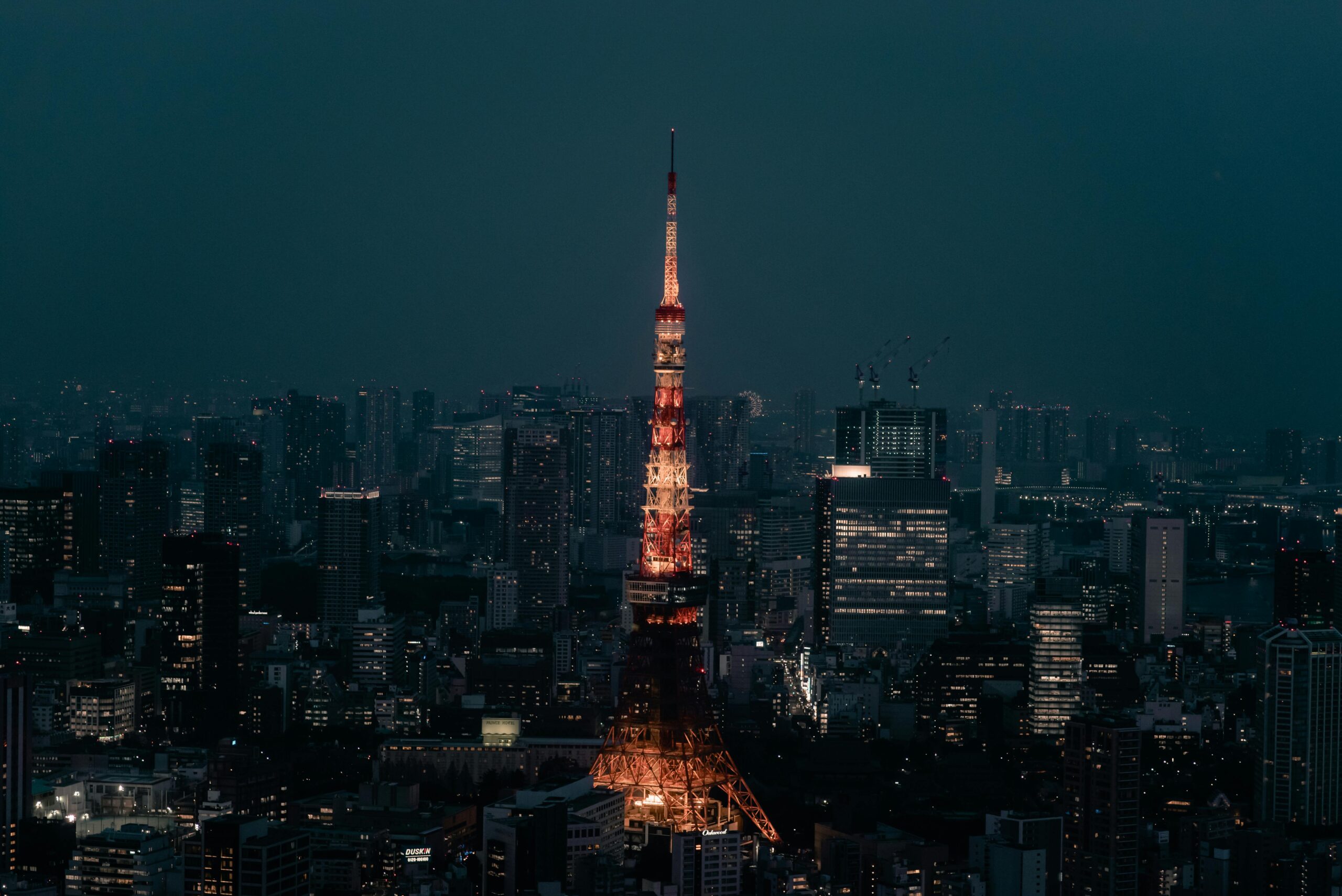
Tokyo weather: what to expect and what to pack
Tokyo weather varies enough that packing smartly will save you discomfort. Layers are your friend during spring and autumn; a light waterproof jacket is useful in June, and a compact umbrella is essential during the rainy season and typhoon-prone weeks.
Summer calls for breathable clothing and sun protection—wide-brim hats, sunscreen, and a small portable fan can improve comfort during festival evenings. In winter, bring a warm coat, scarf, and gloves for evening walks in neighborhoods like Ginza or Shibuya.
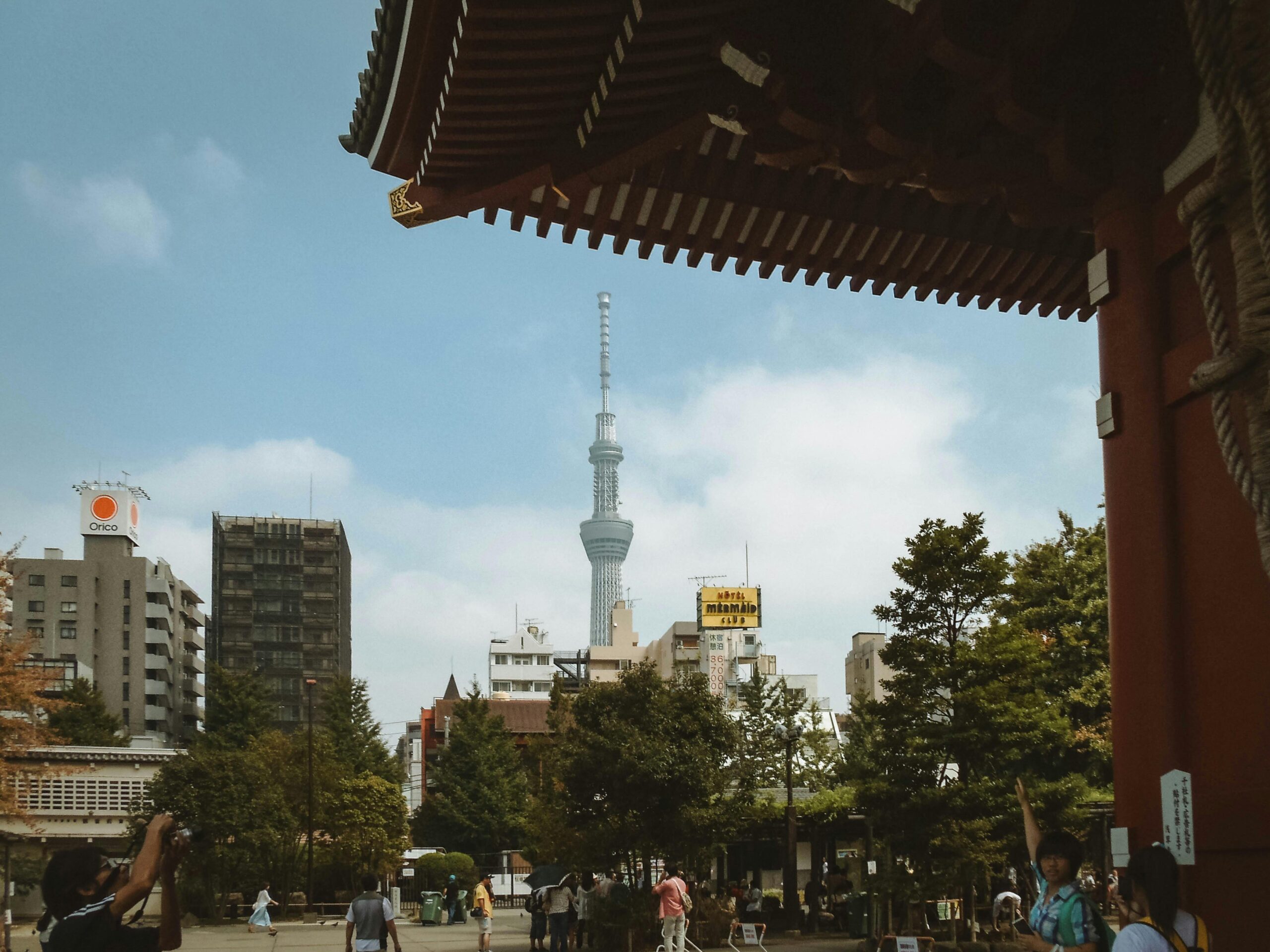
Crowds and Tokyo tourist season: planning around peak times
Tokyo tourist season peaks around spring cherry blossom weekends, Golden Week (late April–early May), and New Year’s holidays. If you wish to avoid crowds, avoid booking during those windows or plan to visit major sights early in the morning.
Weekends and national holidays draw more locals to parks, shrines, and popular neighborhoods. For a quieter experience, travel midweek and focus on less tourist-heavy areas like Yanaka, Koenji, or the newer Tokyo waterfront districts early in the day.
If attending a specific festival is important, check local schedules months ahead because accommodations and attractions can sell out fast. For general sight-seeing with fewer tourists, aim for late autumn weekdays or winter months outside the end-of-year rush.
Tokyo travel cost: budgeting and typical expenses
Tokyo travel cost can vary widely depending on accommodation style, dining choices, and how many paid activities you plan. On average, budget travelers might aim for JPY 8,000–15,000 per day, mid-range travelers JPY 20,000–35,000, and luxury travelers considerably more.
Accommodation is often the largest variable. Booking early and comparing neighborhoods helps control cost—staying a little outside central wards and using efficient public transit can reduce nightly rates without sacrificing much convenience. You can view a wide range of lodging options and seasonal prices on sites that list city hotels and apartments, which is a good step when finalizing dates and a daily budget: hotel and apartment options in Tokyo.
Other typical costs:
- Transport: Suica/Pasmo cards for trains and buses—daily costs depend on travel distance but plan JPY 500–1,500 for local sightseeing days.
- Food: Convenience-store meals can be JPY 500–1,000; casual restaurants JPY 1,000–3,000 per meal; mid-range restaurants JPY 3,000–6,000 for a multi-course meal.
- Attractions: Many shrines and parks are free; paid experiences (museums, observation decks, themed cafes) vary from JPY 500 to JPY 3,000+
To compare accommodations and lock in rates around your preferred travel window, it helps to check booking platforms that show availability across Tokyo neighborhoods and seasons: compare accommodations in Tokyo.
Special events, festivals, and seasonal highlights
Timing your trip for a festival can enrich the experience. Notable annual highlights include:
- Cherry blossom viewing (hanami) in late March–early April across Ueno Park, Chidorigafuchi, and Sumida Park.
- Sumida River Fireworks in late July, a major summer spectacle with tens of thousands of spectators.
- Autumn foliage in Meiji Jingu Gaien, Rikugien Garden, and along the Meguro River from late October to November.
- New Year shrine visits (hatsumode) in early January, when shrines like Meiji Jingu draw huge crowds; quieter alternatives are smaller local shrines.
For cultural calendars, official city tourism pages and local event listings update schedules and ticketing information in advance, which helps when planning around specific events.
Practical tips for choosing the best travel dates
Weigh these considerations when picking dates:
- Prioritize weather if you plan extensive walking tours or day trips to nearby attractions like Nikko or Hakone.
- Choose shoulder seasons for a balance of milder Tokyo weather and fewer crowds.
- Book early for stays during cherry blossom weeks, Golden Week, and major festivals—availability and prices shift quickly.
- Factor in public holidays: local holidays can make transport and attractions busier, but they also provide lively cultural events.
To get the best accommodation value, compare dates and neighborhoods and consider what you’ll prioritize—central convenience, lower Tokyo travel cost, or a more authentic neighborhood vibe. Checking hotel listings and availability in advance helps lock in the combination of price and location that suits your itinerary: search Tokyo accommodations and dates.
FAQs
What is the single best month to visit Tokyo?
If you must pick one month, late October to early November is often ideal—comfortable temperatures, lower humidity, and striking autumn colors while avoiding summer’s heat and the spring blossom crowds.
When are cherry blossoms in Tokyo?
Cherry blossoms usually peak between late March and early April in Tokyo, but timing varies year to year based on temperatures. Peak bloom windows are typically one to two weeks long at central parks and riverbanks.
How hot does Tokyo get in summer?
July and August commonly see daytime highs above 30°C (86°F) with high humidity. Rainfall is frequent in June, and typhoons can bring heavy rain and wind in late summer—dress for heat and bring light rain protection.
Are there months with lower travel costs for Tokyo?
Winter months excluding the New Year holiday (January–February) and late summer shoulder weeks (late August to September, outside specific festivals) typically offer lower accommodation rates and fewer tourists.
Is Tokyo family-friendly year-round?
Yes—Tokyo offers year-round family attractions such as Ueno Zoo, teamLab Borderless exhibits, theme parks nearby, and many parks. Choose spring or autumn for more comfortable outdoor days if traveling with young children.
Conclusion
Choosing the best time to visit Tokyo comes down to priorities: cherry blossoms and spring festivals, autumn foliage and mild weather, lively summer events, or low-season savings in winter. Shoulder seasons—late March to early April and October to November—provide the best balance of pleasant Tokyo weather and manageable crowds for most travelers. Plan ahead for popular dates, compare accommodation options for cost savings, and pack thoughtfully for the season you choose. With a little planning, Tokyo rewards visitors any time of year.