Deciding the best time to visit Toronto depends on what you want from the trip: warm-weather festivals, quieter museum days, or lower prices. The city’s seasons offer very different experiences, and planning around Toronto weather, crowd patterns and event calendars will help you get the most from your visit.
This guide breaks down what to expect month by month, how Toronto tourist season affects crowds and costs, practical packing and transit tips, and ways to save on accommodation and attractions. Use these pointers to choose the right window for your interests—whether that’s summer street life or crisp autumn walks along the waterfront.
When to go: overview of seasons and crowds
Toronto has four distinct seasons. Summers (June–August) are warm to hot and draw the biggest crowds for outdoor festivals, while winters (December–February) can be cold with snow and fewer tourists. Spring and fall are shoulder seasons, offering milder Toronto weather and smaller crowds, which many travelers find ideal.
“Tourist season” in Toronto peaks mid-June through August and during major events like Pride (June) and the Toronto International Film Festival (TIFF) in September, when hotel rates and visitor numbers spike. If your priorities are lower costs and easier museum access, aim for spring (April–May) or fall (September–October).
Spring (March–May): mild weather and fewer crowds
Spring brings gradually warming temperatures and the first signs of green along the Lake Ontario waterfront. March can still feel wintry, but by April and May you’ll enjoy comfortable daytime highs and blooming urban parks. This is a good time for walkers and cyclists to explore neighborhoods like the Distillery District and Kensington Market without summer crowds.
Events are fewer than in summer, but spring offers neighborhood markets, cherry blossoms in High Park (typically April), and easier access to indoor attractions like the Royal Ontario Museum and Art Gallery of Ontario. Expect lower Toronto travel cost on hotels and flights than in peak summer months.
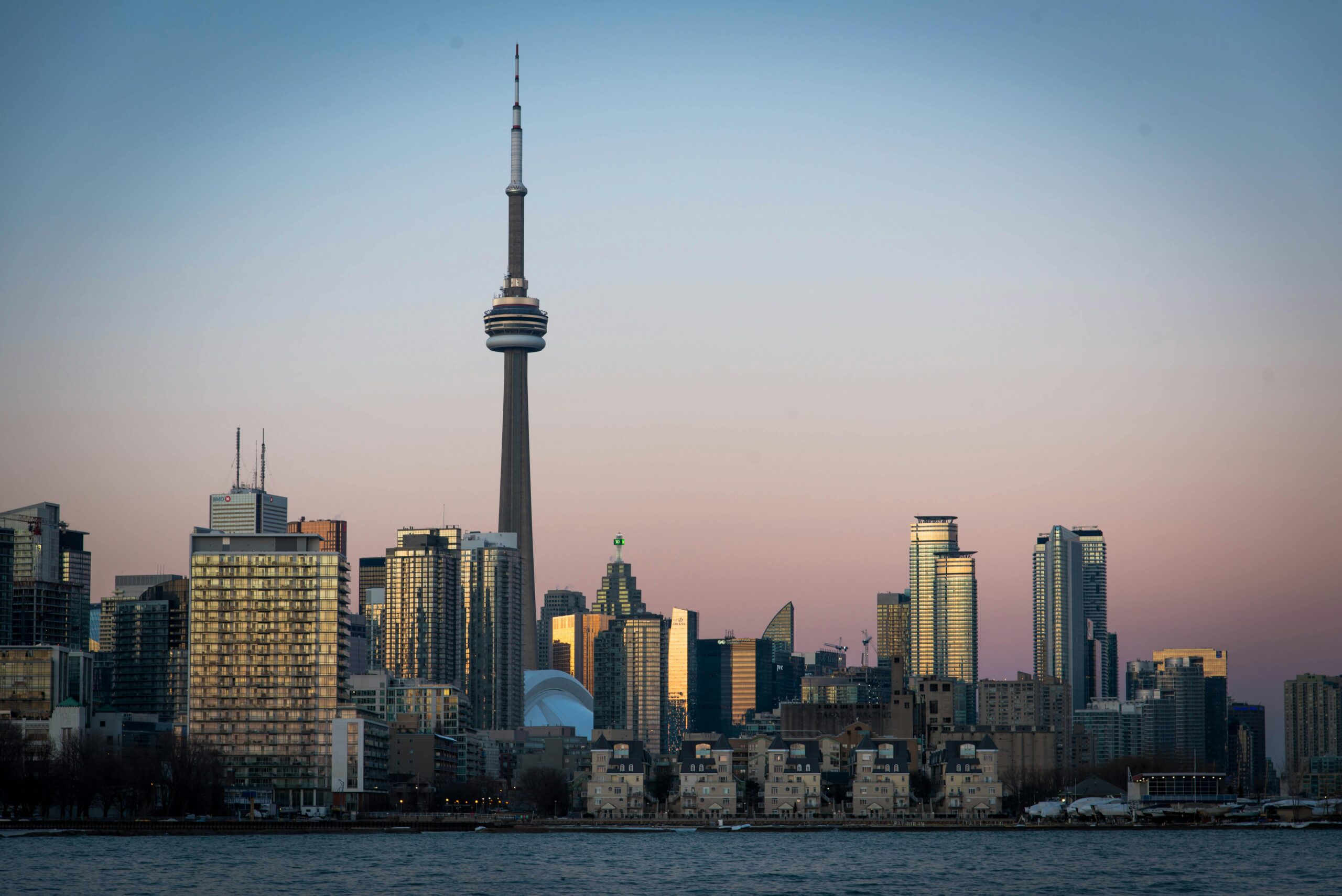
Summer (June–August): peak season, festivals and warm weather
Summer is the busiest time to visit Toronto. Long daylight hours, warm Toronto weather (often into the mid-20s to low 30s °C / 70s–80s °F) and a packed event calendar make the city lively and energetic. Street festivals, outdoor concerts, and patio culture dominate, and neighborhoods feel animated late into the evening.
That activity brings both perks and trade-offs: outdoor dining and rooftop bars are at their best, but you’ll face higher accommodation prices and larger crowds at major attractions like the CN Tower and Ripley’s Aquarium. If you plan to travel in summer, book tickets and lodging well in advance to secure the options you want.
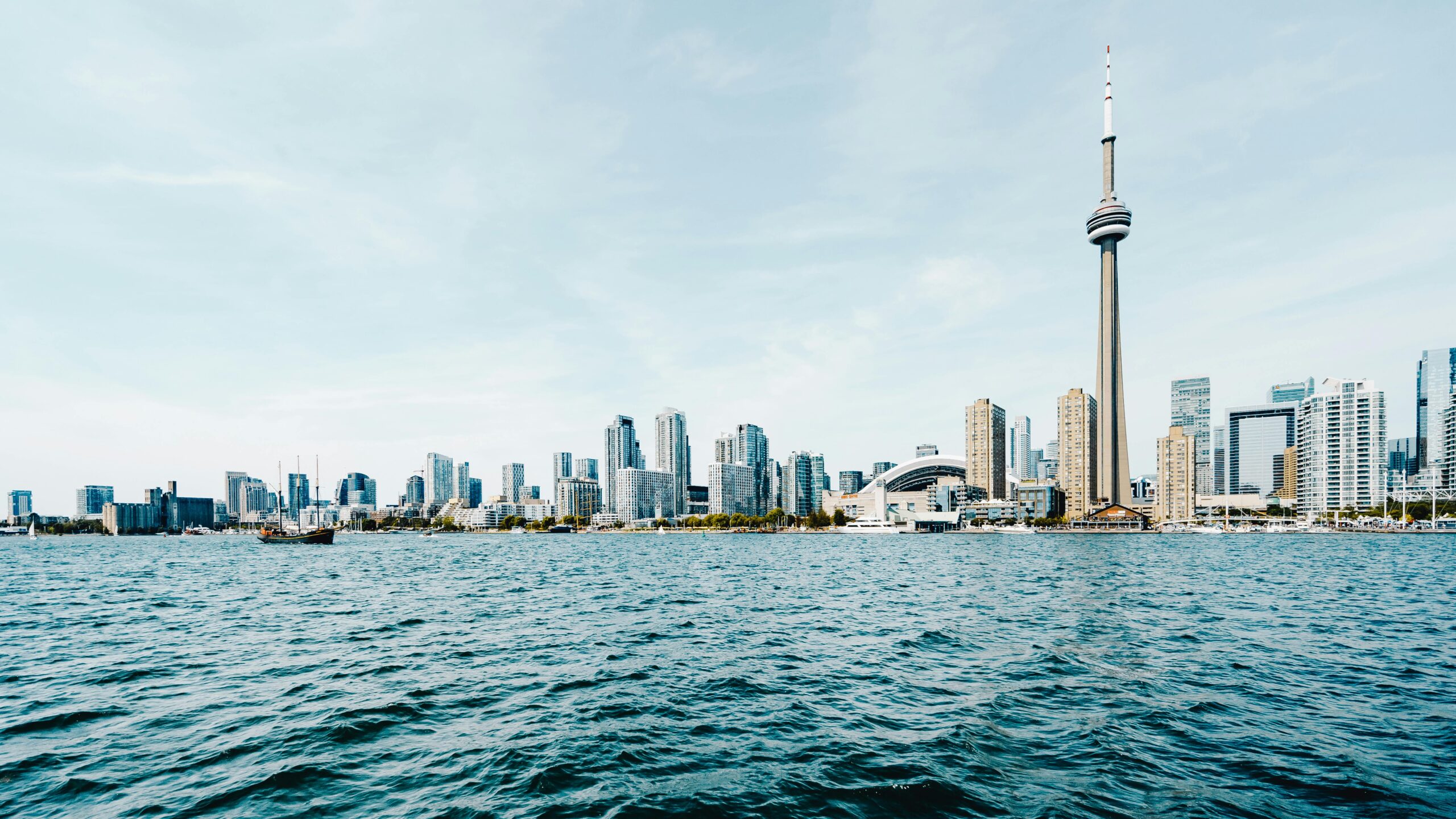
Fall and winter: shoulder season charm and off-peak savings
Fall (September–November) is a favorite for many visitors: crisp air, foliage colors in city parks, and smaller crowds after the summer rush. September still benefits from lingering warmth and major events like TIFF, while October and November move toward sweater weather and fewer tourists.
Winter turns Toronto into an off-peak period for many travelers. Expect cold Toronto weather with temperatures often below freezing, occasional snow and short daylight hours. However, winter has its own attractions—festive markets, ice skating at Nathan Phillips Square, and après-ski-style dining—and it typically delivers the lowest Toronto travel cost on flights and hotels outside holiday weeks.
Budget considerations: Toronto travel cost by season
Toronto travel cost varies significantly by season. Peak summer months and TIFF week in September see the highest hotel and flight prices. For a real-time sense of accommodation options and seasonal rates, check current hotel listings and seasonal rates on reputable booking sites like hotel listings and seasonal rates.
To save money, travel during shoulder months (April–May and October–November) when hotels often lower rates and attractions are less crowded. Midweek stays can also be cheaper than weekend bookings. Consider buying city attraction passes only if your itinerary includes multiple paid sites; sometimes buying tickets a la carte is more economical.
Practical tips: what to pack, getting around and accessibility
Packing depends on the season. Lightweight, layered clothing and a rain jacket work well for spring and fall. Summer needs sun protection and comfortable walking shoes; winter requires a warm coat, insulated boots, and gloves. Regardless of season, carry a compact umbrella and a reusable water bottle for downtown strolling.
Toronto’s public transit network (TTC) — subways, streetcars and buses — is an efficient way to navigate the city, while bike lanes and e-scooter rentals expand options for short trips. If you prefer to compare accommodation options and neighborhood choices before booking, you can compare accommodation options to see what fits your schedule and budget.
Accessibility: numerous museums, galleries and major attractions have accessible entrances and services, but it’s wise to check individual venue websites or contact them in advance for details about elevators, seating and assistance services.
Neighborhood picks by season
- Summer: Waterfront and Harbourfront for outdoor festivals and boat tours.
- Spring: High Park for cherry blossoms and leafy walks.
- Fall: The Annex and Casa Loma area for tree-lined streets and quieter cafés.
- Winter: Distillery District for markets, artisan shops and photogenic architecture.
These neighborhood choices help shape your day-to-day plans and influence accommodation decisions; staying near transit hubs like Union Station reduces travel time to key sights.
Events and timing: plan around festivals and large gatherings
Major events affect both the mood of the city and practicalities like hotel availability. June’s Pride, July’s Caribana-related activities (including the Toronto Caribbean Carnival events), and late summer music festivals attract both local and international visitors. TIFF in September draws film industry attendees and enthusiasts from around the world.
If you prefer quiet exploration, avoid dates of large festivals and conventions. Conversely, if you want to experience Toronto’s cultural vibrancy, time your trip to coincide with a specific festival and secure reservations early.
FAQs
When is the best time to visit Toronto for warm weather and outdoor activities?
Late June through August is the warmest period with the most outdoor events and festivals. If you want reliably warm temperatures and patio culture, summer is the best choice, but expect crowds and higher prices.
Which months offer the lowest Toronto travel cost?
Travel costs are typically lowest in late fall (November, excluding Thanksgiving weekend) and winter (January–February), except for the holiday season in December. Shoulder months like April–May and October can also offer good deals with milder weather.
How does Toronto weather affect sightseeing plans?
Toronto weather influences whether you spend time outdoors or indoors. Summer encourages waterfront and park activities; spring and fall are ideal for walking neighborhoods; winter favors museums, indoor markets and seasonal events. Always check short-term forecasts when packing.
Is Toronto crowded during the Toronto tourist season?
Yes—peak tourist season (mid-June through August and during major events) brings larger crowds at attractions, restaurants and public transit. Visiting during shoulder seasons reduces crowding while keeping most attractions accessible.
Are public transit and attractions accessible year-round?
Yes, public transit operates year-round, and most attractions remain open throughout the year, though schedules and hours can change seasonally. Check attraction websites for any maintenance closures or seasonal hours before visiting.
Conclusion
Choosing the best time to visit Toronto depends on whether you prioritize warm-weather festivals, lower Toronto travel cost, or quieter museum days. Summer delivers energy and outdoor events, spring and fall offer milder weather and fewer crowds, and winter provides unique seasonal experiences with lower off-peak prices. Use the season-by-season breakdown, neighborhood suggestions and practical tips here to match dates with your priorities, book accommodation early for busy periods, and plan for the Toronto weather you’ll encounter.