Deciding the best time to visit Turin depends on what you want from Italy’s elegant Piedmontese capital: mild shoulder seasons with fewer crowds, summer festivals and longer days, or the atmospheric winter that brings fog, truffles and hot chocolate culture. This guide breaks down Turin weather, tourist patterns and travel costs so you can choose months that match your priorities—sightseeing, food and wine, events or budget travel.
Below you’ll find a month-by-month overview, seasonal pros and cons, a realistic look at Turin travel cost, practical tips on avoiding crowds and how public transport and accommodations behave through the Turin tourist season. Use this to plan a trip that fits your calendar and comfort level, whether you’re chasing crisp autumn light or springtime promenades under the city’s elegant porticoes.
Overview: seasons and what they mean
Turin’s climate follows a typical northern-Italy pattern: four distinct seasons with warm summers and chilly winters. Spring (April–June) and autumn (September–October) are widely regarded as the most comfortable for exploring museums, palaces and cafés because temperatures are moderate and the city isn’t as busy as in July and August. Winter can be atmospheric for food-focused travel—think chestnuts, rich chocolate and truffle season—while summer brings open-air festivals and longer daylight but also the peak of the Turin tourist season.
When thinking about the best time to visit Turin, consider what you value most: smaller crowds and mild weather, lower prices, or festival atmosphere and nightlife. Each season offers a distinct experience of the city’s architecture, culinary scene and surrounding wine regions.
Seasonal breakdown: spring, summer, autumn, winter
Spring (March–May): Temperatures rise from cool to pleasantly warm, trees and parks bloom and outdoor terraces open. This is one of the top windows for comfortable sightseeing and fewer queues at the Egyptian Museum and Mole Antonelliana. Expect occasional rain; pack a light waterproof layer.
Summer (June–August): Long days, vibrant street life and festivals make summer attractive, but July and August are the peak Turin tourist season, bringing larger crowds and higher prices for hotels. Afternoon heat can be intense on sun-exposed squares, although evenings are usually pleasant. If you plan to visit in summer, book accommodations and popular tours well in advance.
Autumn (September–November): Early autumn often rivals spring for pleasant weather and fewer visitors. By late October and November temperatures cool, foggy mornings can appear, and the food calendar shifts toward truffles, robust wines and harvest celebrations—excellent for culinary travelers.
Winter (December–February): Winters are cold and occasionally snowy, with cozy indoor attractions and lively cafés. This season suits travelers focused on food, cultural events and lower off-season rates, though some attractions may have reduced hours around holidays.
Turin weather by month: practical month-to-month guide
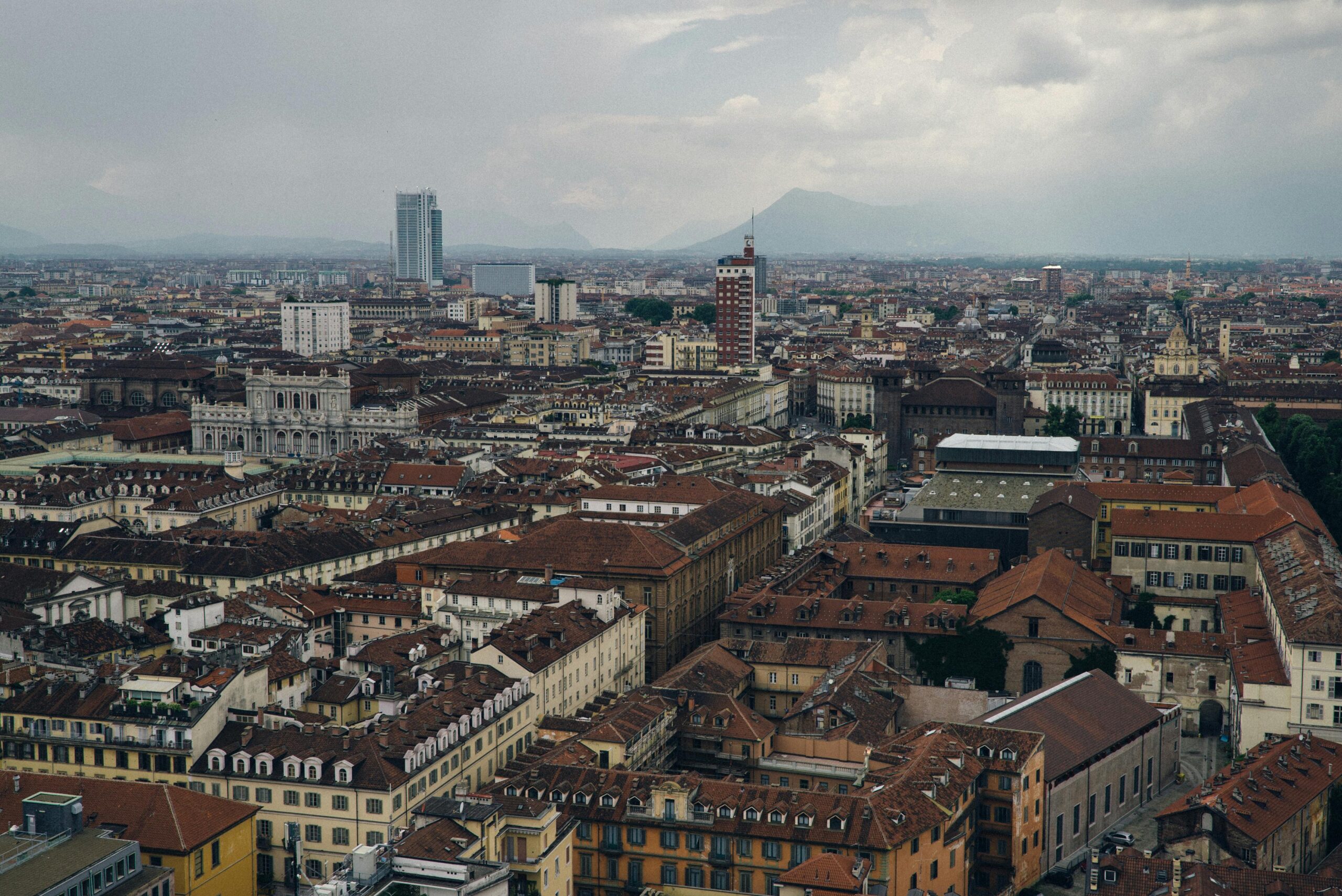
March–April: Cool to mild; ideal for museum visits and fewer crowds. Layers are essential. May–June: Pleasantly warm with long daylight—great for walking along the Po River and exploring markets. July–August: Hotter and busier—plan for siesta hours and late evenings filled with events. September: A top month for many travelers: warm days, crisp nights and grape harvest activity in nearby Langhe. October–November: Cooler, more rain and fog; excellent for truffle seekers and slower sightseeing. December–February: Cold, sometimes snowy; festive holiday markets appear and indoor cultural life thrives.
These month-to-month trends help you pick dates that match the experience you want: quieter exploration and mild weather (May, September), festival energy and long days (June–August), or off-season bargains and culinary depth (November–February).
When to avoid Turin (and when crowds peak)
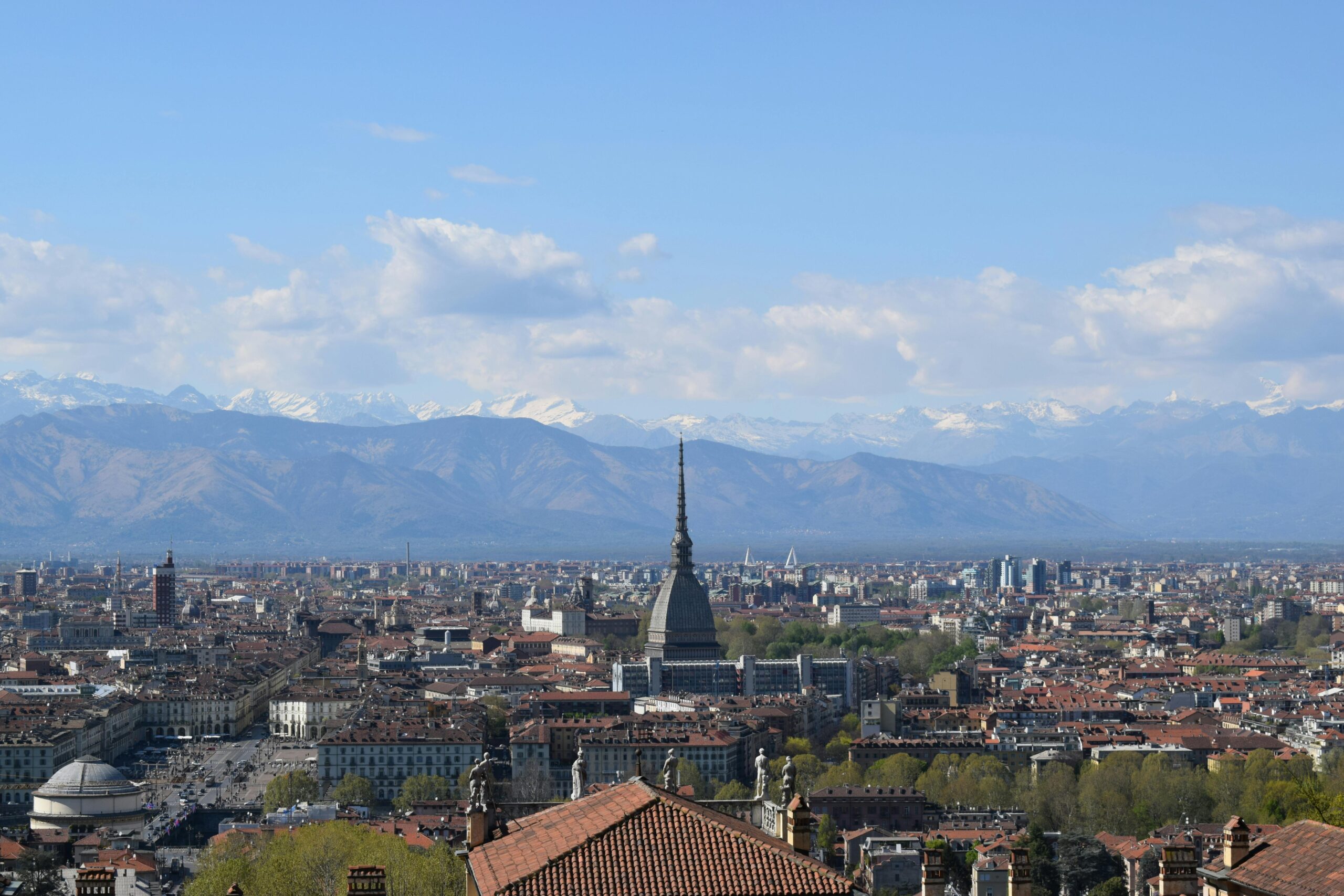
If you prefer empty galleries and short lines, avoid the high summer months of July and August—these see the busiest stretch of the Turin tourist season, with both international tourists and domestic travelers heading to northern Italy. Public holidays and major local events can also cause spikes in visitor numbers; check the calendar before booking if you want a quieter stay.
Winter weekends around Christmas and New Year are another time when local traffic increases, especially around shopping streets and holiday markets. Conversely, late autumn weekdays and mid-winter weekdays bring the lowest crowd levels, but check opening hours for certain attractions which may be reduced.
Turin travel cost: budgeting for different styles of travel
Turin is generally more affordable than Milan and Rome—but costs vary by season. For budget travelers, low-season (November–March) offers the best lodging deals, while shoulder seasons give a balance of moderate pricing and pleasant weather. Expect to pay a range depending on accommodation choice and dining preferences.
- Budget traveler: Approximately €50–€90 per day (hostels, casual dining, public transit).
- Mid-range traveler: Approximately €120–€220 per day (3–4 star hotels, mix of restaurants and paid attractions).
- Comfort/luxury traveler: €250+ per day (4–5 star hotels, fine dining, private tours).
To compare current accommodation options and secure the best rates for your chosen dates, you can find hotels and apartments in Turin through popular booking platforms when you’re ready to lock in dates.
What to pack and practical travel tips
Packing intelligently for Turin depends on the season. Spring and autumn: layers, a light waterproof jacket and comfortable walking shoes. Summer: sun hat, sunscreen and breathable clothing; evenings can be cooler near the river. Winter: a warm coat, gloves and sturdy shoes—snow is infrequent but possible. Always include a plug adapter for Italy’s Type F sockets if you’re traveling from outside Europe.
Public transportation in Turin is efficient; trams, buses and the metro connect major neighborhoods. Consider a multi-day transport pass if you’ll be moving around extensively. For day trips to the Langhe wine region or the Sacra di San Michele, trains and regional buses run regularly—reserve time for travel and check schedules in advance.
If you prefer to compare properties and read reviews before booking, you can search accommodation options and filter by neighborhood, price and traveler rating.
Top activities by season
Spring: Stroll the Valentino Park, visit open-air markets and enjoy alfresco aperitivo along the Po. Cultural venues reopen full schedules after winter, making spring ideal for museum-hopping without summertime crowds.
Summer: Take advantage of outdoor festivals, cinema in the open air and extended dining hours. Day trips to nearby lakes and hills are particularly pleasant when the weather is warm.
Autumn: Food-focused travel shines—truffle fairs, wine harvest events in the surrounding hills and hearty Piedmontese cuisine in city trattorias. Cooler temperatures also make walking tours more comfortable.
Winter: Enjoy rich hot chocolate (a Turin specialty), Christmas markets and indoor cultural attractions. Consider timed visits to popular sites to avoid weekend crowds, and look for seasonal menus highlighting local produce.
FAQs
What month is best to visit Turin for good weather?
Late spring (May–June) and early autumn (September) typically offer the best combination of mild weather and smaller crowds, making those months ideal for outdoor walking, riverbank cafés and visiting major sights without peak-season pressure.
When is the Turin tourist season at its busiest?
The busiest period is summer, especially July and August, when international tourists and domestic travelers flock to northern Italy. Expect higher accommodation prices and more crowded public spaces during these months.
How much should I budget per day while visiting Turin?
Daily travel costs vary: budget travelers can manage on roughly €50–€90 per day, mid-range travelers about €120–€220, and those seeking comfort or luxury should plan for €250+ per day. Costs depend on accommodation choice, dining and activities.
Is Turin a good winter destination?
Yes—if you enjoy food-focused travel, indoor cultural attractions and quieter city streets. Winter highlights include rich Piedmont cuisine, chocolate culture and seasonal markets, though temperatures are colder and some attractions may have shorter hours.
How far is Turin from major Italian hubs and how do I get there?
Turin is well connected by rail and road. High-speed and regional trains link Turin with Milan (about 1–2 hours) and other northern cities; Turin Airport (TRN) serves domestic and European routes. Local trams and buses make it easy to navigate the city.
Conclusion
Choosing the best time to visit Turin comes down to priorities: May–June and September are best for mild weather and fewer crowds; July–August for festivals and long days; and November–February for lower prices and a culinary, indoor-focused experience. Consider your tolerance for heat or cold, interest in seasonal events and budget when planning. With efficient public transport, a rich café culture and easy access to nearby food-and-wine regions, Turin rewards visitors year-round—so pick the window that suits your travel goals and enjoy the city’s elegant squares, museums and flavors.