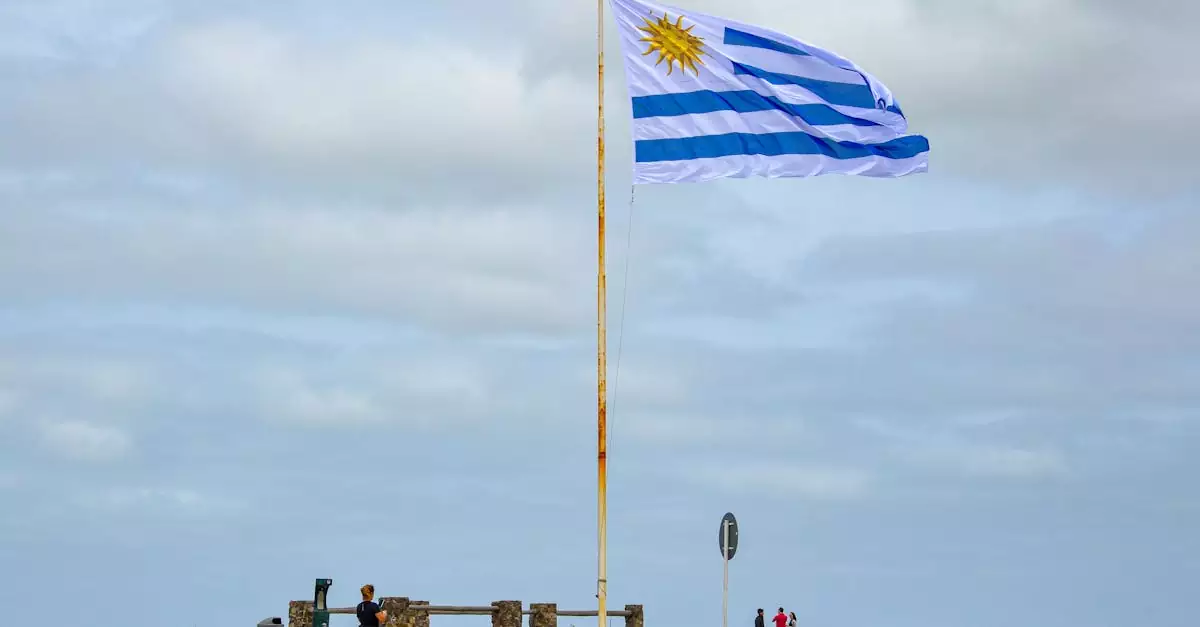
Planning a trip to Uruguay is an exciting adventure, and understanding the best time to visit Uruguay can make your experience even more memorable. This travel guide provides a comprehensive look at Uruguay’s weather by month, ensuring you can choose the perfect season for your interests, whether it’s beach relaxation, cultural festivals, or exploring the country’s vibrant cities. Using official climate data and insights from the national tourism board, this guide aims to help you plan your South American journey with confidence.
Uruguay, located in the southeastern region of South America, is known for its mild climate, beautiful coastline, and friendly atmosphere. Each season offers something unique, from sunny summer days along the Atlantic shore to lively winter events in Montevideo. By understanding Uruguay’s weather patterns and seasonal highlights, you can tailor your trip to match your preferences and make the most of your time in this charming country.
Understanding Uruguay’s Seasons
Uruguay has a temperate climate with four distinct seasons: summer, autumn, winter, and spring. The country’s weather is influenced by its Atlantic coastline, resulting in moderate temperatures year-round. Summers, from December to February, are warm and ideal for beach activities. Autumn, from March to May, brings cooler temperatures and stunning fall foliage, making it a great time for exploring cities and countryside alike.
Winter in Uruguay, from June to August, is generally mild compared to other regions, with daytime temperatures rarely dropping below 10°C (50°F). This season is perfect for cultural events, cozy cafes, and fewer crowds. Spring, from September to November, offers blooming landscapes and pleasant weather, attracting outdoor enthusiasts and festival-goers. Understanding these seasonal variations is key when deciding the best time to visit Uruguay for your travel preferences.
Uruguay Weather by Month: A Detailed Guide
Uruguay’s weather by month varies, but the country generally experiences mild winters and warm summers. In January, temperatures can reach up to 28°C (82°F) along the coast, making it the peak of beach season. February remains warm, with popular events like the Montevideo Carnival bringing the streets to life. March and April see temperatures cooling to around 20°C (68°F), offering comfortable conditions for sightseeing and wine tours.
May marks the transition to winter, with cooler weather and fewer tourists. June, July, and August are the coldest months, but temperatures rarely fall below 6°C (43°F) in most areas. September brings a gradual warming trend, while October and November see spring in full bloom, with temperatures rising to 22°C (72°F). These months are ideal for outdoor activities and local festivals. For more detailed monthly data, the Climate of Uruguay page provides comprehensive statistics.

Summer in Uruguay: Beaches and Festivals
Summer, spanning December to February, is widely regarded as the best time to visit Uruguay for beach lovers and festival enthusiasts. The coastline, including Punta del Este, La Paloma, and Piriápolis, comes alive with both locals and international visitors enjoying the sun and sea. Daytime temperatures typically range from 25°C to 30°C (77°F to 86°F), with refreshing Atlantic breezes making the heat comfortable.
This season is also famous for its vibrant festivals, such as the Montevideo Carnival—one of the longest in the world. Expect lively parades, music, and traditional candombe performances. Coastal towns host food and music festivals, offering a taste of Uruguayan culture against the backdrop of stunning beaches. Accommodations and attractions are in high demand, so booking in advance is recommended during these peak months.
Autumn in Uruguay: Mild Temperatures and Wine Harvests
Autumn, from March to May, is a fantastic time to explore Uruguay for those seeking milder weather and cultural experiences. Temperatures typically range from 15°C to 22°C (59°F to 72°F), creating comfortable conditions for city tours, countryside excursions, and outdoor dining. The landscape transforms with vibrant fall colors, especially in the vineyards and rural areas.
This period coincides with Uruguay’s wine harvest season, particularly in regions like Canelones and Maldonado. Many local wineries offer tours and tastings, allowing visitors to sample Tannat, Uruguay’s signature red wine, amid beautiful autumn scenery. Major cities such as Montevideo and Colonia del Sacramento remain lively but less crowded, offering a more relaxed pace for sightseeing. For detailed information about the country, visit the Uruguay Wikipedia page.
Winter in Uruguay: Cultural Events and Tranquility
Winter in Uruguay, from June to August, is characterized by mild temperatures and a quieter atmosphere. Average daytime temperatures range from 10°C to 15°C (50°F to 59°F), with occasional rainfall. While beach activities are limited, this season is perfect for exploring museums, historic sites, and cozy cafes in Montevideo or Colonia del Sacramento. The cooler weather also adds a unique charm to Uruguay’s countryside, where you can enjoy rural stays and sample hearty local cuisine.
This is the time for cultural immersion, with events like the Montevideo Tango Festival and various art exhibitions taking place throughout the country. Travel costs are generally lower, and popular attractions are less crowded, offering a peaceful and authentic experience. Whether you’re interested in history, gastronomy, or simply relaxing, winter in Uruguay provides a different yet equally rewarding perspective.
Spring in Uruguay: Blooming Landscapes and Outdoor Adventures
Spring, from September to November, is an excellent time for outdoor enthusiasts and nature lovers to visit Uruguay. Temperatures gradually rise from 15°C to 22°C (59°F to 72°F), and the countryside bursts into bloom with colorful wildflowers and green landscapes. National parks, such as Santa Teresa and Quebrada de los Cuervos, become popular destinations for hiking, bird-watching, and picnicking.
Spring is also the season for local festivals celebrating food, music, and art. The pleasant weather makes it ideal for exploring Montevideo’s rambla, cycling along the coast, or taking scenic drives through rural areas. With fewer tourists compared to summer, spring offers a blend of lively events and tranquil natural beauty, making it a great alternative for those seeking an active yet peaceful holiday.
Comparing Seasons: When Should You Visit Uruguay?
Deciding on the best time to visit Uruguay depends on your interests and travel goals. Here’s a comparison table to help you choose the ideal season:
| Season | Months | Average Temperature | Main Attractions | Travel Tips |
|---|---|---|---|---|
| Summer | Dec–Feb | 25–30°C (77–86°F) | Beaches, Festivals | Book early, peak prices |
| Autumn | Mar–May | 15–22°C (59–72°F) | Wine Harvest, Sightseeing | Ideal for food and wine lovers |
| Winter | Jun–Aug | 10–15°C (50–59°F) | Cultural Events, Museums | Lower prices, fewer crowds |
| Spring | Sep–Nov | 15–22°C (59–72°F) | Nature, Outdoor Activities | Great for hiking and festivals |
Each season in Uruguay has its own charm, whether you prefer vibrant summer energy or the peaceful ambiance of winter. Consider your preferred activities and travel style when planning your trip.
Practical Tips for Visiting Uruguay
When planning your trip, keep in mind that Uruguay’s weather can change rapidly, especially along the coast. Packing layers is recommended, as temperatures may vary between day and night. Sunscreen and hats are essential for summer, while a light jacket and umbrella are useful during the cooler, wetter months.
Uruguay is known for its efficient public transportation system, making it easy to travel between cities and beach towns. Renting a car is also a popular option for exploring rural regions and vineyards at your own pace. Currency is the Uruguayan peso (UYU), and credit cards are widely accepted. Tipping is customary in restaurants, usually around 10% of the bill.
Travelers should check local calendars for festivals and public holidays, as these can affect opening hours and accommodation availability. Booking accommodations in advance is highly recommended during major events and the summer season, especially in popular destinations like Punta del Este.
FAQs
What is the best time to visit Uruguay for beaches?
The best time to visit Uruguay for beach activities is during the summer months of December to February. During this period, the weather is warm and sunny, and coastal towns like Punta del Este and La Paloma are lively with events and festivals.
Is Uruguay a good destination in winter?
Yes, Uruguay is a pleasant destination in winter (June to August), especially for those interested in culture, gastronomy, and city exploration. The weather is mild, and tourist sites are less crowded, offering a more relaxed experience.
Are there any major festivals in Uruguay during spring?
Spring in Uruguay (September to November) features several local festivals celebrating music, art, and food. The Montevideo Beer Festival and various rural fairs are popular during this season, attracting locals and visitors alike.
How does the weather in Montevideo compare to the rest of Uruguay?
Montevideo, Uruguay’s capital, generally experiences similar weather to the rest of the country, with mild winters and warm summers. Coastal influences can bring breezes and occasional rain, especially in winter and spring.
Is it necessary to book accommodations in advance in Uruguay?
Booking accommodations in advance is highly recommended during the summer season and major festivals, as popular destinations can fill up quickly. During the quieter winter months, last-minute bookings are usually possible.
Conclusion
Uruguay offers diverse experiences throughout the year, making it a compelling destination for travelers with varied interests. Whether you’re drawn to the vibrant summer beaches, the tranquility of autumn vineyards, the cozy ambiance of winter, or the blooming beauty of spring, understanding Uruguay weather by month ensures you can plan the perfect trip. By considering climate data and seasonal highlights, you can make informed choices and enjoy all that this South American gem has to offer. No matter when you choose to visit, Uruguay’s welcoming culture, scenic landscapes, and unique events promise an unforgettable journey.