Deciding the best time to visit Verona depends on what you want from the trip: warm sunny days for wandering Roman ruins, cooler evenings for wine tastings, or the quiet charm of shoulder seasons when crowds thin and prices fall. Located in northeastern Italy, Verona blends ancient architecture, a lively cultural calendar and easy access to Lake Garda and the Veneto wine country—so timing your visit affects weather, costs and the overall experience.
This guide breaks down Verona weather, tourist seasons, and travel costs month by month, highlights events that shape peak periods, and gives practical tips so you can choose the period that matches your priorities—sightseeing, festivals, budget or relaxed exploration.
When to go: overview and quick recommendations
If you want mild weather and manageable crowds, late spring (May–June) and early autumn (September) are often the best compromise: days are pleasant, many outdoor attractions are fully open, and hotel rates are generally lower than the high summer. Peak summer (July–August) brings hot temperatures and larger international crowds, especially around the Roman Arena during opera season. Winter sees fewer tourists and better prices, but some seasonal closures and chillier temperatures.
For couples and culture lovers, aligning travel dates with Verona’s opera season (June–September) or the Vinitaly events in nearby cities can make a visit exceptional—but these events also push up accommodation demand. If cost and quiet are priorities, consider visiting in November or February when you’ll find lower rates and empty streets ideal for photography and museum visits.
Seasonal breakdown: spring, summer, autumn, winter
Spring (March–May): Spring is one of the most pleasant times for Verona weather. Temperatures climb from cool to comfortably warm, gardens bloom, and outdoor cafés re-open. Expect occasional rain in March and early April, but by May the city is green and lively.
Summer (June–August): High season brings long sunny days and temperatures often in the mid to high 20s°C (mid-70s to mid-80s°F). The Arena hosts open-air concerts and opera, which attract spectators from around the world. Prepare for higher prices, crowded attractions and less shade in the historic center.
Autumn (September–November): Early autumn can feel like a second spring—warm and golden—while late autumn cools and gets wetter. September remains a popular month for wine tourism and outdoor dining, while October and November offer quieter streets and off-season hospitality.
Winter (December–February): Winters are cool and occasionally foggy, with temperatures often hovering around 0–10°C (32–50°F). Festive markets during December are atmospheric, and January–February can be a bargain period for travelers who don’t mind shorter daylight hours.
Verona weather and month-by-month planning
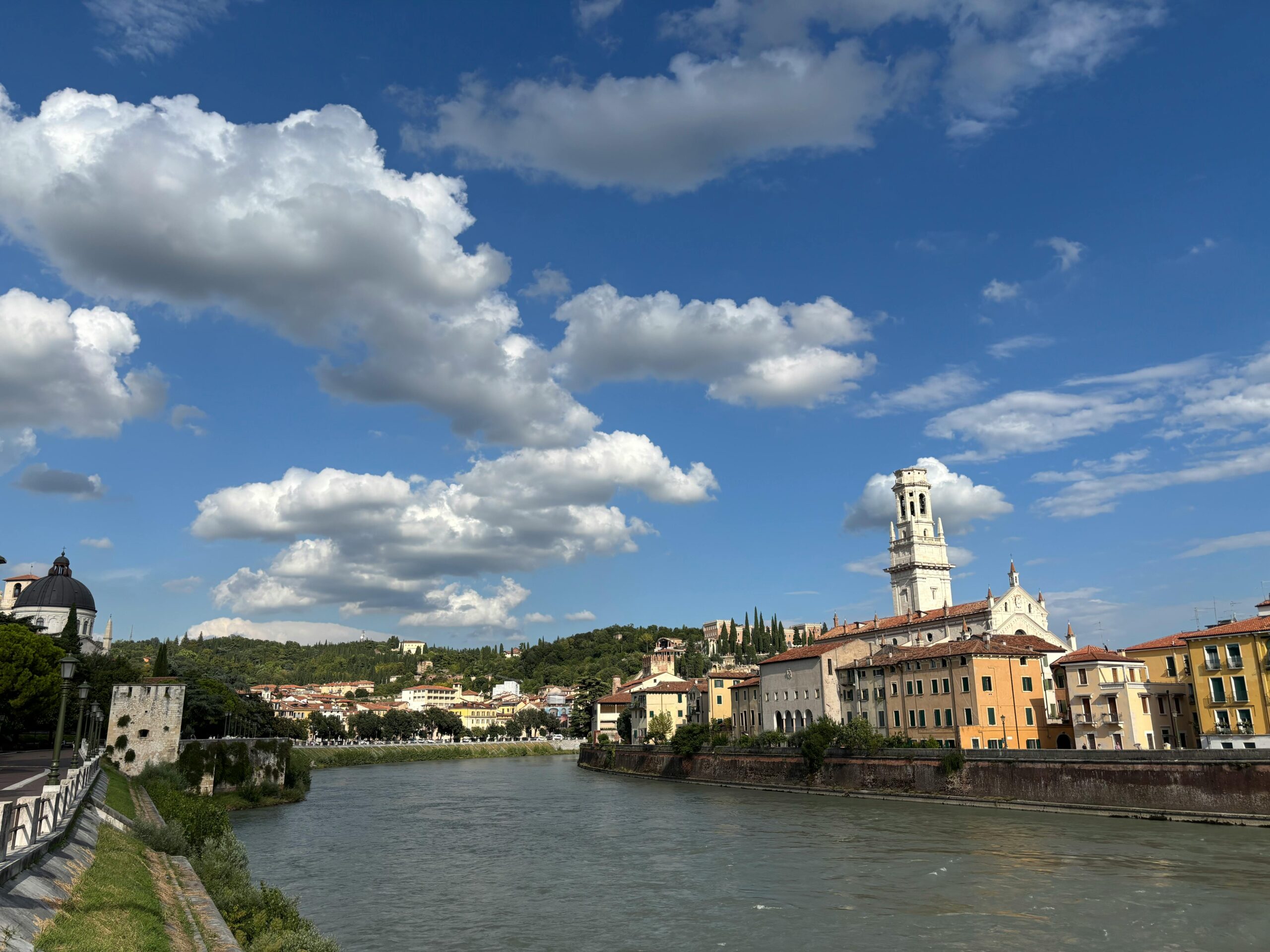
Understanding typical monthly conditions helps you pack and plan daily activities. Here’s a concise month-by-month guide to Verona weather and what to expect:
- January–February: Quiet, cold-ish days; museums and indoor attractions are best. Great for budget travelers and photography without crowds.
- March–April: Unpredictable weather—layers recommended. Early spring festivals start to appear and cafés begin terrace service.
- May: One of the nicest months—mild, fewer crowds than summer, perfect for walking tours and day trips to Lake Garda.
- June–August: Warm to hot, busiest time. Evening opera performances are a highlight but book tickets and accommodation early.
- September: Warm and comfortable; excellent for wine-focused day trips and long walks in historic neighborhoods.
- October–November: Cooler with increasing rain; ideal for slower travel and lower prices.
- December: Festive atmosphere with Christmas markets; daytime weather is crisp but manageable for sightseeing.
For live forecasts and historical climate data to refine specific dates, consult reputable weather services before booking and pack versatile clothing to handle temperature swings between day and night.
Verona tourist season, crowds and major events
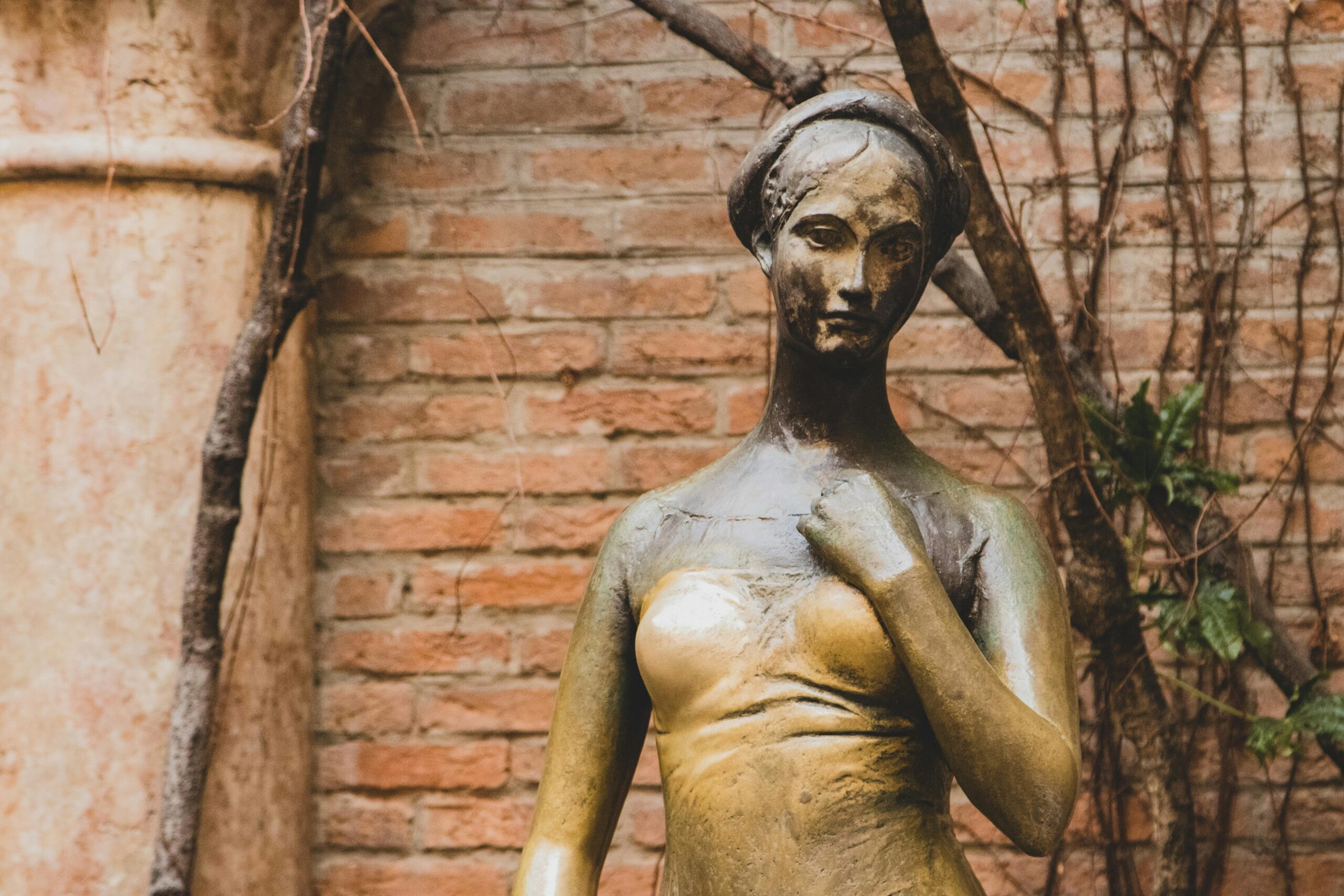
The Verona tourist season peaks in summer, driven largely by cultural programming at the Roman Arena and holiday travel patterns. Key events that raise visitor numbers include the Arena Opera season, summer music festivals, and occasional trade fairs in the region. During these times, expect longer lines, busier restaurants and higher accommodation rates.
For a calmer experience plan visits to popular sites—such as Juliet’s balcony, Piazza delle Erbe and the Castelvecchio Museum—early in the morning or later in the afternoon. If you prefer to visit during an event for the atmosphere, book lodgings and attractions well in advance. For hotel comparisons and availability, many travelers use major accommodation platforms to check dates and prices; for practical booking options see Verona hotels and apartments.
Verona travel cost: budgeting tips and typical expenses
Verona travel cost varies by season. Expect higher nightly rates from June through August and lower prices from November through March. Mid-season (April–May and September–October) can offer the best balance of agreeable weather and reasonable prices. Daily budgets depend on travel style:
- Budget traveler: 60–100 EUR/day — hostel or budget guesthouse, public transit, casual meals, and free/low-cost attractions.
- Mid-range traveler: 120–220 EUR/day — 3-star hotel or private apartment, occasional guided tours, mid-range restaurants.
- Luxury traveler: 250+ EUR/day — boutique or luxury hotels, fine dining, private transfers and guided experiences.
To reduce costs, travel in shoulder months and look for weekday stays rather than weekend bookings. Public transport and walking cover much of the city center, and day-trip trains to nearby towns are affordable. When planning accommodation, it’s wise to compare multiple options; you can check current availability and reviews on major booking platforms such as options for staying in Verona.
What to pack and how to prepare
Packing smart for Verona depends on season. General essentials include comfortable walking shoes (cobblestones are common), a lightweight rain jacket for spring and autumn, and layers for winter mornings and evenings. In summer bring sun protection and a refillable water bottle; many public drinking fountains offer potable water.
If you plan to attend an opera or formal event, pack an outfit suitable for a dressier evening. For day trips to Lake Garda or the Valpolicella wine region, include a packable umbrella and shoes that handle uneven terrain. Always carry a printed or downloadable copy of confirmations for events and accommodations, and check opening hours for museums in off-peak months.
FAQs
When is the warmest month in Verona?
July is typically the warmest month, with average daytime temperatures often in the mid to high 20s°C (mid-70s to mid-80s°F). Heatwaves can push temperatures higher, so plan outdoor activities for early morning or late afternoon during the hottest periods.
Is Verona crowded during the opera season?
Yes. Verona’s Arena opera season draws large audiences from late spring through summer. Expect crowds in the historic center, especially on performance nights. Booking tickets and accommodations well ahead of your trip is recommended if you plan to attend an event.
How much should I budget per day in Verona?
Your daily Verona travel cost depends on accommodation and dining choices. Budget travelers can manage on roughly 60–100 EUR/day, while mid-range visitors often spend 120–220 EUR/day. Costs rise during high season and around major events.
Are there quieter months to visit Verona?
Late autumn (November) and winter months (January–February) are the quietest, with fewer tourists and lower prices. However, some attractions may have reduced hours, so check schedules in advance.
Can I do day trips from Verona year-round?
Yes. Verona’s central location makes Lake Garda, Valpolicella, Mantua and Venice convenient day trips by train or car throughout the year. Seasonal considerations—such as ferry schedules on Lake Garda—may affect plans, so verify local timetables for winter travel.
Conclusion
Choosing the best time to visit Verona depends on whether you prioritize weather, events, crowds or budgets. Late spring and early autumn offer a strong balance of pleasant Verona weather and manageable tourist season pressures, while summer is ideal for opera-goers and festival enthusiasts. Winter visits are quieter and more budget-friendly, though cooler temperatures and shorter days require planning.
Use this guide to match the city’s seasonal rhythm to your travel priorities, book early for major events, and plan flexible days to enjoy Verona’s architecture, food and nearby landscapes regardless of the month you choose.