Planning a trip to the Kingdom of Bhutan raises one recurring question: what will my bhutan tour package cost? Understanding the pricing framework up front helps you budget realistically and choose an itinerary that balances value with the unique cultural and environmental stewardship that define travel in Bhutan.
This article explains the official fees, typical package components, sample itineraries and realistic cost ranges. It uses data from Bhutan’s tourism regulations and the Bhutan Tourism Council to provide a clear, practical bhutan daily sustainable development fee guide and full-package breakdowns so you can plan with confidence.
Understanding Bhutan’s tourism pricing framework
Bhutan follows a regulated pricing model for most visitors that aims to support sustainable development and preserve cultural integrity. For many nationalities the total cost of travel is influenced by two main elements: a daily quota-style fee and the packaged services you choose (accommodation, guide, transport, permits, and activities). The regulated element ensures tourism contributes to education, health and infrastructure in Bhutan rather than encouraging mass, low-cost travel.
Knowing the difference between the mandatory daily Sustainable Development Fee and the optional components of a tour package is the first step in estimating realistic costs. This article breaks those pieces down so you can identify what’s fixed, what’s flexible, and where savings are possible without reducing the quality of your experience.
What is the Sustainable Development Fee (SDF)?
The Sustainable Development Fee (SDF) is a daily per-person charge collected by the Royal Government of Bhutan to fund social programs and conservation projects. The exact SDF varies by nationality and sometimes by season or policy updates, so always confirm current rates with an official operator or the Bhutan Tourism Council before booking.
The SDF is intended to cover long-term public benefits such as rural schools, healthcare, road maintenance and environmental protection. Paying it is a condition of entry for most visitors and the charge is administered through licensed tour operators or through visa/permit processing. This fee is not a service fee and is generally shown separately on your invoice to reflect its public-purpose nature.
What affects a Bhutan tour package cost?
Several factors determine the final bhutan tour package cost. Understanding each lets you tailor a trip that fits your budget and priorities.
- Length of stay: The daily Sustainable Development Fee multiplies with nights in-country, so longer stays raise that component proportionally.
- Season: Peak seasons (spring festivals, autumn trekking windows) typically attract higher accommodation rates and limited availability, which can increase package prices.
- Accommodation standard: Bhutan offers a range from basic guesthouses to luxury lodges. Upgrading rooms often increases the package cost significantly because capacity is limited in many towns.
- Transport and logistics: Private vehicles, domestic flights and remote-region transport add to costs; difficult terrain and small-runway logistics can make some routes pricier.
- Guide and permit fees: Licensed guides, special permits (for restricted valleys or festivals) and entry fees to monasteries or preserves are common line items.
- Group size and private vs. group tours: Small group or privately guided tours cost more on a per-person basis than larger shared-group departures because fixed logistics are distributed across fewer travelers.
These variables combine to create a realistic cost range rather than a single price point. Below we break down a typical package to show how these elements add up.
Typical package cost breakdown
Below is a practical breakdown of costs you are likely to see on an itemized quote. Figures are illustrative; use them to form realistic budget expectations and always request a full invoice before committing.
- Daily Sustainable Development Fee (SDF): A fixed daily rate per person (varies by nationality and policy). This appears as a separate mandatory line item.
- Accommodation: Per-night cost per person based on twin-share or single occupancy. Higher-category hotels and lodges are proportionally more expensive; remote lodge pricing reflects logistics and limited capacity.
- Meals: Often included as a full-board or half-board component. Some higher-end packages include premium dining experiences at an additional cost.
- Private vehicle and driver: Charged per day, shared across travelers. Mountain roads and long-distance transfers increase fuel and driver costs.
- Licensed guide: Typically provided full-time and included in the package. Experienced or specialist guides (e.g., for trekking or birding) may cost more.
- Park, monastery or attraction entry fees: Some sites charge nominal entry or conservation fees that are included or itemized.
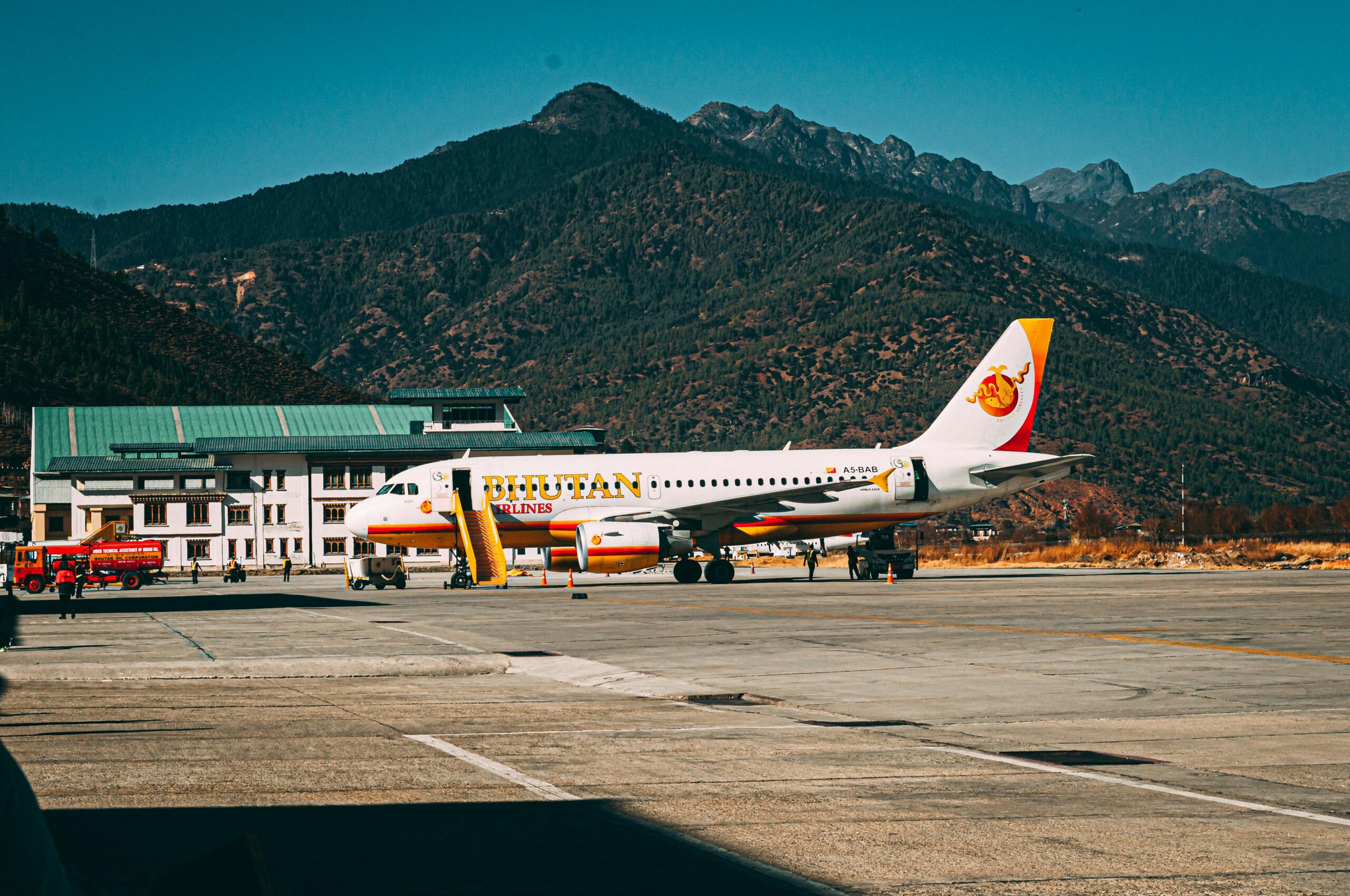
- Domestic flights or special permits: If your itinerary includes a domestic flight (e.g., Druk Air) or special restricted-area permits, these are added as separate items.
To illustrate, a 7-night mid-range itinerary might combine SDF + accommodation + guide + vehicle + meals and produce a total that looks very different depending on choices. We include sample itineraries below to show common price bands.
Sample itineraries and estimated costs
Sample itineraries give a practical sense of what various budgets buy in Bhutan. The SDF is often a predictable daily portion of the total, while accommodations and activities are where budgets vary most.
Budget-minded traveler (7 nights, moderate guesthouses and shared services): expect a package toward the lower end of official regulated options, but remember the fixed SDF still applies. A moderate package typically focuses on Thimphu, Punakha and Paro with day hikes and cultural sites.
Comfort traveler (7–9 nights, 3-star equivalent hotels, private guide/vehicle): this is the most common choice for travelers seeking a balanced experience—comfortable lodging, private transfers and a full-time guide. Many standard itineraries fall into this category.
Premium traveler (8–12 nights, luxury lodges, private experiences, trekking or festival access): top-tier packages include better hotels or exclusive lodges, curated cultural experiences and sometimes domestic flights for speed. These packages reflect higher per-night accommodation and bespoke services.
For curated day tours, excursions and third-party bookable activities inside Bhutan, you can find offerings and availability through established international resellers. For example, you can view current Bhutan tour activities and options on GetYourGuide’s Bhutan page, which lists guided experiences and small-group departures that complement private packages.
Comparison: cost ranges by type and length
Comparing typical package types side-by-side helps travelers choose the best value for their priorities. The table below summarizes common ranges and what each tier typically includes. These figures are estimates to guide planning; reach out to licensed operators for precise quotes based on travel dates and specific requirements.
| Package Type | Duration (nights) | Estimated Per-Person Cost (USD) | Typical Inclusions |
|---|---|---|---|
| Budget / Basic | 5–7 | $900–$1,500 | SDF, basic guesthouses, shared transport, guide, some meals |
| Comfort / Standard | 7–9 | $1,500–$2,500 | SDF, 3-star hotels, private vehicle, guide, most meals, park fees |
| Premium / Luxury | 8–12 | $2,500–$5,000+ | SDF, luxury lodges, private experiences, possible domestic flights, bespoke services |
| Trekking / Adventure | 10–14 | $1,800–$4,000 | SDF (may differ for trekking permits), guides/porters, camping or teahouse stays, specialized logistics |
Note: Variations occur due to seasonal demand, festival surcharges, single-room supplements and special-permit fees for restricted valleys or high-altitude treks.
How to save money without compromising experience
Bhutan’s pricing structure supports sustainability, but there are legitimate ways to manage costs responsibly.
- Travel off-peak: Shoulder seasons often deliver lower rates on accommodations while still offering good weather for sightseeing and trekking.
- Book small-group departures: Joining a small group spreads vehicle and guide costs over more people, lowering per-person expenses.
- Choose mid-range accommodation: Select comfortable but not top-tier hotels—many offer charming local character without the steep price tag of luxury lodges.
- Shorten the trip by a day: SDF is charged daily, so a modest shortening of itinerary can reduce the SDF total without eliminating key highlights.
- Combine guided day tours: For travelers already based in Bhutan for multiple days, arranging local group day outings can be less costly than bespoke private excursions.
Always work with licensed operators and confirm that your SDF and visa arrangements are included to avoid unexpected charges on arrival. For additional activity ideas and group tour options inside Bhutan, check aggregated listings for inspiration at available experiences on GetYourGuide.
FAQs
What exactly does the Sustainable Development Fee cover?
The SDF is a government-managed fee used to fund public goods such as education, health services, road and bridge maintenance and conservation projects. It’s collected to ensure tourism contributes directly to community development and environmental protection across Bhutan.
How much is the SDF per day and who must pay it?
SDF rates can differ by nationality and policy updates. Most visitors must pay the SDF as part of their package, with the fee collected by licensed operators or during permit processing. Always verify current SDF rates with your tour operator or official sources before booking.
Is the SDF refundable if my trip is cancelled?
Refund policies for the SDF depend on your operator’s terms and the timing of cancellation. Because SDF funds are often remitted to government accounts as part of entry processing, refunds may be limited. Confirm refund and cancellation policies when you book.
Can I visit Bhutan independently without a package?
Most travelers cannot enter Bhutan entirely independently. The standard practice requires booking through a licensed operator who arranges permits, guides and logistics. Exceptions for certain nationalities or under special programs may exist, so check current regulations with the Bhutan Tourism Council or an official agent.
Are there additional permits or fees for trekking and festivals?
Yes. Special trekking permits, restricted-area permits and festival access fees may apply depending on your itinerary. Treks in remote regions often require extra logistical support (porters, camping or lodge fees) and permits specific to conservation zones.
Conclusion
Estimating bhutan tour package cost requires understanding the mandatory Sustainable Development Fee and the flexible elements—accommodation, transport, guide services and special permits. Use the breakdowns and sample ranges in this guide to set realistic expectations that align with your travel priorities.
Work with a licensed Bhutan operator and confirm current SDF amounts, permit conditions and any seasonal surcharges. With careful planning you can design a trip that respects Bhutan’s conservation goals, supports local communities and delivers a rich, memorable travel experience without unwelcome surprises on the invoice.