Planning a trip to Hoi An to see the town lit by thousands of floating lights? This guide explains Hoi An lantern festival dates and how the town’s monthly Full Moon Festival works, so you can plan travel around the most atmospheric evenings in Central Vietnam. The festival follows the lunar calendar, and knowing when the full moon falls is the key to experiencing the ancient lantern-lit streets, river offerings, and cultural ceremonies that transform Hoi An each month.
Below you’ll find a detailed, practical Hoi An full moon festival guide Vietnam travelers rely on: how the dates are determined, what happens during the celebrations, the best viewing spots, suggested itineraries and safety and etiquette tips. Content is based on official cultural listings and established visitor information to help you make the most of your visit without surprises.
When is the Hoi An Lantern Festival: dates and schedule
The Hoi An Lantern Festival is held on the 14th day of each lunar month, the evening before the lunar full moon day. Because the lunar calendar does not match the Gregorian calendar, Hoi An lantern festival dates change each month and year. In practice that means the event usually falls around the middle of each lunar month, and the exact Gregorian date shifts by roughly 10–12 days month to month.
For practical planning, many visitors target festival evenings around major public holidays or clear-weather seasons. Popular months to visit include the lunar dates that commonly fall in late spring and autumn on the Gregorian calendar, when the weather in Central Vietnam tends to be drier. To convert a planned travel date into the lunar calendar you can use an online lunar calendar or check with local hotels and tour desks in Hoi An, which typically post the month’s festival evenings.
On the night of the festival the main old town area — especially along the Hoai River, Japanese Covered Bridge and the riverbank streets — becomes pedestrian-only for several hours. Ceremonies begin soon after sunset and many activities last until late evening. If you want to release a lantern on the water, expect lines and designated lantern-deposit points; releasing lanterns by the river is permitted at many locations but regulated to keep the river safe and clean.
History and cultural significance of the Full Moon Festival
Hoi An’s lantern tradition dates back centuries to the town’s period as a major trading port. Lanterns were both practical and symbolic: they provided light for nightly commerce and became an artistic expression of prayers for luck, safe voyages and prosperous trade. Over time the monthly full moon observance absorbed local religious and communal rituals, blending Buddhist and Vietnamese folk customs.
Today the monthly lantern evenings are a living cultural practice rather than a tourist invention. Local families, shopkeepers and temples participate by switching off electric displays, lighting paper lanterns, and holding small offerings. The festival is an intimate combination of public celebration and private devotion; watching families politely light incense or float offerings on the river is as much a part of the experience as the colorful parade of lights.
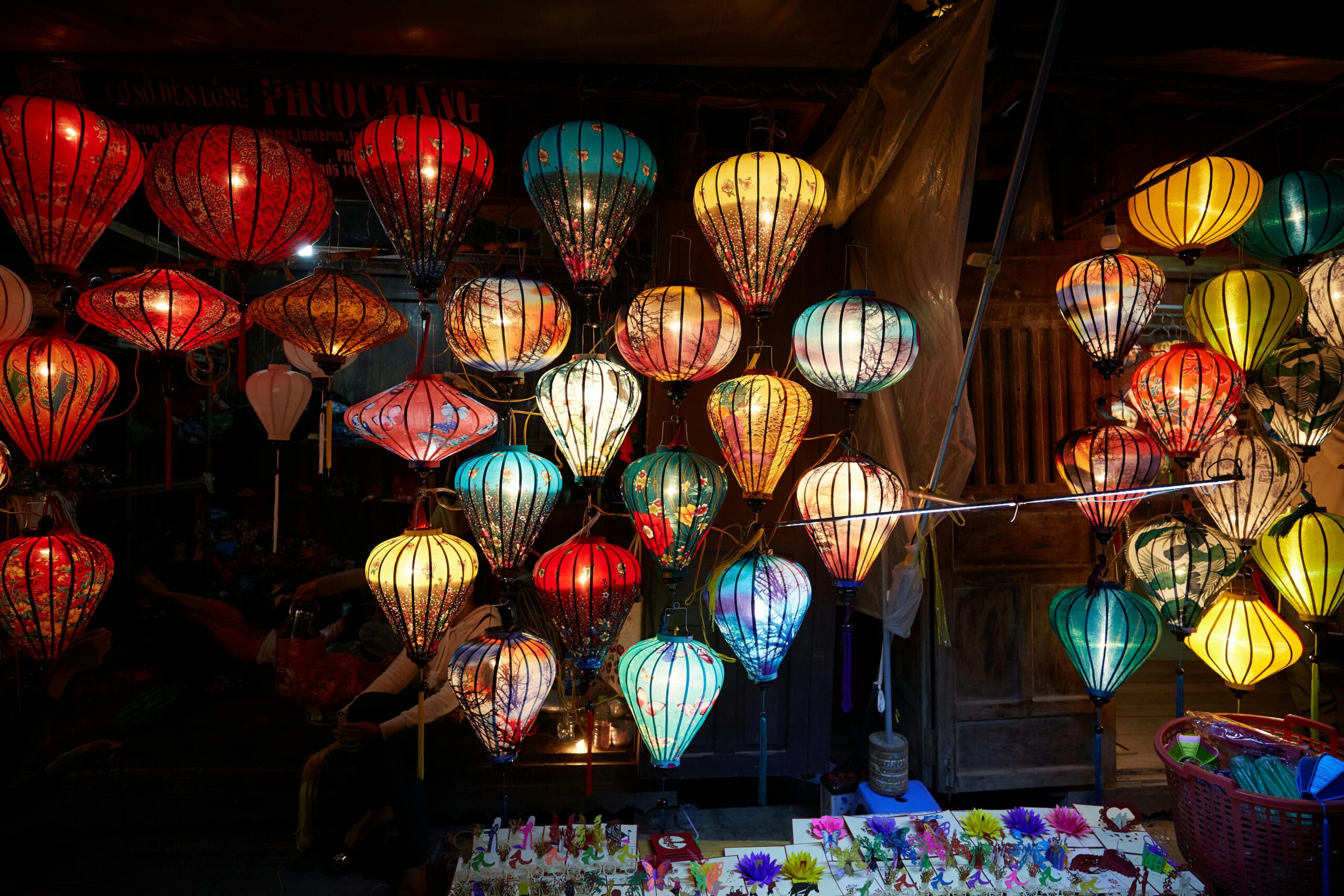
What to expect: rituals, lanterns, performances and river offerings
Expect the old town to fill with foot traffic after sunset. Many streets are closed to motorized vehicles and become pedestrian walking zones. The festival’s core visual features are paper lanterns hung across alleys and strung above streets, small handcrafted boats carrying candles and wishes floated on the Hoai River, and local cultural performances in community spaces and temple courtyards.
Typical festival activities include live traditional music, dance performances tied to religious anniversaries, and occasional staging of folk narratives. Street vendors set up stalls with local foods and lanterns for sale so visitors can take part by releasing their own candle-lit boats. Many temples and communal houses invite visitors for simple ceremonies; some offer paper and pens for writing short prayers or wishes to float on the river in a lantern boat.
Because the event is a monthly recurring ritual, the atmosphere is more locally rooted than many large-scale festivals: you will find families, couples, and older residents taking part in contemplative moments alongside photographers and tourists. Lighting rules and environmental considerations mean that many lanterns are biodegradable or collected after the event; a growing number of community groups and local authorities encourage eco-friendly lantern materials to protect waterways.
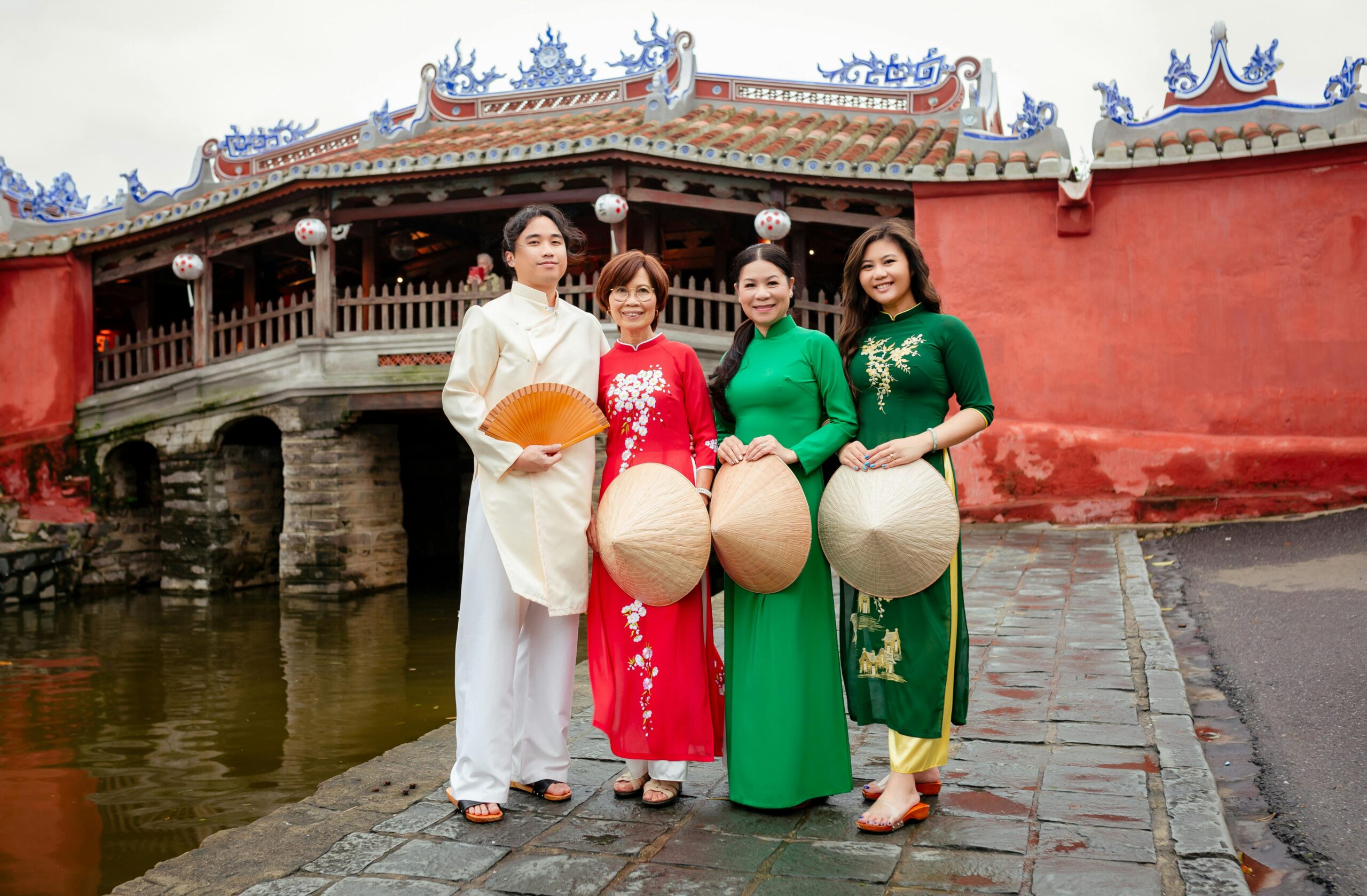
Best places to watch and sample itineraries for lantern evenings
The prime viewing area is the UNESCO-listed old town. Key spots include the Japanese Covered Bridge, the riverbank near An Hoi and Tran Phu streets, and the small alleys that feed the river: these provide both panoramic and intimate perspectives on the lights. Arriving early gives you a better chance of a riverside spot without squeezing through dense crowds.
If you prefer a guided experience that explains the rituals and points out cultural details, local tour operators run evening walking tours and small-group experiences that coincide with the lantern nights. For reliable, locally organized tours that include history and practical logistics, consult established booking platforms where resident guides and operators list Hoi An experiences; these can help you reserve a tour for a specific date and guarantee a knowledgeable local host on festival evenings. Consider booking a tour a few days before your planned festival night to secure a spot.
- Self-guided evening: Arrive in the old town an hour before sunset, stroll along the river, buy a biodegradable lantern, and release it at a designated drop-off point. Stop for street snacks and watch performances in temple courtyards.
- Guided walking tour: A two-hour guided route that includes history, stops at temples, and a lantern release (book in advance to ensure availability).
- Extended cultural night: Combine a sunset river cruise with a guided old-town walk and an arranged local performance or music recital.
Practical tips: transport, accommodation, etiquette and safety
Accommodation close to the old town increases convenience but book well in advance for dates likely to attract extra visitors. Smaller boutique hotels and homestays around the riverside sell out first for festival nights. If you stay outside the historic center, expect short taxi or cyclo rides into the pedestrianized zone—be aware drivers may pause several blocks away during peak crowd periods.
Etiquette is central to the experience. The festival is both tourist attraction and a respectful local ritual. Observe these practical courtesies: keep a polite distance from families making offerings, avoid shining bright lights or flash photography during ceremonies, and use designated lantern-release points rather than tossing materials into the river. Dress comfortably and modestly if you plan to enter temples or religious spaces.
Safety considerations include carrying a small torch or using a phone light to navigate narrow alleys, keeping valuables secure in crowded areas, and supervising children at riverside spots. For river lantern releases, follow official guidance on where to place offerings; local volunteers or police often direct foot traffic and collect floating debris to protect river ecology. For general travel advisories and cultural guidance, you can consult official tourism pages maintained by Vietnam’s national tourism authority to confirm rules and seasonal advisories before travel.
For visitors who prefer organized options that take care of logistics, booking a reputable local guided experience ahead of time ensures a smoother evening: many providers include hotel pickup, a guided old-town walk, and assistance with lanterns and offerings. These options are particularly helpful for travelers with limited time or those who want to combine the lantern festival with other cultural attractions in a single evening.
Comparing the Full Moon (Lantern) Festival with other Hoi An events
Hoi An hosts a range of cultural events across the year; understanding how the monthly lantern night differs will help you plan the best experience for your travel priorities. The monthly full moon night is intimate, frequent, and rooted in religious practice. In contrast, larger annual events—such as Tet (Lunar New Year) or mid-autumn celebrations—feature bigger public programming, parades and often more elaborate displays but attract far larger crowds.
| Aspect | Monthly Lantern (Full Moon) | Major Annual Festivals |
|---|---|---|
| Frequency | Monthly (14th lunar day) | Once a year (e.g., Tet, Mid-Autumn) |
| Scale | Small to medium, community-centered | Large, city-wide, often official programming |
| Atmosphere | Quiet, reflective, atmospheric | Festive, crowded, high energy |
| Best for | Photography, peaceful river floats, cultural immersion | Parades, performances, large-scale cultural showcases |
| Accommodation demand | Moderate — book early for peak months | High — reserve months in advance |
How to choose which lantern night to attend
Choosing the best Hoi An lantern festival date depends on several factors: weather, your travel schedule, and crowd tolerance. If you prefer milder weather and smaller crowds, avoid national holidays and weekends that coincide with the lantern night. If you want more organized programming and larger cultural spectacles, time your visit to coincide with major annual celebrations.
Because the festival follows the lunar calendar, comparing potential Gregorian dates for multiple months can help you lock in a convenient travel window. If you have only one chance to see the lantern night, pick a weekday month-night during the dry season (February to April and September to November are favorable weather windows for Central Vietnam) to balance lower rainfall risk and manageable crowds.
If you want assurance of a curated experience — such as a guided evening that explains rituals and secures a good river spot — consider booking a reputable tour in advance. Local operators list lantern-themed tours that include cultural commentary, which can be especially valuable the first time you attend a full moon night in Hoi An; search local tour platforms to review options and confirm availability for your intended date.
FAQs
When exactly does the Hoi An Lantern Festival take place each month?
The festival falls on the 14th day of each lunar month, on the evening before the lunar full moon. Because this follows the lunar calendar, the corresponding Gregorian date changes month to month. Check a lunar calendar or ask local hosts in Hoi An to confirm the specific Gregorian date during your visit.
Do I need to buy a ticket to attend the lantern night?
Entry to the old town and the lantern scenes is generally free. Some performances or specific cultural venues may charge a small fee. Guided tours or river cruise packages that include lantern activities typically require advance purchase. If you plan to join an organized experience, booking ahead will secure your place.
Can I release my own lantern on the Hoai River?
Yes—many visitors do. Biodegradable lanterns and small paper boat offerings are commonly sold near the river on festival nights, and there are designated drop points for setting them afloat. Follow local guidance and use the official deposit points rather than releasing items directly from bridges to minimize environmental impact.
Is the festival family-friendly, and can children attend?
The lantern nights are family-friendly and many locals attend with children. Take basic safety precautions near river edges and busy pedestrian areas, and keep children supervised. Consider attending earlier in the evening for a calmer atmosphere with smaller crowds.
What is the best way to get to the old town on festival nights?
Walking is often the most convenient option if you are staying nearby. Taxis and cyclos can drop passengers at the edge of the pedestrian zone, and many hotels offer shuttle or bicycle options. Expect limited vehicle access in the old town after sunset, and plan for short walking transfers from drop-off points to riverside viewing spots.
Conclusion
Hoi An’s lantern festival is a recurring cultural experience that blends centuries-old tradition with a peaceful, photogenic atmosphere. Understanding how Hoi An lantern festival dates follow the lunar calendar will help you time your trip and choose the best type of evening—whether a quiet solo walk, a guided cultural tour, or a combined river cruise and performance. Respectful behavior, eco-friendly choices for lantern releases, and a flexible travel plan will make the evening memorable without disrupting local practice.
For practical bookings and organized local experiences that coordinate logistics for festival nights, you can review reputable local tour listings to compare options and reserve a tour for your chosen date. For official cultural guidance and seasonal travel information, consult Vietnam’s national tourism pages to verify any updated regulations or recommended practices before you travel.
Enjoy Hoi An’s lantern-lit nights—plan ahead, respect local traditions, and you’ll witness one of Vietnam’s most atmospheric regular cultural events.
See local Hoi An tours and evening experiences
Visit Vietnam’s official tourism site for cultural and travel guidance