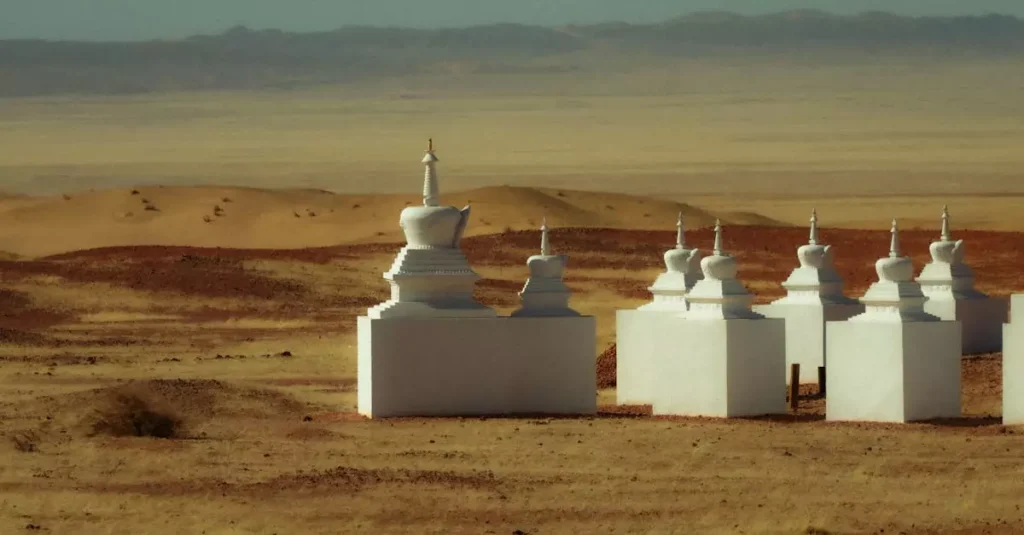

Planning independent travel to Mongolia requires careful consideration of costs, especially when weighing the mongolia independent travel cost against organized tour packages. This vast landlocked nation offers incredible opportunities for adventure travelers, from exploring the Gobi Desert to experiencing nomadic culture in the steppes. However, understanding the financial implications of traveling independently versus joining a guided tour can make or break your Mongolian adventure, particularly when factoring in transportation, accommodation, and the unique challenges of navigating this remote destination.
Independent travel in Mongolia presents both significant cost savings and potential financial pitfalls that many travelers don’t anticipate. While you’ll have complete freedom to explore at your own pace and create a personalized itinerary, you’ll also need to navigate complex logistics, language barriers, and infrastructure limitations that can quickly inflate your budget if not properly planned. The country’s remote location, limited tourist infrastructure outside of Ulaanbaatar, and seasonal accessibility issues all play crucial roles in determining your overall travel expenses.
The decision between independent travel and organized tours in Mongolia isn’t simply about money – it’s about understanding what type of experience you want and what hidden costs might emerge along the way. From visa requirements and international flights to domestic transportation and accommodation in traditional ger camps, every aspect of your Mongolian journey requires careful financial planning. This comprehensive analysis will help you understand the true costs of independent travel in Mongolia and how they compare to tour packages, enabling you to make an informed decision that aligns with both your budget and travel preferences.
Understanding Mongolia’s Tourism Infrastructure and Its Impact on Costs
Mongolia’s tourism infrastructure significantly influences travel costs, particularly for independent travelers who must navigate the country’s unique challenges without the support of organized tour operators. The country’s vast territory, spanning over 1.5 million square kilometers with a population of just 3.3 million people, creates a sparse infrastructure that can be both a blessing and a financial burden for solo adventurers.
Ulaanbaatar, Mongolia’s capital and largest city, serves as the primary hub for most international travelers and offers the most developed tourism infrastructure in the country. Here, you’ll find a reasonable selection of hotels, restaurants, and services catering to international visitors, with prices generally lower than Western standards but higher than many other Asian destinations. Budget accommodations in Ulaanbaatar range from $15-30 per night for hostels and guesthouses, while mid-range hotels typically cost $40-80 per night.
Outside the capital, infrastructure becomes increasingly limited, which directly impacts costs for independent travelers. Many areas lack proper roads, reliable public transportation, and consistent accommodation options. This infrastructure gap means independent travelers often face higher costs for private transportation, specialized equipment, and emergency contingencies that tour operators typically include in their packages. The seasonal nature of Mongolia’s tourism industry, with most activities concentrated between June and September, also creates price fluctuations that independent travelers must carefully consider when budgeting their trips.
Accommodation Costs: Independent Options vs Tour Packages
Accommodation represents one of the most significant cost differences between independent travel and organized tours in Mongolia. Independent travelers have the flexibility to choose from a wide range of options, from budget hostels in Ulaanbaatar to traditional ger camps in the countryside, but this freedom comes with the responsibility of securing bookings and managing quality expectations without tour operator guarantees.
In Ulaanbaatar, independent travelers can find budget accommodations starting around $12-20 per night in hostels or basic guesthouses, while comfortable mid-range hotels typically cost $35-70 per night. Luxury hotels in the capital can reach $100-200 per night, though these are rarely necessary for most travelers. However, the real accommodation challenge for independent travelers emerges when venturing into rural areas, where options become limited and advance booking becomes crucial.
Traditional ger camps, which offer the authentic Mongolian nomadic experience, typically charge independent travelers $30-80 per person per night, including meals. However, many of the best ger camps prioritize tour groups, leaving independent travelers with limited availability or higher prices. Tour packages often secure better rates through bulk bookings and established relationships, potentially offering the same ger camp experience for $20-40 less per night when calculated as part of the overall package cost. Additionally, tour operators frequently include backup accommodation options, which independent travelers must arrange and pay for separately if their primary bookings fall through.

Transportation Expenses: Navigating Mongolia Independently
Transportation costs represent perhaps the most complex and potentially expensive aspect of independent travel in Mongolia, where vast distances, limited infrastructure, and seasonal accessibility create unique financial challenges. The country’s size means that reaching popular destinations like the Gobi Desert, Khuvsgul Lake, or the Orkhon Valley requires significant transportation investments that tour operators can spread across multiple participants.
Domestic flights within Mongolia are limited but can be cost-effective for reaching distant destinations. Flights from Ulaanbaatar to destinations like Dalanzadgad (gateway to the Gobi Desert) cost approximately $150-250 round trip, while flights to other regional centers range from $100-300 depending on the season and availability. However, flight schedules are limited and unreliable, often forcing independent travelers to build expensive contingency plans into their itineraries.
Ground transportation presents the biggest challenge for independent travelers in Mongolia. Renting a 4WD vehicle with a driver typically costs $80-150 per day, depending on the destination and season. For a typical 10-day trip covering major highlights, transportation costs alone can reach $1,000-1,500 per person when traveling solo, or $500-750 per person when sharing costs with other travelers. Public transportation exists but is extremely limited outside of Ulaanbaatar, with irregular bus services to some provincial centers costing $10-30 per journey but adding significant time and complexity to travel plans.
Tour packages typically offer better transportation value through economies of scale, with the same routes and destinations accessible for $400-600 per person when transportation costs are distributed among group members. Additionally, tour operators provide experienced drivers familiar with Mongolia’s challenging terrain and weather conditions, reducing the risk of costly breakdowns or navigation errors that independent travelers might encounter.

Food and Dining Costs Across Different Travel Styles
Food costs in Mongolia vary significantly between independent travel and organized tours, with each approach offering distinct advantages and challenges. Independent travelers have the freedom to choose their dining experiences, from street food and local restaurants to international cuisine in Ulaanbaatar, but they also bear the full cost and responsibility for meal planning, especially in remote areas where options become extremely limited.
In Ulaanbaatar, independent travelers can eat very affordably, with local restaurants offering traditional Mongolian dishes like buuz (steamed dumplings) and khuushuur (fried meat pastries) for $3-8 per meal. Mid-range restaurants serving both Mongolian and international cuisine typically cost $8-15 per meal, while upscale dining experiences can reach $20-40 per person. Street food and market vendors offer even cheaper options, with snacks and light meals available for $1-4, though food safety considerations become important for sensitive travelers.
The dining landscape changes dramatically outside Ulaanbaatar, where independent travelers face limited options and higher relative costs. Small towns and rural areas typically offer basic restaurants with limited menus, charging $5-12 per meal for simple dishes. Many ger camps include meals in their accommodation rates, but independent travelers staying in these camps often pay $15-25 per day for three meals, which, while convenient, may be more expensive than self-catering options if available.
Tour packages typically include most meals, especially in remote areas, which provides both convenience and cost predictability. When calculated separately, tour meal inclusions often represent good value, equivalent to $12-20 per day for three meals, including the logistical benefit of having food arranged in areas where independent travelers might struggle to find adequate dining options. However, independent travelers who enjoy culinary exploration and don’t mind basic accommodations can often eat for significantly less, particularly if they’re comfortable with local food and willing to shop at markets and prepare simple meals when possible.
Activity and Experience Costs: DIY vs Organized Approaches
The cost of activities and experiences in Mongolia varies dramatically between independent travel and organized tours, with each approach offering different value propositions depending on your interests and travel style. Independent travelers have the flexibility to choose exactly which activities to pursue and can often find local operators offering competitive rates, but they also miss out on the bulk booking discounts and seamless logistics that tour operators provide.
Popular activities like horseback riding, camel trekking in the Gobi Desert, and visits to nomadic families can be arranged independently through local operators. Horseback riding typically costs $25-50 per day when arranged directly, while camel trekking experiences range from $30-80 per day depending on the duration and included services. Visits to nomadic families, which provide authentic cultural insights, can often be arranged for $10-20 per person through local contacts or guesthouses, though language barriers may limit the depth of these interactions without a guide.
Specialized experiences like attending the Naadam Festival, visiting remote archaeological sites, or participating in traditional hunting with golden eagles require more complex arrangements that often favor tour operators. Independent travelers can access these experiences but may pay premium rates, with golden eagle hunting experiences costing $200-400 per day when arranged independently, compared to $150-250 per day when included in organized tour packages.
Tour packages typically bundle activities into comprehensive itineraries, offering better overall value for travelers who want to experience multiple activities. A typical 10-day tour including horseback riding, camel trekking, cultural visits, and transportation might cost $1,200-2,000 per person, while arranging the same activities independently could cost $800-1,500 per person, not including the additional time and effort required for coordination. However, independent travelers who focus on specific interests or prefer a slower travel pace can often achieve significant savings by selecting only their most preferred activities.
Hidden Costs and Unexpected Expenses in Independent Travel
Independent travel in Mongolia often involves hidden costs and unexpected expenses that can significantly impact your budget if not properly anticipated. These additional costs, which are typically included or mitigated in organized tour packages, can transform an apparently affordable independent trip into a more expensive adventure than initially planned.
Equipment and gear represent a major hidden cost for independent travelers in Mongolia. The country’s extreme weather conditions, remote locations, and outdoor-focused activities often require specialized equipment that many travelers don’t own. Sleeping bags rated for sub-zero temperatures cost $100-300, while appropriate hiking boots, weather-resistant clothing, and camping gear can easily add $300-600 to your trip budget. Tour operators typically provide necessary equipment or include it in their package prices, while independent travelers must purchase or rent these items separately.
Emergency and contingency costs pose another significant financial risk for independent travelers. Vehicle breakdowns, weather delays, medical emergencies, and communication difficulties can create expensive situations in Mongolia’s remote areas. Emergency vehicle recovery services can cost $200-500, while medical evacuation from remote areas could reach thousands of dollars. Travel insurance becomes crucial for independent travelers, with comprehensive coverage for Mongolia typically costing $50-150 per week, depending on your age and coverage level.
Permit and entry fees for certain areas and activities can also catch independent travelers off guard. Some protected areas and national parks charge entrance fees of $5-15 per person, while certain activities like fishing or hunting require special permits costing $50-200. Additionally, independent travelers often face higher rates for services like guides, translators, and local transportation when booking on short notice or without established relationships that tour operators maintain with local providers.
Seasonal Cost Variations and Budget Planning
Mongolia’s extreme seasonal variations create significant cost fluctuations that affect both independent travelers and tour packages, though independent travelers often face more dramatic price swings due to their limited booking power and flexibility requirements. Understanding these seasonal patterns is crucial for accurate budget planning and can mean the difference between an affordable adventure and a financial strain.
The peak summer season from June to August represents the most expensive time to visit Mongolia, with accommodation costs increasing by 30-50% compared to shoulder seasons. During this period, ger camps that might charge $40 per night in May or September can reach $60-80 per night, while popular hotels in Ulaanbaatar see similar price increases. Independent travelers face particular challenges during peak season, as the best accommodations and services are often booked by tour operators, leaving limited availability at premium prices.
Transportation costs also fluctuate seasonally, with 4WD vehicle rentals and driver services commanding premium rates during the busy summer months. A vehicle and driver that might cost $100 per day in shoulder season can reach $150-180 per day during peak periods, while domestic flights see similar price increases due to limited capacity and high demand. Independent travelers who can travel during shoulder seasons (May, September, and early October) often achieve savings of 20-40% on transportation costs.
Winter travel presents unique cost considerations, with some expenses decreasing due to low demand while others increase due to harsh conditions and limited services. While accommodation and transportation base rates may be lower, the need for specialized cold-weather equipment, higher fuel costs, and limited activity options can offset these savings. Many ger camps and rural accommodations close entirely during winter months, forcing independent travelers to rely on more expensive hotel accommodations or significantly modify their itineraries. Tour operators offering winter programs often provide better value during this season, as they maintain relationships with the limited number of service providers operating year-round.
Real-World Cost Comparison: 10-Day Mongolia Adventure
To illustrate the practical differences between independent travel costs and tour packages, let’s examine a realistic 10-day Mongolia adventure covering Ulaanbaatar, the Gobi Desert, and Khuvsgul Lake. This comparison will help you understand the actual financial implications of each approach and identify which option provides better value for different types of travelers.
For independent travelers, a 10-day Mongolia adventure typically costs $1,200-2,200 per person, depending on accommodation choices, transportation methods, and activity selections. This budget breaks down as follows: accommodation ($300-600), transportation ($400-800), food ($150-300), activities ($200-400), and miscellaneous expenses including gear, permits, and contingencies ($150-300). Solo travelers face the highest costs due to inability to share transportation and accommodation expenses, while couples or small groups can achieve significant savings through cost sharing.
Comparable organized tour packages for the same 10-day itinerary typically range from $1,500-2,800 per person, depending on accommodation standards and group size. These packages usually include all transportation, accommodation, most meals, guided activities, and necessary permits. While the upfront cost may appear higher, the included services often represent good value when compared to the independent traveler’s total expenses, especially when factoring in the convenience and reduced planning time.
The cost differential becomes more complex when examining specific scenarios. Budget-conscious independent travelers who are comfortable with basic accommodations, local food, and minimal activities can complete the same 10-day itinerary for $800-1,200 per person. However, this requires significant compromises on comfort and may limit access to some experiences. Conversely, independent travelers seeking comfort and comprehensive experiences often spend $2,000-3,000 per person, exceeding the cost of equivalent tour packages while requiring substantially more planning and coordination effort.
The value equation also depends on group size and travel style. Solo independent travelers rarely achieve cost advantages over tours, while groups of 3-4 people can often save 20-30% through independent travel. Additionally, independent travelers gain flexibility to extend stays in preferred locations, modify itineraries based on weather or interests, and pursue specific hobbies or interests that may not be included in standard tour packages. This flexibility has value that’s difficult to quantify but may justify higher costs for some travelers.
Money-Saving Strategies for Independent Mongolia Travel
Independent travelers can implement several strategies to reduce costs while maintaining a high-quality Mongolia experience. These approaches require additional planning and flexibility but can result in significant savings compared to both tour packages and unplanned independent travel.
Timing your visit strategically can yield substantial savings, with shoulder seasons (May and September) offering the best balance of reasonable weather and reduced costs. During these periods, accommodation costs drop by 20-40%, transportation becomes more negotiable, and you’ll face less competition for bookings. Additionally, booking accommodations and transportation well in advance, particularly for popular destinations like the Gobi Desert, can secure better rates and ensure availability.
Forming small groups with other independent travelers, either before departure or in Ulaanbaatar, dramatically reduces per-person costs for transportation and accommodation. Many hostels and guesthouses in Ulaanbaatar serve as informal meeting points for travelers seeking to share costs. A group of 3-4 people can reduce transportation costs