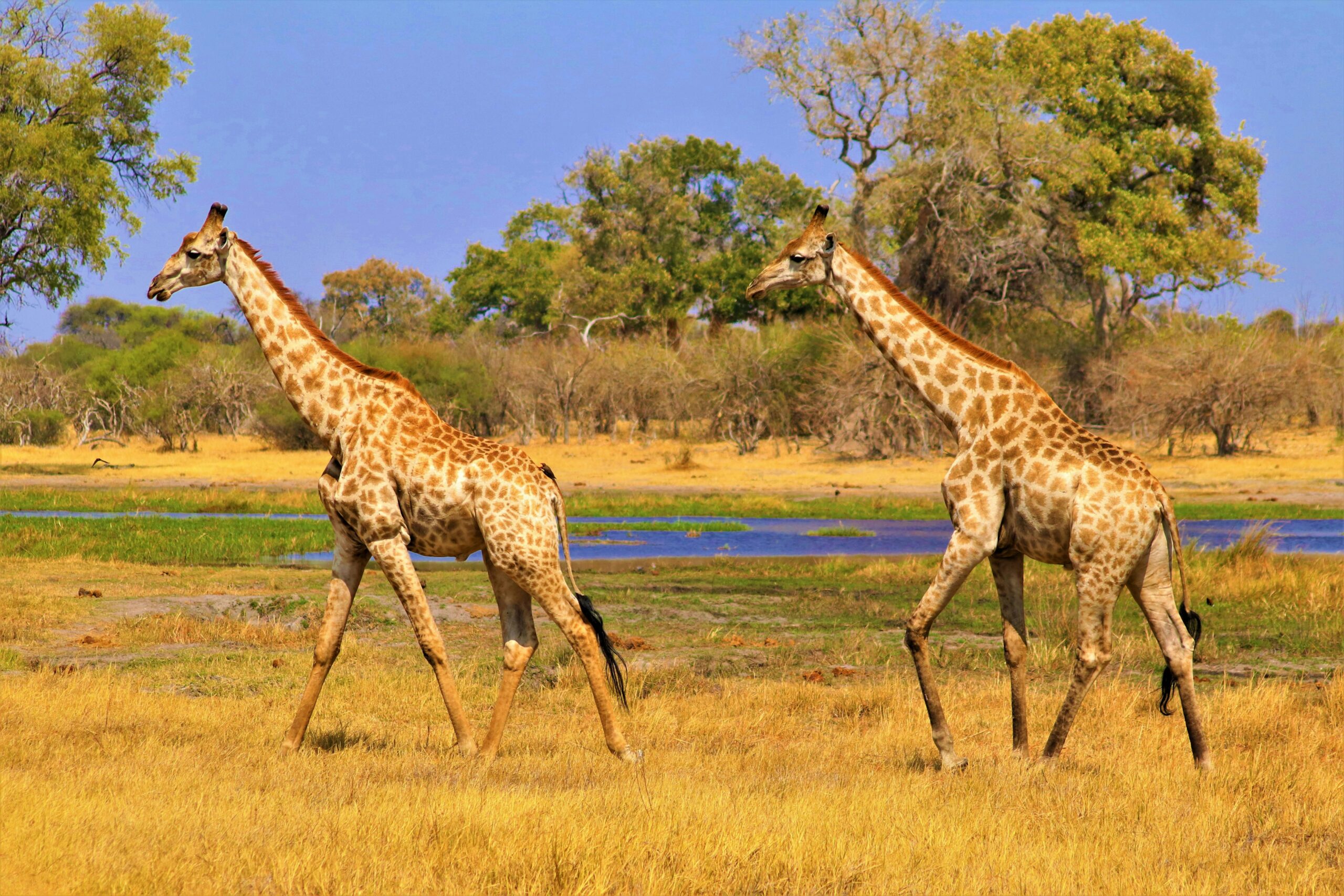
Deciding on an Okavango Delta safari price starts with understanding that the Okavango Delta is unlike most safari landscapes: it is a vast inland wetland with a range of experience styles, from mokoro excursions to fly-in mobile camps. If you are researching okavango delta safari price, this guide draws on licensed safari operators’ data and guidance from the Botswana Tourism Authority to explain typical costs, what is included, and how to choose the right level of comfort and adventure for your budget.
This article breaks down price drivers, compares common safari formats, highlights typical okavango mokoro safari cost, and shows how to budget realistically for transfers, permits, park fees and optional extras. Use the sections below to compare packages and plan with confidence.
Understanding how Okavango Delta safaris are priced
Safari pricing in the Okavango Delta is determined by a combination of capacity-limited lodge or camp rates, seasonal demand, and the cost of logistics for delivering guests into a water-dominated ecosystem. Operators typically quote nightly rates per person based on full-board or all-inclusive packages, and those prices can differ markedly between land-based camps, mobile tented safaris, and mokoro-led excursions.
Licensed operators must cover fuel for boats and vehicles, experienced guides and polers for mokoro trips, conservation levies, and often transfer logistics from Maun (the gateway town). Many reputable camps report rates that include all meals, scheduled game activities, and internal transfers, but exclusions such as international flights, visas, tips, and some premium activities can add to the final budget.
Key factors that affect the okavango delta safari price
Several variables affect the final price you’ll pay for an Okavango Delta safari. Understanding these will help you compare quotes and identify where you can adjust your itinerary to meet a budget or splurge on unique experiences.
- Seasonality: High season (June–October) sees higher rates due to ideal dry-season game viewing; wet season (November–March) can be cheaper but offers different wildlife and birding opportunities.
- Accommodation type: Budget-owned tented camps and public campsites are significantly cheaper than luxury lodges or private island camps that charge premium rates for exclusivity and service levels.
- Transport logistics: Fly-in safaris (charter flights to remote camps) increase the cost versus road-access options from Maun. Transfers can be a major line item.
- Activity mix: Mokoro rides, guided walking safaris, night drives, and boat safaris each carry different staffing and safety requirements that influence price. For example, mokoro trips require trained polers and are often priced per person for scheduled excursions.
- Duration and group size: Per-person rates usually fall when traveling in a pair or small group, but chartering a vehicle or private guide increases the cost.
- Park fees and levies: Botswana conservation levies, local taxes and camp entrance fees are often quoted separately and should be confirmed in any itinerary.
Typical price ranges: budget, mid-range and luxury
To set expectations, here are broad ballpark nightly rates (per person) based on licensed operator reporting and market norms. Rates fluctuate, so use these as planning ranges rather than fixed quotes.
- Budget options: $150–$300 per person per night. Public campsites, community-run camps and low-capacity tented camps often fall in this bracket but may have shared facilities and limited activity schedules.
- Mid-range: $300–$700 per person per night. Comfortable tented camps and smaller lodges typically include most activities and some transfers. Ideal for travelers seeking a balance of comfort and value.
- Luxury and exclusive-use camps: $700–$2,500+ per person per night. High-end island lodges and exclusive mobile camps with private guides, fine dining and bespoke itineraries fall into this range.
For short mokoro excursions from a nearby camp, expect lower incremental costs (sometimes $30–$100 per person for a scheduled excursion). However, full-day mokoro safaris or multi-day mokoro itineraries with polers and support crews can add substantially to a package. If you want a quick way to explore offerings and day-trip options from Maun, check curated listings of excursions and operator pages for availability and current rates on Maun activity pages.
Breakdown: what’s typically included and what’s extra
Seeing what is included in an Okavango Delta safari package helps you evaluate the true cost. Licensed operators often include the following in an all-inclusive package:
- Accommodation and meals (three meals per day, sometimes premium beverages included at luxury camps).
- Scheduled game activities: guided mokoro trips, boat safaris, game drives and guided walks as listed in the itinerary.
- Internal transfers: between nearby airstrips and camps (often included for fly-in safaris) or scheduled road transfers from Maun.
- Park and conservation levies (in many cases included, but confirm as some camps state them separately).
- Local guide and staff costs.
Common exclusions you should budget for:
- International flights to and from Botswana and visas.
- Premium activities or private transfers outside scheduled group movements.
- Gratuities for guides and camp staff.
- Travel insurance, medical evacuation cover and discretionary extras such as premium drinks or boutique items.
| Safari Type | Typical Price Range (pp/night) | Common Inclusions | Typical Mokoro Cost |
|---|---|---|---|
| Public campsite / budget tented camp | $150–$300 | Basic tent, shared facilities, some scheduled drives | $30–$50 per short excursion |
| Mid-range lodge / mobile camp | $300–$700 | Comfortable rooms/tents, most activities, some transfers | $40–$100, often included in package |
| Luxury lodge / private island camp | $700–$2,500+ | All meals, premium activities, private guides, transfers | $50–$200 depending on private or full-day trips |
| Multi-day mokoro itinerary (specialist) | $200–$600+ (varies by support level) | Poler, support boat, camping or riverside tents | Included as core activity |
How to estimate okavango mokoro safari cost for your trip
Okavango mokoro safari cost depends on whether the mokoro is a short ride from a lodge, a scheduled activity, or a multi-day expedition. Single-mokoro excursions organized by a lodge for guests are often bundled into the daily activity schedule at little or no additional charge for lodge guests. By contrast, standalone mokoro safaris organized from Maun as a day trip may be priced per person and frequently include return transfers, a poler, light refreshments and basic park fees.
When budgeting, ask the operator the following questions: How long is the mokoro experience? Is it shared or private? Are transfers included? Are there seasonal variations and minimum participant requirements? Confirm these details in writing before booking to avoid surprises.
If you prefer to compare and book day trips or short packages departing from Maun, many listings provide clear pricing and reviews to compare itineraries and availability for activities and transfers.
Maun day trips and safaris listings are a practical way to view available excursions and approximate costs for short mokoro and wildlife trips out of the gateway town.
Practical tips to reduce overall safari costs without sacrificing experience
You can reduce your okavango delta safari price with deliberate choices that retain core experiences. Consider these practical approaches:
- Travel in the shoulder season where camps offer lower rates but wildlife viewing remains strong.
- Book a mid-range camp with scheduled activities rather than private-guided options; joining scheduled safaris spreads costs across more guests.
- Choose a road-access camp within reasonable driving distance from Maun rather than a fly-in-only lodge if you want to avoid charter costs.
- Combine activities: many packages include mokoro, boat and walking safaris as a bundle—booking the bundle is often cheaper than paying a la carte.
- Look for multi-night offers and promotions from licensed operators; longer stays sometimes reduce the average nightly rate.
When comparing operators, request a detailed quote that separates inclusions and exclusions. A lower headline price that excludes transfers can quickly become more expensive once all logistics are added.
Booking logistics: transfers, timing and safety considerations
Most visitors use Maun as the transport hub for the Okavango Delta. Transfer options include scheduled road transfers, light aircraft charters, and organized road transfers for fly-in safaris. Light aircraft substantially shorten travel time to remote camps but are one of the main cost drivers: flights to private airstrips can add several hundred dollars per sector.
Safety and conservation considerations are central in the Delta: licensed operators employ trained guides, polers for mokoro and follow Botswana Tourism Authority guidance for park use and wildlife interaction. Always verify that your operator is licensed, that aircraft transfers comply with regulations, and that your insurance covers air charter and medical evacuation when applicable.
For trip planning and available excursions from Maun, review operator listings and schedules to choose realistic transfer windows and confirm baggage allowances for small aircraft. If you need a quick reference for local activity options and reviews, check Maun excursion pages for details and traveler feedback.
Maun excursion options and operator listings are useful starting points when building an itinerary and checking current availability.
FAQs
How much does a basic mokoro ride cost in the Okavango Delta?
Short, scheduled mokoro rides organized by lodges are often provided as part of a guest’s activity program and may be included in the nightly rate. Standalone mokoro trips or private mokoro excursions arranged from Maun commonly range from approximately $30 to $150 per person depending on duration, transfers and whether the trip is private or shared.
Are park fees included in the advertised Okavango Delta safari price?
Sometimes yes, sometimes no. Many all-inclusive lodge rates incorporate park and conservation levies, but some operators quote base rates and list levies separately. Confirm with your booking agent or operator whether park fees are included and whether they are refundable or fixed at the time of booking.
Will flying into a Delta airstrip significantly increase my safari cost?
Yes. Charter flights to remote camps are one of the most significant additions to the base price of a safari. A single light-aircraft leg can cost several hundred dollars per person, and multiple legs or private charters add more. Road transfers are usually less expensive but take longer.
Is the okavango mokoro safari cost negotiable for longer stays or groups?
Many operators offer discounted rates for longer stays, group bookings or low-season travel. It is common to negotiate a package that bundles activities and transfers at a reduced per-night rate for groups or multi-night bookings—always ask for a detailed written quote and confirmation of inclusions.
How should I budget for tips, extras and contingency costs?
Plan to allocate around 5–10% of your total package cost for tips and discretionary spending, plus additional contingency funds for incidental expenses like specialty drinks, personal purchases, or medical needs. Also ensure you have appropriate travel and medical evacuation insurance that covers light-aircraft transfers if you plan to fly into remote camps.
Conclusion
Understanding okavango delta safari price and okavango mokoro safari cost comes down to clarifying the style of safari you want, the season you’ll travel, and the logistics required to reach your chosen camp. Use licensed operators and official guidance from the Botswana Tourism Authority when comparing quotes, verify inclusions such as park levies and transfers, and weigh the value offered by mid-range versus luxury options.
Being deliberate about the mix of activities, the transfer method, and the length of stay will help you manage costs while ensuring you experience the Delta’s unique waterways, wildlife and cultural encounters. With clear quotes and informed choices, you can match your budget to an Okavango Delta itinerary that delivers the wildlife encounters and mokoro experiences you seek.