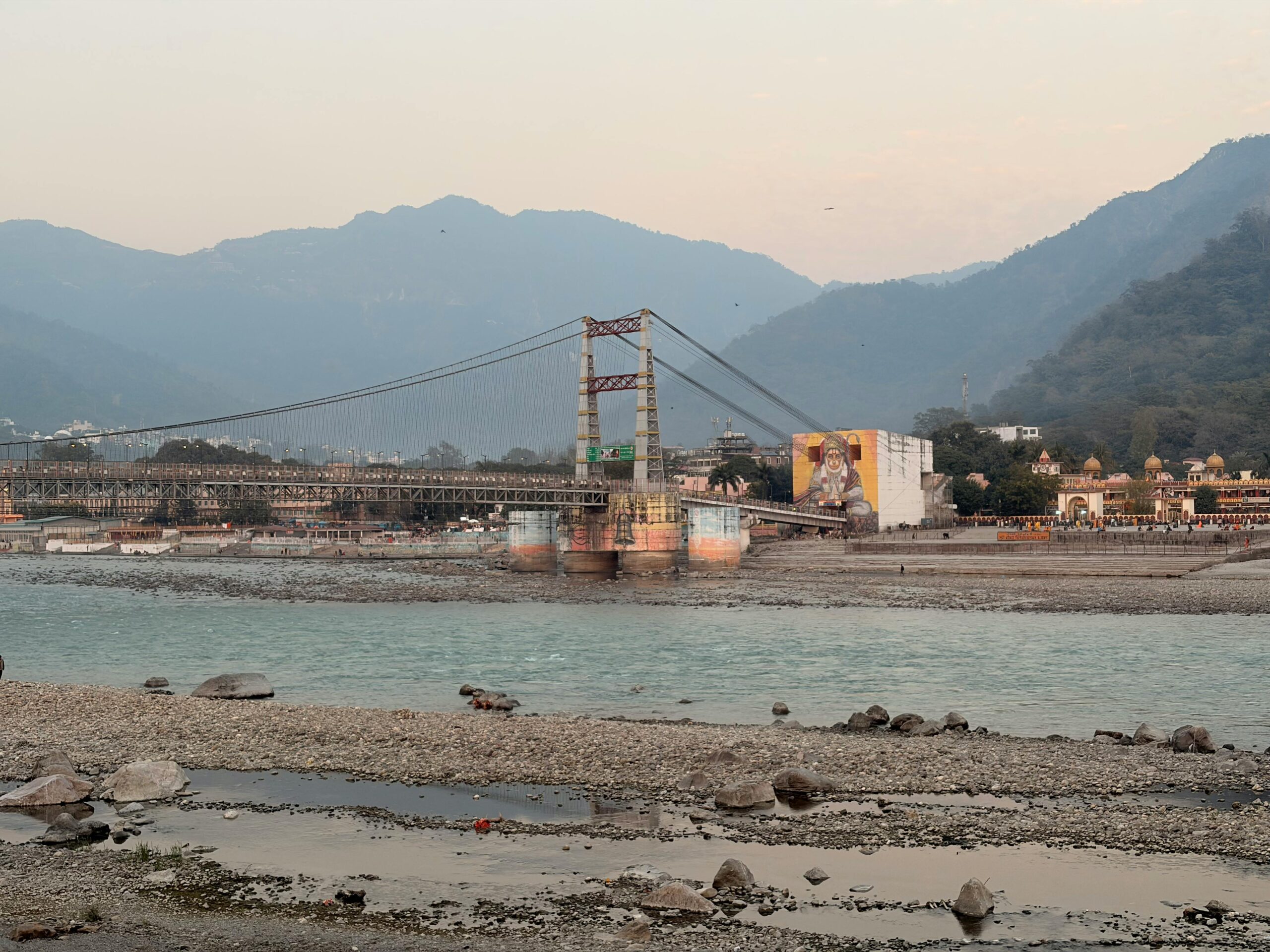
Rishikesh rafting price is one of the first questions travelers ask when planning a trip to this Himalayan gateway. Whether you’re a budget backpacker or a family looking for a safe adventure, understanding how operators set prices, what a typical package includes, and where extra costs appear will help you make a confident decision. This guide compiles licensed operator data and official local guidance so you can compare options and pick the best rafting experience on the Ganga.
Below you’ll find clear cost ranges, explanations of what affects the ganga river rafting cost guide, seasonal tips, safety considerations, booking pathways, and sample itineraries. All information is based on licensed rafting operators and India tourism authority updates to reflect current pricing norms and regulated practices.
Overview: What to Expect from Rafting in Rishikesh
Rishikesh is known for white-water rafting on the Ganga, offering rapids from Grade I to Grade V in short stretches between Kaudiyala and Rishikesh town. Most commercial rafting runs take place on the stretch between Brahmpuri and Rishikesh (short trip), Brahmpuri to Neelkanth, and the longer Kaudiyala to Rishikesh section for more challenging rapids.
Prices typically vary by run length, rapids grade, group size, and included services such as transfers, meals, life jackets, helmets, and guide fees. Licensed operators follow government-set safety protocols and provide certified guides, which can influence cost but greatly increases safety and value.
How the Ganga River Rafting Cost Is Calculated
Understanding how the ganga river rafting cost guide is built helps you compare quotes fairly. Operators price trips based on several components:
- Distance and duration: Short runs (6–8 km) are cheaper than medium (12–18 km) and long runs (26–36 km).
- Rapid difficulty: Sections with more Grade III–V rapids require more experienced guides and often command higher prices.
- Group size and private vs shared boats: Per-person rates usually drop when booked as a group; private raft bookings cost more.
- Included services: Transfers from central Rishikesh, refreshments or meals, on-site storage, and photography can increase the price.
- Equipment and safety: Quality life jackets, helmets, and licensed training for guides are essential and part of regulated costs.
- Seasonal demand: Peak season prices rise due to higher river flow and visitor numbers; off-season discounts may apply.
Local regulation and licensing fees also factor into operator pricing; licensed providers must meet safety criteria set by local authorities and carry relevant insurance, which helps explain price differences between regulated and informal operators.
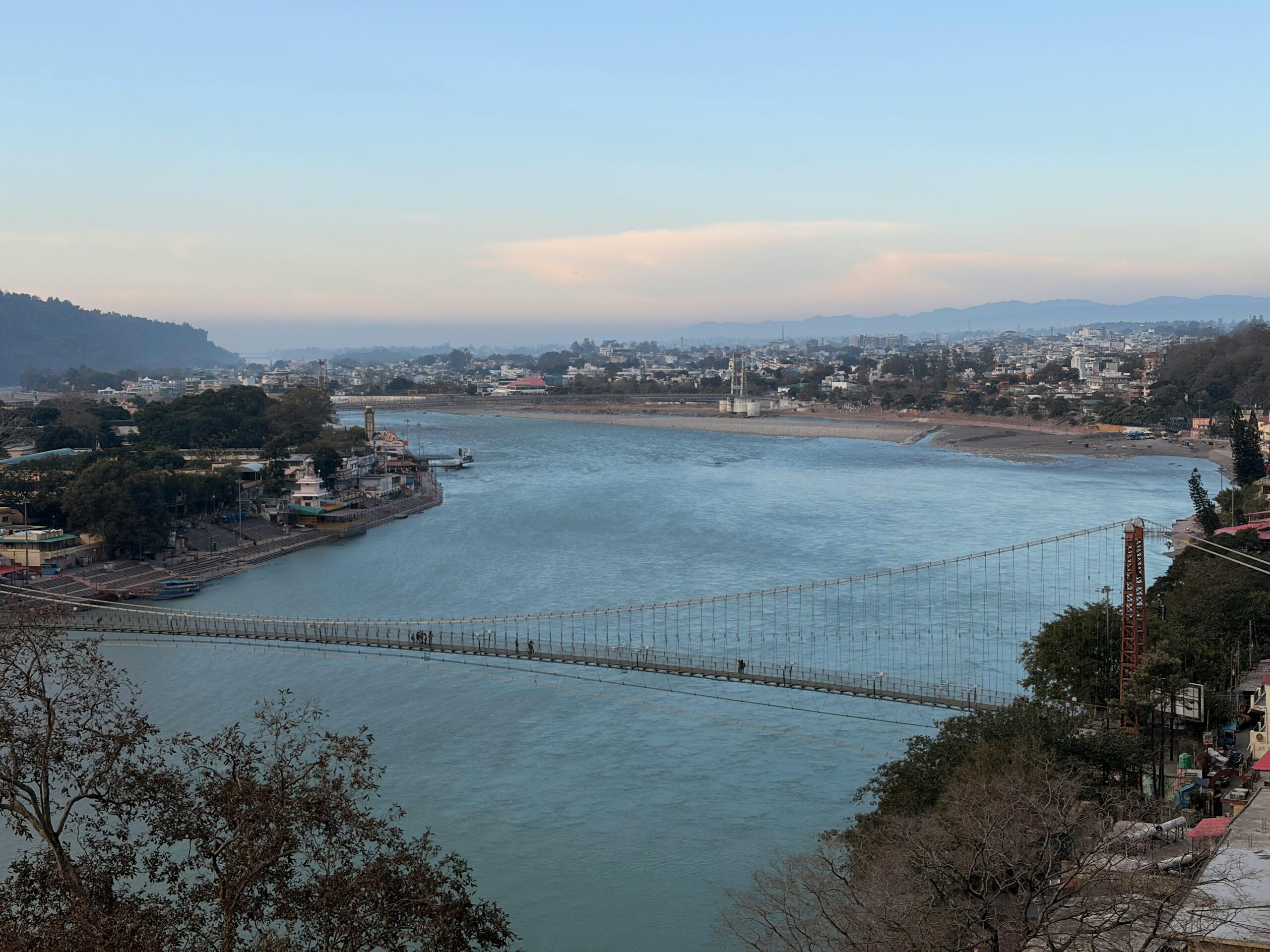
Standard Packages and Typical Rishikesh Rafting Price Ranges
Below are commonly offered packages and representative price ranges assembled from licensed operator rates. Prices are per person and approximate—confirm directly with operators before booking.
- Short White-Water Rafting (6–8 km, 30–45 minutes): Ideal for families and beginners. Typical rishikesh rafting price range: INR 600–1,200 per person.
- Medium Trip (12–18 km, 1.5–3 hours): Includes more rapids and scenic river sections. Price range: INR 1,200–1,800 per person.
- Long Run (26–36 km, 4–6 hours): Full-day adventure with multiple rapids, lunch, and river-side breaks. Price range: INR 2,200–3,500 per person.
- Private Raft Booking: For family groups or private parties; expect to pay a flat fee equivalent to 4–8 times the per-person shared rate depending on raft capacity and distance.
- Combo Packages: Rafting combined with camping, bonfires, or trekking can range from INR 3,000 up to INR 7,000 per person depending on inclusions.
These ranges reflect licensed offerings and typically include guide fees, life jackets, helmets, and basic transfers. Extras such as professional photography, upgraded meals, or private vehicles are charged separately. For curated, user-reviewed experiences and to compare providers, many travelers consult aggregated listings and booking platforms before deciding.
Seasonal Variations: When Prices Rise and When You Can Save
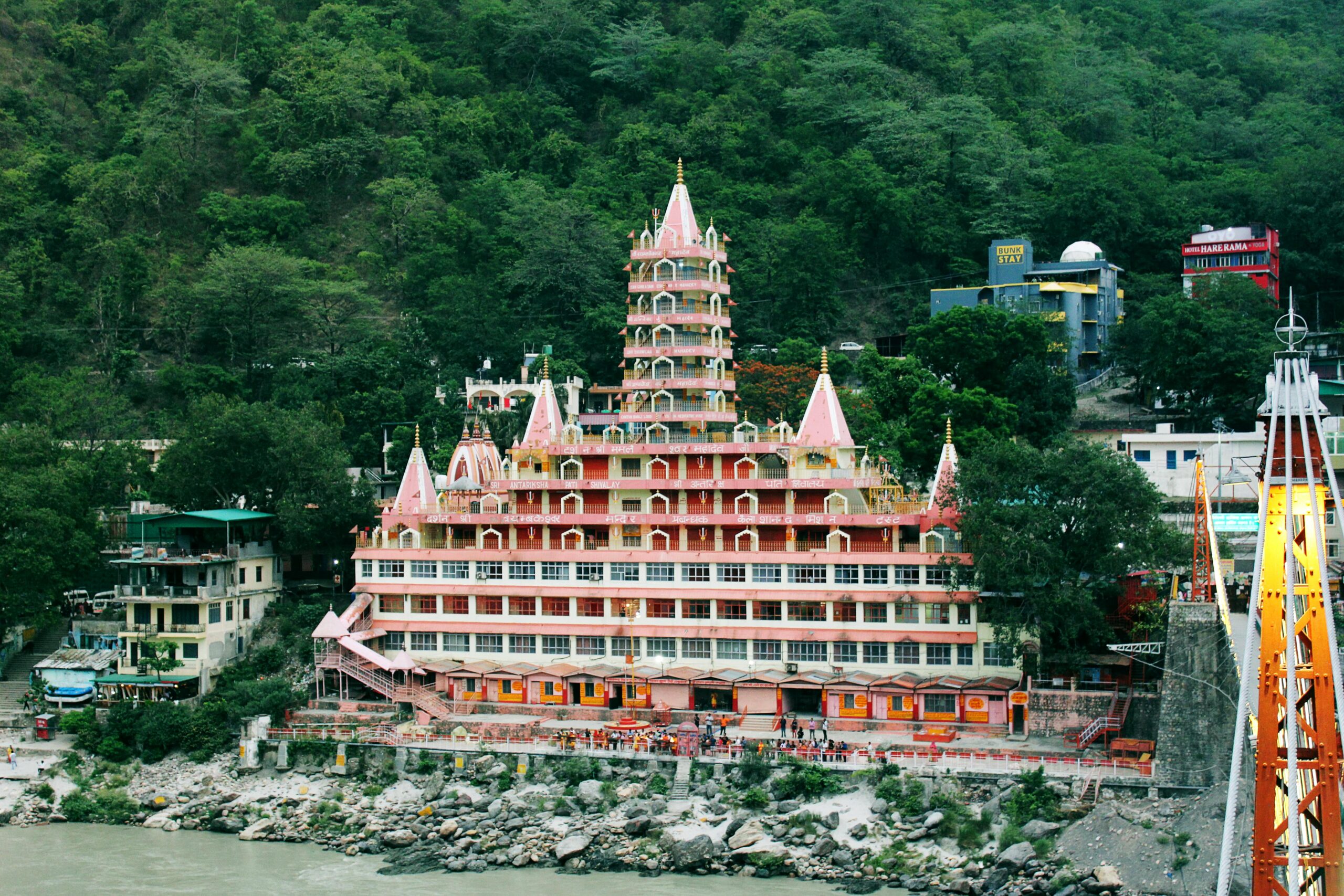
Seasonality profoundly affects the rishikesh rafting price. The main rafting season is late September through early June, with peak flows and tourist demand from October to March and during major holidays. Monsoon months (June to September) see higher river volumes but commercial rafting is often restricted or limited to experienced runs due to safety concerns.
Expect higher costs during major festivals, national holidays, and peak winter weekends when demand surges. Conversely, shoulder-season discounts are often available in late spring or immediately after the monsoon when licensed operators resume services and competition for customers increases.
Operators sometimes offer early-morning or weekday discounts, and groups can negotiate better per-person rates. Confirm that any lower-priced option still uses licensed guides and equipment—lower cost should not mean compromised safety.
Safety, Equipment, and Licensed Operators — Why Price Reflects Value
Choosing a licensed operator ensures the cost you pay covers trained guides, certified equipment, and compliance with local safety standards. Licensed operators regularly inspect rafts, maintain life jackets and helmets to standard, and employ guides trained in swift-water rescue. This regulated approach is why licensed trips may appear more expensive than unregulated offers.
What to expect from licensed trips:
- Pre-raft safety briefing and equipment fitting.
- Experienced guide(s) per raft with first-aid and rescue training.
- Mandatory life jackets and helmets; appropriate wetsuits or splash jackets in colder months.
- Rescue kayakers or support boats on more challenging stretches.
- Insurance coverage and emergency response plans aligned with local authority requirements.
Always ask operators to confirm licensing and insurance details. Licensed providers are regularly listed with local tourism authorities and follow inspection cycles that protect both participants and staff. While saving money is important, the extra cost for safety measures is a worthwhile investment.
Booking, Permits, Comparison Table and Local Tips
Booking through a reputable channel simplifies logistics, ensures access to licensed operators, and often includes pick-up/drop-off from popular hotels in Rishikesh. If you prefer to compare multiple offerings and read traveler reviews, many travelers use established marketplaces and provider pages to check recent feedback and transparent pricing. For a direct operator listing and to see current customer reviews, you can browse GetYourGuide’s Rishikesh experiences.
View Rishikesh rafting listings on GetYourGuide
Some basic local tips before you book:
- Bring a change of clothes, flip-flops, sunscreen, and a waterproof phone case if you plan to take electronic devices (many operators offer secure storage).
- Hydrate and avoid heavy meals just before rafting; notify guides of medical conditions.
- Confirm pick-up/drop-off points and arrival time; peak traffic in Rishikesh can affect transfers.
- Check cancellation policies and whether weather or river conditions could force rescheduling.
| Package | Duration | Typical Cost (INR) | Who it’s for |
|---|---|---|---|
| Short Run | 30–45 min | 600–1,200 | Beginners, families with children |
| Medium Trip | 1.5–3 hrs | 1,200–1,800 | First-time rafters, thrill-seekers |
| Long Run / Full Day | 4–6 hrs | 2,200–3,500 | Experienced groups, photography seekers |
| Private Raft | Varies | Negotiated flat fee | Groups or families wanting privacy |
| Combo (Camp + Raft) | Overnight | 3,000–7,000 | Adventure travelers seeking multi-activity packages |
For comparison across providers and the convenience of guaranteed payment and cancellation protection, many travelers also explore major activity marketplaces. Another useful avenue is to contact licensed operators directly in Rishikesh for group discounts or off-peak pricing—local operators sometimes offer better rates than aggregator listings for last-minute group bookings.
Search more river activities on GetYourGuide
Costs Breakdown: Sample Itineraries and Add-on Charges
Below are realistic sample itineraries showing typical rishikesh rafting price implications and common add-ons, based on licensed operator norms.
- Half-Day Morning Short Trip (Budget conscious): Shared raft short run, life jacket & helmet, hotel pick-up (shared). Estimated cost: INR 700–900 per person. Add-ons: Photos INR 200–500; private transfer INR 300–700.
- Full-Day Long Run (Value + Experience): Kaudiyala to Rishikesh long run, packed lunch, safety brief, guide, and transfers. Estimated cost: INR 2,200–3,000 per person. Add-ons: River-side lunch upgrade INR 200–400; professional photographer INR 1,200–2,000.
- Private Family Package: Private raft for family of 4 on medium run, private vehicle transfers, mid-range picnic lunch. Negotiated flat fee: INR 6,000–9,000 depending on season and inclusions.
- Camping Combo: Rafting + overnight riverside camping with dinner and morning yoga. Estimated cost: INR 3,000–5,000 per person.
Typical extras that influence final outlay:
- Professional photography and video.
- Upgraded meals, special dietary requests, or full catered picnic experiences.
- Private transport (to and from Kaudiyala or remote put-in points).
- Special equipment rental (wetsuits, dry bags) in colder months.
FAQs
How much does basic rafting cost in Rishikesh?
Basic short-run rafting typically costs between INR 600 and 1,200 per person with licensed operators. This usually covers life jackets, helmets, a guide, and basic transfers from central pickup points. Prices vary by season and operator.
Are licensed operators more expensive and worth it?
Licensed operators can be slightly more expensive because their pricing includes equipment maintenance, guide training, insurance, and compliance with local safety standards. The higher cost is generally worth it for better safety, trained guides, and clear emergency procedures.
When is the cheapest time to go rafting in Rishikesh?
Shoulder season (late spring and immediately after monsoon services resume) and weekdays are often cheaper. Peak seasons, holidays, and weekends are more expensive. Always verify river conditions—safety comes first even if prices are low.
What’s included in full-day rafting costs?
Full-day runs typically include guide fees, life jackets and helmets, a packed lunch or riverside meal, transfers, and sometimes photography. Confirm inclusions before booking to avoid unexpected on-site charges.
Can children go rafting and how does that affect price?
Many operators allow children on short and medium trips, usually with age or height minimums. Child pricing varies—some operators offer reduced rates for children, while others charge full fare for safety equipment and guide ratios. Always check age policies with the operator before booking.
Conclusion
Understanding the rishikesh rafting price landscape helps you balance budget and safety. Licensed operator prices reflect training, equipment, and regulated practices that protect participants and staff. Use the cost ranges and sample itineraries above to compare quotes, and remember to ask operators about inclusions, cancellation policies, and emergency procedures.
When you’re ready to book, review recent customer feedback and confirmed licensing details. If you prefer organized listings and reviews, platforms like GetYourGuide provide curated experiences and transparent booking options. With proper planning and a licensed provider, rafting on the Ganga can be an unforgettable and safe Himalayan adventure.