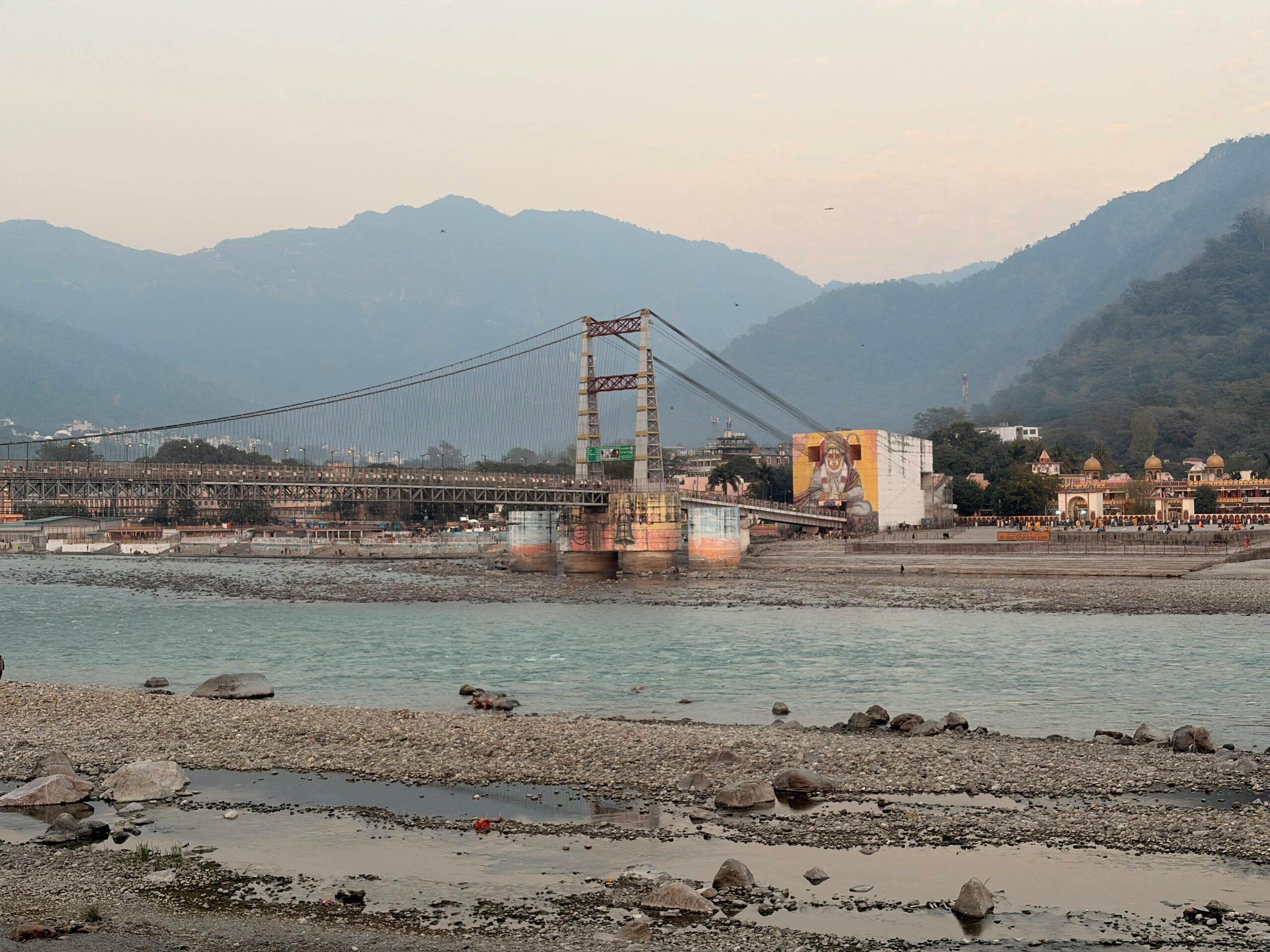
Planning a white-water adventure and wondering about the rishikesh rafting price? This guide translates licensed operator rates, common inclusions, and the seasonal factors that influence what you pay on the Ganga. It is designed for practical trip planning and is based on data from licensed rafting operators and guidance from the India Tourism Authority.
Rishikesh is the rafting capital of India, offering everything from gentle beginner runs to adrenaline-charged Grade IV rapids. Whether you want a short half-day trip, a full-day expedition, or multi-day river camping, understanding the true cost—what’s included and what’s optional—will help you choose the right package and avoid last-minute surprises.
Overview: Rafting on the Ganga in Rishikesh
The Ganga near Rishikesh flows through the Himalayan foothills, producing clearly defined stretches used by rafting operators. Popular sectors include the short and easy stretches near Ram Jhula, the classic 16–18 km stretch from Shivpuri to Rishikesh, and more challenging upper runs closer to Devprayag and Kaudiyala during high water.
Licensed operators follow standardized safety protocols: life jackets, helmets, certified guides, and rescue equipment. Operators vary by fleet size, guide experience, and the additional services they offer (pickup/drop-off, meals, camera services or river camping). Prices differ accordingly; packages from licensed providers typically list inclusions so you can compare apples to apples.
Typical Rishikesh rafting price: what’s included
A straightforward way to compare the rishikesh rafting price is to look at what’s included in the quoted rate. Standard inclusions for most licensed operator packages are:
- Professional safety briefing and trained raft guide
- Life jacket, helmet, and oar
- Insurance typically required by authorities for river sports
- Return transfers from central pick-up points in Rishikesh
- Basic hot refreshments or packaged snacks on shorter runs
Optional extras that raise the base price include meals, video/photo packages, private raft bookings, longer stretches, and overnight rafting with camping. Expect quoted rates to reflect the standard inclusions; always check the operator’s listing or brochure for specifics.
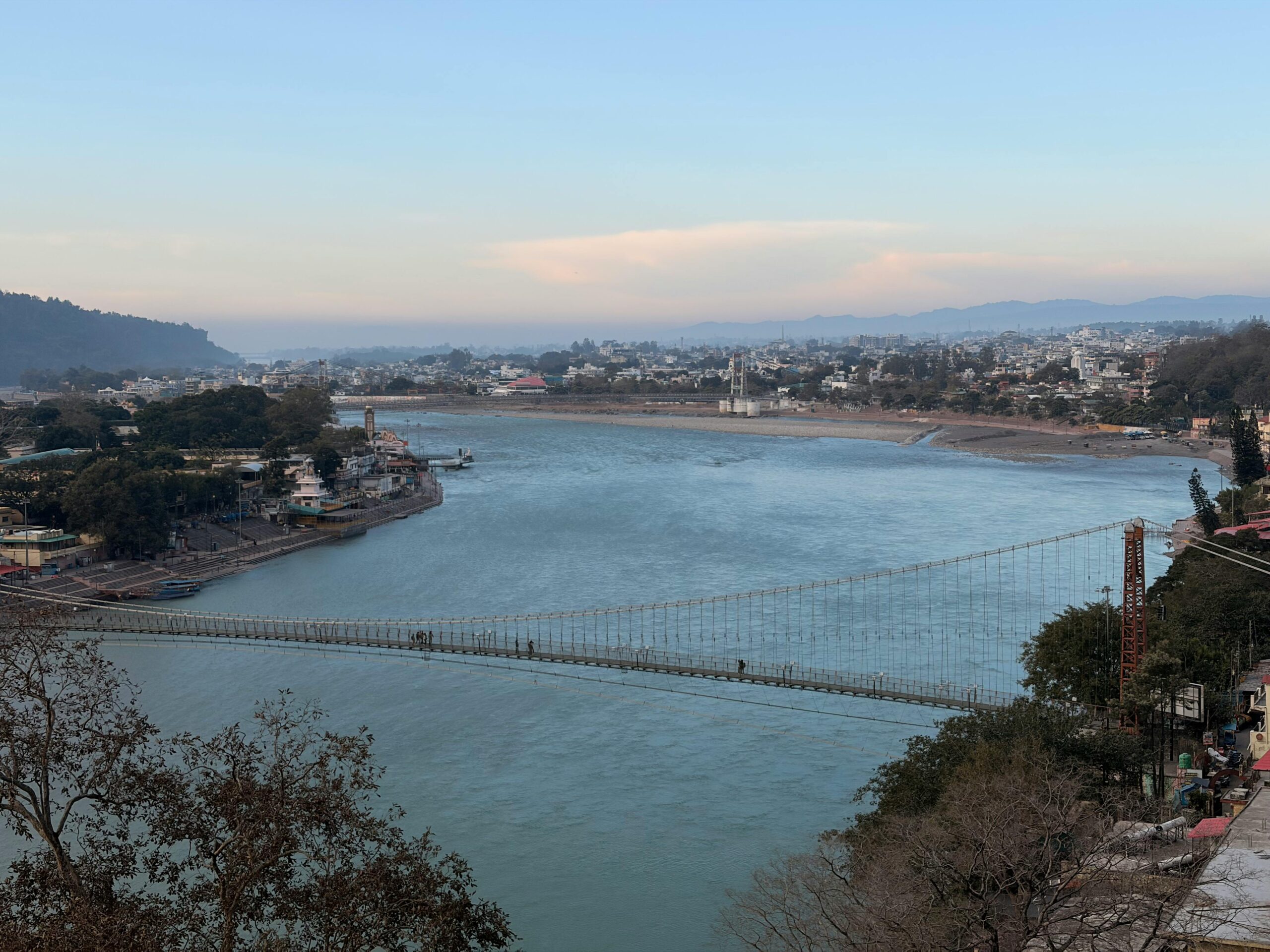
Ganga river rafting cost guide: price by stretch and difficulty
The Ganga river rafting cost guide varies by stretch, rapid grade, and trip length. Below are common package types and realistic price ranges observed from licensed operators, intended as a planning benchmark rather than a fixed quote.
- Short/Evening Runs (4–6 km, Grade I–II): Ideal for families and beginners. Typical price range: INR 400–800 per person. These runs are short, include basic safety gear, and are often offered at discounted rates for groups and children.
- Standard Rishikesh Run (8–12 km, Grade II–III): The classic half-day option from Laxman Jhula or nearby launch points. Typical price range: INR 700–1,400 per person. Most packages include transport and a light snack.
- Shivpuri to Rishikesh / Rafting Classic (16–18 km, Grade III–IV): The most popular full-day option offering sustained rapids and scenic riverbanks. Typical price range: INR 1,200–2,500 per person. Higher-end operators may charge more for smaller raft sizes and personalized service.
- Upper Ganga / Kaudiyala and Above (Grade III–IV+): For experienced rafters and higher water seasons. Typical price range: INR 1,500–3,500 per person depending on logistics and difficulty.
- Multi-day Expeditions and River Camping: These can range from INR 3,500 to INR 10,000+ per person per day, depending on camping standards, meals, and transport. Multi-day trips require specialist operators and extra safety measures.
Prices typically rise during peak season (late September to early June with highest flows in monsoon-fed months depending on water releases) and drop during low-water periods. Licensed operators may also impose a minimum group size or charge a higher per-person rate for solo travelers.
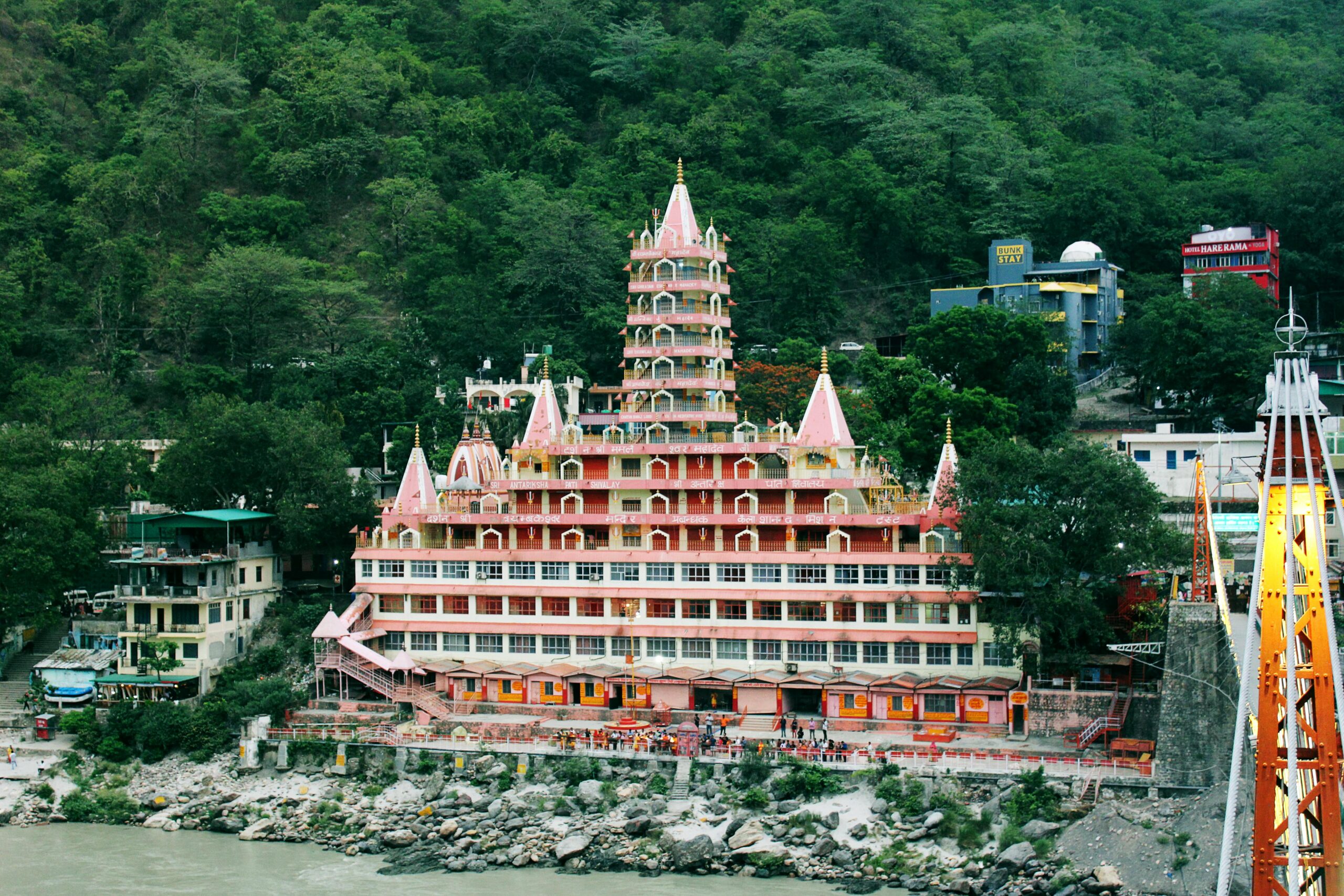
What affects the rafting price: season, group size, and extras
Understanding price drivers helps you set expectations and negotiate wisely. Key factors that affect the Ganga river rafting cost guide include:
- Seasonality: Higher flows and safer river conditions during certain months can increase demand and prices. Peak tourist periods and festival weekends also drive prices up.
- Group size: Group bookings usually lower the per-person cost. Solo travelers often pay a premium or are paired with others. Private raft reservations are more expensive but offer a tailored experience.
- Trip length and difficulty: Longer stretches, technical rapids, or upper-river runs require more experienced guides and additional rescue equipment, raising the cost.
- Operator reputation and certifications: Established licensed operators with experienced guides, higher safety standards, and better equipment typically charge more.
- Inclusions (meals, transport distances, cameras): Door-to-door pickup, hot meals, and professional photography add to the total package price.
- Special requests: Late-night pickups, private guides, or customized itineraries often incur extra fees.
How to choose the right rafting package
Select a package that matches your comfort with water, fitness level, and travel logistics. Beginners should start with supervised Grade I–II runs and choose operators that emphasize safety briefings and certified guides. More experienced rafters may opt for Grade III–IV sections or multi-day trips with river camping, but should confirm guide credentials and rescue contingencies.
When comparing operators and the rishikesh rafting price, ask for the following in writing: emergency response plan, guide-to-guest ratio, what insurance is provided, and what equipment is included. Consider operators that are transparent about cancellations and refunds in case of sudden water-level changes.
If you prefer booking through third-party platforms for reviews and flexible cancellation, you can explore curated day trips and package options on reputable booking sites where operators list verified itineraries and guest feedback. For an overview of available guided experiences and user reviews that help compare packages, consider browsing curated listings that summarize operator offerings and ratings, which can help you narrow choices before contacting operators directly: see curated rafting experiences and reviews.
Booking tips and where to book in Rishikesh
There are two common booking approaches: book in advance online or book in person after arrival. Each has pros and cons. Advance booking secures your preferred date and operator during peak season, while booking locally can yield last-minute discounts and lets you inspect equipment firsthand.
If you decide to research and book online for convenience, confirm the operator’s licensing and read recent guest feedback. Many operators publish full itineraries, safety policies, and cancellation terms on booking platforms so you can compare apples to apples. A popular platform that lists licensed operators and trip details can be useful for cross-referencing operator information before you finalize a booking: check operator listings and compare trip details.
On arrival in Rishikesh, reputable operators often have offices near Laxman Jhula and Tapovan. Ask to view life jackets, helmets, and the raft itself. Licensed operators will provide a clear pre-raft briefing, explain emergency signals, and show medical or evacuation plans for higher difficulty runs.
Comparison table: common packages and estimated costs
| Package type | Typical distance | Difficulty (I–IV) | Estimated price (INR per person) | Typical inclusions |
|---|---|---|---|---|
| Short Intro Run | 4–6 km | I–II | 400–800 | Safety gear, briefing, short transfer |
| Half-Day Classic | 8–12 km | II–III | 700–1,400 | Gear, guide, transport, snacks |
| Full-Day Shivpuri–Rishikesh | 16–18 km | III–IV | 1,200–2,500 | Gear, guide, transfers, refreshments |
| Upper River / Advanced | Varies | III–IV+ | 1,500–3,500 | Advanced guides, longer transfers, rescue plan |
| Multi-Day Expedition | Multiple days | III–IV+ | 3,500–10,000+ | Camping, meals, full logistics, safety team |
Safety and insurance: what to confirm before you pay
Safety is non-negotiable when river rafting. Confirm that the operator is licensed and that guides hold relevant river-rescue certifications. For higher-grade runs, ask about spare boats, a rescue technician onshore, and the availability of a first-aid kit and oxygen.
Many operators include mandatory adventure-sports insurance in the package price; verify the coverage limits and whether it applies to evacuation and severe injury. If insurance is not included, consider purchasing supplemental travel or adventure-sports coverage that covers white-water rafting activities in India.
Practical tips to reduce cost without sacrificing safety
You can manage the rishikesh rafting price without compromising safety by following a few practical tips:
- Book during shoulder seasons when flows are adequate but demand is lower.
- Travel in a small group to secure group discounts or negotiate a better per-person rate.
- Avoid last-minute private raft upgrades unless needed for safety or medical reasons.
- Bundle rafting with other local activities (yoga, short hikes) through the same operator for small savings.
- Bring your own dry bag and quick-dry clothing to avoid rental fees, but always use operator-provided safety gear.
FAQs
How much does rafting in Rishikesh cost for a beginner?
Beginner-friendly short runs typically cost between INR 400 and INR 1,400 per person depending on distance and season. Half-day classic runs fall near the middle of this range and include safety gear, a guide, and basic transport.
Are price differences between operators justified?
Yes. Higher prices generally reflect better equipment, more experienced guides, smaller raft sizes, included meals, and stronger safety protocols. Always compare inclusions rather than just the headline price to determine value.
Is rafting in monsoon season cheaper or more expensive?
Monsoon and immediate post-monsoon conditions can increase river volume and difficulty, often raising prices due to higher demand and increased safety needs. Some operators may suspend runs during dangerous high-water periods, while others may run advanced trips at premium rates.
Do operators provide transport from Rishikesh town to the launch point?
Most licensed operators include round-trip transport from common pickup points in Rishikesh as part of the package. If you need pickup from a hotel farther afield, expect a small extra charge—confirm this when booking.
Should I tip the guide and crew, and how much?
Tipping is customary for good service. For a standard half-day or full-day trip, tipping INR 100–300 per guest for the guide/crew is common; for multi-day trips, consider higher amounts depending on the level of service. Tips are discretionary and should reflect your satisfaction with safety and guidance.
Conclusion
Understanding the rishikesh rafting price requires looking beyond the headline number to what’s included, the river stretch, and operator credentials. Use the price ranges in this guide as a planning tool, verify inclusions and safety measures with licensed operators, and choose a package that matches your skill level and comfort. Reliable operators provide clear safety briefings, certified guides, and transparent pricing—prioritizing these factors will ensure a memorable and secure rafting experience on the Ganga.