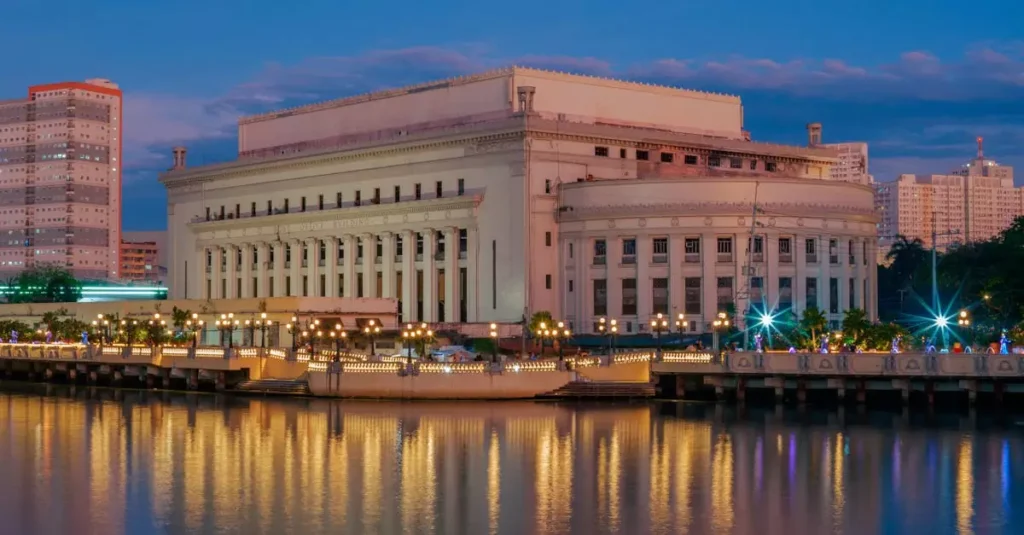
Manila, the bustling capital city of the Philippines, is a fascinating mix of historic landmarks, soaring modern buildings, and lively markets. When planning your visit, managing your finances wisely is essential for a hassle-free experience. Knowing how to access your funds and understanding the costs involvedespecially with cash withdrawalscan make a big difference in how smoothly your trip goes.
Travelers often depend on ATMs to get cash quickly when abroad, but fees associated with foreign withdrawals can be tricky. Various charges can accumulate unexpectedly, eating into your travel budget. This piece zeroes in on manila atm withdrawal fees, breaking down what fees you might face and how to get ready for them.
Armed with detailed information, you can reduce the impact of manila atm charges. Practical tips and realistic advice will help you navigate typical fees, withdrawal limits, and alternatives, so you can stretch your Philippine peso further. Smart money management means fewer surprises and more enjoyment in this vibrant city.
Understanding Manila ATM Withdrawal Fees
When withdrawing money from an ATM in Manila, youll likely encounter two primary fees. The first comes from the Philippine bank operating the ATMoften labeled as a convenience or access fee. Major banks such as BDO, BPI, and Metrobank typically charge between PHP 200 and PHP 250 per international card withdrawal. This fee is deducted in Philippine pesos, converted from your home currency.
The second fee originates from your bank back home and is usually called a foreign transaction or international ATM fee. This can be a percentage of the withdrawal, typically from 1% to 3%, or a flat rate between USD 3 and USD 5 if you use an out-of-network ATM. Its wise to check your banks policy before traveling to avoid unexpected costs. Many travelers overlook this second fee, which can significantly add to the total expense.
Besides these charges, keep an eye on the exchange rate. ATMs generally apply the interbank rate, which is fair. However, some machines offer Dynamic Currency Conversion (DCC), letting you choose between paying in your home currency or Philippine pesos. Always opt to pay in PHP, as DCC usually comes with poorer exchange rates, costing you more. Sticking with local currency ensures you benefit from your card networks better rates, such as Visa or Mastercard, saving you money over multiple withdrawals.
Local Bank ATMs vs. International Bank ATMs in Manila
Manilas ATM scene is dominated by major local banks, with a smaller presence from international institutions. Knowing the differences can help you decide where to withdraw cash. Banks like BDO, BPI, Metrobank, and Security Bank have extensive ATM networks scattered throughout malls, airports, convenience stores, and main roads. These machines are dependable and usually charge the familiar PHP 200-250 fee for international transactions. Withdrawal limits vary but commonly range between PHP 10,000 and PHP 20,000 per day, depending on the ATM and your home banks restrictions.
International banks such as HSBC and Citibank do operate in Manila but with fewer ATMs, usually in business districts or select branches. Some offer fee waivers for their global customers, but this isnt guaranteed. Even when your home bank doesnt charge, you might still face the local banks withdrawal fee. The convenience of local bank ATMs, which are easy to find and reliable, often outweighs the rare perks of international banks in Manila.
For most visitors, relying solely on international bank ATMs is impractical due to their scarcity. Searching for one can waste valuable time. Using local bank ATMs is generally more efficient. Just be sure to understand the usual manila atm charges and plan your withdrawals accordingly. Favor ATMs located in well-lit, secure places like bank branches or shopping centers to ensure safety and smooth transactions.

How to Minimize Manila ATM Charges: Smart Strategies
Cutting down on manila atm withdrawal fees calls for some thoughtful planning. Since the local bank fee is a fixed amount per transactionusually around PHP 250its more economical to withdraw larger sums less often. For example, taking out PHP 20,000 in one go saves you from paying the fee twice compared to two withdrawals of PHP 10,000 each. Many travelers find it helpful to estimate their cash needs for a few days ahead and withdraw accordingly, while keeping an eye on daily withdrawal limits set by both the ATM and their home bank.
Its equally important to check the foreign transaction fees imposed by your bank. Some modern banks and online financial services have debit cards designed specifically for international travel, often waiving foreign transaction fees or reimbursing ATM charges. Examples include certain challenger banks and credit unions. Securing one of these cards before your trip can lead to noticeable savings. If your bank does charge fees, knowing the exact percentage per withdrawal lets you calculate the true cost and manage your finances more effectively.
Always refuse Dynamic Currency Conversion (DCC) when offered. Selecting to be charged in Philippine Pesos (PHP) instead of your home currency avoids inflated exchange rates that can hike your costs by 5-10%. This simple decision is crucial for travelers watching their budgets. Additionally, consider using credit cards for purchases when possible, as they often provide better exchange rates and may waive foreign transaction fees. Still, cash remains essential for many smaller vendors in Manila.
Comparison Table: Common Banks and Their ATM Fees
Knowing what fees different banks charge can help you pick the best ATM option in Manila. While most major banks follow similar fee patterns for international cards, details like daily withdrawal caps and slight variations in charges matter. The table below summarizes typical fees and limits for prominent Philippine banks. Keep in mind these numbers can change, and your home banks limits may also apply.
| Bank Name | Typical Local ATM Fee (PHP) | Common Daily Withdrawal Limit (PHP) | Notes for Travelers |
|---|---|---|---|
| BDO (Banco de Oro) | 250 | 10,000 – 20,000 | Largest ATM network, often found in SM Malls. |
| BPI (Bank of the Philippine Islands) | 250 | 10,000 – 20,000 | Widely used, generally reliable machines. |
| Metrobank | 250 | 10,000 – 20,000 | Good coverage and dependable ATMs. |
| Security Bank | 250 | 10,000 – 20,000 | Expanding network, common in business areas. |
| Landbank | 200 | 10,000 – 20,000 | Government bank with slightly lower fees but fewer ATMs. |
When choosing an ATM, weigh the pros and cons. Major banks offer widespread access and trustworthy machines, meaning you wont have to search far for cash, especially in Manilas urban centers. They tend to be well-maintained and secure. The downside is the fixed local fee of around PHP 250 per withdrawal, which can add up quickly if you make frequent small withdrawals. For instance, three separate withdrawals could cost you PHP 750 in fees alone, excluding charges from your home bank. This makes withdrawing larger amounts less often a smart money-saving tactic.
Security is another important factor. Opt for ATMs inside bank branches, shopping malls, or well-monitored locations. Avoid isolated or poorly lit machines, especially at night. The fees are much the same across banks, but the added safety of a secure location is priceless. Always inspect the ATM for any signs of tampering before use. These practical tips help keep your transactions safe and stress-free during your Manila trip.
Beyond ATMs: Other Ways to Access Cash in Manila
ATMs arent the only way to get cash in Manila. Exploring alternatives might help you dodge or reduce manila atm withdrawal fees. Authorized money changers are popular and widely available in malls, airports, and tourist hotspots. They usually offer competitive exchange rates for major currencies like USD, EUR, and GBP. Comparing rates at several reputable changers before exchanging money is a smart move. Avoid unofficial street changers, as their rates can be poor and theres a higher risk of scams. For larger amounts, using a trusted money changer can often be more cost-effective than multiple ATM withdrawals.
Credit card cash advances are an option but generally come with steep drawbacks. Most credit card issuers charge high feesa percentage of the cash amount plus a flat feeand interest starts accruing immediately without a grace period. This makes cash advances an expensive last resort, suitable only in urgent situations. Their costs usually surpass standard manila atm fees by a wide margin.
For everyday purchases, many stores, restaurants, and hotels in Manila accept credit and debit cards directly. Paying by card often avoids ATM fees altogether. Still, be mindful of any foreign transaction fees your bank might apply for purchases. Always choose to pay in Philippine Pesos (PHP) if given the option to avoid unfavorable currency conversion rates at checkout. Digital wallets like GCash and PayMaya are increasingly popular locally and accepted by some merchants. You can top these up through local banks or convenience stores if you have a Philippine SIM card. This growing digital trend adds convenience for visitors. For more details on travel requirements, visit the official eTravel website.
Practical Tips for Safe and Efficient ATM Use in Manila
Staying safe and efficient when using ATMs in Manila is crucial. Always opt for machines located in well-lit, busy areasbank branches during office hours, shopping malls, and major airports are ideal. These spots reduce the risk of tampering and theft. Avoid isolated ATMs, particularly after dark, since they tend to attract criminals. Prioritizing your personal safety should always come first. Many travelers feel more secure using ATMs during the daytime.
Before inserting your card, examine the machine closely for anything unusual such as loose card slots, oddly placed keypads, or tiny cameras near the screen and keypad. These could signal skimming devices. If you spot anything suspicious, find another ATM or visit a different bank branch. When entering your PIN, cover the keypad with your hand to block onlookers. Being aware of your environment is also importantif anyone nearby makes you uneasy, wait or switch to another ATM.
Once your transaction is complete, keep the receipt as proof of withdrawal. This record can be invaluable if issues arise, like incorrect charges or a malfunctioning machine. Save all receipts and reconcile them with your bank statements later. If an ATM fails to dispense cash but debits your account, or if it retains your card, immediately contact the ATMs bank using the number displayed on the machine and inform your home bank as well. For general background on the country, see the Philippines Wikipedia page.
- Important Tip 1: Inform Your Bank: Let your home bank know your travel dates and destinations ahead of time. This helps prevent your card from being blocked due to suspected fraud.
- Important Tip 2: Have a Backup: Carry at least two cards from different issuers and keep them separate. If one gets lost or stolen, youll still have another option.
- Reality Check: Small Bills: ATMs in Manila often dispense larger notes (PHP 500 or PHP 1,000). Break bigger bills at major stores or restaurants, since smaller vendors may have trouble giving change.
Frequently Asked Questions About Manila ATM Withdrawal Fees
What is the typical ATM withdrawal limit in Manila?
Most ATMs from leading banks like BDO and BPI set daily withdrawal caps between PHP 10,000 and PHP 20,000 per transaction. However, your own bank might impose a different limit, either higher or lower, so check with them as well.
Are there ATMs without withdrawal fees in Manila?
Its quite uncommon to find ATMs that dont charge a local fee for international card withdrawals. Nearly all major Philippine banks apply a fee, usually around PHP 200 to PHP 250. The best way to save is by reducing the number of withdrawals and cutting down on your home banks fees.
Is it better to use a credit card or debit card for cash withdrawals?
Debit cards are generally preferable for withdrawing cash. Credit card cash advances carry high fees and immediate interest charges. Though both might incur foreign transaction fees and local ATM charges, debit cards usually cost less overall.
What should I do if an ATM eats my card?
If your card gets retained, immediately note the ATMs location, the banks name, and the time of the incident. Contact the bank that owns the ATM (their phone number is usually on the machine) and your home bank. They will advise you on the necessary steps, which may include canceling your card to prevent fraud.
How can I avoid dynamic currency conversion (DCC)?
To steer clear of DCC, always choose to be charged in Philippine Pesos (PHP) when a machine or merchant offers the option. Declining charges in your home currency ensures you benefit from the better exchange rate provided by your card network.
Conclusion: Navigating Cash in Manila with Confidence
Understanding manila atm withdrawal fees helps remove stress from managing money during your trip. By knowing typical charges and planning your cash withdrawals, you can keep costs down. Remember to factor in fees from both the local ATM and your home bank. Withdrawing larger sums less often cuts down fixed fees, while always refusing Dynamic Currency Conversion secures the best exchange rates.
Besides ATMs, reputable money changers offer a good alternative for exchanging currency, especially for bigger amounts. Credit card cash advances are generally costly and best avoided unless necessary. Using cards for direct purchases can often eliminate fees altogether. Above all, focus on your safety by using ATMs in secure, well-lit locations and staying alert for any suspicious activity. These simple steps ensure your financial transactions go smoothly, letting you enjoy all that Manila has to offer.
With this knowledge, youre ready to handle your cash smartly and avoid unnecessary manila atm charges. Take in the vibrant markets, rich history, and lively culture of Manila without worrying about your finances. A little preparation goes a long way toward making your trip across Asia both memorable and budget-friendly. Wishing you safe and enjoyable travels!