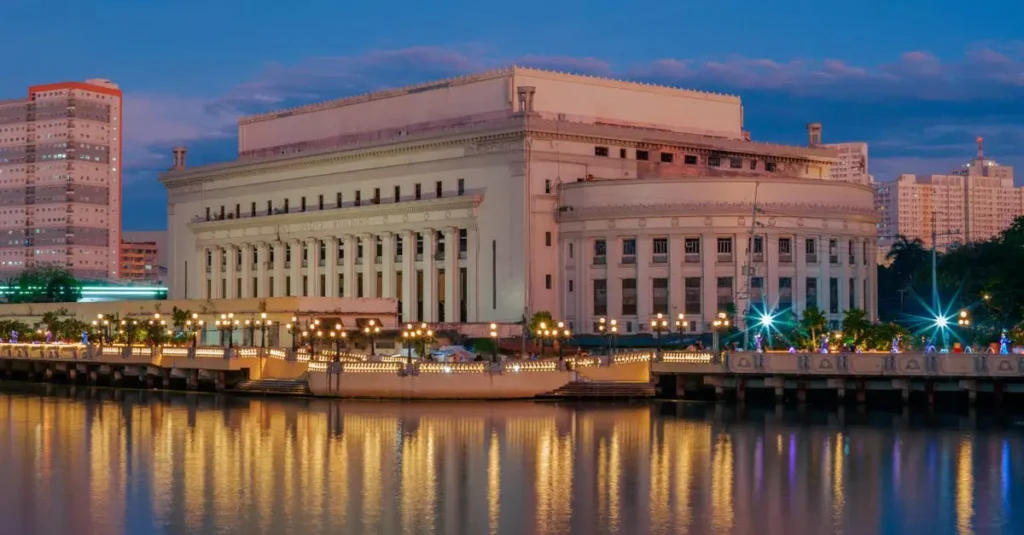
Preparing for a visit to Manila, Philippines, involves more than just booking flights and accommodations or planning attractions. One vital factor often missed is understanding currency exchange. Familiarity with manila currency exchange fees can make a noticeable difference in how far your money stretches, helping you avoid unnecessary charges and get more value for your spending.
The official currency here is the Philippine Peso (PHP), which you’ll need for most purchases, especially outside upscale hotels and restaurants. While many places accept credit cards, cash remains the preferred method for street vendors, local markets, and smaller shops. This makes exchanging your home currency into Pesos a key part of your trip preparation.
Here, you’ll find detailed insights into handling currency exchange in Manila. We explore different methods, weigh their pros and cons, and share useful advice to guide your decisions. With this knowledge, managing your funds becomes easier, letting you enjoy your Manila experience without financial stress.
Understanding Manila Currency Exchange Fees
Currency exchange in Manila involves various fees and rates that vary depending on where you convert your money. Most travelers aim to get the best possible amount of Pesos for their foreign currency. The first step is to understand how exchange rates and fees interplay. Many focus solely on the rate itself, but neglecting service charges or commissions can quickly eat into your budget.
Whether you use banks, independent money changers, or ATMs, each comes with its own fee structure for manila currency exchange fees. Banks usually offer secure transactions but may have less attractive rates or higher fixed fees. Money changers, especially those in malls, often provide better rates but might add a small commission. ATMs are convenient and typically use interbank rates, but both your home bank and the local ATM operator can impose fees, commonly PHP 200 to PHP 250 per withdrawal. This can add up if you make frequent small cash withdrawals. Always check the fees displayed on the ATM screen before proceeding.
To avoid overspending, it pays to compare rates rather than accepting the first offer you see. Even a small difference in rates can translate to a substantial amount in Pesos. For example, exchanging USD 500 at 55 PHP/USD instead of 54 PHP/USD yields an extra PHP 500enough for a nice meal or a short ride. Factor in all fees to get the full picture of costs and maximize your budget.
The currency you bring also matters. Widely accepted currencies like US Dollars (USD), Euros (EUR), British Pounds (GBP), and Japanese Yen (JPY) tend to exchange easily and at better rates. Less common currencies may fetch poorer rates or be difficult to exchange. Always carry clean, unmarked bills, as money changers often reject damaged notes in the Philippines. Planning your currency needs ahead ensures smoother transactions.
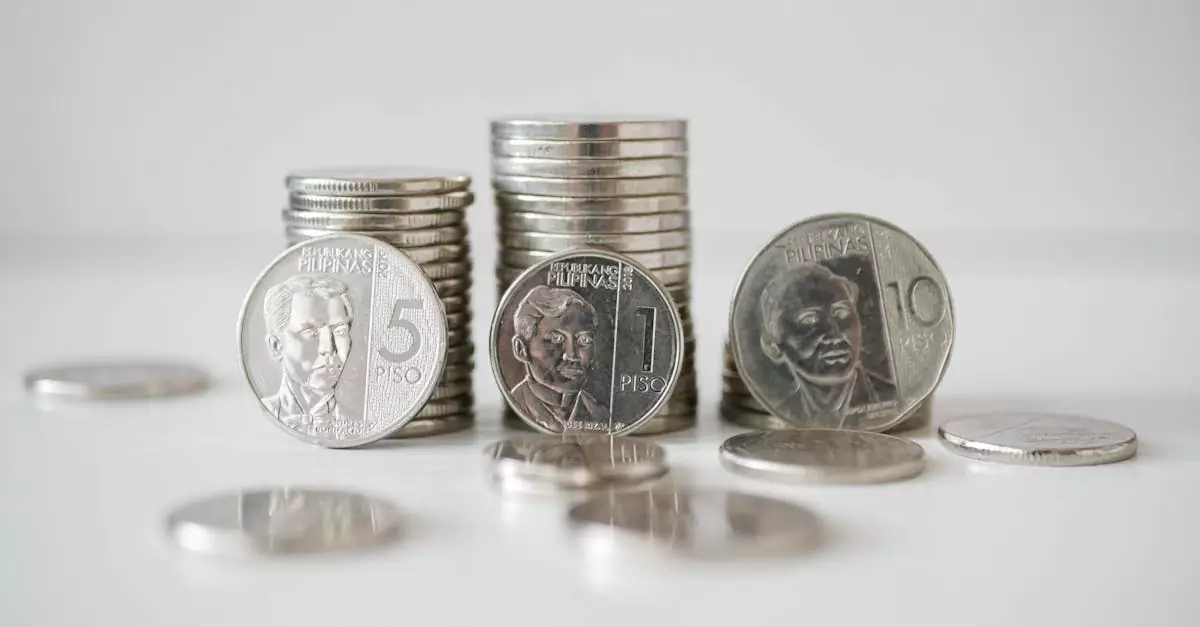
Where to Exchange Money in Manila: Options and Rates
Manila offers several ways to exchange currency, each with its own set of benefits and drawbacks. Your decision often depends on convenience, security, and how quickly you need cash. Knowing these options helps you choose what fits your travel style and needs. Most visitors seek good exchange rates combined with low fees.
For many, the first opportunity arises at Ninoy Aquino International Airport (NAIA), where multiple currency exchange counters are available. While convenient, airport rates tend to be less favorable than those in the city due to added premiums. Its smart to exchange just a small amountaround USD 50 to 100to cover initial expenses like transport or snacks. For larger sums, better deals await elsewhere.
Banks such as BDO, BPI, and Metrobank have branches throughout Manila, offering secure and transparent currency exchange services. Youll usually need your passport to transact. Although their rates are often competitive, they may not beat independent money changers. Banks typically operate from 9 AM to 3 or 4 PM on weekdays, which might limit accessibility for travelers. Peak hours can also mean longer waits.
Independent money changers, particularly those located in major malls like SM Mall of Asia, Glorietta, Greenbelt, and Robinsons Place Manila, are known for offering some of the best rates. Because they specialize in currency exchange and have lower overheads than banks, they can pass savings on to customers. Before exchanging money, look for clearly displayed rates and compare a few outlets to find the best deal. Notable names include Czarina Foreign Exchange and Sanry’s Money Changer, both with multiple branches citywide, offering favorable manila money exchange cost.
ATMs are plentiful throughout Manila, providing 24/7 access to cash at interbank rates that are usually competitive. Yet, two sets of fees apply: one from your home bank, often a 1-3% foreign transaction fee, and a local ATM fee from PHP 200 to 250 each time you withdraw, regardless of amount. To reduce costs, its better to make fewer, larger withdrawals. Notify your bank ahead of travel to avoid card blocks, and always prefer ATMs inside banks or busy malls for safety, steering clear of isolated machines.
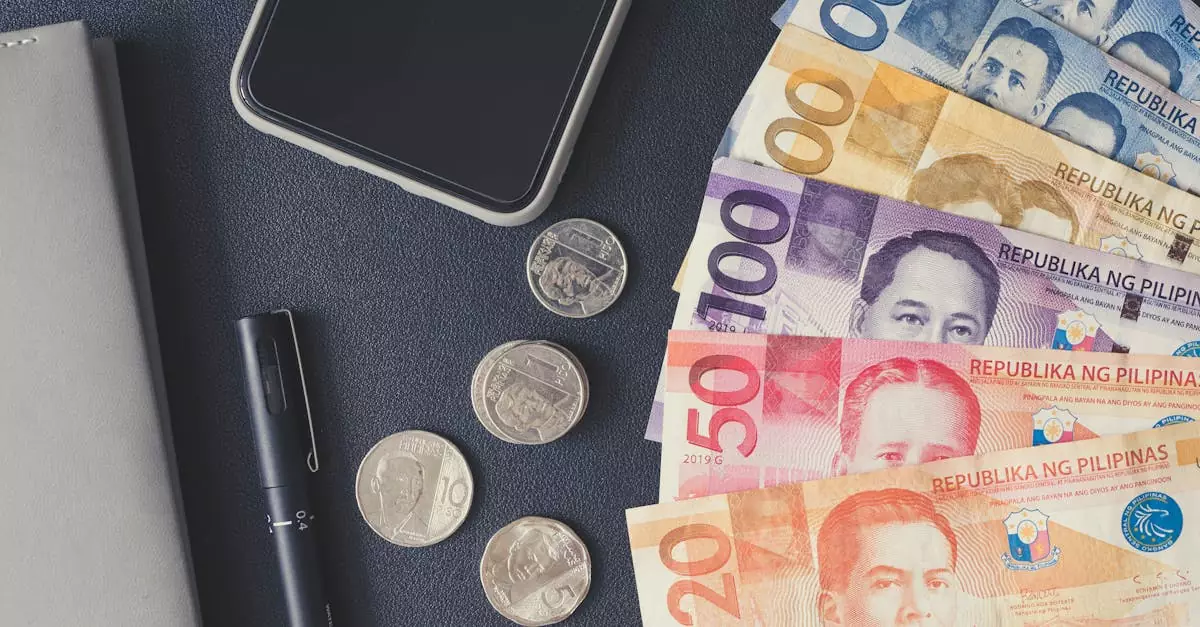
Comparison of Currency Exchange Methods
Picking the right currency exchange method in Manila can save you both money and hassle. Each has distinct features. Your choice depends on whether you prioritize convenience, rates, or security. This overview will help clarify the trade-offs so you can decide wisely.
Airport Exchange Counters: Perfect for quick cash when you arrive, these counters sit right after customs for easy access. Convenience is their main advantage, but exchange rates here are usually the least favorable, often including higher markups. Its best to exchange only a small amount to cover immediate needs rather than your entire budget.
Banks: Major banks provide trustworthy and secure exchanges with transparent processes. Their rates tend to be better than airports but may not be the best available. Identification like your passport is required, and their limited hoursusually weekdays until mid-afternoonmay pose inconvenience. Expect some waiting time during busy periods. For more on the country, see the Wikipedia page about the Philippines.
Independent Money Changers (Malls): These specialists often have the most competitive rates and longer opening hours than banks. Located in popular malls such as SM Mall of Asia and Glorietta, they focus solely on currency exchange. Comparing rates between a few changers is wise, and always confirm whether commissions apply. Reputable names like Czarina and Sanry’s are frequently recommended for favorable manila money exchange cost.
ATMs: Offering round-the-clock access to funds at interbank rates, ATMs are extremely convenient. However, local ATM fees of PHP 200-250 and possible foreign transaction fees from your bank must be considered. To cut costs, withdraw larger sums less often. Always use ATMs situated in secure, well-lit locations such as bank lobbies or shopping centers. This option suits travelers seeking flexibility but demands fee awareness.
Comparison Table: Manila Currency Exchange Options
| Method | Pros | Cons | Typical Rate | Fees |
|---|---|---|---|---|
| Airport Exchange | Cash immediately on arrival, very convenient | Unfavorable rates, high margins | Poor | Hidden markups |
| Banks (e.g., BDO, BPI) | Secure and reliable, transparent process | Restricted hours, queues possible, not always best rates | Good | Minimal or no commissions (rate margin) |
| Independent Money Changers (Malls) | Generally best rates, longer hours, expert service | Must compare rates, less common outside malls | Excellent | Possible small commission (check first) |
| ATMs | Available 24/7, interbank rate, very convenient | Local ATM fees (PHP 200-250), home bank fees, withdrawal limits | Excellent (before fees) | Local ATM fee + foreign transaction fee |
Pros and Cons of Using Cash vs. Cards in Manila
Choosing whether to rely mainly on cash or credit/debit cards is a key part of financial planning for your trip. Both have clear advantages and disadvantages in Manilas setting. Many travelers find a combination of the two offers the best balance, ensuring theyre ready for different scenarios.
Pros of Using Cash (Philippine Pesos):
- Widely Accepted: Cash is the primary payment form in Manila, accepted from street vendors to small shops, many of which dont accept cards.
- Helps Budgeting: Paying with cash makes it easier to track spending and avoid overspending since you can see exactly what youre handing over.
- No Extra Fees: Once you convert to Pesos, purchases dont incur transaction fees, unlike many card payments.
- Negotiation Leverage: Cash can sometimes help you get better deals in local markets where bargaining is common.
Cons of Using Cash:
- Risk of Theft: Carrying large sums makes you vulnerable. Using a money belt or secure pouch is advisable.
- Less Convenient: Finding places to exchange money or withdraw cash can take time and effort.
- Irrecoverable Loss: Lost or stolen cash is gone for good, with no recourse.
- Bulky to Carry: Managing large amounts in physical notes can be cumbersome.
Pros of Using Credit/Debit Cards:
- Ease of Use: Cards are convenient in major hotels, restaurants, and malls.
- Enhanced Security: Cards offer fraud protection, and you can cancel them if lost or stolen.
- Expense Tracking: Statements help monitor spending and budget management.
- Rewards Programs: Some cards provide points, miles, or cashback on foreign transactions.
Cons of Using Credit/Debit Cards:
- Limited Acceptance: Many small businesses and taxis dont accept cards, so cash remains necessary.
- Foreign Transaction Fees: Banks often charge 1-3% on international purchases, adding to costs.
- Dynamic Currency Conversion (DCC): Merchants might offer to charge in your home currency, but this usually means unfavorable rates. Always opt to pay in PHP.
- ATM Fees: Withdrawals incur local ATM fees and possibly fees from your bank.
Practical Tips for Managing Your Money in Manila
Keeping your finances in order during your Manila trip helps you avoid excess fees and enjoy a hassle-free experience. These tips focus on reducing your manila money exchange cost and staying safe with your money.
- Inform Your Bank: Let your banks and credit card companies know your travel plans to prevent unexpected card blocks.
- Bring Multiple Payment Options: Carry a mix of credit cards, debit cards, and cash, storing them separately for backup if one gets lost or stolen.
- Shop Around for Rates: Before exchanging large amounts, compare rates from several sources. Online tools can help gauge current interbank rates. Malls often offer the most competitive options.
- Limit Airport Exchanges: Use airport counters only for small amounts to cover immediate costs, avoiding poor rates on large sums.
- Use ATMs Strategically: Opt for larger withdrawals to reduce fees. Favor ATMs inside banks or malls for safety. Keep in mind the PHP 200-250 local ATM fee per transaction.
- Say No to DCC: Always decline dynamic currency conversion offers. Choose to pay in Philippine Pesos to avoid unfavorable rates.
- Carry Small Bills: Many local vendors and jeepney drivers may lack change for large notes, so keep smaller denominations handy.
- Stay Alert: Be discreet when handling cash or using ATMs to avoid pickpockets, especially in crowded areas. Use secure pouches or money belts.
- Monitor Your Spending: Track your expenses roughly to stay within budget and quickly spot any unauthorized charges.
- Consider Travel Cards: Some credit cards waive foreign transaction fees, saving you 1-3% per purchase. Research options before you travel.
- Try E-wallets: Although not as widespread, some Manila businesses accept GCash or PayMaya. Setting up a local e-wallet can be useful for longer stays.
Important Tips for Safe Currency Exchange
Handling money abroad requires caution. Manila is generally safe, but staying vigilant protects your funds and peace of mind. These safety pointers are essential for any traveler.
- Use Trusted Places: Stick to established banks and well-known money changers in malls. Avoid street vendors or unknown individuals offering currency exchangethey might be scams.
- Check Your Money Immediately: Count your cash right after exchanging it before leaving the counter to prevent disputes.
- Be Low-Key: Dont display large amounts of cash openly. Store money securely and discreetly using a money belt or hidden pouch.
- Exchange with a Friend: If possible, bring a companion to watch your surroundings when handling money.
- Stay Focused: Avoid distractions during exchanges or ATM use. Scammers often work in pairs or groups to divert attention.
- Secure Valuables: Keep passports, extra cash, and cards in hotel safes, carrying only what you need daily. Make copies of important documents and store them separately.
- Spot Counterfeits: Reputable changers use machines to detect fake bills, but it helps to know Philippine Peso security features yourself.
- Report Anything Suspicious: Move to busy areas if you feel unsafe and notify authorities or hotel staff about suspicious behavior.
- Notify Your Bank: Inform banks about your trip to avoid card blocks and learn about their fraud protection.
- Stay Aware: While Manila bustles with life, petty crime does occur. Always be mindful of your environment, especially in crowded tourist spots or public transport.
Navigating Customs and Travel Requirements
Beyond currency concerns, knowing travel regulations helps your entry and stay in the Philippines go smoothly. This includes immigration, customs, and health rules that can prevent delays upon arrival in Manila.
All travelers must register through the eTravel system before entering the country. This online platform collects health and immigration information and must be completed within 72 hours prior to arrival. The requirement applies to both foreign visitors and returning Filipino citizens. Neglecting this step can cause immigration delays. Access the official portal at etravel.gov.ph, and keep your QR code handy for inspection.
Customs rules limit what you can bring in, including cash. Amounts exceeding USD 10,000 (or equivalent) must be declared upon arrival. Failure to declare risks confiscation or penalties. Check current customs guidelines before traveling to avoid surprises. While most personal items are allowed, restrictions apply to firearms, illegal drugs, and large quantities of alcohol or tobacco.
Visa policies differ based on nationality. Many countries enjoy visa-free entry for stays usually up to 30 days. Verify your specific visa requirements well before travel. Ensure your passport is valid for at least six months beyond your intended stay, and have a confirmed return or onward ticket ready, as immigration may request proof. These steps help ensure hassle-free entry.
Health protocols have evolved over time. Although many COVID-19 restrictions have lifted, its wise to check the latest health advisories and vaccination requirements before traveling. These guidelines can change, so consult official government sources for up-to-date information. Staying informed helps you meet all entry conditions smoothly.
FAQs About Manila Currency Exchange Fees
How do I get the best exchange rate in Manila?
Independent money changers in large shopping malls typically offer the most favorable rates. Its smart to compare rates before exchanging money and avoid converting large amounts at the airport, where rates tend to be less advantageous.
Are ATMs a good option for currency exchange in Manila?
ATMs provide convenience and generally good interbank rates, but be mindful of local ATM fees (PHP 200-250 per withdrawal) and possible foreign transaction fees from your bank. To save money, withdraw larger amounts less frequently.
Should I use cash or credit card in Manila?
A mix of both works best. Cash is essential for markets, street food, and small businesses, while credit cards are handy in hotels, restaurants, and malls. Always keep enough cash on hand for everyday expenses.
What is Dynamic Currency Conversion (DCC) and should I accept it?
DCC occurs when a merchant or ATM offers to charge you in your home currency instead of PHP. This option usually involves unfavorable exchange rates, so always decline and choose to pay in Philippine Pesos.
What should I do if my credit card gets lost or stolen in Manila?
Contact your bank immediately to report the loss and cancel the card. Keep your banks international emergency number saved before traveling. Filing a police report can also help, especially for insurance claims.
Conclusion: Smart Choices for Your Manila Trip
Dealing with manila currency exchange fees doesn’t have to be complicated. With thoughtful preparation and wise choices, you can cut unnecessary costs and devote more of your budget to enjoying your trip. Staying safe and alert while handling money is equally important.
By understanding your currency exchange options, comparing rates, and being mindful of fees, you empower yourself to make decisions that maximize the value of your foreign currency. Whether you favor independent money changers for better rates or ATMs for convenience, a strategic approach ensures every Peso counts toward memorable experiences.
Manila is a lively city filled with rich culture and countless adventures. Dont let concerns about currency exchange detract from your journey. Armed with the right knowledge, you can confidently manage your finances and embrace everything the Philippines has to offer. Enjoy your travels, and may your Pesos go a long way!