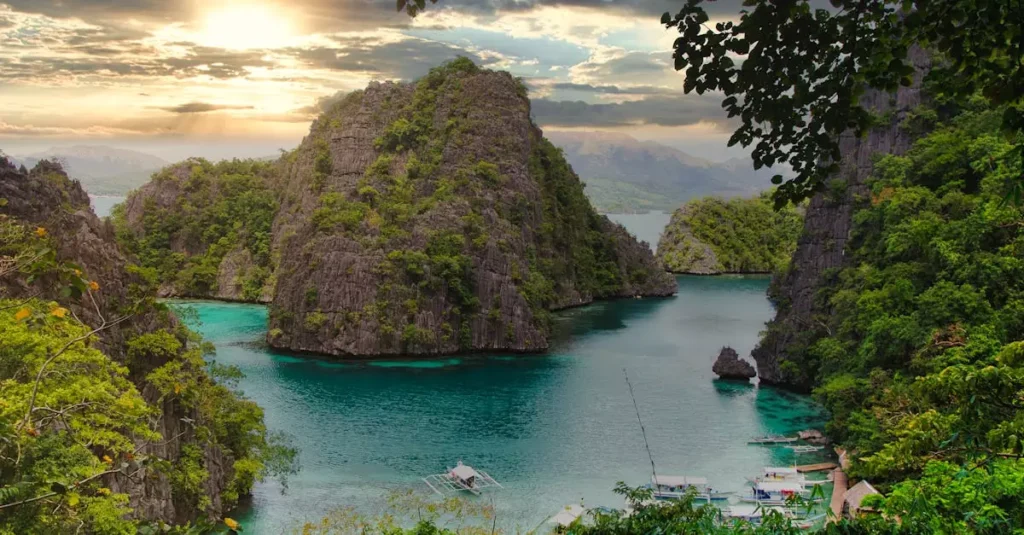
Coron in Palawan is a destination that captivates travelers with its breathtaking limestone formations, pristine lakes, and thriving underwater ecosystems. For those venturing alone, getting a clear grasp of your coron solo backpacker cost per day is essential. This breakdown covers all the major expenses so you can plan your budget wisely and enjoy every moment of your trip.
Solo travel brings a unique sense of freedomyou decide your itinerary and pace without compromise. Yet, handling your finances becomes even more critical when theres no one to share costs with. Well take a detailed look at typical expenses for lodging, meals, transportation, and excursions, giving you a realistic expectation of your daily spending.
This guide offers practical insights along with approximate costs, aiming to help you stretch your budget without missing out on key experiences. Whether you’re hunting for affordable food or must-do island tours, these tips will help you make smart choices on your Coron adventure. Lets examine the specifics of your coron backpacker daily budget.
Understanding Your Coron Solo Backpacker Cost Per Day
Daily spending in Coron varies widely depending on your travel preferences. Budget-conscious backpackers might manage on less than 1,500 daily, covering simple lodging, local meals, and shared transportation. If you prefer a bit more comfort, expect to spend between 2,000 and 3,500, which can include nicer guesthouses, diverse dining options, and private transfers. Luxury travelers often pay upwards of 5,000 a day. Most solo travelers aim for a sweet spot that balances comfort with affordability. This overview is geared towards budget to mid-range solo adventurers, providing grounded estimates and tips. Tours form a large part of your expenses, so booking group tours ahead of time can save money. This is a crucial factor in controlling your coron solo backpacker cost per day.
Prices tend to rise during the peak travel months from December to May, with accommodations and tours often costing 10-20% more. Traveling during shoulder seasons like June or November can offer decent savings while the weather remains favorable. The off-peak months from July to October see the lowest rates, but come with a higher chance of rain and rough waters. Checking local weather reports before finalizing plans is always wise. Being flexible with your travel dates can significantly affect your budget, as many local businesses provide discounts during quieter times. Staying mindful of these seasonal trends is key to accurately estimating your coron solo backpacker cost per day and stretching your funds further.
Food and drink costs can be kept reasonable with a little planning. Local eateries, or ‘carinderias,’ serve tasty and affordable meals, typically costing between 80 and 150 each. Tourist-focused restaurants usually charge more, ranging from 250 to 500 per dish. Bottled water is a must and widely available; buying larger bottles to refill smaller ones saves money and reduces plastic waste. Alcoholic drinks can add up quicklylocal beers often run from 70 to 120 in bars, while soft drinks cost around 30 to 50. Sticking to local food options and preparing some snacks yourself helps keep your food budget in check. Many hostels provide kitchen facilities, making it easy to cook your own meals. Your choices around dining have a direct effect on your overall coron backpacker daily budget.
Accommodation Options and Costs for Solo Backpackers
Solo backpackers in Coron have a variety of lodging options to consider, each varying in price and comfort. Hostels are the cheapest and most social option, with dorm beds typically costing between 400 and 800 per night. Many include breakfast and foster a friendly environment where you can meet fellow travelers. Choosing hostels in central areas also cuts down on transportation costs. Popular spots like Hop Hostel and Outpost Hostel are known for their cleanliness and welcoming staff. Booking early, especially during busy seasons, is advisable to lock in better rates and availability. The type of accommodation you select plays a big role in your coron solo backpacker cost per day, so prioritize safety and convenience.
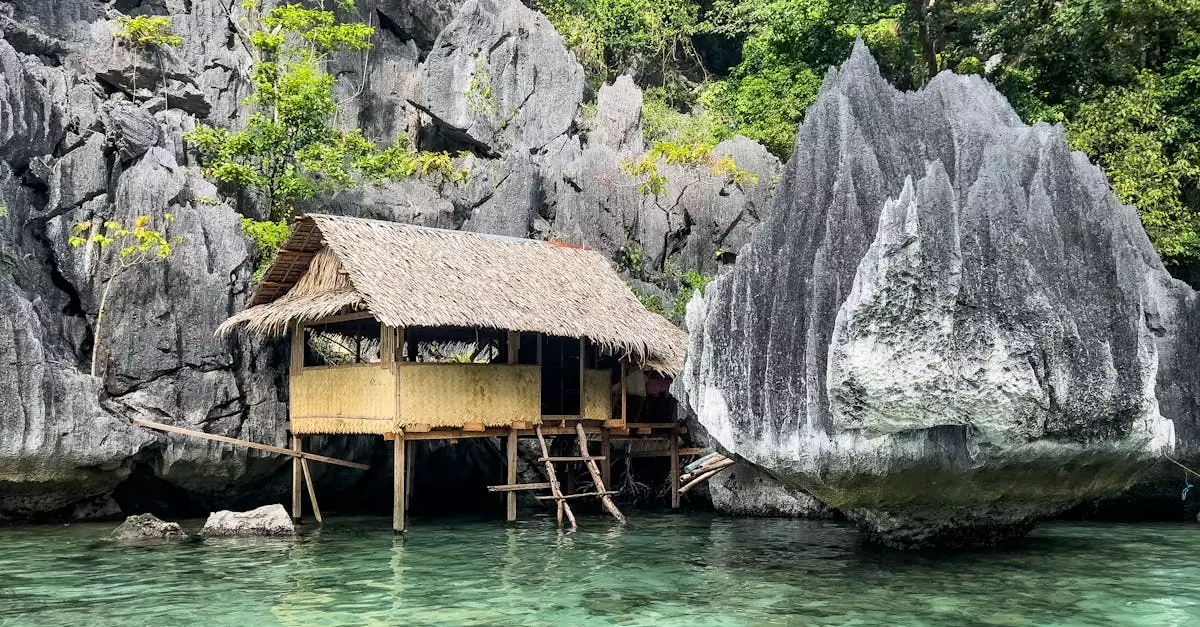
Guesthouses and budget hotels offer more privacy and tend to cost between 800 and 1,500 for a fan room with a shared bathroom. Rooms equipped with air conditioning and private bathrooms usually range from 1,500 to 2,500 per night. These options strike a good balance between comfort and expense, perfect for those seeking a quieter retreat after a day of exploring. Many guesthouses are family-run, offering a more authentic local atmosphere. Booking directly can sometimes secure better deals. Always verify what amenities are included, such as free Wi-Fi or toiletries. Staying in Coron Town Proper helps minimize tricycle fares, keeping your coron backpacker daily budget manageable. Doing thorough research on lodging options ensures you find the best match for your needs.
If you prefer something more upscale, mid-range hotels typically charge between 2,500 and 4,000 per night. These often feature extras like swimming pools, in-house restaurants, and tour booking services. Though pricier, they can provide excellent value if you plan to spend more time relaxing at your accommodation. Establishments like Coron Gateway Hotel or One Averee Bay Hotel offer comfortable bases for your stay. Checking prices on various online travel platforms can uncover discounts, so it pays to shop around. Sometimes, paying a bit more for extra convenience enhances your overall trip. Your choice here significantly influences your coron solo backpacker cost per day.
Essential Island Hopping Tours and Activities
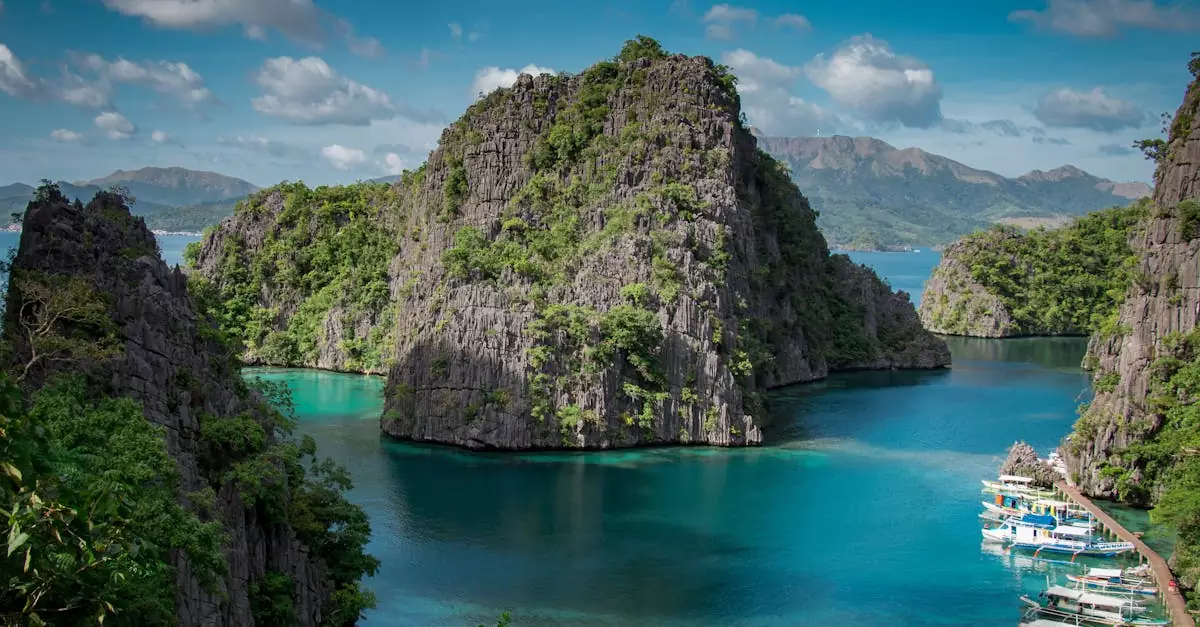
Island hopping is undoubtedly the highlight of any trip to Coron, but it also represents one of the largest daily expenses for solo backpackers. Group tours usually cost between 1,500 and 2,500 per person, often including lunch, entrance fees, and a guide. Popular tour packages include Tour A, which visits Kayangan Lake, Twin Lagoons, and Siete Pecados; Tour B, featuring Barracuda Lake, Malcapuya Island, and Banana Island; and Tour C, covering Ditaytayan Island, Malaroyroy Beach, and Lusong Gunboat. Each offers distinct scenery and experiences. Its best to book these tours through your hostel or a trusted local agency where prices tend to be standardized. Always double-check whats included to avoid surprises. Group tours are particularly budget-friendly and ideal for solo travelers.
Aside from island hopping, there are other worthwhile activities to consider. Hiking Mount Tapyas offers sweeping views of Coron Town at no cost, though it requires some physical effort. Maquinit Hot Springs is another favorite spot, with a 200 entrance fee and a round-trip tricycle ride costing about 300 to 400. Combining these activities fills your days when youre not out on the water. For diving enthusiasts, Coron is famous for its World War II shipwreck dives. A single fun dive runs between 1,500 and 2,500, while multi-day packages provide better rates. Always choose certified dive operators to ensure safety. These activities add to your coron backpacker daily budget, so plan accordingly based on your interests. Many find diving here to be an unforgettable experience.
Renting a scooter for a day offers an alternative way to explore the mainland, costing around 500 to 700 plus fuel. This lets you discover quiet beaches and local villages at your own pace. However, make sure you have an international driving permit and feel confident riding, as roads outside Coron Town can be rough. Alternatively, tricycles serve well for shorter trips, with fares inside town typically between 20 and 50 per person. For longer rides, its best to negotiate prices upfront to avoid unexpected charges. Walking around Coron Town is also an option for nearby destinations. These transport choices influence your overall coron solo backpacker cost per day, so pick what suits your budget and comfort. The Philippines offers plenty of unique travel experiences to enjoy.
Food and Dining: Keeping Your Coron Backpacker Daily Budget in Check
Enjoying good food in Coron doesnt have to drain your wallet. Local carinderias are excellent for budget-friendly meals, often family-run and serving authentic Filipino dishes. A typical plate with rice and one or two main dishes costs between 80 and 150. Seek out spots where locals dine, as they tend to offer fresh, tasty, and affordable fare. Favorites include adobo, sinigang, and grilled fishhearty meals that let you experience local flavors while keeping costs low. Carinderias also provide a glimpse into Filipino daily life and are generally open from morning until late evening, giving you plenty of dining flexibility.
If you want to spend a bit more, mid-range restaurants offer a wider selection, with meals generally priced between 250 and 500. These establishments cater more to tourists, often featuring international dishes alongside Filipino classics. Many have a comfortable atmosphere and attentive service. Popular choices along Corons main street include Lolo Nonoy’s Food Station and Santino’s Grill, both known for good food at fair prices. Treating yourself to a nicer meal occasionally adds variety without ruining your budget. Fresh seafood is a must-try here, with many restaurants offering grilled seafood platters that showcase local catches. Mixing budget meals with occasional indulgences helps keep your coron backpacker daily budget balanced and enjoyable.
Cooking your own meals is the best way to save money. If your accommodation has kitchen facilities, take advantage of them. Local markets sell fresh produce, meat, and seafood at very affordable prices. Visiting the public market can be an adventure, where you can pick up ingredients for several meals at once. Preparing simple breakfasts and dinners yourself can save hundreds of pesos each day while giving you control over your diet. Cooking with fellow backpackers can also be fun and economical, creating chances to bond and share costs. Always compare market prices to ensure good deals. This approach not only stretches your coron solo backpacker cost per day but also offers authentic local experiences.
Transportation and Getting Around Coron
Getting around Coron Town and nearby areas is straightforward and budget-friendly. The main mode of transport is the tricyclea motorcycle fitted with a sidecar. Short rides within Coron Town Proper usually cost between 20 and 50 per person. Always confirm the fare with the driver before heading off. Longer trips, such as to Maquinit Hot Springs, typically cost 300 to 400 for a round trip, which you can share with other travelers to reduce expenses. Tricycles are abundant and convenient for reaching accommodations, eateries, or tour starting points. Some roads can be bumpy, but thats part of the local charm. Planning your transport well helps keep your coron solo backpacker cost per day under control.
For exploring beyond town, renting a scooter is an option, costing about 500 to 700 per day, excluding fuel. Gas stations and roadside stalls make refueling easy. This choice gives you freedom to visit less crowded spots at your own pace. Only rent a scooter if youre confident in your riding skills, as roads can be rough, especially after rain. Always wear a helmet, drive cautiously, and ensure your travel insurance covers scooter accidents. Taking photos of the scooter before renting helps avoid disputes over damages. If youre comfortable riding, a scooter can be a cost-effective way to explore and adds to your coron backpacker daily budget.
Upon arriving at Busuanga Airport (USU), several transfer options connect you to Coron Town. Shared vans are the most economical, costing about 250 per person and taking around 45 minutes to an hour. They typically drop you at your accommodation. Private vans cost between 1,500 and 2,000 per trip and are better for groups. Booking transfers ahead of time through your hotel or hostel ensures a smooth arrival. The town itself is compact enough for walking short distances, saving you on tricycle fares. Organizing your airport transfer and local transportation thoughtfully helps manage your coron solo backpacker cost per day. Always double-check current prices once you arrive. For official travel requirements to the Philippines, visit the eTravel website.
Pros and Cons of Solo Backpacking in Coron
Pros:
- Freedom to Choose: Traveling alone means you can alter your plans on a whim without coordinating with others, allowing for spontaneous discoveries.
- Social Opportunities: Solo travel often encourages meeting new people. Hostels and group tours provide great environments to connect and possibly find travel companions.
- Personal Development: Handling challenges independently boosts confidence and self-reliance, deepening your understanding of yourself.
- Budget Management: You make all spending decisions, opting for the cheapest choices when needed, impacting your coron solo backpacker cost per day directly.
- Authentic Encounters: Traveling solo can open doors to genuine local interactions, as youre often more approachable and may receive invitations to unique experiences.
Cons:
- Some Costs Are Higher: Expenses like private tours or airport transfers are more economical when shared; solo travelers pay full price.
- Safety Considerations: While generally safe, solo travelers, especially women, should take extra precautions and keep others informed of their whereabouts.
- Loneliness: Even with social opportunities, solo travel can bring moments of solitude that feel isolating during quiet evenings or long trips.
- Logistical Burden: Managing all your belongings, navigating unknown areas, and solving problems falls entirely on you.
- Sharing Memories: Sometimes you might wish for a companion to share breathtaking sunsets or exciting moments.
Comparison Table: Daily Budget for Solo Travelers
| Category | Budget Backpacker (PHP) | Mid-Range Traveler (PHP) |
|---|---|---|
| Accommodation (Dorm/Guesthouse) | 400 – 700 | 800 – 1,500 |
| Food (Local eateries/Mix) | 300 – 500 | 600 – 1,000 |
| Island Hopping Tour (Group) | 1,500 – 2,000 (every 2-3 days) | 1,800 – 2,500 (every 2-3 days) |
| Local Transport (Tricycle/Walk) | 50 – 100 | 100 – 200 |
| Activities (Hot Springs, Mt. Tapyas) | 0 – 200 (optional) | 200 – 500 (optional) |
| Miscellaneous (Water, snacks, etc.) | 100 – 200 | 200 – 400 |
| Estimated Daily Total (excluding tours) | 850 – 1,700 | 1,900 – 3,600 |
| Estimated Daily Total (including 1 tour every 2 days) | 1,600 – 2,700 | 2,800 – 4,850 |
Note: Tour expenses are averaged over 2-3 days to estimate daily costs. This table offers a clear overview of your coron solo backpacker cost per day.
Practical Tips for Budget Travel in Coron
Stretching your budget in Coron demands thoughtful planning and mindful decisions. First, secure your accommodation well before your trip, especially during peak season when prices climb sharply. Many hostels provide early booking discountsgrab these when you can. Second, eat like a local. Carinderias serve delicious and inexpensive meals, unlike tourist spots that often charge inflated prices. Food is a major factor in your coron solo backpacker cost per day, and choosing wisely can save you a substantial amount. Immerse yourself in the local food scene.
Always agree on tricycle fares before hopping in since some drivers might quote higher prices to tourists. Familiarizing yourself with typical rates helps avoid overpaying. For island hopping, group tours are the most budget-friendly option; avoid private tours unless you have company. Sometimes, joining small groups at the port allows for better price negotiations. Carry a reusable water bottle and refill it at hostels or cafes to cut down on bottled water expenses and reduce plastic waste. These small habits can significantly ease your coron backpacker daily budget. Keeping small bills in Philippine Pesos on hand is also useful.
Important Tips:
- Avoid Common Mistake 1: Carrying too little cash. Many places, especially on the islands, only accept cash. ATMs exist in Coron Town but occasionally run dry. Bringing enough cash for daily needs and tours prevents hassles.
- Avoid Common Mistake 2: Overpacking. Traveling light saves on baggage fees and makes transfers between boats and tricycles easier.
- Reality Check: Crowds and Delays. Coron is popular and busy, particularly at top spots like Kayangan Lake. Weather or logistics can cause tour delays, so patience and flexibility are important.
Traveling during shoulder seasons like June or November can mean fewer tourists and better prices, with generally pleasant weather. Avoid peak holidays such as Christmas and Easter when costs soar. Booking flights and ferries early can also lead to big savings. Flexibility with your travel dates offers the greatest advantage for your budget. For more background on the country, visit the Philippines Wikipedia page. These insights help you prepare for a smoother, wallet-friendly trip, directly influencing your coron solo backpacker cost per day. Smart decisions make for a richer experience.
FAQs About Coron Solo Backpacker Cost Per Day
How much cash should I bring to Coron?
Bringing between 5,000 and 10,000 in cash is advisable. Many small businesses and local tour operators only accept cash. While ATMs are available in Coron Town, they sometimes run out of money or malfunction. Having sufficient cash ensures you avoid inconvenience.
Is Coron safe for solo female travelers?
Coron is generally safe for solo female travelers, though standard precautions apply. Avoid walking alone late at night in poorly lit areas, keep friends or family informed of your plans, and stay alert to your surroundings.
Can I find vegetarian or vegan food options easily?
Vegetarian choices exist but may require some effort. Many Filipino dishes include meat or fish, but you can order ‘gulay’ (vegetables) or ‘pritong itlog’ (fried egg). Some tourist-focused restaurants offer dedicated vegetarian dishes. Inform your tour guides ahead of time if you have dietary restrictions, especially for island hopping meals.
What is the best way to book island hopping tours?
The most reliable method is through your hostel, guesthouse, or a reputable tour agency in Coron Town. Group tour prices are generally consistent across providers. Booking early guarantees your spot, especially during busy periods. Always clarify whats included to avoid surprises.
Are there any hidden costs I should be aware of?
Environmental fees are usually bundled in tour prices but check to be sure. Some islands charge small landing fees that might not be included. Tipping isnt mandatory but appreciated for good service. If you dont negotiate tricycle fares upfront, unexpected transport costs can arise. Clarify all fees before agreeing to services.
Conclusion: Mastering Your Coron Solo Backpacker Cost Per Day
Setting out on a solo backpacking trip to Coron offers rewarding experiences. With thoughtful preparation, managing your coron solo backpacker cost per day becomes straightforward. This overview has covered lodging, food, tours, and transport. Embracing local options and making savvy choiceslike joining group tours, eating at local eateries, and using tricycles or walkinglets you enjoy Corons wonders without overspending. Your daily budget remains firmly in your hands.
Flexibility greatly benefits solo travelers. Stay open to unexpected opportunities and local tips. While budgeting matters, allowing for occasional treats like a special meal or extra activity can create lasting memories. Coron combines stunning scenery and vibrant culture with excellent value, welcoming adventurers of all budgets. With good planning, you can forge unforgettable memories while keeping costs sensible.
By following the advice shared here, youll be well-prepared to explore Coron confidently on your own. Relish the freedom, the breathtaking landscapes, and the warm Filipino hospitality. Your next great adventure awaits. Wishing you safe travels and an amazing Coron experience filled with discovery and joy. This information supports your journey toward a fulfilling, budget-conscious trip. Happy backpacking!