Understanding the Kathmandu Durbar Square Ticket Price in 2026
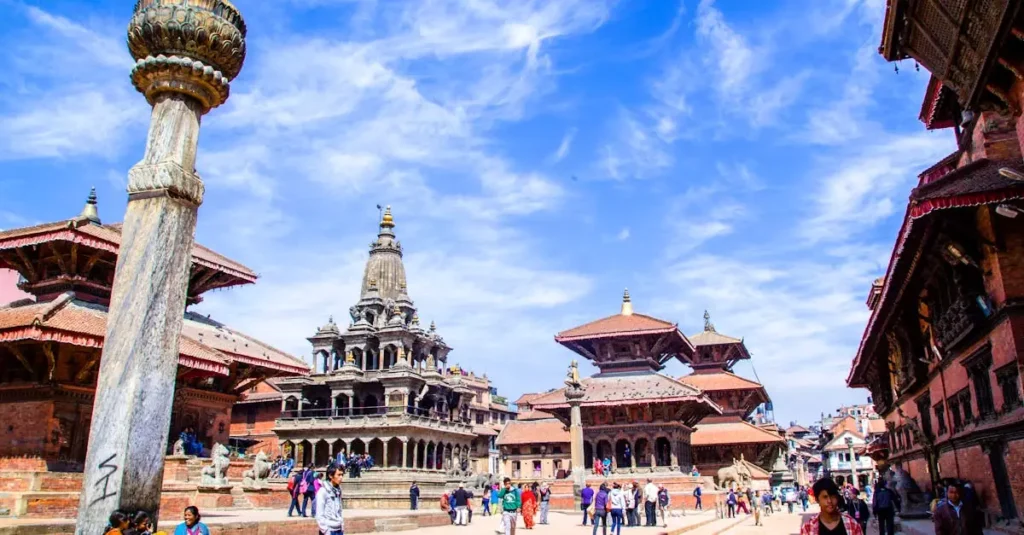
Kathmandu Durbar Square sits at the center of Nepals capital and draws travelers for its centuries-old palaces, temples, and public courtyards. If you’re planning a visit in 2026, knowing the current kathmandu durbar square ticket price helps you budget your trip. This UNESCO World Heritage complex once housed the Malla and Shah monarchs and today offers a vivid mix of religious life, social gatherings, and remarkable Newari architecture. Carved wooden windows, large stone icons, and weathered red brick tell stories that span generations.
The square functions as more than a preserved relic; it remains woven into daily city life. Locals come here to pray at small shrines and to move through the courtyards as part of their routine. Your entry fee supports repairs and upkeep work that has been especially necessary since the 2015 earthquake. By 2026 many major restorations are complete or nearing completion, and your ticket gives you access to the inner courtyards and museum displays holding royal artifacts.
On arrival youll find several gates around the perimeter, each with a modest ticket counter where staff check passport or ID. The durbar square entry fee differs by nationality, so be ready to present documentation to receive the correct rate. Keep your ticket on you while you explore: guards frequently spot-check tickets as visitors pass between palace sections. Below, the article lays out exact prices for different groups and explains what the ticket covers during a visit.
Detailed Breakdown of Durbar Square Entry Fee for Different Nationalities
Ticketing at Kathmandu Durbar Square is split into three major categories: Foreign Tourists, SAARC Nationals, and Chinese Nationals; Nepali residents generally enter free of charge. Visitors from outside South Asia usually pay the highest rate, which includes general access to the square plus admission to the Hanuman Dhoka Palace Museum. For official updates on these fees, consult the Nepal Tourism Board website before you travel.
Travelers from SAARC member countries such as India, Bangladesh, and Sri Lanka enjoy a reduced rate thanks to regional tourism agreements. To claim this concession you must present a valid passport or government ID; without proof, the staff will apply the full international tariff. Payments are primarily accepted in Nepalese Rupees (NPR). Although some booths may accept major foreign currencies, exchange values are seldom favorable, so its best to carry local cash.
Authorities introduced simpler procedures for multi-day passes in 2026. If youre based in Thamel and plan to pass through the square several times, you can extend your ticket by visiting the site office with your passport and a passport-sized photo. They will mark your ticket for extended use without charging extra. Photographers who want to capture dawn and dusk light will find this particularly useful. If youre carrying professional camera gear, keep the ticket visible, as guards may request to see it more frequently.
| Category | Ticket Price (NPR) | Approximate USD | Inclusions |
|---|---|---|---|
| Foreign Nationals | 1,000 NPR | $7.50 | Square Entry + Museum |
| SAARC Nationals | 500 NPR | $3.75 | Square Entry + Museum |
| Chinese Nationals | 1,000 NPR | $7.50 | Square Entry + Museum |
| Nepali Citizens | Free | $0.00 | All Access |
What Does Your Ticket Include? Exploring the Complex
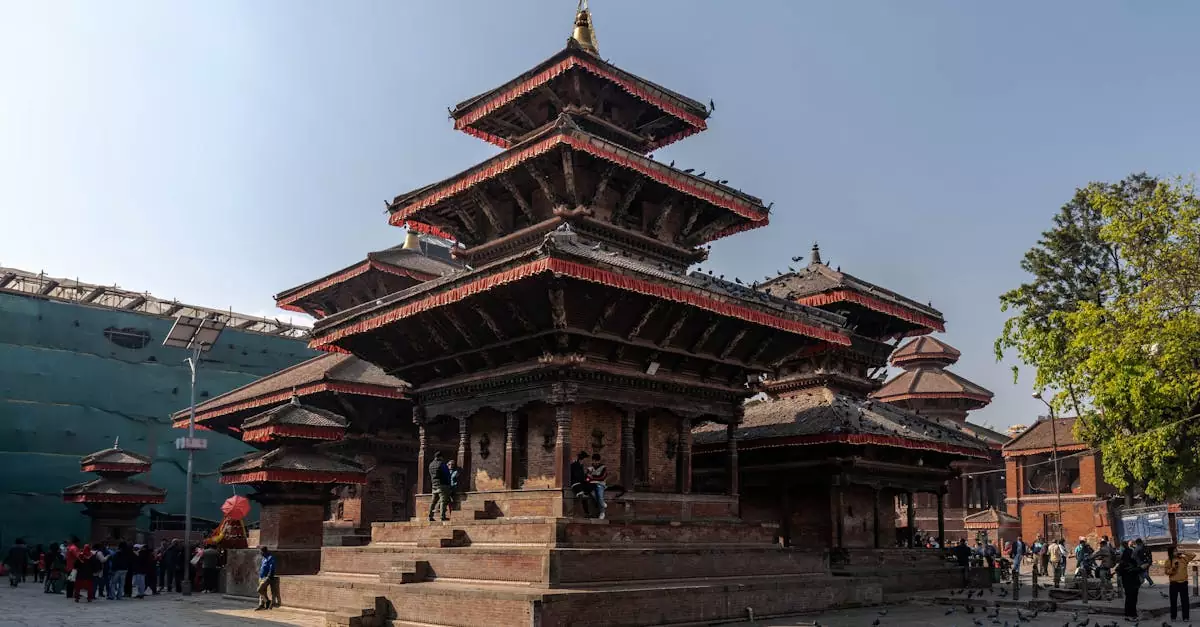
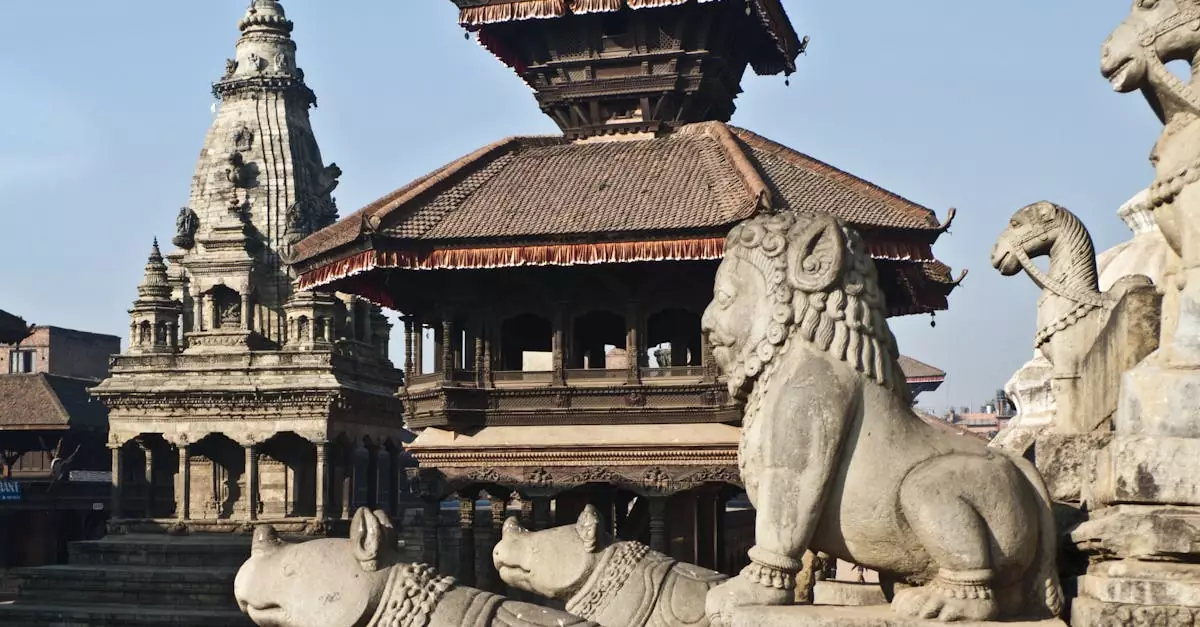
The kathmandu durbar square ticket price covers more than an open-air stroll; the Hanuman Dhoka Palace Museum is the primary indoor highlight. The museum occupies part of the old royal residence and displays items tied to Nepals monarchy from ceremonial thrones and weapons to personal artifacts of former rulers. The palace courtyards are full of architectural detail: ornate wooden windows and carved doorways exemplify Newari skill.
The ticket also grants access to the courtyard outside the Kumari Ghar, the home of the Living Goddess. Photography of the Kumari herself is not permitted, though visitors sometimes glimpse her at the window during set times. Nearby stands the Kal Bhairav relief, a massive stone depiction of Lord Shivas fierce form. Many locals regard it as an arbiter of truth and bring disputes there, believing falsehood will be divinely punished.
Funds from tickets help maintain structures like the Taleju Temple, the tallest temple in the square. Hindus are permitted inside only on specific occasions such as the Dashain festival, but the temples gilded, three-tiered roofs can be admired from the outside year-round. The ticket also covers the area around Kasthamandap, the historic structure that lent Kathmandu its name; it was rebuilt after the 2015 quake using traditional carpentry. Walking these sites highlights both cultural depth and resilience. For more cultural context consult the official Nepal tourism site.
Best Time to Visit and Practical Logistics
Early morning is the quietest and most pleasant time to explore the square around 8:00 AM the air is cooler and fewer tourists are present. At that hour youll see locals carrying out rituals and feeding flocks of pigeons, which creates memorable photographic moments. Ticket counters open at dawn and usually stay open until sunset. If you prefer softer light, late afternoon offers a beautiful golden glow on the roofs, but remember museum hours usually end around 4:00 or 5:00 PM depending on the season.
The square is easy to reach. From Thamel its roughly a 15-minute walk through the bustling lanes of Ason and Indra Chowk, where spice stalls, cloth merchants, and small shrines line the way. If walking isnt ideal, rickshaws and taxis can drop you at the pedestrian boundary; taxis typically charge a modest flat rate from Thamel. For daily transport planning, see a detailed guide at kathmandu travel cost.
Wear sturdy shoes much of the ground consists of old bricks and uneven paving that can become slick in the monsoon months (June to August). Bring water and sunscreen, and consider pausing at one of the rooftop cafs encircling the square. They provide a welcome rest and sweeping views of the complex, ideal for people-watching or photographing the scene without feeling rushed.
Pros and Cons of Visiting Kathmandu Durbar Square
One major advantage of visiting is the concentration of historic sites in a compact area: temples, palaces, and public spaces are all within easy reach, offering a dense introduction to Newari culture. Its central position makes it simple to slot into a short itinerary. The presence of the Living Goddess gives the place a cultural singularity few other sites can match. Compared with some Western heritage attractions, the ticket price is modest.
On the other hand, expect crowds and constant activity the square doubles as a public thoroughfare, complete with pedestrians, occasional motorcycles, and street vendors. Persistent souvenir sellers and local guides can feel intrusive, so a polite but firm refusal helps. Some minor structures may still be behind scaffolding, though many visitors appreciate watching traditional craftsmen at work during restoration.
- Pros: Central location, rich history, unique cultural experiences, and beautiful photography spots.
- Cons: High traffic, persistent vendors, occasional noise, and potential crowds during festivals.
- Reality Check: Expect to spend about 2 to 3 hours here to see everything properly without rushing.
Essential Tips for Budget Travelers in Kathmandu
If youre keeping a tight budget, ask about a multi-day pass to avoid paying the durbar square entry fee repeatedly. Consider touring on your own using reputable guidebooks or online resources to save on guide fees; if you do hire a guide, agree a price up front and insist on an official government license to ensure accurate information.
Eat at modest local eateries a few blocks from the square rather than at the rooftop cafs inside the latter offer views but command higher prices. A few doors down you can find authentic Newari dishes such as ‘Bara’ and ‘Choila’ for a fraction of the cost. Carry a refillable bottle and top it up at your hotel to avoid overpriced bottled water in tourist zones and to cut down on plastic waste.
Keep in mind Kathmandu is only one of three major Durbar Squares in the valley Patan and Bhaktapur each charge their own entrance fees. If you plan to visit all three, build those costs into your itinerary. The history of Tourism in Nepal shows these fees play a crucial role in local livelihoods and conservation. The cultural return often outweighs the expense, and the fees help support artisans and heritage protection.
Comparing Kathmandu Durbar Square with Other Heritage Sites
Visitors often wonder whether to visit one, two, or all three Durbar Squares. Kathmandu Durbar Square is centered on the royal palace and the Kumari residence and tends to feel busy and lived-in. Patan Durbar Square is celebrated for exquisite metalwork and the elegant Krishna Mandir, offering a quieter, more art-focused atmosphere. Bhaktapur, farther from the city core, feels like a preserved medieval town and generally provides more open space and cleanliness, though its entrance fee for foreigners is higher.
Cost-wise, Kathmandu and Patan typically charge similar rates, while Bhaktapur is pricier for non-residents. If you have time for only one, Kathmandus proximity to Thamel makes it the most convenient and gives a fast, rich taste of Nepali history. Art and architecture lovers might prefer Patan, and those seeking a quieter, almost time-warped experience should choose Bhaktapur. Many multi-day tours include all three so you can compare Malla-era styles and city layouts side by side.
Travel time also matters: Kathmandu Durbar Square is walkable from the main tourist hub, Patan is a short taxi ride across the river, and Bhaktapur often requires a 45-minute to hour-long drive depending on traffic. When time is limited, the kathmandu durbar square ticket price delivers excellent value a palace, several temples, and a museum all within one central location make for a concentrated cultural stop.
Frequently Asked Questions About the Entry Fees
Is the museum entry included in the ticket price?
Yes. The standard ticket for foreign and SAARC visitors includes access to the Hanuman Dhoka Palace Museum, so theres no separate charge to view the royal exhibits. Keep your ticket handy because it will be checked at the museum entrance.
Can I pay for the ticket with a credit card?
Most booths accept only cash in Nepalese Rupees. A few larger offices may have card machines, but those can be unreliable due to connectivity. Its wise to carry enough cash to cover your group and avoid delays.
Do children need to pay the full entry fee?
Children under 10 typically enter free. Older children may be charged a full or reduced rate depending on age or height criteria, and staff may request a passport or other ID as proof, so have documentation available if needed.
What happens if I lose my ticket?
Losing your ticket means youll probably need to buy another if a guard asks to see it theres no centralized digital verification at the gates. To reduce risk, store the ticket securely or photograph it as a backup, though a photo may not always be accepted as proof.
Are there discounts for group bookings or students?
Standard student discounts are not offered at the gate, but large organized educational groups can sometimes arrange a special rate through prior coordination with the municipality. For most individual travelers, prices are fixed by nationality as posted on the official boards.
Final Thoughts on Visiting this UNESCO World Heritage Site
Paying the kathmandu durbar square ticket price opens the door to a dense, layered experience of Nepalese history and culture. From the carved windows and palace courtyards to the museums royal displays, each corner of the square offers something to discover. By 2026 many restorations have improved access and presentation, making the complex easier to enjoy for photographers, historians, and casual visitors alike.
Show respect for local customs: dress modestly, remove shoes where requested, and ask before photographing people. Your ticket helps fund conservation work and supports the local economy, preserving these treasures for future visitors. Bring your ID, plan your visit, and prepare to step into the rhythm of Kathmandu the Durbar Square is a place where history and everyday life meet in striking contrast.