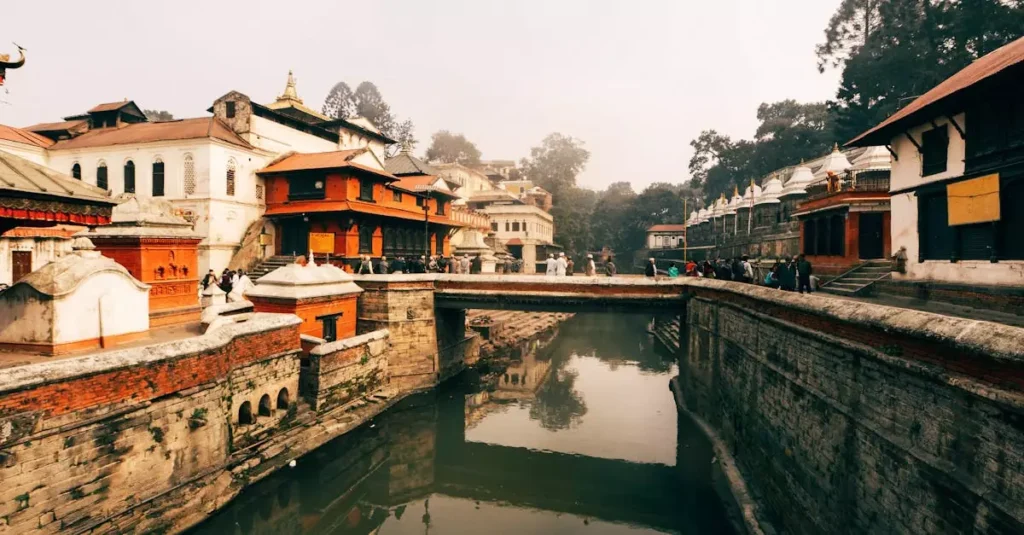
Introduction to Pashupatinath Temple in Kathmandu
Pashupatinath Temple stands as Nepal’s foremost Hindu sanctuary, perched along the banks of the Bagmati River in Kathmandu. Every day thousands of pilgrims and visitors pass through its gates, drawn to a complex that’s listed as a UNESCO World Heritage site. If your trip is planned for 2026, knowing the pashupatinath temple entry fee will help you budget correctly. Many visitors spend several hours wandering the grounds to take in the rituals, monuments, and atmosphere. From the moment you arrive, the place has a palpable spiritual intensity. Expect to dedicate around half a day to see the principal areas without hurrying.
The temple compound is far more than a single shrine; it is a sprawling ensemble of smaller temples, statues, and historic structures. You will notice intricate stone reliefs and gilded rooftops that reflect its rich architectural heritage. Pilgrims come for solace and to observe ongoing rites, so it helps to be familiar with local customs before entering. Showing simple courtesies goes a long way here. The site can be busy, particularly during peak hours, so an early start usually makes for a calmer visit.
Pashupatinath is a must-see on many Nepal itineraries because it reveals much about the country’s spiritual traditions. Visitors can watch the riverside Aarti at dusk or view the cremation ghats across the water experiences that are intense and educational. Knowing the pashupatinath temple entry fee ahead of time prevents surprises at the gate. The information below includes current ticket details, transport tips, and the best times for photography to help you plan your 2026 visit.
Understanding the Pashupatinath Temple Entry Fee Structure
The pashupatinath temple entry fee is administered by the Pashupati Area Development Trust, and the revenue supports conservation and upkeep, including riverbank cleaning. For 2026, foreign visitors pay 1,000 Nepalese Rupees (NPR), which converts to roughly seven to eight US dollars. Purchase tickets at the official counters placed at the main entrances; the staff will hand you a paper ticket that you should keep until you leave. Signs mark the tourist gates, and guards may request to see your ticket while you explore the complex.
Visitors from India have a different arrangement because of cultural ties; they are usually not charged the full tourist rate for general entry, although special ceremonies or restricted areas can incur separate fees. Nationals from SAARC countries enjoy a reduced rate the current pashupatinath ticket price for SAARC citizens is 500 NPR, provided you can present a valid passport. Carrying a digital copy of your ID on your phone speeds up the process and can prevent having to pay the higher fee by mistake.
Local Nepali worshippers do not pay an entry charge, since the temple serves as a key place of devotion. On major festival days such as Maha Shivaratri, expect massive crowds and possible changes to entry procedures for safety reasons. Check updates on the Nepal Tourism Board site before attending public holidays. Many visitors find the fee fair given the scale of the complex and the number of staff and community services it supports, including daily offerings and aid for sadhus.
Current Pashupatinath Ticket Price for International Visitors
The pashupatinath ticket price remains steady throughout the year, with no seasonal surcharges. Counters accept Nepalese Rupees, and while a few may take major foreign currencies, the conversion rates are often unfavorable. It’s advisable to withdraw cash in Thamel before heading out because most small vendors by the temple won’t take cards. Carrying small NPR notes is helpful when buying offerings or bottled water. Several ticket booths dot the perimeter; a prominent one sits near the Gaushala intersection.
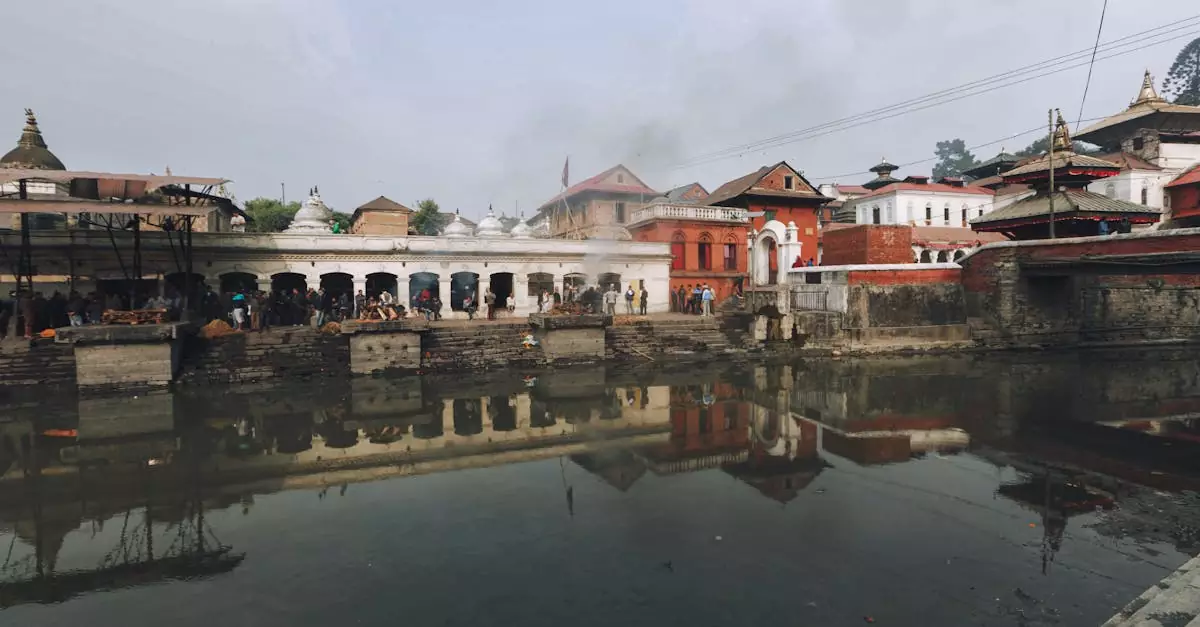
After paying the pashupatinath temple entry fee, visitors usually receive a simple map of the grounds a useful handout since the layout can be confusing. Beyond the main shrine lies a maze of smaller temples tucked into wooded areas; climbing the steps toward the Shleshmantak forest rewards you with a sweeping view of the main temple’s golden roof. Note that non-Hindus are not permitted inside the inner sanctum; you can observe it from outside or across the river, and guards enforce this restriction strictly.
Tickets are generally valid for a single entry on the date of issue. If you plan to return for the evening Aarti, keep the ticket safe; some staff allow re-entry the same day if you can show the original pass, though policies vary. Staying through the transition to night is worthwhile the lamps, chanting, and evening rituals create a memorable atmosphere and make the most of your pashupatinath ticket price. Many visitors cite the Aarti as the high point of their visit.
What is Included in Your Pashupatinath Entry Ticket?
The entry ticket grants access to a large portion of the 264-hectare complex, including the Bagmati River banks where public cremations take place which can be observed respectfully from designated vantage points. Within the grounds you will find some 492 temples and shrines, many devoted to various forms of Lord Shiva, along with 15 Shivalayas and models of 12 Jyotirlingas. The pass also covers nearby sacred sites such as Guhyeshwari Temple. For more background on these places, see the official Nepal tourism portal.
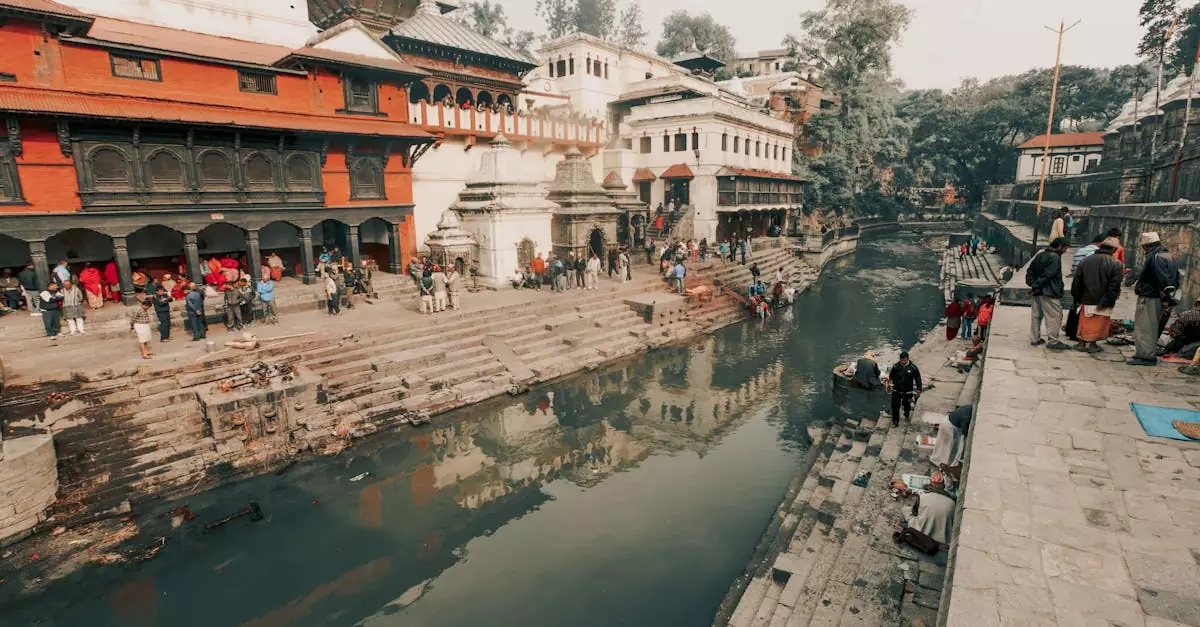
Photography is permitted in most outdoor zones, but taking pictures of cremation ceremonies is strictly forbidden out of respect for grieving families signs around the site make this clear. Guards may check cameras if they suspect rules are being broken. Always ask before photographing sadhus; many expect a small tip for posed photos, though you are under no obligation to pay. Approach such interactions politely and be prepared to decline if you prefer not to participate.
The ticket does not cover the cost of a licensed guide. Guides wait near the entrances and commonly charge between 1,000 and 2,000 NPR for a tour. A knowledgeable guide can illuminate the site’s layered history, point out symbolic details you might miss, and lead you to the best viewpoints. Verify a guide’s official credentials and agree on the fee and itinerary before setting off to avoid misunderstandings later.
Best Time to Visit and Logistics in Kathmandu
Early morning and late afternoon are the most rewarding times to visit Pashupatinath. Morning hours allow you to witness daily puja rituals in cooler air, with incense lingering and fewer crowds before 10:00 AM. The same pashupatinath temple entry fee applies regardless of arrival time, but the experience is generally quieter and more photogenic at dawn when the soft light flatters the ancient stonework.
Visiting in the late afternoon positions you for the Bagmati Aarti, which typically begins around 6:006:30 PM and is a vibrant display of music, fire, and devotion. To secure a good viewing spot, arrive at least 30 minutes beforehand and consider sitting on the opposite river steps for an unobstructed perspective. Expect a lively atmosphere with bells, drums, and conch shells accompanying the ceremony a vivid way to finish a day in Kathmandu.
Reaching the temple from central areas like Thamel is straightforward. A taxi ride may cost 500700 NPR if you negotiate or use the meter; allow extra time during heavy traffic, since short trips often take much longer than expected. Ride-hailing apps such as Pathao and InDrive can be cheaper and more dependable than hailing a street taxi. Public buses also serve the nearby Gaushala stop. For wider transport budgeting, consult the kathmandu travel cost guide.
Comparison Table: Entry Fees vs Other Kathmandu Sites
Comparing entrance prices helps when organizing an itinerary across Kathmandu’s heritage attractions. Many sites are managed by different trusts or government bodies and have varying fees. The pashupatinath temple entry fee sits toward the higher end, but the scale and number of points of interest within the complex make it good value. Below is a table summarizing entry fees for notable sites in the Kathmandu Valley for 2026.
| Site Name | Foreigner Fee (NPR) | SAARC Fee (NPR) | Estimated Visit Time |
|---|---|---|---|
| Pashupatinath Temple | 1,000 | 500 | 3-4 Hours |
| Boudhanath Stupa | 400 | 100 | 1-2 Hours |
| Swayambhunath (Monkey Temple) | 200 | 50 | 2 Hours |
| Kathmandu Durbar Square | 1,000 | 150 | 2-3 Hours |
| Patan Durbar Square | 1,000 | 250 | 2-3 Hours |
Given the breadth of Pashupatinath, many travelers pair it with nearby Boudhanath in a single outing; the two are close by and can be reached on foot in about 2030 minutes, depending on traffic and your pace. Walking saves taxi fares, but be cautious on busier roads and consider a short cab ride if heat or crowds tire you. Always keep your tickets accessible, as some zones require proof of purchase for re-entry.
Pros and Cons of Visiting Pashupatinath Temple
Pashupatinath delivers a powerful cultural encounter, though it isn’t suited to every traveler. Its major strengths include a concentrated immersion in centuries-old ritual, striking UNESCO-listed architecture, and the chance to witness the evening Aarti. The site draws pilgrims from across South Asia, making it an excellent place to observe living religious traditions and to capture memorable photographs.
- Pro: Deep spiritual and cultural immersion.
- Pro: Beautiful UNESCO World Heritage architecture.
- Pro: Opportunity to see the Aarti ceremony.
- Con: The cremation rituals can be emotionally difficult for some.
- Con: The area can be very crowded and noisy.
- Con: Monkeys can be aggressive if you carry food.
At the same time, some visitors feel overwhelmed by the raw realism of open-air cremations and the hustle of vendors and beggars. Persistent sellers and the occasional aggressive vendor can make parts of the visit tiring. Monkeys are another common nuisance; they may snatch food or small items, so keep belongings secure. If you are sensitive to smoke or strong odors, bring a mask or choose quieter areas like the forested sections for respite.
For most people, the pashupatinath temple entry fee proves a modest cost for a visit that stays with you long after you leave. Observing devotion, family rituals, and solitary meditation offers a perspective on life and mortality that many find profound. If crowds get to you, step away to the quieter wooded zones, where the atmosphere is more contemplative and calm.
Practical Tips for Your Visit to Pashupatinath
Simple preparations can improve your visit significantly. Dress conservatively both shoulders and knees should be covered as a sign of respect. Footwear that slips on and off easily is useful since some shrines require shoes to be removed; a small bag to keep them in helps prevent mix-ups. If you are sensitive to smoke or dust, carry a mask to stay comfortable during long periods near the river.
Do not bring visible food or plastic bags; monkeys quickly associate plastic with edibles and will try to snatch them. If approached by a monkey, avoid sudden movements and do not stare; calmly move away. Bring your own bottled water to avoid tourist price markups at nearby stalls, and wear comfortable shoes for the many steps that lead to forest viewpoints.
Beware of staged sadhus who pose for photos primarily to collect tips genuine holy men are usually occupied with prayer or meditation. If you choose to photograph someone who asks for money, a polite tip of around 100 NPR is common. Also, be cautious with people offering quick blessings or forehead marks; they often expect immediate payment. A firm, polite refusal will usually end the interaction without offense.
FAQs About Pashupatinath Temple
How much is the pashupatinath temple entry fee for foreigners?
For 2026, international tourists are charged 1,000 Nepalese Rupees (NPR) to enter the main public areas of the complex. The inner sanctum of the primary temple remains restricted to Hindus. Tickets are available at the official gates surrounding the site.
Can I pay the pashupatinath ticket price with a credit card?
Most counters accept cash only, specifically Nepalese Rupees. It is advisable to bring sufficient cash when you visit; ATMs in the Gaushala area can be used if you run short.
Is the entry fee different for Indian citizens?
Indian nationals typically are not charged the full 1,000 NPR tourist fee for general entry, though special ceremonies or services may carry separate charges. Carry an Aadhaar card or passport for identification to verify any concessions.
What are the opening hours for Pashupatinath Temple?
The complex is generally open from 4:00 AM until 9:00 PM daily, although the main temple doors are often closed in the middle of the day roughly from noon until late afternoon. The evening Aarti commonly begins around 6:00 PM.
Do I need a guide to visit Pashupatinath?
A guide is optional but can add valuable context. If you hire one, confirm they hold an official license and agree on price and duration beforehand to avoid surprises.
Conclusion
Understanding the pashupatinath temple entry fee helps you prepare for a meaningful visit to this important spiritual center. The 1,000 NPR charge for foreigners supports conservation and community services while granting access to much of the expansive complex. Whether you arrive for the architecture, the riverside rituals, or the Aarti, Pashupatinath offers experiences that linger long after you leave. Plan your timing, respect local customs, and take breaks in quieter areas if needed to get the most out of your visit. A carefully arranged trip will make your 2026 stay in Kathmandu richer and more memorable.