Introduction to the Sacred Hill of Swayambhunath
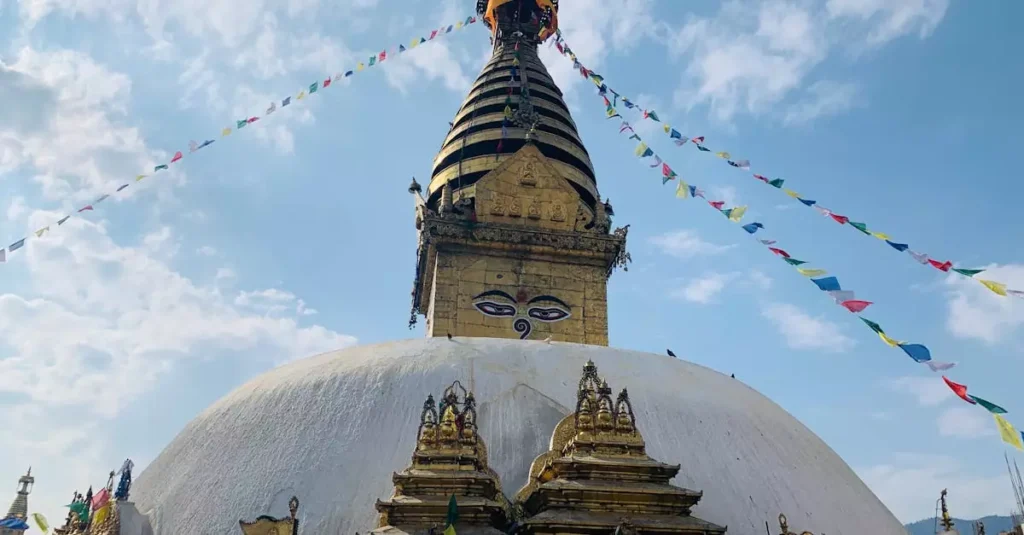
Perched on a hill overlooking the Kathmandu Valley, Swayambhunath Stupa gleams with its white domes and gilded spire. Locals and visitors often call the complex the Monkey Temple because of the lively troops of macaques that roam the terraces. Look for the iconic painted eyes of the Buddha, fluttering prayer flags, and wafts of incense that give the place a calm, contemplative feel far removed from the bustle below.
When organizing a visit to this UNESCO World Heritage site, one of the first practical questions is the swayambhunath temple ticket price for the year. Knowing the fee helps you balance your daily budget while sightseeing around Kathmandu. The city is generally affordable, but entrance charges to major attractions can add upwhether youre traveling alone or with family, understanding costs ahead of time makes planning easier. This post compiles the latest details for 2026 so you can plan with confidence.
Visiting the Monkey Temple is rarely just a quick photo stop. Expect to climb stone steps, witness local rituals, and hear monks chanting in nearby monasteries. Devotees turning prayer wheels and pilgrims circling the stupa create a vivid, immersive atmosphere. From the summit you get sweeping, 360-degree views of the valley. Youll also find information on the monkey temple entry fee and tips for avoiding peak crowds so your visit goes smoothly.
The Rich History and Architecture of Swayambhunath
Swayambhunath ranks among Nepals oldest sacred sites, wrapped in legend and antiquity. According to tradition, the valley was once a vast lake with a single lotus at its center; the stupa grew where that lotus opened. The name Swayambhunath translates as self-existent one. Historians date the site back to the 5th century, and successive rulers and devotees have added shrines and sculptures, producing a layered landscape of architectural styles.
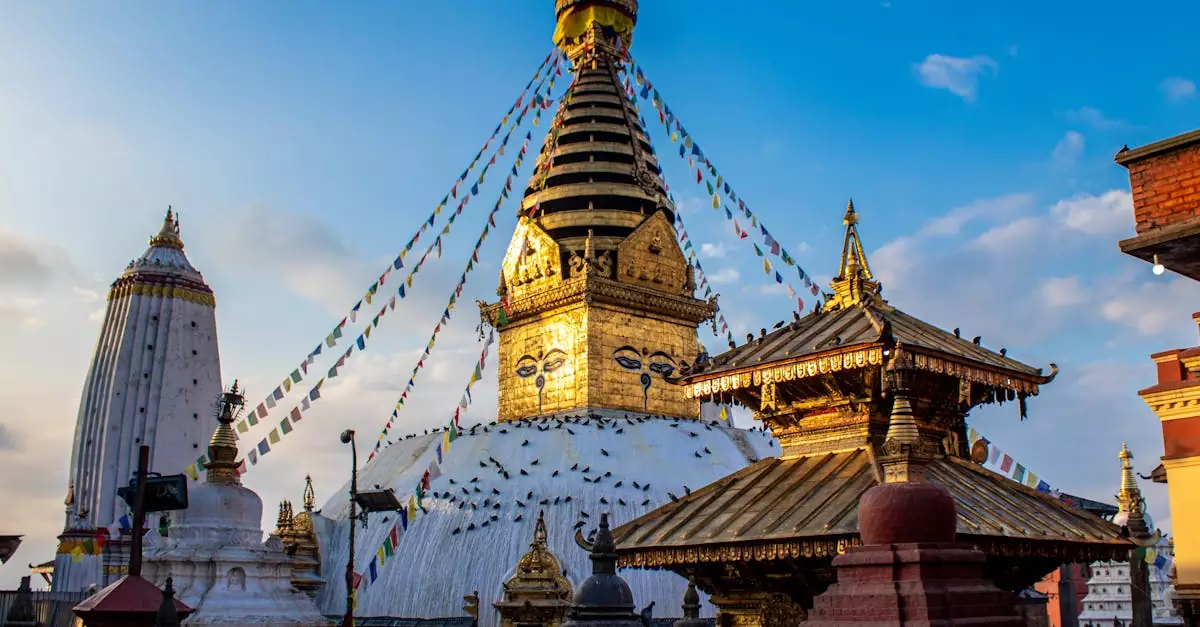
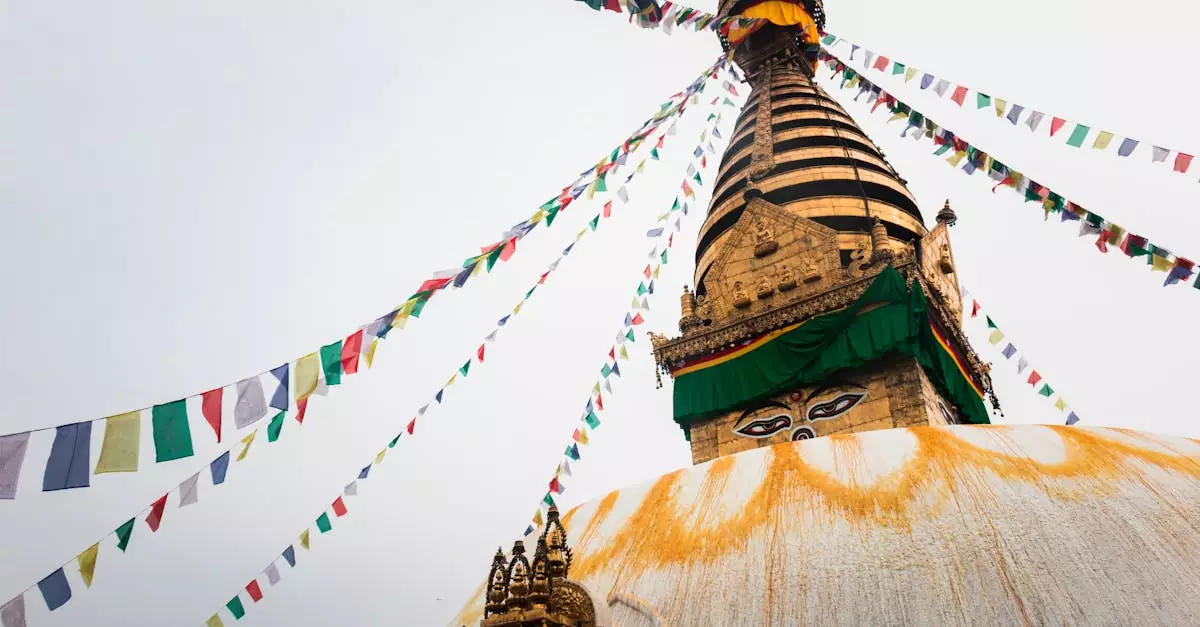
The giant white stupa is the complexs focal point. At the base of its spire, four sets of eyes gaze out in the cardinal directionssymbols of the Buddhas omniscience. Between them sits a symbol resembling a nose, actually the Nepali numeral one, signifying unity. Above, a gilded canopy features thirteen tiers that represent the stages a practitioner passes through on the path to enlightenment.
Encircling the main dome are numerous smaller temples and shrines, many of which reflect Nepals blending of Buddhist and Hindu traditions. Close by stands the Harati Devi Temple, where parents come to pray for their childrens health. Several monasteries on the hillhouse vibrant Tibetan thangkas and carved images. The hill functions like a living museum, where artistry, faith, and daily life converge.
Current Swayambhunath Temple Ticket Price for 2026
For many travelers the swayambhunath temple ticket price remains a modest sum for access to such a historic site. In 2026 the standard entry fee for foreign tourists is 600 Nepalese Rupees (NPR). That rate generally applies to visitors arriving from outside South Asia. Travelers from SAARC countries typically pay a reduced fee.
Tickets are sold at the base of the main stairway and at the side entrance where vehicles drop off passengers. Keep your ticket on you while inside the complex, as officials may request to check it near the stupa. Nepali citizens enjoy free admission, and children under ten are usually admitted without chargemaking the site accessible for local families.
When you factor the swayambhunath temple ticket price into your overall kathmandu travel cost for the day, its often seen as excellent value. Most visitors spend two to three hours on the hill. Revenue from tickets helps fund maintenance and restoration workespecially important after the 2015 earthquake, which required substantial repairs to shrines and pathways. Check the official tourism board for any updates before you travel.
Understanding the Monkey Temple Entry Fee Categories
The monkey temple entry fee is organized to reflect different visitor types. Foreign nationals usually pay the highest rate600 NPRcommon practice at many heritage sites across Asia to support upkeep. Converted to dollars, this works out to roughly 4.505.00 USD, which many travelers consider inexpensive compared with major attractions in Europe or North America.
Visitors from SAARC countriesIndia, Pakistan, Bangladesh, Sri Lanka, Bhutan, and the Maldivestypically pay a discounted rate of about 200 NPR. Indian tourists form a large share of the temples visitors, and these preferential prices reflect longstanding cultural and regional ties. Students or volunteers residing in Nepal may qualify for lower rates if they present valid ID or a residence permit; always ask at the counter if you think youre eligible.
Once youre inside there are generally no surprise charges: most smaller shrines and photo opportunities do not carry extra fees. Local guides often offer their services for a fee; they can add depth to your visit, but hiring one is optionalagree on a price before you begin. For official visitor rules and more details see the Nepal tourism information portal.
Comparison of Entry Fees in Kathmandu
Comparing the swayambhunath temple ticket price with fees at other Kathmandu attractions helps when planning your route for the day. Kathmandu Durbar Square, for example, usually charges about 1000 NPR. Boudhanath Stupa and Swayambhunath often share similar pricing. Patan and Bhaktapur Durbar Squares have their own rates as wellknowing these in advance helps you manage cash and time.
Most temple and heritage ticket counters accept cash only, in Nepalese Rupees. While some businesses in Thamel take cards, temple entrances rarely do, so visiting an ATM beforehand is wise. Smaller denominations like 100s and 500s make transactions easier than handing over a single 1000 NPR note. Many travelers find it comfortable to visit just one or two major sites in a day to avoid rushing.
| Location | Foreigner Fee (NPR) | SAARC Fee (NPR) | Main Attraction |
|---|---|---|---|
| Swayambhunath | 600 | 200 | Stupa & Monkeys |
| Boudhanath | 600 | 200 | Largest Stupa |
| Kathmandu Durbar Square | 1000 | 150 | Ancient Palaces |
| Patan Durbar Square | 1000 | 250 | Metal Crafts |
| Bhaktapur Durbar Square | 1800 | 500 | Medieval Culture |
Pros and Cons of Visiting Swayambhunath
Theres plenty to recommend a visit. The hill provides spectacular panoramas of the Kathmandu Valley and, when conditions are clear, distant Himalayan peaks. The sites spiritual energywhere Hindu and Buddhist practices sit side by sideappeals to many. Photographers prize the light around sunrise and sunset, and the resident monkeys add a lively, unpredictable element to the experience.
Certain challenges deserve a mention. The macaques can be bold and will snatch food or unattended items, so vigilance is necessary. Reaching the main stupa from the eastern approach means climbing 365 steep stone steps, a test for anyone not used to stairs or heat. A vehicular road reaches higher points on the hill for those with mobility concerns, but some walking remains unavoidable.
- Pros: Stunning views of Kathmandu Valley and the Himalayas.
- Pros: Rich cultural and religious atmosphere.
- Pros: Affordable entry fee for international travelers.
- Cons: Monkeys can be aggressive if they see food.
- Cons: The main staircase is very steep and tiring.
- Cons: The site can get very crowded during festivals and weekends.
Practical Tips for Your Visit
Arriving early rewards you with cooler air and far fewer tourists; the morning prayers performed by locals are often a highlight. Late afternoon is another excellent windowsunset brings warm tones that light up the golden spirebut keep in mind the ticket office generally closes not long after dusk. Most visitors find two hours sufficient to take in the main sights.
Wear shoes you can remove easily, as some small shrines require shoe removal. Dress modestly, covering shoulders and knees, to show respect. Keep water bottles and snacks tucked away so curious monkeys wont try to grab them. There are stalls at the top selling refreshments, though prices are typically higher than in the city below.
Be courteous when photographing peopleask permission before taking close-up shots of worshippers. Avoid touching statues or carvings unless you see locals doing so. When you circumambulate the stupa, move clockwise as a sign of respect in Buddhist practice. For further background on how these landmarks fit into the nations tourism story, see the history of tourism in Nepal.
Swayambhunath Temple FAQs
What is the best way to get to Swayambhunath?
Most visitors take a taxi from Thamel, which typically costs between 400 and 600 NPR. If you enjoy walking, the route from Thamel takes about 3045 minutes through neighborhood streets. Local buses are available but can be cramped and confusing for first-time tourists.
Are the monkeys at the temple dangerous?
The monkeys are usually harmless if left alone, but theyre opportunistic and can grab loose items or food. Keep bags closed, secure cameras, and never feed or try to pet them.
How many steps are there to the top?
There are exactly 365 stone steps on the main eastern staircase, traditionally said to represent the days of the year. If you prefer to avoid the full climb, taxis can drop you off at the western approach, which brings you much closer to the summit.
Is Swayambhunath open every day?
The complex itself is accessible 24 hours a day, seven days a week, but the ticket counter typically operates from early morning until sunset. Visiting during daylight hours allows you to appreciate the architecture and the views fully.
Can I visit Swayambhunath during a festival?
Festivals like Buddha Jayanti make the temple especially vibrant, with extra lights, flags, and ceremonies. Expect very large crowds and longer waits at the ticket desk during these events.
Conclusion and Final Thoughts
Swayambhunath belongs on the itinerary of anyone exploring Kathmandu. Between its layered history, striking artwork, and sweeping valley vistas, the site leaves a strong impression. The swayambhunath temple ticket price is a small investment for an experience that combines culture, spirituality, and scenic beautyjust watch your belongings and respect local customs.
Plan ahead, bring comfortable walking shoes and a camera, and allow time to absorb the atmosphere rather than rushing. With a little preparation, the Monkey Temple offers a memorable introduction to Nepals rich traditions and warm hospitality during your 2026 travels.