
Introduction to the Annapurna Base Camp Budget
Getting ready for a trek into the Annapurna region means sorting out your finances well before you board a plane. Many hikers search for the abc trek total cost 7 days as they decide whether to book a short window of leave. This compressed seven-day route covers the highlights of the classic trail and suits travelers who want to maximize views of the high peaks within limited time. New rules and local price shifts in 2026 have nudged costs slightly upward, so current figures differ from past estimates.
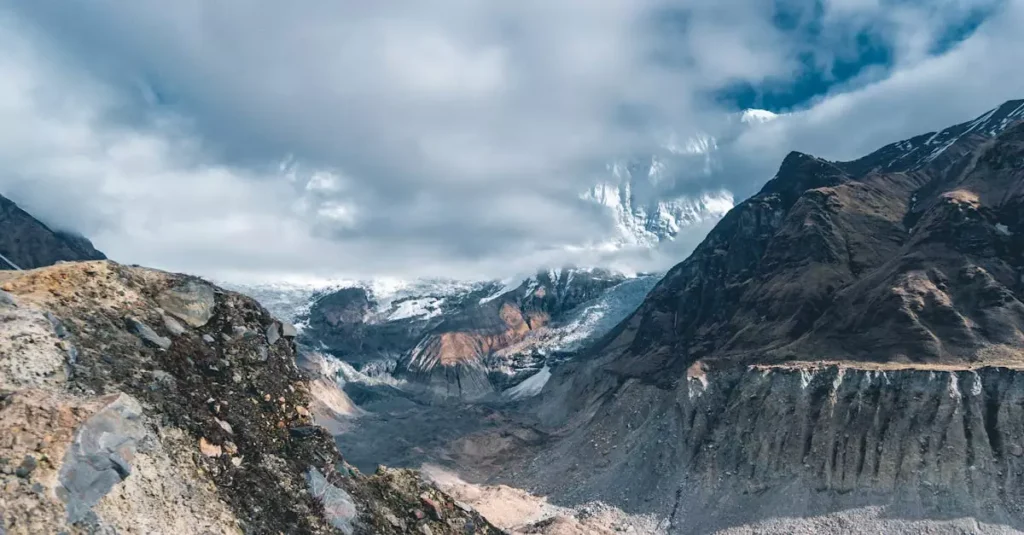
The trek blends striking mountain scenery with encounters in rhododendron forests and traditional Gurung villages. Shorter itineraries demand different budgeting choices than longer ones quicker transport to the trailhead can raise expenses, while fewer nights in lodges reduce daily outlays. Balancing those differences is essential when planning your annapurna 7 day trek budget so you can enjoy the landscape without unexpected bills.
This guide walks through the typical expenses youll face: permit charges, guide wages, and the price of a hot meal near 4,000 meters, plus the less obvious costs many guides dont mention. By the time you finish reading, you should have a realistic sense of the abc trek total cost 7 days and be better prepared financially for your time in Nepal.
Understanding the ABC Trek Total Cost 7 Days
Expect the abc trek total cost 7 days to fall roughly between $450 and $750 per person, depending on how you travel and the level of comfort you choose. Shoestring trekkers who use local buses and stick to basic meals often land near the lower end, while travelers flying to Pokhara and hiring private transport push the total higher. On the trail in 2026, daily expenses typically run about $40 to $55, which generally covers lodging and three simple meals.
Note that international airfare to Nepal and any high-end gear purchased at home are not included in those figures. Much of what you spend goes straight to local families and trail upkeep. Because a seven-day plan climbs rapidly, you may also spend more on recovery items like protein-rich snacks or hot showers than you would on a slower itinerary. Those smaller purchases can noticeably raise your overall outlay over a single week of trekking.
When you build your budget, add a contingency of at least 15 percent to handle the unexpected. Weather can force an extra night, or you might decide to hire a jeep for a dusty road section. Having a margin for small changes keeps the trip from becoming stressful. Many trekkers say the experience of reaching the base camp justifies the cost its an investment in one of the worlds most remarkable landscapes.
Breakdown of Essential Permits and Fees
You cant enter the Annapurna Sanctuary without the proper permits. Two main documents are required: the Annapurna Conservation Area Project (ACAP) permit and the Trekkers’ Information Management Systems (TIMS) card. The ACAP fee supports conservation and local communities and is about 3,000 NPR (roughly $23) for foreign visitors in 2026. You can obtain it at the Nepal Tourism Board offices in Kathmandu or Pokhara.
The TIMS card helps authorities track trekkers movements for safety. It costs around 2,000 NPR (about $15). Both documents must be carried and presented at checkpoints along the route; officials will stamp them as you pass. Failing to show permits can result in fines or having to pay double the fee at a later point.
Factoring in small processing charges, total permit expenses usually land in the $40 to $50 range. Registered trekking agencies can handle the paperwork for you, which many travelers find convenient. If you plan to organise permits yourself or trek with a private guide, bring at least four passport-sized photos for the forms securing these permits is the first monetary step in determining your abc trek total cost 7 days.
Daily Expenses: Food, Water, and Accommodation
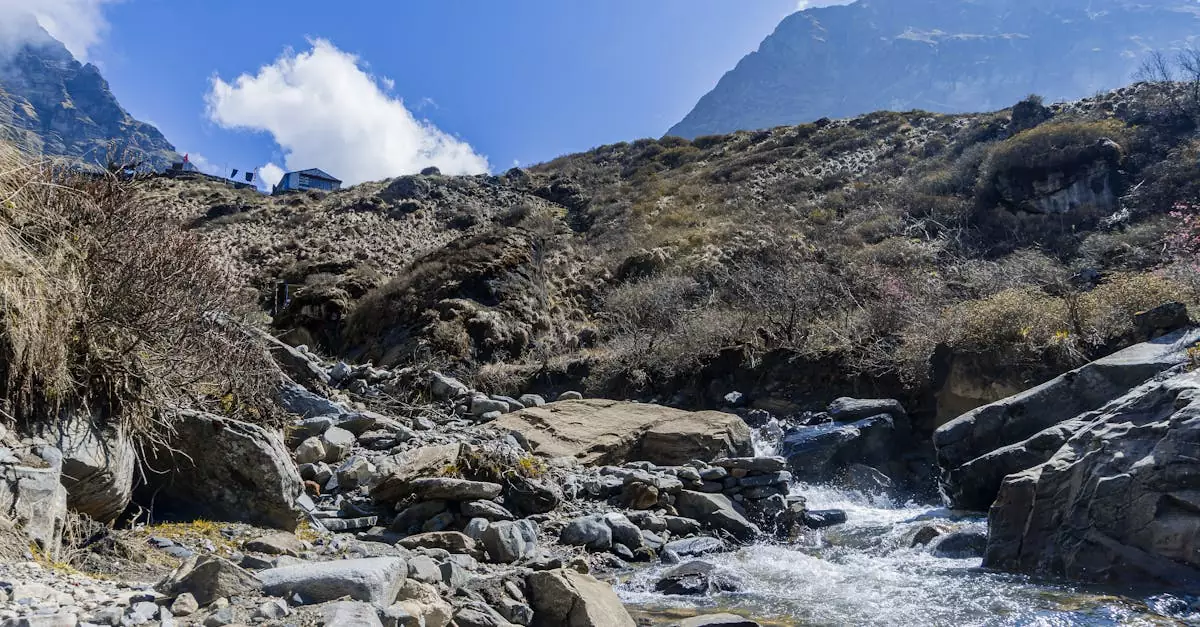
On the ABC route youll sleep in tea housesbasic mountain lodges where a twin room usually costs between $5 and $10 per night. Owners generally expect guests to eat at the lodge, and declining meals can sometimes raise the room price. Rooms are commonly unheated, so bringing a reliable sleeping bag is essential. Some lower-altitude lodges have started offering attached-bathroom rooms for a higher fee in 2026.
Meals are the largest daily expense for most trekkers. A traditional plate of Dal Bhat (lentils and rice) ranges from $5 to $9, and prices climb with elevation since supplies are carried by porters. Menus also feature pasta, pizza, and momos. Plan on spending about $30 to $40 per day for food and hot drinks on a seven-day schedule. Ginger tea and garlic soup remain popular options to help with acclimatization.
Bottled water becomes pricier the higher you go: roughly $1 per liter at lower stops and up to $3 near base camp. To cut costs and reduce plastic waste, bring purification tablets or a filter and refill from taps where available for free or a nominal charge. Small snacks like chocolate bars or chips are convenient to carry but cost considerably more on the trail, so budgeting for them is wise. The Nepal Tourism authorities encourage these sustainable practices.
Transportation Costs from Kathmandu to Pokhara
Most treks start in Kathmandu and require a transfer to Pokhara before heading to the trailhead. Your choice of transport can significantly affect the abc trek total cost 7 days. The cheapest route is the local bus at about $8 to $10 expect an 8 to 10-hour ride on rough roads. Tourist buses, offering air conditioning and better seats, run around $15 to $25.
A one-way flight from Kathmandu to Pokhara takes about 25 minutes and in 2026 costs roughly $100 to $120 for foreign passengers, offering spectacular mountain views and saving two days of road travel a major advantage on a tight seven-day itinerary. From Pokhara, reach Nayapul or Ghandruk by taxi or jeep: private jeeps cost about $40 to $60, while shared buses are much cheaper.
Transport plays a central role in Tourism in Nepal and is generally dependable, but mountain roads can be delayed by weather or maintenance. Arriving in Pokhara a day before the trek starts reduces the risk of missing your schedule. Many trekkers balance time and budget by flying one way and taking the bus back, giving a mix of convenience and economy.
Hiring Guides and Porters: Is it Necessary?
Since 2023 the government has required most solo trekkers to hire a licensed guide, and this policy remains in force in 2026 to enhance safety and provide local employment. Guides usually charge $25 to $35 per day, which covers their salary, food, insurance, and lodging. For a fast-paced 7-day itinerary a guide can be invaluable: they know the quickest routes and can spot early signs of altitude sickness.
If carrying a heavy pack isnt appealing, hire a porter at about $20 to $25 per day; they typically carry up to 20 kg. Splitting a porter between two hikers is a common strategy to reduce the annapurna 7 day trek budget while lightening individual loads. At the trips end its customary to tip guide and porter approximately 15% of their total pay is a standard gesture.
Adding staff to your plan raises the abc trek total cost 7 days, but the tradeoff is peace of mind. Guides provide cultural context, help with lodge arrangements, and know which tea houses offer the best conditions. In emergencies they can arrange helicopter evacuations. For most trekkers, the extra cost is a reasonable price for increased safety and a smoother journey.
Comparison Table: Budget vs. Standard Trekking
Below is a comparison of two common approaches: budget trekking, which prioritizes low costs, and standard trekking, which buys more comfort and time savings. Estimates are per person in USD based on 2026 rates.
| Expense Category | Budget Trekking (USD) | Standard Trekking (USD) |
|---|---|---|
| Permits (ACAP & TIMS) | $45 | $45 |
| Transport (KTM-PKR-Trail) | $40 | $250 (includes flight) |
| Food & Water (7 Days) | $210 | $280 |
| Accommodation (6 Nights) | $30 | $60 |
| Guide Salary (7 Days) | $175 (Shared) | $210 (Private) |
| Total Estimated Cost | $500 | $845 |
Youll notice transport and service choices drive the price gap. Traveling in a group allows you to divide the cost of a guide and private vehicles, which can bring the standard option closer to the budget one. Many trekkers mix approaches for instance, taking a bus to Pokhara but hiring a private guide on the trail to balance time and expense and arrive at a personalized abc trek total cost 7 days.
Pros and Cons of a 7-Day ABC Itinerary
A seven-day ascent to Annapurna Base Camp packs a lot into a short period and comes with clear benefits and drawbacks. The main advantages are efficiency and affordability compared with longer itineraries: you can complete a world-class trek during a standard workweek and save on nights spent in tea houses. For fit, experienced hikers the route is a compelling physical challenge.
- Pro: Lower total spending on food and lodging.
- Pro: High physical challenge for experienced hikers.
- Pro: Fits into a tight travel schedule.
- Con: Higher risk of altitude sickness due to fast ascent.
- Con: Less time for cultural interaction in villages.
- Con: Long walking days (6-8 hours) can be exhausting.
The biggest downside is limited acclimatization time. Standard itineraries usually spread the journey over 10 days, reducing altitude-related risks. Compressing the route into seven days increases the chance of needing to stop or descend if symptoms appear, which can mean missing base camp altogether. Shorter trips also leave less time to linger in scenic spots like Chomrong or Bamboo, so you trade leisurely exploration for speed.
Practical Tips for Saving Money
There are practical ways to lower the abc trek total cost 7 days without sacrificing safety. Buying or renting gear in Kathmandu or Pokhara is often far cheaper than purchasing items at home; many shops rent sleeping bags and down jackets for about $1 to $2 per day. If you rent, check zippers and insulation quality before heading out.
Bring your own snacks and tea bags to save on repeated purchases. A hot cup of water is considerably cheaper than a served tea, and carrying protein bars, nuts, and dried fruit can shave $5 to $10 off your daily food bill. To avoid frequent charging fees at lodges ($2 to $5 per device), use a large power bank or a solar charger the battery often pays for itself within a few days.
Traveling in shoulder seasons can give you some leverage for negotiating room rates, although permit fees remain fixed. Never cut corners that compromise safety: always budget for a decent meal and a safe place to sleep. Staying well-nourished and rested greatly improves your odds of reaching base camp successfully and keeping within your annapurna 7 day trek budget.
Reality Check: Hidden Costs to Watch For
Some costs only appear once youre on the trail. Hot showers, for example, are commonly charged $3 to $5 because water is heated by gas or solar systems. Wi-Fi access also usually carries a fee of $2 to $5, and the signal can be slow and intermittent. Skipping such comforts is one way to pare expenses, but its good to plan for them.
Tipping is customary and should be included in your spending plan. Guides and porters expect gratuities, and leaving a small token for attentive lodge staff is appreciated. Many trekkers also donate modest amounts to local schools or monasteries; those gestures help communities along the route. Carry small-denomination Nepalese Rupees since exact change becomes scarce higher on the trail.
Insurance deserves special attention. Your policy must explicitly cover trekking up to at least 4,500 meters and include helicopter evacuation. Rescue without suitable insurance can cost more than $5,000, so paying roughly $100 for comprehensive travel insurance is a wise safeguard and an important component of the abc trek total cost 7 days.
Frequently Asked Questions
How much cash should I carry for 7 days?
Bring at least $300 to $400 in Nepalese Rupees. There are no ATMs beyond Pokhara, and that cash should cover meals, drinks, showers, and tips for the week.
Is the 7-day trek too fast for beginners?
For many beginners the pace is demanding: steep ascents and rapid altitude gain make the seven-day plan challenging. If you lack recent fitness or high-altitude experience, consider a 10-day itinerary to allow for safer acclimatization.
Can I use credit cards in the tea houses?
Almost all tea houses accept only cash. A few high-end lodges may process cards but typically add a substantial transaction fee. Rely on cash while in the mountains.
What is the most expensive part of the trek?
Daily food and drink often make up the largest recurring cost, particularly as prices rise with elevation. Transport to and from the regionespecially flightscan also represent a significant one-time expense.
Do I need to pay for a guide if I am in a group?
Yes. A licensed guide is required for trekking in much of the Annapurna region, but groups can share one guide. A group of four splitting a guides fee brings the per-person cost down considerably.
Final Thoughts on the ABC Trek Total Cost 7 Days
The abc trek total cost 7 days represents an outlay that buys a remarkable mountain experience. Spending between $500 and $800 typically covers a week of dramatic scenery, cultural encounters, and a solid physical challenge. Careful planning particularly around permits, a licensed guide, and appropriate insurance lets you focus on the trek rather than money worries.
Nepal remains exceptionally good value for trekking, even with recent regulatory changes and modest price rises. Whether you opt for a budget approach or a more comfortable standard trek, the Annapurna Base Camp journey leaves lasting memories. Start preparing financially, pack responsibly, and get ready to stand beneath some of the highest peaks on Earth an unforgettable Himalayan adventure awaits.

Our Fact Checking Process
We prioritize accuracy and integrity in our content. Here's how we maintain high standards:
- Expert Review: All articles are reviewed by subject matter experts.
- Source Validation: Information is backed by credible, up-to-date sources.
- Transparency: We clearly cite references and disclose potential conflicts.
Our Review Board
Our content is carefully reviewed by experienced professionals to ensure accuracy and relevance.
- Qualified Experts: Each article is assessed by specialists with field-specific knowledge.
- Up-to-date Insights: We incorporate the latest research, trends, and standards.
- Commitment to Quality: Reviewers ensure clarity, correctness, and completeness.
Look for the expert-reviewed label to read content you can trust.