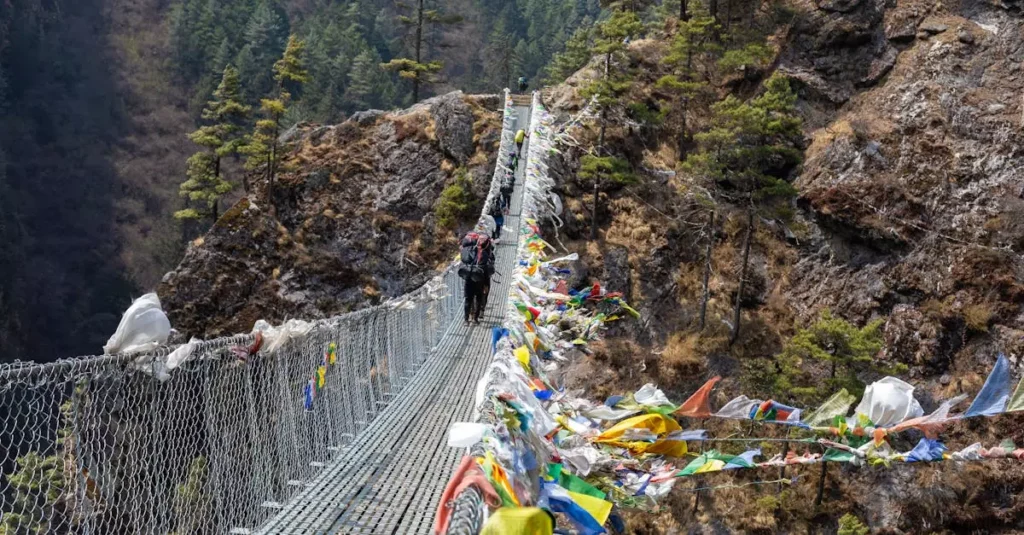
Introduction to Everest Base Camp Dining
For many outdoor enthusiasts, walking to the foot of the worlds tallest peak is a defining trip but the daily cost of meals is a practical detail you cant ignore. The ebc trek food cost per day is one of the top budget items to estimate before you book your flight to Lukla. As you climb into thinner air, every extra calorie matters, so having a clear idea of what youll spend on food helps you stretch your cash while staying properly fueled.
Meals on the trail serve more than nutritional needs; theyre a window into life in the Khumbu valley. Most trekkers sleep in tea houses and eat breakfast and dinner there, finding a variety of dishes that belie the remoteness of the region. That variety narrows as altitude rises because getting supplies up steep trails becomes harder and costlier, which directly affects the everest base camp trek cost for everyone passing through.
Below youll find a breakdown of typical breakfast, lunch and dinner costs, plus snack and drink prices at various elevations. The article explains why prices climb with altitude and shows simple ways to cut costs without sacrificing health. Whether youre traveling on a tight budget or after extra comfort, this 2026 update gives up-to-date pricing to help you plan how much to set aside each day for food.
Understanding the EBC Trek Food Cost Per Day
On average, the ebc trek food cost per day sits roughly between $30 and $50 USD. That range generally covers three meals and a few warm drinks. At lower stops like Lukla or Namche Bazaar you can expect the lower end; at high camps such as Gorak Shep prices jump because everything must be carried there by porters or yaks over long distances.
Tea houses tend to follow a commonly accepted menu, overseen by local committees to keep prices fair, though small differences still occur. Breakfast usually runs $5$10, while lunch and dinner are commonly $7$15 each. Add in treats like chocolate or crisps and your daily bill climbs. Many people find about $40 per day gives enough leeway for varied meals and plenty of hot drinks.
Remember that bottled water is often charged separately, so your daily total can rise by $5$10 if you rely on purchased water. Water purification tablets and refillable bottles cut those costs. Also factor in a little extra cash for unexpected cravings: strenuous walking increases appetite, so plan for a slightly higher ebc trek food cost per day than you might expect.
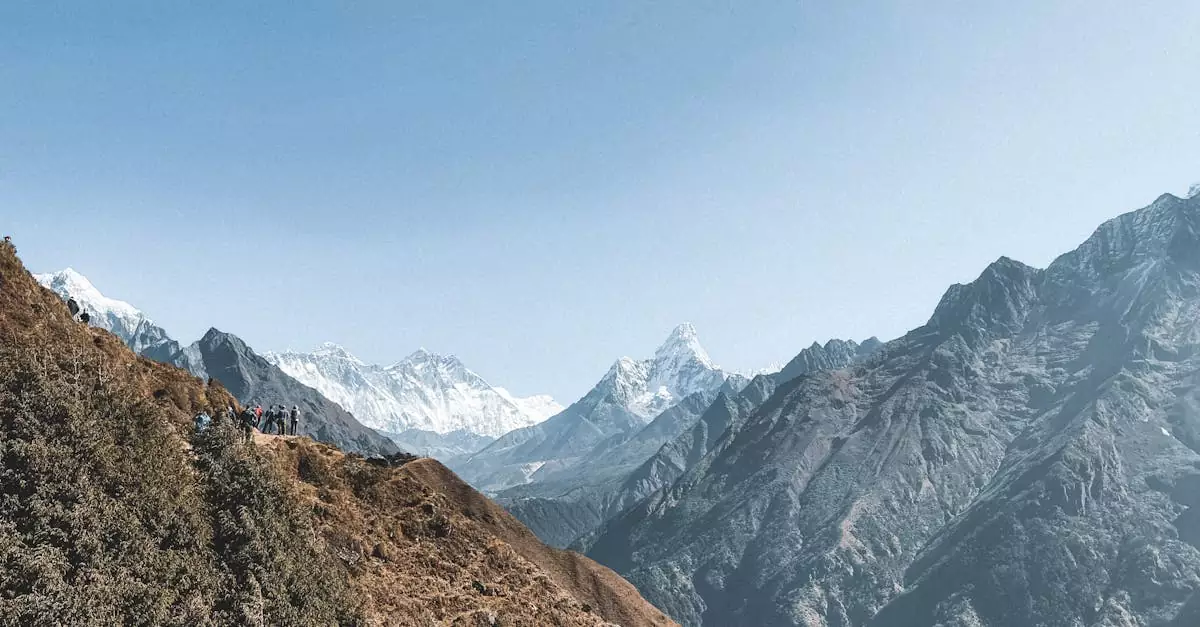
Typical Menu Items and Everest Trek Food Price
Dal Bhat is the regions staple: lentil soup served with rice and vegetable curry. It fills you up and often comes with free refills, making it one of the best values. The everest trek food price for a veg Dal Bhat starts around $6 in Lukla and can climb to $12 or more at places like Lobuche. Guides commonly advise eating it regularly for steady energy on long hiking days.
Other popular choices include fried noodles, pasta, and momos (steamed dumplings), which are great sources of carbohydrates. In larger villages youll also find western-style options such as pizza or burgers, though meat quality can be questionable at altitude many trekkers stick to vegetarian dishes to avoid stomach trouble. Expect vegetable fried rice to cost approximately $7$9, and garlic soup is frequently recommended by locals for its perceived help with acclimatization.
Breakfasts range from porridge and eggs to Tibetan breads. A warm bowl of oat porridge is both comforting and nutritious and usually costs $5$7, while a full eggs-and-toast breakfast can be about $10. Hot beverages like ginger-lemon-honey tea are valuable for warmth; a pot of tea can run $8$15. Knowing the everest trek food price helps you balance nutrition and budget throughout the trek.
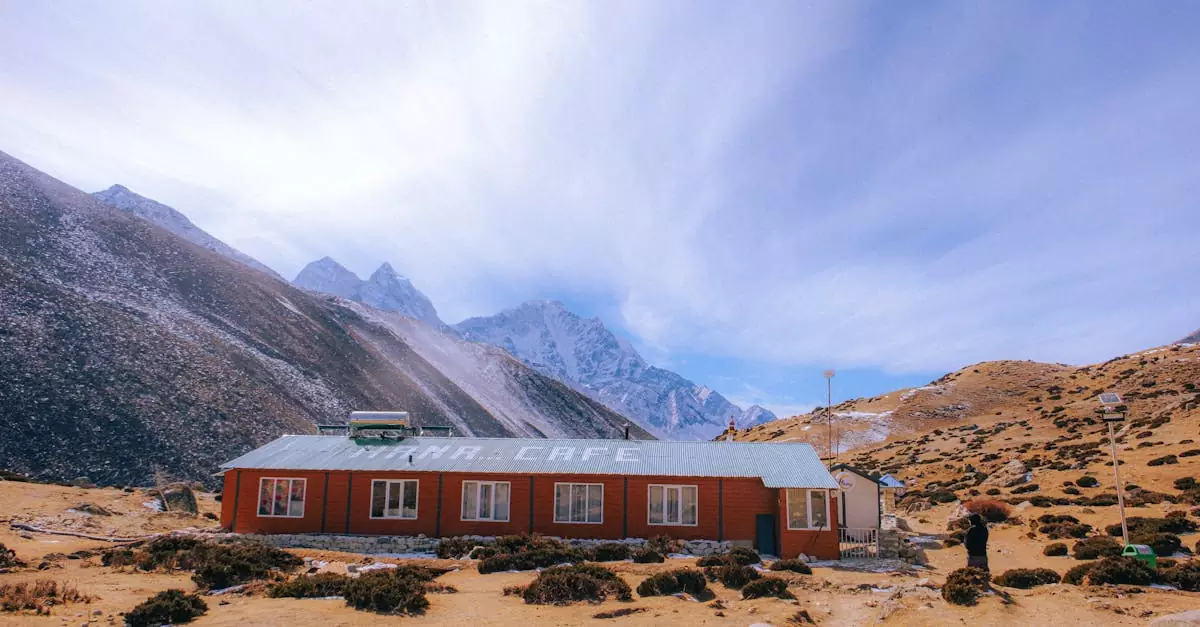
Factors Influencing the Cost of Food in the Everest Region
The main reason food costs are high in the Himalayas is geography. No roads feed the Everest Base Camp trail, so staples fly into Lukla and then travel by porter or yak for days. That labor-intensive supply chain inflates prices considerably. The Nepal Tourism Board highlights logistics as the key challenge for mountain tourism: the farther you trek from the airport, the more expensive items become.
Fuel and cooking methods also push up the ebc trek food cost per day. Tea houses run on gas cylinders or dried yak dung, and hauling heavy gas up steep paths is costly. During colder months, heating and cooking demands increase and some lodges tack on small heating or service fees. Even boiling water becomes pricier at altitude because it takes longer and uses more fuel.
Seasonality affects both price and availability, too. Peak seasons in spring and autumn bring heavy demand, and while many menu prices are stable, some items may sell out in remote spots. Off-season closures cut your choices. Authorities like Nepal Tourism work to uphold standards, but the Khumbus remoteness means food will always be costlier than in Kathmandu. Appreciating the effort behind each meal helps make the prices easier to accept.
Comparison of Food Costs: Lower vs. Higher Altitudes
Seeing how prices shift with elevation helps you plan. The table below lists average 2026 prices for common items and shows how costs rise the higher you go. It explains why the ebc trek food cost per day tends to increase as you near base camp and why budgeting ahead prevents surprises near the final stretches of your walk.
| Item | Price in Lukla (2,860m) | Price in Namche (3,440m) | Price in Gorak Shep (5,164m) | |
|---|---|---|---|---|
| Dal Bhat (Veg) | $6.00 | $8.50 | $12.00 | $2.00 |
| Black Tea (Cup) | $1.50 | $2.50 | $4.00 | |
| Boiled Water (1L) | $1.00 | $2.50 | $4.50 | |
| Chocolate Bar | $2.50 | $4.00 | $6.00 | |
| Egg Fried Rice | $5.50 | $7.00 | $10.50 |
That table highlights how something as basic as a liter of water multiplies in price with altitude, which is why many trekkers carry filtration systems. A chocolate bar thats cheap in town becomes a small luxury near base camp. If youre trying to save, stock up on snacks in Kathmandu; even Namche offers better bakery and shop options than the villages above it. Once you leave Namche, youre largely reliant on tea house menus for sustenance.
Pros and Cons of Eating at Tea Houses
Dining at the tea house where you sleep is usually the easiest choice. Its social, too a place to meet other trekkers. That convenience comes with a mix of benefits and drawbacks that affect the ebc trek food cost per day. Many lodges expect guests to take their breakfast and dinner there; skipping meals at your own lodge can sometimes lead to higher room charges to offset lost food revenue.
- Pros: Freshly prepared meals, warm communal dining areas, and a reasonable variety of dishes.
- Pros: Direct support to the Sherpa community and an authentic local hospitality experience.
- Pros: No need to haul or cook your own food while trekking.
- Cons: Prices rise sharply with altitude, which makes longer trips pricier.
- Cons: Fresh fruit and vegetables are scarce at higher elevations.
- Cons: Hygiene standards vary, and there is a risk of foodborne illness if precautions arent followed.
The evening dining room is often the only heated space, making dinner both cozy and practical. But menus can feel repetitive after a week or more on the trail, leaving you missing crisp salads or fresh fruit. Despite its limitations, the tea house system is a backbone of the Everest trek and crucial to keeping walkers fed and sheltered.
Practical Tips for Saving Money on Food
Keeping your ebc trek food cost per day manageable doesnt require skimping on calories. Bring lightweight snacks from Kathmandu like nuts, dried fruit and protein bars theyre cheaper there and provide quick energy on long days. Bringing your own snacks can shave around $50 off the total cost of the trek.
Be strategic with drinks. Ordering a shared pot of tea is almost always cheaper than multiple single cups, and carrying your own tea bags or instant coffee lets you pay only for hot water. Use a reusable bottle plus purification tablets rather than buying bottled water every day; this saves money and reduces plastic waste.
Favor local dishes such as Dal Bhat for nutrition and value rather than pricier western options. Complex meals like lasagna or meat-heavy plates tend to cost more and may not be as fresh. The long history of tourism in Nepal suggests that local foods are both economical and safer for travelers. With a few simple habits you can keep daily spending under control while still eating well.
Reality Check: Hidden Costs and Logistics
Meal prices are only part of what youll spend on the trail. Charging electronics can cost a few dollars per hour, and amenities such as WiFi or hot showers often carry extra fees in higher villages. These items arent included in the ebc trek food cost per day but they add up plan an extra $5$10 daily for these logistics.
Freshness is another practical concern. Green vegetables are uncommon in places like Pheriche and Lobuche, and much of the food comes from dried or canned stores. Thats why many experienced trekkers avoid meat above Namche Bazaar: it may have been carried long distances without proper refrigeration. Choosing vegetarian options lowers the chance of stomach issues, which can derail a trek faster than fatigue.
Cash remains essential in the Everest region. ATMs are scarce outside Lukla and Namche, and many lodges dont accept cards or charge high fees. Convert enough Nepali Rupees to cover your expected ebc trek food cost per day multiplied by the number of days, then add roughly 20% for unexpected needs. Having cash on hand lets you focus on the scenery and the climb rather than worrying about payments.
Frequently Asked Questions
How much cash should I carry for food on the EBC trek?
Plan for about $40$50 USD per day in local currency to cover three meals, snacks and hot drinks. Its wise to carry a little extra for emergencies or occasional treats.
Is it safe to eat meat during the Everest Base Camp trek?
Guides generally advise avoiding meat above Namche Bazaar because it can travel for days without proper cooling. Choosing vegetarian dishes like Dal Bhat reduces the risk of stomach problems.
Can I find vegan or gluten-free food on the trek?
Yes. Dal Bhat is usually vegan and gluten-free in many tea houses, and rice- or potato-based dishes are common. Tell the lodge staff about any dietary restrictions before they begin cooking.
Do I need to tip the staff at the tea houses?
Tipping meals isnt required but is appreciated. A small tip for kitchen staff is a nice gesture; most trekkers reserve larger tips for their guides and porters at the end of the trip.
Is drinking water expensive in the Everest Region?
Water prices rise with altitude and bottled water can cost up to $4 a bottle. To save money, use a reusable bottle with purification tablets or a personal filter, which also reduces plastic waste.
Conclusion: Budgeting for Your Everest Adventure
Estimating the ebc trek food cost per day is a core part of trip planning. Prices away from Kathmandu reflect the expense of supplying remote lodges and the difficulty of mountain life. Budgeting $40$50 daily generally covers nutritious meals that support your climb. Rely on local dishes like Dal Bhat for value, bring snacks from the city, and carry water purification tools to keep costs down. With solid planning youll stay strong and healthy as you make your way toward the summits lower reaches.
The dining experience on the trek is unforgettable: a hot meal with towering peaks in view is a highlight for many. Honor the work of the porters and tea house staff who make those meals possible, and plan your finances so you can enjoy both the food and the journey. With careful budgeting, your 2026 Everest Base Camp trek can be both affordable and deeply rewarding savor every bite and every step of the adventure.