
Introduction to Annapurna Base Camp in the Monsoon
Trekking to Annapurna Base Camp (ABC) attracts hikers from around the world who crave high-altitude scenery and Himalayan culture. Nepals mountain landscapes shine even in the wet months, with saturated greens and far fewer people on the trail. The abc trek rainy season cost matters when choosing when to go, because expenses shift during June to August. Here youll find practical figures for permits, food, transport and other essentials to plan a 2026 trip without surprises.
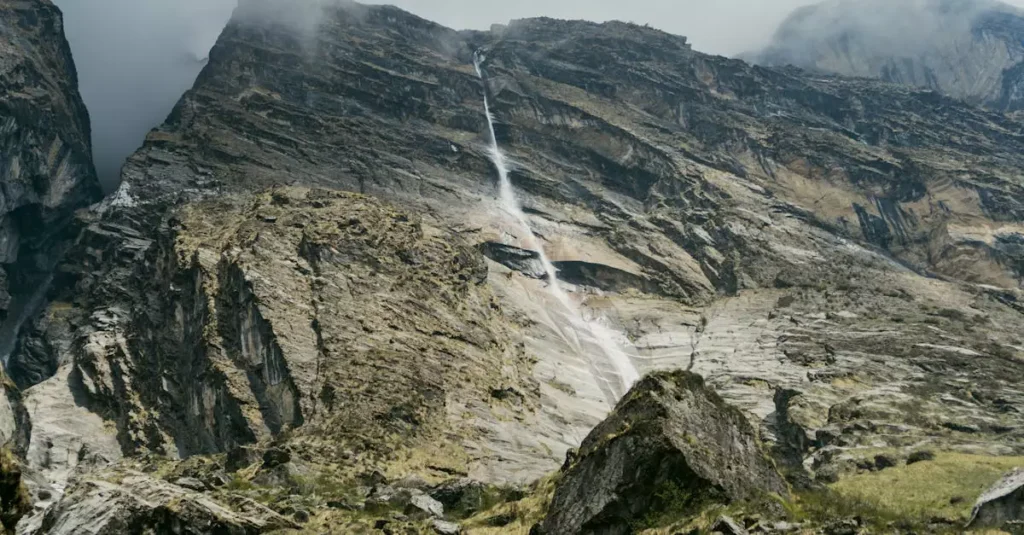
The monsoon in Nepal typically runs from June through August, transforming trails into lush corridors of life. Waterfalls surge, seasonal blooms appear in the understory, and the air feels clean after rains. At the same time, footpaths grow slick and leeches become more active. With the right preparation and gear, those challenges are manageable. Careful budgeting keeps the trek enjoyable and safe even when the sky opens up.
Budget concerns are common when booking a monsoon trek, since some costs stay fixed while others drop in the off-season. Teahouse rooms often go for less during the rains, and quieter lodges give you room to negotiate. The sections below break down every likely expense so you can estimate total spending and avoid last-minute shocks on the route into the Annapurna Region.
Why Choose the Annapurna Region in Monsoon?
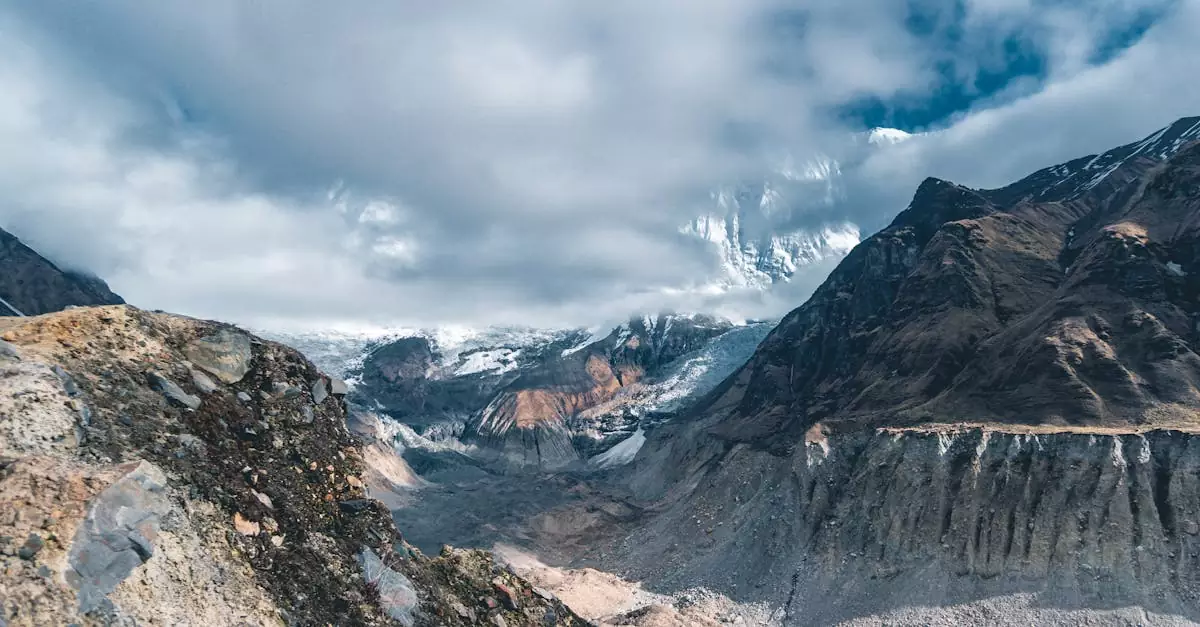
The Annapurna Region rewards visitors with a variety of landscapes and seasons; during the monsoon the environment loses dust and gains a vivid, living quality. Peaks may hide behind clouds for stretches, but when they clear the views feel especially pristine. With fewer trekkers than in October or April, the trail often feels privatemore time to chat with teahouse hosts and to soak up local life.
Plant and bird lovers will appreciate the seasons abundance: rhododendron groves darken to deep green, butterflies and birds are more visible, and rivers swell with runoff. The valley scenesterraced paddies of rice and millet, farmers at workare compelling subjects for photographers even if the highest summits stay shrouded. Those valley vistas offer plenty of dramatic moments despite intermittent cloud cover.
Another upside is flexibility in services: rooms are easier to find without advance bookings, and staff tend to have time for individual attention. Flight schedules to Pokhara remain variable, though, and delays are common in wet weather. Rain often falls late in the day or overnight, while mornings can be clearer, so structuring treks around the weather window increases your chance of dry walking and good light.
A Complete Breakdown of the ABC Trek Rainy Season Cost
The abc trek rainy season cost can be divided into permits, lodging, food, transport and support staff. Foreign trekkers need an Annapurna Conservation Area Project (ACAP) permitabout 3,000 NPRand a Trekker Information Management System (TIMS) card at roughly 2,000 NPR. Both are available from Nepal Tourism Board offices in Kathmandu or Pokhara and contribute to conservation and trail upkeep.
Accommodation during the monsoon tends to be cheaper, with teahouse rooms usually ranging from $5 to $10 per night. Many lodges link discounts to meal purchases, and daily food budgets commonly fall between $25 and $35, rising with altitude as supplies become costlier to transport. Dal Bhat remains the most economical meal choicehighly filling and often served with unlimited refills. To avoid paying for bottled water repeatedly, bring purification tablets to cut costs and plastic waste.
Getting to the trailhead also figures into overall cost. Local buses from Pokhara to Nayapul are inexpensive; private jeeps run about $40$60 and are quicker. Sharing transport with other trekkers reduces per-person expense. Hiring a guide or porter is strongly advised in the monsoon: guides typically charge $25$35 per day and porters $20$25 per day. Their route knowledge and support are especially useful when heavy rain alters trails.
Managing Your Annapurna Monsoon Trek Budget
Planning your annapurna monsoon trek budget means allowing for small but frequent expenses that add up fast. Carry extra cash for unplanned nights if weather stalls youATMs stop appearing above Chhomrong. Charging phones or cameras often costs $2$5 per device, and hot showers in upper villages run $3$5. Over a ten-day walk, incidental fees mount, so an extra $10 per day is a sensible buffer.
Gear is another line in your planning. If you lack waterproof clothing, plan to purchase or rent it; shops in Thamel and Pokhara sell and rent reliable options. Sleeping bag rentals are around $1$2 per day. A sturdy raincoat and backpack rain cover are essential to keep clothing drywet gear quickly ruins comfort and health on a rainy trek.
Insurance should never be skipped. Make sure your policy covers trekking up to 4,130 meters and includes helicopter evacuation, since landslides or blocked routes may make air rescue the only option in severe emergencies. Typical travel insurance for a trip like this ranges from $50 to $150 and is worth the certainty it providesread policy details closely to confirm activities are covered.
Peak Season vs. Monsoon: A Cost and Experience Comparison
Seasonal comparison helps weigh money saved against weather trade-offs. During peak months, flights and rooms are more expensive and trails are crowded; in the monsoon you can often secure private rooms for less and receive more attentive service. Food prices stay fairly steady, but overall the abc trek rainy season cost is typically 15%20% lower than in autumn, which appeals to budget-minded trekkers.
| Expense Category | Peak Season (Oct-Nov) | Rainy Season (June-Aug) | ||
|---|---|---|---|---|
| Teahouse Room | $10 – $15 per night | $5 – $8 per night | $25 – $35 per day | $20 – $30 per day |
| Guide Daily Rate | $30 – $40 | $25 – $35 | ||
| Permits (ACAP/TIMS) | $40 Total | $40 Total | ||
| Crowd Level | Very High | Very Low |
The biggest savings usually show up in lodging and local services, and international airfare can be cheaper if you travel off-peak. On the flip side, flights to Pokhara are more likely to be cancelled during heavy weather, forcing a long bus ride of 79 hours instead. Keep plans adaptable to cope with weather-related delays and alternative transport options.
The Pros and Cons of Trekking During the Rainy Season
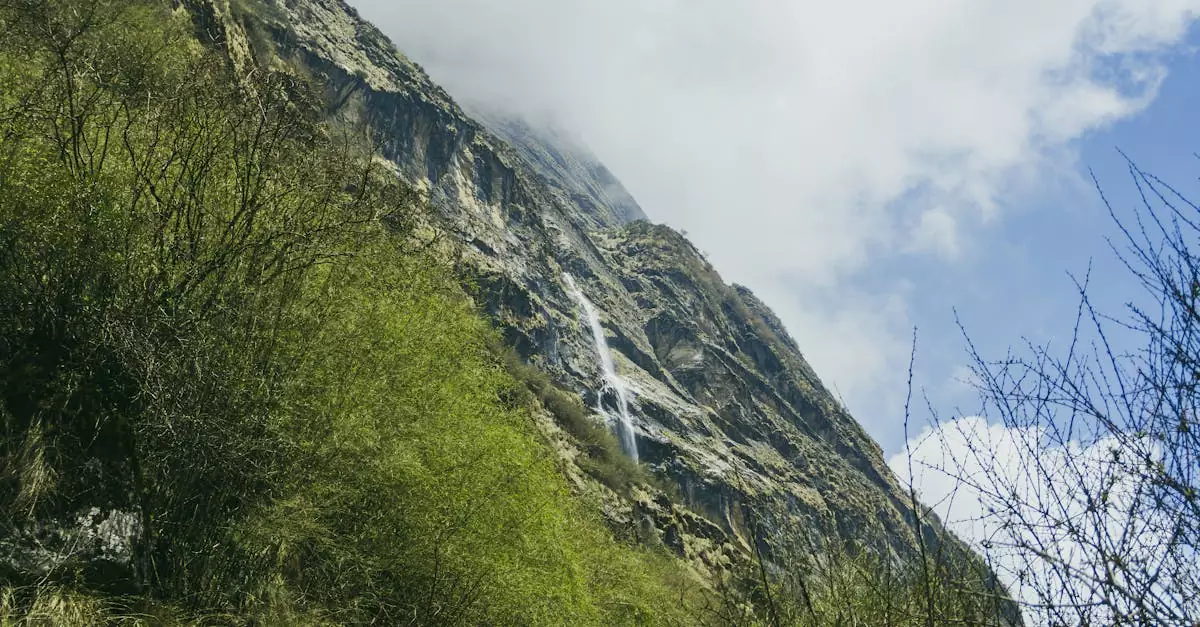
Each season brings strengths and weaknesses, and the monsoon is no exception. The clearest advantage is solitudeyou can reach Annapurna Base Camp and experience a quiet, wind-swept landscape. The regions greenery and seasonal waterfalls are at their most dramatic, and the lower abc trek rainy season cost can stretch your travel budget further.
- Pro: Lower costs for accommodation and some services.
- Pro: Quiet trails and peaceful teahouses.
- Pro: Stunning greenery and powerful waterfalls.
- Con: Leeches are very common in the lower forest areas.
- Con: Clouds often hide the mountain peaks during the day.
- Con: Trails can be slippery and muddy.
Leeches are more nuisance than danger; simple remedies like salt or tobacco make removal straightforward, and wearing long socks with gaiters reduces encounters. Expect some days without clear mountain pictures, then sudden windows of brilliant visibility that reward patience. Wet clothing and damp sleeping gear are common, so pack dry bags and liners to protect essentials and keep morale high.
Essential Gear to Manage Your Budget and Safety
Your equipment choices influence both safety and spending. Invest in a durable, breathable rain jacket rather than buying several low-quality alternatives. Breathable membranes prevent internal condensation and keep you comfortable during exertion. Waterproof boots with strong grip are essentialfalls on slick stone steps can end a trek if they cause injury.
Trekking poles add balance on muddy, uneven sections and ease strain on knees during long descents; inexpensive pairs are available in Pokhara for about $10. Avoid cotton clothing; choose quick-dry synthetics or wool that shed moisture and dry faster in humid conditions. Pack at least three pairs of quality trekking socks to reduce blisters and discomfort.
Humidity means clothes wont air-dry fast, and paying to dry garments near teahouse fires is a common small expense. A lightweight microfiber towel and a headlamp with spare batteries are practical inclusions. Power cuts and wet gear are everyday realities on a monsoon trekbeing prepared for those small inconveniences keeps the trip enjoyable.
Logistics: Transport and Accommodation Realities
Most treks begin in Kathmandu, followed by travel to Pokhara. Tourist buses cost about $10$15, while flights run around $100$120. During the monsoon, buses often outperform flights in reliability because small aircraft can be grounded by fog and rain. If you fly, aim for the earliest departures when weather conditions tend to be most favorable.
From Pokhara the route to the trailhead usually involves local buses or taxis; using public transport keeps the abc trek rainy season cost down. Private jeeps offer speed and comfort at higher cost, and roads toward Ghandruk or Jhinu Danda can be rough or blocked by landslides in wet weather. Local drivers have experience navigating these conditionsfollow their advice if a route seems unsafe.
Teahouse lodging is basic but welcoming: a bed, pillow and blanket are standard, though blankets may feel damp during the rainy months. Bringing a lightweight sleeping bag liner improves hygiene and warmth. Common dining areas create social space to swap stories and tips with fellow trekkers, and locals hospitality often makes the damp days much more pleasant.
Practical Tips for Trekking Nepal in the Rainy Season
Adopt a few routines to improve comfort and safety: begin hiking earlyaround 6:00 AMto maximize dry, clear hours before afternoon showers. Hydration remains essential at altitude; aim for about 3 liters of water daily and use a reusable bottle to cut waste. Small habits help a lot when conditions are wet and changeable.
Carry salt or a commercial anti-leech spray for forested sections between Nayapul and Chhomrong; remove leeches gently to avoid skin irritation. Store electronics in waterproof bags and include silica gel packets to reduce moisture damage. These precautions prevent expensive replacements and keep your gear functioning throughout the trek.
Expect to alter plans if the weather forces you to wait in a village for a day or two. Slower progress is safer than rushing on slippery trails. Use extra time to observe close-up mountain detailsthe moss, the mist-filled valleys, the tiny flowersthat often go unnoticed in busier months. The monsoon quiet invites a different, more intimate pace of travel.
Frequently Asked Questions (FAQs)
Is it safe to trek to ABC in the rainy season?
Yes, with preparation and local knowledge it is generally safe. Watch for slippery sections and areas prone to landslides. Hiring a qualified guide helps you navigate hazardous weather and choose safer routes when conditions deteriorate.
How much does a guide cost for the ABC trek in 2026?
Expect to pay around $25$35 per day for a professional guide in 2026. That rate typically covers their meals, accommodation and insurance; its customary to tip guides at the end of the trek if their service meets expectations.
Will I see the mountains during the monsoon?
Mountain views are possible but not guaranteed. Clouds often clear in the morning or after heavy rainfalls. When peaks do become visible, they appear strikingly clean and contrasted against the verdant valleys.
What is the best way to deal with leeches?
Wear long trousers tucked into socks and use gaiters to reduce encounters. A small pouch of salt or tobacco deters attached leeches and helps remove them without injury. They are mostly an issue in lower, damp forest stretches.
Are teahouses open during the rainy season?
Most teahouses along the ABC route remain open year-round, so lodging is widely available despite fewer trekkers. A handful of tiny lodges may close for the season, but major villages keep accommodations and meals on offer.
Final Thoughts on Trekking to Annapurna Base Camp
The abc trek rainy season cost tends to be manageable for many travelers who accept wet-weather trade-offs. The rewards include quieter trails, dramatic greenery, and a more intimate encounter with mountain life. Budgeting for permits, meals, transport and guide support typically brings the total for a 10-day itinerary to roughly $500$800, depending on comfort choices and unexpected delays.
The Tourism in Nepal sector continues to improve trail conditions year-round, and visiting during the monsoon helps sustain local communities when tourism dips. With the right equipment, insurance and a flexible schedule, a rainy-season Annapurna Base Camp trek offers a memorable and authentic Himalayan experiencepack a solid raincoat and prepare to embrace the wetter side of the mountains in 2026.

Our Fact Checking Process
We prioritize accuracy and integrity in our content. Here's how we maintain high standards:
- Expert Review: All articles are reviewed by subject matter experts.
- Source Validation: Information is backed by credible, up-to-date sources.
- Transparency: We clearly cite references and disclose potential conflicts.
Our Review Board
Our content is carefully reviewed by experienced professionals to ensure accuracy and relevance.
- Qualified Experts: Each article is assessed by specialists with field-specific knowledge.
- Up-to-date Insights: We incorporate the latest research, trends, and standards.
- Commitment to Quality: Reviewers ensure clarity, correctness, and completeness.
Look for the expert-reviewed label to read content you can trust.