Introduction to Planning Your Couple Trek
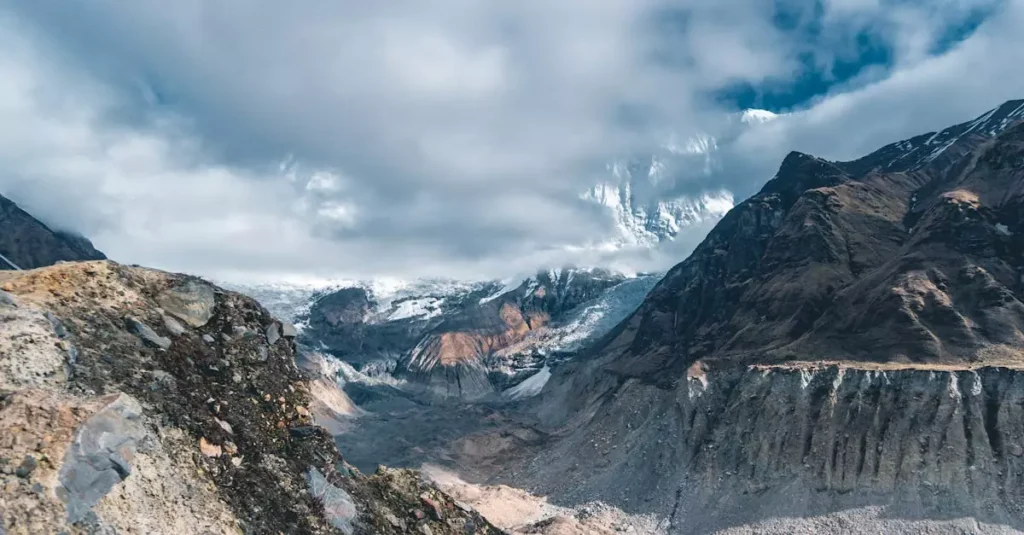
A shared trek into the Himalayas is a memorable challenge for any pair. Many partners researching logistics search specifically for the abc trek couple cost 7 days so they can plan finances before they go. Along the route youll be rewarded with sweeping views of the Annapurna massif, walk beneath bright rhododendron canopies and pass through traditional Gurung settlements. A seven-day schedule moves at a brisk pace, pushing you steadily toward the base camp, so a decent level of fitness and careful preparation are essential. For couples, the combination of hardship and scenery often creates a unique bond that lasts long after the trail ends.
The Annapurna region sits high on the list of trek destinations in Nepal, prized for both landscapes and culture. A week-long plan demands efficiency: most routes launch from Pokhara and push directly toward base camp rather than lingering in valleys. Knowing typical costs ahead of time prevents unwelcome surprises, since prices shift with season and personal choices. Many couples pick this shorter route because it slips neatly into limited holiday windows, without the time commitment of the full sanctuary trek.
Budgeting as a pair means thinking across a few main buckets: permits, transfers, and daily trail expenses. Food and lodging are the steady line items, while guides or porters add another predictable cost. Some couples prefer to hike unassisted; others hire local help both to ease the load and to support village economies. Below you’ll find a detailed breakdown of the expected expenses so you can build a realistic annapurna couple trek budget and focus on enjoying the experience together.
Breaking Down the ABC Trek Couple Cost 7 Days
When you work out the abc trek couple cost 7 days, permits come first. Every trekker must carry an Annapurna Conservation Area Project (ACAP) permit roughly 3,000 NPR per person plus a Trekkers’ Information Management Systems (TIMS) card, usually about 2,000 NPR per person for independent trekkers. These fees fund trail upkeep and conservation. You can secure them at Nepal Tourism Board offices in Kathmandu or Pokhara (ntb.gov.np); keep the permits on you during the trek for occasional checks.
A major slice of the budget pays for a guide or porter. Typical guide rates for a seven-day trek run from $25 to $35 per day, while porters ask for about $20 to $25 per day. Many couples share one porter to carry two packs a cost-effective approach that keeps the annapurna couple trek budget more manageable. Hiring a guide-porter combines route knowledge with baggage help, though you should expect to cover their food and insurance and to tip at the end of the trip.
Small, recurring costs can add up quickly. Charging electronics generally costs $2$5 per device; a hot bucket shower often runs $3$5; and WiFi in tea houses is usually a paid service at around $2$5 for short access. Buying bottled water is costly and produces plastic waste, so a filter or purification tablets are wiser and can save a couple nearly $50 over a week. Always keep extra cash for these little, frequent expenses.
Daily Expenses and Accommodation for Couples
Tea houses provide the backbone of accommodation along the ABC route. Couples typically pay between 500 and 1,500 NPR per night for a private room that usually contains two single beds. Rooms are basic and colder at altitude, so a good sleeping bag is a must. During peak months lodges fill fast; having your guide arrange lodging in advance helps avoid last-minute scrambling. Staying in tea houses is a big part of the local travel experience and a chance to meet fellow trekkers.
Food costs vary with altitude and choice. Dal Bhat remains the best value hearty and sustaining and in higher settlements it costs roughly 500900 NPR per meal. Breakfasts like porridge or eggs run 400600 NPR. Plan on about $50$70 per day for a couples combined meals, which covers three meals and snacks; prices increase the higher you climb as supplies are carried in by mule or porter. Many trekkers avoid meat at altitude to reduce stomach issues.
Beverages and small snack purchases also affect daily totals. A cup of tea typically costs 100300 NPR; coffee is slightly pricier. Alcohol is expensive expect 6001,000 NPR for a can of beer in remote spots. Energy bars and chocolate are helpful on the trail but pricey if bought above Pokhara; a Snickers might cost $3 near base camp. Stocking up on snacks before you start keeps the abc trek couple cost 7 days more reasonable. Remember: nearly every item you consume on the trail was physically carried up the mountain.
Transportation and Logistics from Pokhara
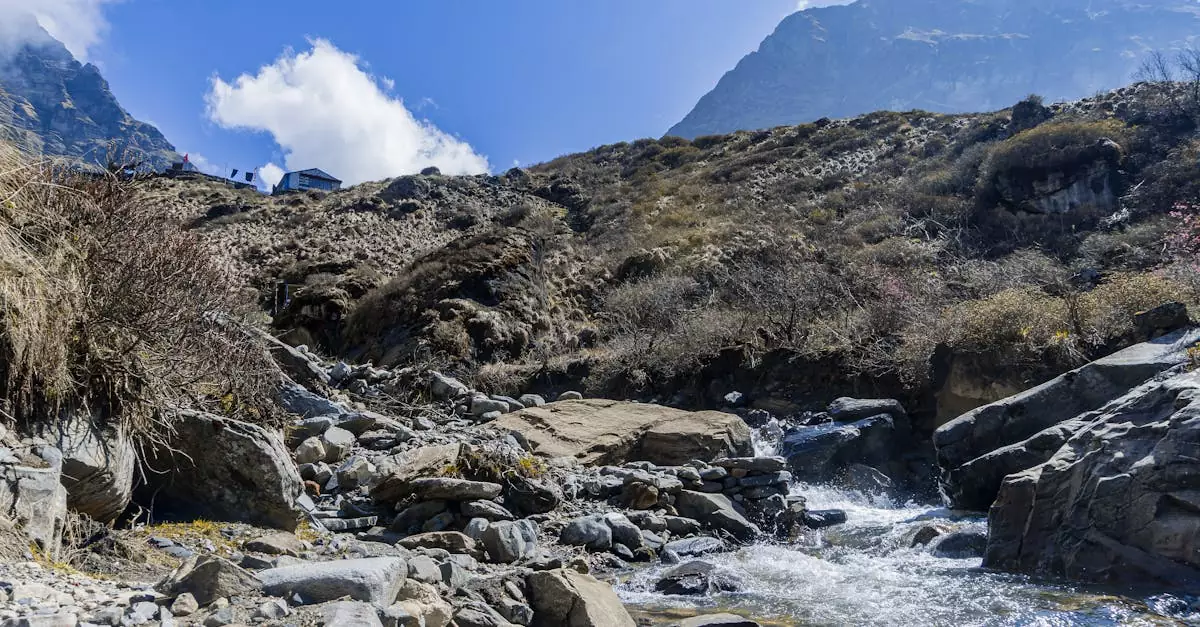
Reaching the trailhead is the first practical step. Most week-long itineraries begin at Nayapul or Ghandruk. A taxi from Pokhara to Nayapul costs roughly 2,5003,500 NPR, while hiring a private jeep to Ghandruk runs around 6,0008,000 NPR per vehicle; sharing with other trekkers can bring the price down. Mountain roads are often rough and dusty, so expect a bumpy approach to the start point part of the regional travel character.
When your trek ends, common exit points include Kimche and Jhinu Danda. From Jhinu you can often catch a shared jeep back to Pokhara for about 1,0001,500 NPR per person; private transfers are available at a higher price. Arrange your return transport a day ahead your guide can coordinate drivers and make sure to slot these fares into your annapurna couple trek budget. With only seven days on the timetable, early starts on travel days help avoid delays.
If youre coming from Kathmandu, an internal flight to Pokhara saves time: fares run about $100$120 per person, avoiding an eight-hour bus. Budget travelers might choose the tourist bus, which costs $10$25 and offers scenic countryside views but takes much longer. When tallying the abc trek couple cost 7 days, decide whether saving time or money matters more to you both options have trade-offs.
Annapurna Couple Trek Budget Comparison Table
To make planning easier, the table below contrasts a modest budget approach with a mid-range option for a couple over seven days. Actual spending will depend on choices and habits: a strict budget often means no guide and fewer snacks, while the mid-range plan assumes a porter and slightly better meals. A luxury approach could add private transfers and higher-end lodging around Pokhara. Use these figures as a starting point when lining up expectations with your wallet.
| Expense Category | Budget Option (USD) | Mid-Range Option (USD) |
|---|---|---|
| Permits (ACAP + TIMS) | $80 | $80 |
| Accommodation (7 Nights) | $70 | $120 |
| Food and Drinks | $350 | $500 |
| Guide/Porter Services | $0 | $210 |
| Transport (to/from trail) | $40 | $100 |
| Miscellaneous/Gear Rental | $50 | $150 |
| Total for 2 People | $590 | $1,160 |
As shown, the abc trek couple cost 7 days can swing widely depending on whether you carry your own packs or hire help. Carrying everything saves money but increases strain; many couples find the mid-range balance lets them enjoy the scenery instead of struggling under heavy loads. Factor in your fitness and preferences when choosing a spending plan the mountain environment rewards careful preparation.
Pros and Cons of a 7-Day ABC Itinerary
A seven-day ABC plan is popular for travelers short on time because it gets you to the base camp without committing two full weeks. The shorter schedule reduces accommodation and meal days, which helps keep the annapurna couple trek budget lower. For busy professionals or those with limited leave, the itinerary is a compact, intense taste of high mountain trekking.
The trade-offs are real: the pace is demanding. Expect long walking days to reach objectives, less time to acclimatize and a higher chance of tiredness or minor injury. Rapid ascents increase the risk of altitude-related problems and leave less opportunity for exploring side trails or village culture. Couples should be candid about fitness and tolerance for long, steady effort before locking in a seven-day plan.
- Pros: Lower overall cost, time-efficient, intense mountain experience, less time away from home.
- Cons: Higher risk of altitude sickness, physical exhaustion, less time for local culture, rushed pace.
- Verdict: Best for fit couples who are short on time but high on energy.
Practical Tips for Saving Money on the Trail
There are practical ways to trim the abc trek couple cost 7 days without sacrificing safety. Rent heavy items like a down jacket or sleeping bag in Pokhara rather than buying them rental rates are often $1$2 per day. Bring your own trail snacks; granola bars, nuts and dried fruit purchased in town cost far less than the same items sold at altitude.
Water strategy matters. A reusable bottle paired with purification tablets or a small filter reduces both spending and plastic waste. Many tea houses offer tap water for a small fee or free if you treat it first. To avoid repeated charging fees, carry a high-capacity power bank and consider a small solar charger for sunny days. These steps keep the annapurna couple trek budget under control while maintaining comfort on the trail.
Timing can also affect costs. Shoulder seasons such as late May or early September sometimes yield lower prices and fewer crowds compared with October and April, though weather can be less predictable. Ask about ‘room and board’ deals at lodges during quieter periods, and remember that sharing a room already cuts accommodation costs. Politeness and clear communication with lodge owners go a long way small acts of courtesy often improve service and relationships on the trail.
Reality Check: Hidden Costs and Challenges
Dont forget hidden but essential expenses. Travel insurance that covers high-altitude trekking and emergency helicopter evacuation is mandatory for many visitors; a solid policy for a couple typically costs $100$200. That expense is minor compared with a rescue flight, which can exceed $2,500. Carry a small emergency cash reserve because ATMs do not exist on the trail.
The trail itself is a physical test: plan on 68 hour walking days over uneven terrain and thousands of stone steps. Good, well-broken-in boots are crucial blisters and sore joints can derail a trip quickly. Pack a basic first aid kit with blister care, bandages and antiseptic as part of a practical annapurna couple trek budget plan to handle minor issues without panic.
Weather remains unpredictable in the Annapurna region; rain or snow can force delays. With a tight seven-day schedule, a storm can mean extra nights in tea houses and possible missed connections. Include at least one buffer day in Pokhara at the end of your trip to reduce stress and give yourself time to recover. Flexibility is often the deciding factor between a trip thats merely difficult and one thats truly enjoyable.
Frequently Asked Questions
How much cash should a couple carry for 7 days?
Carry at least $500$700 in local currency for a seven-day couples trek. That range should cover food, accommodation and common extras like hot showers or device charging. Since there are no ATMs on the route, store cash in a waterproof pouch close to your body.
Is a guide necessary for the ABC trek?
A guide isnt mandatory for every trekker, but hiring one is strongly recommended for safety, navigation and local insight. On a tight seven-day schedule a guide helps keep you on track, handles logistics like tea house arrangements and makes critical decisions if weather or health issues arise.
What is the best month for a budget trek?
Late May and early September offer a compromise between weather and cost, falling just outside the busiest months of October and April. You may find lower prices and thinner crowds, though be prepared for some rain because these times sit close to the monsoon season.
Can we find Western food on the ABC trail?
Yes many tea houses serve pasta, pancakes and occasional pizza but such dishes are typically more expensive and less sustaining than local options. Dal Bhat provides the best energy-to-cost ratio and often includes free rice and lentil refills.
What happens if we get altitude sickness?
At any sign of altitude sickness you must stop ascending and, if symptoms persist, descend to a lower elevation as soon as possible. Thats why travel insurance with helicopter evacuation is crucial. Guides monitor trekkers conditions and will recommend descent if health is at risk.
Final Thoughts on Your ABC Journey
Finishing the ABC trek in seven days is a notable accomplishment for couples who come prepared. It demands physical stamina, mental focus and clear financial planning knowing the abc trek couple cost 7 days beforehand removes one major source of stress. The views, shared struggle and quiet mornings above the tree line create memories couples often describe as transformative.
Respect the fragile environment as you travel: practice leave-no-trace principles and support local businesses where you can. The money spent on an annapurna couple trek budget directly benefits many village families. Plan sensibly, leave a little extra time and cash for the unexpected, and youll return home with both stories and a stronger connection to each other and the mountains.