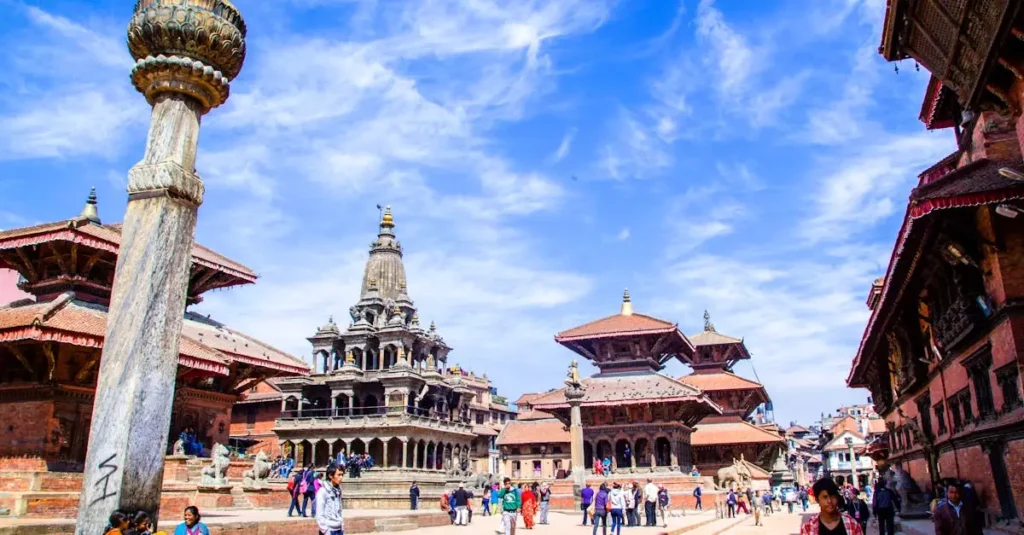
For those visiting Nepal for the first time, understanding the tipping culture can be a bit daunting. In Kathmandu, while tipping is a common practice in tourist areas, it doesnt follow a strict guideline like in some other countries. Its not mandatory to tip every time, but offering a small amount can convey appreciation and support to service workers who often rely on modest wages.
If youre gearing up for a trip to Kathmandu, this guide on tipping in Nepal will assist you in navigating potential awkward situations. It details when to tip, how much is appropriate, and what the locals typically expect in places like hotels, restaurants, taxis, and during tours. Additionally, it provides practical insights on costs, distances, crowd dynamics, and seasonal travel conditions.
The aim is straightforward: to empower you to tip confidently, ensuring you neither overpay nor under-tip. Nepal is known for its warmth and hospitality, and a considerate tip can enhance your overall experience when given thoughtfully.
Nepal Tipping Culture and Average Amount in Kathmandu
The tipping culture and average amounts in Nepal vary based on the type of service, location, and whether youre in a tourist-centric area. In Kathmandu, tipping is more prevalent in hotels, trekking services, guided tours, and upscale restaurants, while local eateries may not expect tips. A small gesture is generally sufficient, and extravagant tips are reserved for exceptional service.
For most visitors, the typical tip in Kathmandu remains modest. In restaurants, a range of 5% to 10% is customary if a service charge isnt already included. For porters, drivers, and guides, the tip often correlates with the duration of service and the size of the group. A brief city tour might only require a small tip, while a multi-day trek could necessitate a more structured amount. This is why having a clear tipping guide can be beneficial before your arrival.
Its also worth noting that cash remains the most convenient way to tip in Nepal. Smaller denominations are preferable. Although many establishments in Kathmandu accept card payments, tips are typically given in Nepalese rupees. Having small bills on hand will save you from needing change after each meal or ride.
How Much to Tip in Kathmandu: Simple Comparison Table
This table serves as a quick reference for understanding the tipping culture and average amounts in Kathmandu. These figures are practical suggestions rather than strict rules, so feel free to adjust based on service quality, group size, and your personal budget.
| Service | Typical Tip | Notes |
|---|---|---|
| Restaurant server | 5% to 10% | More common in tourist restaurants |
| Hotel porter | NPR 100 to 300 | Per bag or per short service |
| Housekeeping | NPR 100 to 200 per night | Leave at checkout or daily |
| Taxi driver | Round up or NPR 50 to 100 | Not required, but appreciated |
| Tour guide | NPR 500 to 1,500 per day | Depends on group size and tour length |
| Driver for day trip | NPR 300 to 800 per day | Higher for long or difficult routes |
| Trek porter | NPR 300 to 700 per day | Varies by trek and support level |
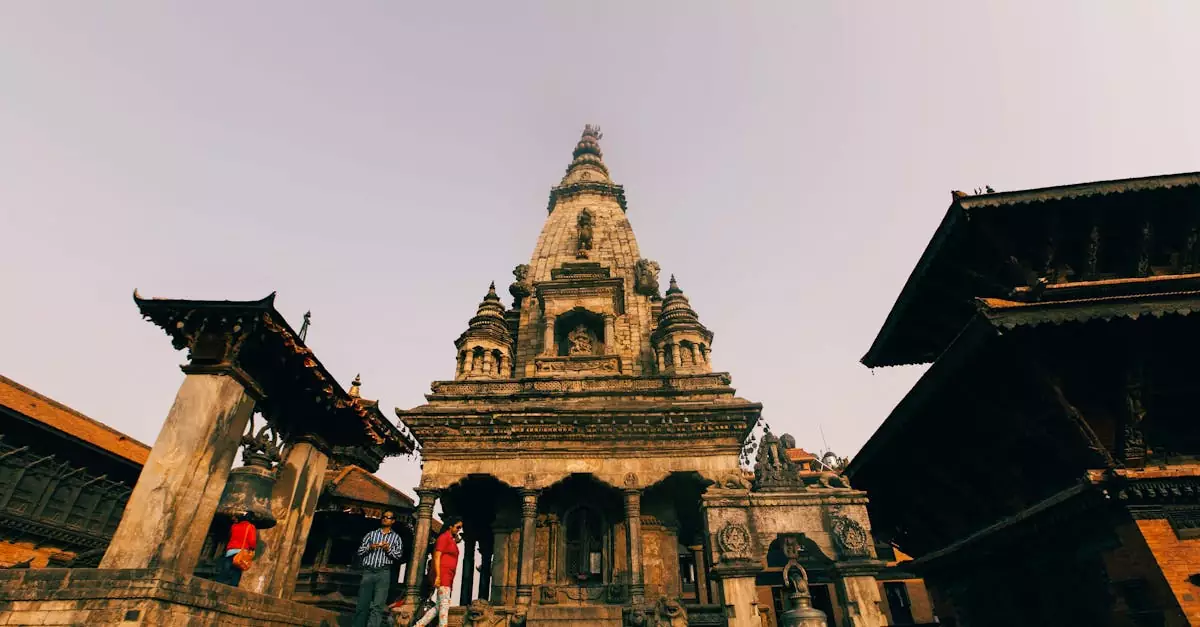
If your stay in Kathmandu is brief, you might only need to tip a handful of people. For a guided sightseeing day, your total tipping budget could range from NPR 1,000 to 2,500. However, for a trek, the total amount may increase significantly as guides and porters work over several days. Thus, understanding the timing and context of your tips is just as crucial as the amount itself.
Restaurants, Hotels, and Taxis: What to Expect
Tipping in restaurants in Kathmandu tends to be straightforward. Many mid-range and upscale venues include a service charge or note it on the bill. If a service charge is already applied, tipping becomes optional. When its not included, a tip of 5% to 10% is considered fair in tourist-friendly areas like Thamel, Boudha, and Lazimpat. In smaller local establishments, simply rounding up the bill is often sufficient.
When it comes to hotels, tipping is equally uncomplicated. Porters frequently navigate narrow hallways, stairs, or busy entrances, especially in older buildings. A common tip ranges from NPR 100 to 300 per bag. For housekeeping, a small daily tip is appreciated since room staff may change shifts. If your stay spans several nights, leaving NPR 100 to 200 per night is a reasonable practice.
Tipping taxi drivers is less formal. Most rides within Kathmandu are short, typically spanning 2 to 8 kilometers. Due to traffic congestion, a 15-minute ride can easily extend to 30 minutes or more during peak hours. For brief trips, rounding up the fare suffices. If the driver assists with luggage or endures heavy traffic, a small additional tip is a nice gesture.
Some important pointers: Always carry small Nepalese rupee notes for tips, as drivers and hotel staff may not have change for larger bills. Additionally, confirm whether a service charge is included before deciding to add anything extra at restaurants.
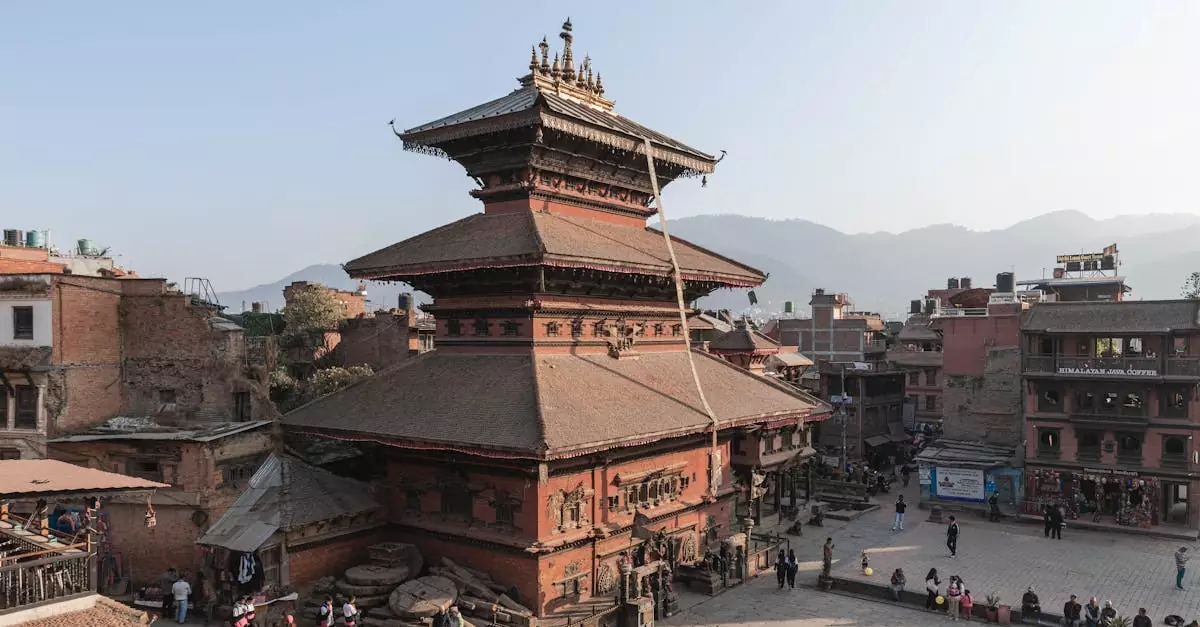
Guides, Drivers, and Trekking Staff: Fair Tipping Practices
When it comes to guides and drivers, understanding the tipping culture in Nepal becomes increasingly significant. Many tourists in Kathmandu opt for half-day or full-day sightseeing tours to attractions like Swayambhunath, Boudhanath, Pashupatinath, and Patan. A full day typically lasts anywhere from 6 to 9 hours, depending on traffic and the duration of your visits. For a guide, a reasonable tip falls between NPR 500 to 1,500 per day, while drivers generally receive NPR 300 to 800 per day.
For trips outside the city, the distance and road conditions play a crucial role. The journey from Kathmandu to Bhaktapur is approximately 13 kilometers and may take between 30 to 60 minutes. Traveling to Nagarkot, about 32 kilometers away, could take 1.5 to 2.5 hours depending on traffic. On these routes, a higher tip might be warranted if the journey is lengthy or the roads are challenging.
When trekking, tips are typically given at the conclusion of the trek. While this can seem complex, it doesnt have to be. A porter carrying one trekkers bag over several days might receive NPR 300 to 700 per day. A guide may earn more, particularly if they are responsible for logistics, safety, and route planning. If youre in a group, collecting the tip together can help ensure fairness and organization.
It’s essential to remember that there are no fixed rules for tipping in Nepal. Some travelers choose to tip generously, while others may give less or skip it entirely in casual settings. The most effective strategy is to gauge the level of service and tip in a manner that feels respectful rather than obligatory.
Pros and Cons of Tipping in Nepal
Grasping the advantages and disadvantages of tipping can help you navigate Nepal’s tipping culture effectively. Offering tips can provide support to workers in a service economy where wages are often low. It can also foster goodwill, particularly in tourist-heavy areas where staff manage long hours, language barriers, and large crowds.
Conversely, the lack of clarity around tipping can lead to confusion. Some visitors may feel anxious about tipping excessively, which might set higher expectations in certain venues. Others may worry about under-tipping. Finding a balance is key. A straightforward and consistent approach typically yields the best results.
Pros
- Demonstrates appreciation for quality service
- Supports workers in tourism-related jobs
- Can enhance communication and hospitality
- Beneficial in hotels, tours, and trekking services
Cons
- Guidelines are not always clear-cut
- Can induce pressure in tourist-heavy areas
- Excessive tipping may feel unwarranted
- Cash is necessary for smaller payments
For the majority of travelers, the ideal approach is to tip where personal service is evident and effort is noticeable. This means that guides, porters, drivers, and hotel staff often merit more attention than a quick coffee shop transaction or local bus ride.
Seasonal Travel, Crowds, and When Tipping Matters More
Seasonal variations can influence your movement throughout Kathmandu and the demands placed on service workers. The primary tourist seasons are spring and autumn. From March to May, the weather is warm and clear, leading to an uptick in trekking activities. From September to November, the skies are generally stable, but crowds are heavier. During these periods, hotels, guides, and drivers may work extended hours, making tipping more significant due to increased demand.
Winter, spanning December to February, tends to be cooler and less crowded in Kathmandu. While daytime travel remains manageable, mornings can be brisk. Although some services may slow down, tips are still appreciated, though not expected. The monsoon season, from June to August, brings rain, muddy roads, and slower travel. Traffic congestion can make even short distances take longer than anticipated. If a driver or guide handles delays adeptly, a tip is an appropriate way to acknowledge their efforts.
In bustling tourist spots like Thamel, service staff encounter numerous visitors daily. They often maintain a polite demeanor, even during peak times. If youre traveling during festival seasons like Dashain or Tihar, expect more local activity, crowded streets, and slower transport. During such times, exercising patience is as important as tipping.
Some key reminders: During peak seasons, its wise to book guides and drivers in advance as good service fills up quickly. Additionally, allow extra time for city traffic, as a 5-kilometer trip can take significantly longer during rush hour.
Best Practical Tips for Tipping in Kathmandu
For a straightforward approach, keep your tipping strategy adaptable. Begin by checking if a service charge is included. Then, base your decision on the quality of service, effort, and time spent. This method tends to work better in Kathmandu than sticking to a fixed amount for every situation.
Here are some practical tips to remember: First, always use cash in small denominations. Second, tip at the conclusion of service rather than in advance. Third, if youre part of a group, distribute the tip fairly instead of giving random amounts. Lastly, dont feel obligated to tip in every scenario; a genuine smile and a polite thank you hold value in Nepal.
If youre on a budget, concentrate on tipping for services that demand the most time and effort. Guides, porters, and drivers usually warrant more consideration than quick transactions. If your budget allows, consider tipping a bit more in places where staff go above and beyond. This keeps your Nepal tipping guide practical and fair.
Keep in mind that Kathmandu showcases a mix of modern and traditional elements. What feels appropriate in a tourist hotel might be excessive in a neighborhood caf. Being aware of your surroundings is key.
FAQs About Nepal Tipping Culture and Average Amount
Is tipping required in Kathmandu?
No, tipping isnt mandatory everywhere in Kathmandu. While its a common practice in tourist services, its not obligatory in every scenario.
How much should I tip a restaurant server in Nepal?
A reasonable range is 5% to 10% if a service charge isnt included. In smaller local eateries, simply rounding up is often sufficient.
Should I tip taxi drivers in Kathmandu?
Yes, but only a modest amount. Rounding up the fare or adding NPR 50 to 100 is typically adequate for short rides within the city.
What is a fair tip for a tour guide in Nepal?
For a day tour in Kathmandu, a range of NPR 500 to 1,500 is practical. For longer excursions or treks, consider tipping more.
Can I tip in foreign currency?
Its advisable to tip in Nepalese rupees. Small local notes are easier for staff to utilize and help avoid exchange issues.
For official travel information about Nepal, you can also check the Nepal Tourism Board at https://ntb.gov.np/. For broader destination context, see https://nepaltourism.org/. General background on the country is available at https://en.wikipedia.org/wiki/Nepal and tourism history at https://en.wikipedia.org/wiki/Tourism_in_Nepal.
Tip Simply, Respectfully, and with Confidence
Understanding the tipping culture and average amounts in Nepal becomes easier once you grasp the basics. In Kathmandu, tipping is flexible rather than rigid. While restaurants might anticipate a small percentage, guides, porters, drivers, and hotel staff often value direct cash tips. The appropriate amount hinges on the quality of service, time, and location.
If you adhere to a simple strategy, youll navigate this aspect well. Keep small bills handy, tip when effort is evident, and dont fret over achieving perfection. A respectful tip, offered at the right moment, usually suffices. This approach aligns well with the spirit of Kathmandu and allows you to travel confidently throughout Nepal.