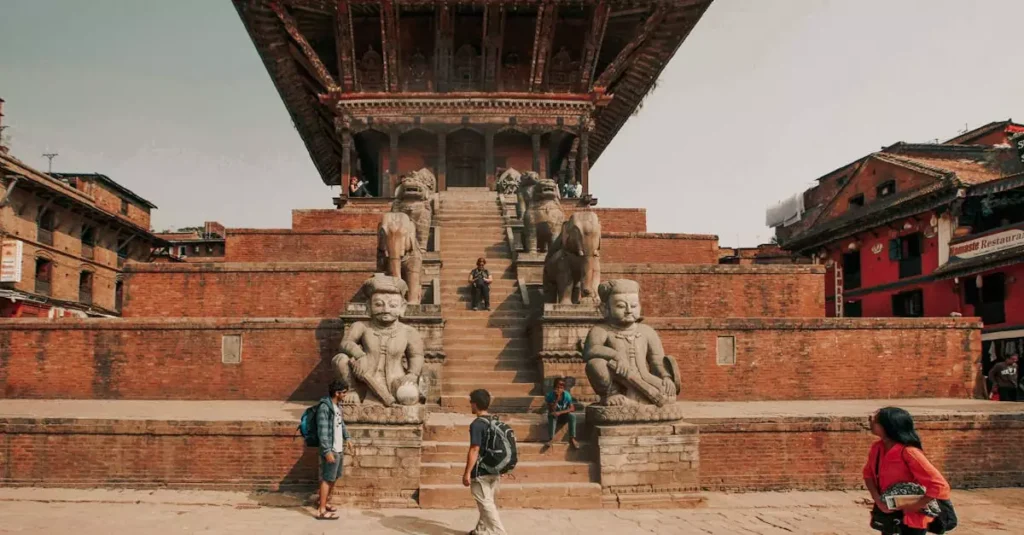
Embarking on a journey to Kathmandu can be thrilling, yet many travelers overlook the Nepal hidden costs tourists should know prior to their arrival. Initially, Nepal may appear budget-friendly. However, various small fees, transportation costs, and additional service charges can accumulate quickly. Without proper planning, your financial estimates can shift unexpectedly.
In Kathmandu, the challenge often lies not in a single large expenditure, but in numerous minor ones. Airport transfers, credit card fees, fluctuating taxi fares, bottled water, entrance fees, and guide services can all contribute to your expenses. While some of these are unavoidable, others can be managed with a bit of foresight.
This overview lays out the actual costs in straightforward terms. It highlights the Nepal extra fees travel typically involves, the distances youll travel, the time required, and areas where travelers frequently encounter unexpected expenses. Youll find practical advice, a comparison chart, advantages and disadvantages, along with answers to frequently asked questions.
Nepal Hidden Costs Tourists Should Know Before You Land in Kathmandu
First-time visitors often concentrate on hotel prices and flight costs, which is a good start but far from comprehensive. Many travelers are surprised by the frequency of minor charges throughout a typical day. In Kathmandu, a brief taxi ride, a temple admission, or even an ATM withdrawal can exceed initial expectations.
Transportation is a common concern. The distance from Tribhuvan International Airport to Thamel is usually between 6 to 8 km, taking anywhere from 20 to 45 minutes, depending on traffic conditions. While the fare might seem straightforward, factors like late-night arrivals, the amount of luggage, and road conditions can alter the final price. Always confirm the cost before getting in the taxi to avoid surprises.
Cash handling also presents hidden costs. While some hotels and shops accept credit cards, many smaller establishments prefer cash transactions. ATM withdrawal fees, foreign bank charges, and unfavorable exchange rates can quickly deplete your budget. This highlights the significance of understanding Nepal hidden costs tourists should know when planning your trip to Kathmandu.
For an overview of the country, you can take a look at this overview of Nepal.
Common hidden costs at a glance
- Airport taxi and ride app surcharges
- ATM withdrawal and bank conversion fees
- Temple and monument entry charges
- Guide or porter costs on short trips
- Water, snacks, and convenience store markups
- Mobile SIM and data activation fees
Transport, Taxi, and Airport Fees in Kathmandu
Transportation constitutes a significant portion of the Nepal extra fees travel budget. Kathmandu’s bustling traffic impacts both travel time and costs. A short journey that appears simple on a map can become much longer during peak hours. Morning and evening congestion often hampers movement around Thamel, Durbar Marg, and the airport road.
The distance from the airport to central Kathmandu isnt vast, but the journey can feel prolonged. Public buses are economical but can be challenging for newcomers with luggage. Taxis offer greater convenience, though fares can vary based on negotiation, time of day, and road conditions. Always confirm the fare with the driver before getting in.
Within the city, many travelers utilize taxis for short distances of 2 to 5 km. While these rides may seem inexpensive, the costs can accumulate with frequent use. Additionally, some hotels may impose charges for airport pickups. While this may not always be a disadvantage, it can still count as a hidden expense if not anticipated.
For local tourism updates, visit Nepal Tourism Board.
Transport cost reality in Kathmandu
- Airport to Thamel: about 6 to 8 km
- Travel time: 20 to 45 minutes, sometimes longer
- Short city taxi rides: often cheap, but frequent use adds up
- Ride prices may rise in rain, rush hour, or late evening
Important Tip: Keep small cash notes handy for taxis, as drivers might not have change for larger bills.
Important Tip: If using a ride app, compare the app fare with a taxi quote, as one may offer a better deal.
| Transport Option | Typical Use | Budget Impact | Notes |
|---|---|---|---|
| Airport taxi | Arrival and departure | Medium | Convenient, but confirm fare first |
| Local taxi | Short city trips | Low to medium | Good for flexibility |
| Public bus | Longer low-cost travel | Low | Cheapest, but less simple for newcomers |
| Ride app | City movement | Medium | Useful when traffic is busy |
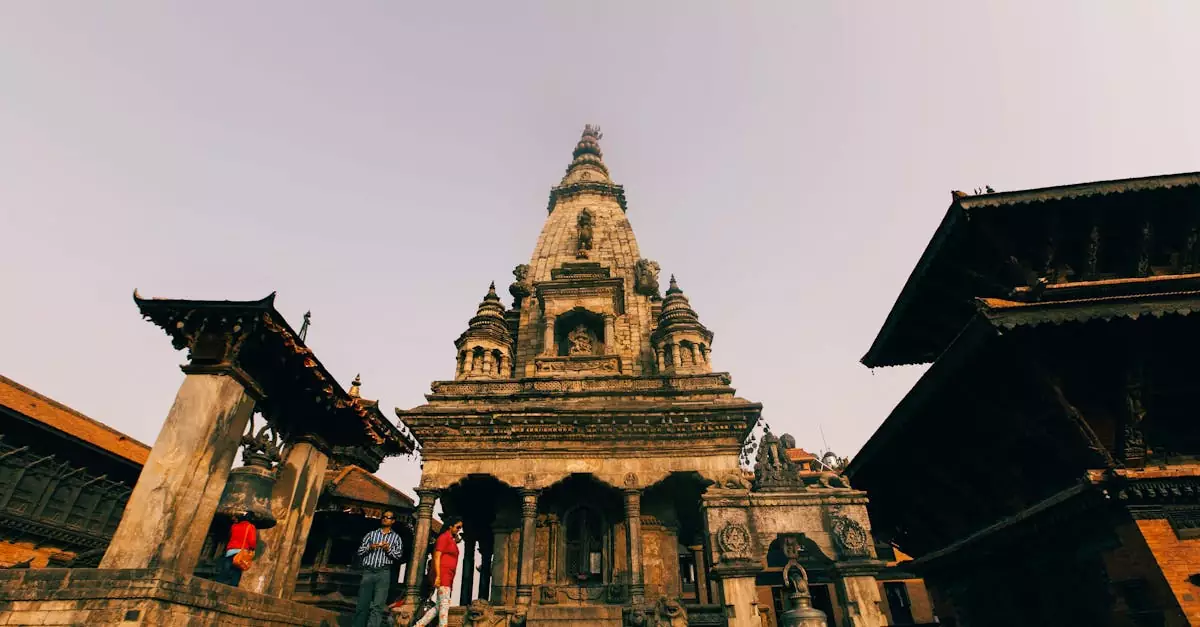
Temple Tickets, Permits, and Entry Charges
Entry fees represent another significant component of the Nepal hidden costs tourists should know list. Kathmandu boasts numerous heritage sites, most of which require payment for foreign visitors. Even seemingly open and accessible locations might have ticket booths at their entrances.
Popular destinations such as Kathmandu Durbar Square, Bhaktapur, Patan, and various museum areas often impose charges for foreign visitors. Prices can fluctuate, so its wise to check official boards at the entrance. Some tickets are valid for a single day, while others may permit re-entry within a short timeframe. If you plan to visit multiple sites in one day, your expenses may exceed your original budget.
Permits are also essential if you venture outside the city for trekking or to protected areas. A brief trip beyond Kathmandu may necessitate paperwork, entry passes, or local fees. These costs can be easily overlooked when focusing solely on accommodations and meals.
If you seek another reliable source on tourism in the country, refer to Nepal Tourism.
What tourists often forget
- Foreign visitor tickets are usually higher than local prices
- Some heritage sites have separate camera or video rules
- Guided visits may cost extra if you want context
- Day trips outside Kathmandu can involve added permit costs
Reality Check: A budget-friendly trip in Kathmandu can escalate to mid-range if you visit several heritage sites within a day or two. This doesnt imply the trip is costly; rather, it highlights the importance of planning for entry fees in advance.
Money, ATM, Card, and Exchange Rate Costs
Managing money can be one of the easiest ways to unintentionally overspend. Many travelers believe that card payments will suffice for all transactions. However, in Kathmandu, this assumption can be misleading. Smaller shops, local eateries, taxis, and street vendors frequently prefer cash. Even hotels might impose a card processing fee in certain situations.
ATM fees are a common aspect of Nepal extra fees travel planning. Your bank may impose foreign transaction fees, and local ATMs often charge withdrawal fees. Furthermore, the exchange rate may not be as favorable as what you see online. If you opt for multiple small withdrawals, the fees can accumulate quickly.
The safest strategy is to carry a mix of cash and cards. Aim for larger withdrawals when feasible, but avoid carrying excessive cash at once. Given Kathmandus bustling nature, crowded areas can increase the risk of small theft. Store your money in different locations, such as a wallet and a hidden pouch.
For a broader context on tourism, you can also read about tourism in Nepal.
Money tips that save budget
- Withdraw larger amounts less often to reduce ATM fees
- Ask your bank about foreign transaction charges before travel
- Carry some clean, small bills for taxis and shops
- Check whether your hotel adds a card surcharge
Important Tip: Avoid relying on a single payment method. Keep cash, a card, and a backup option in separate places.
Important Tip: Always count your cash after making an exchange or withdrawal. Errors can occur, particularly at busy exchange counters.
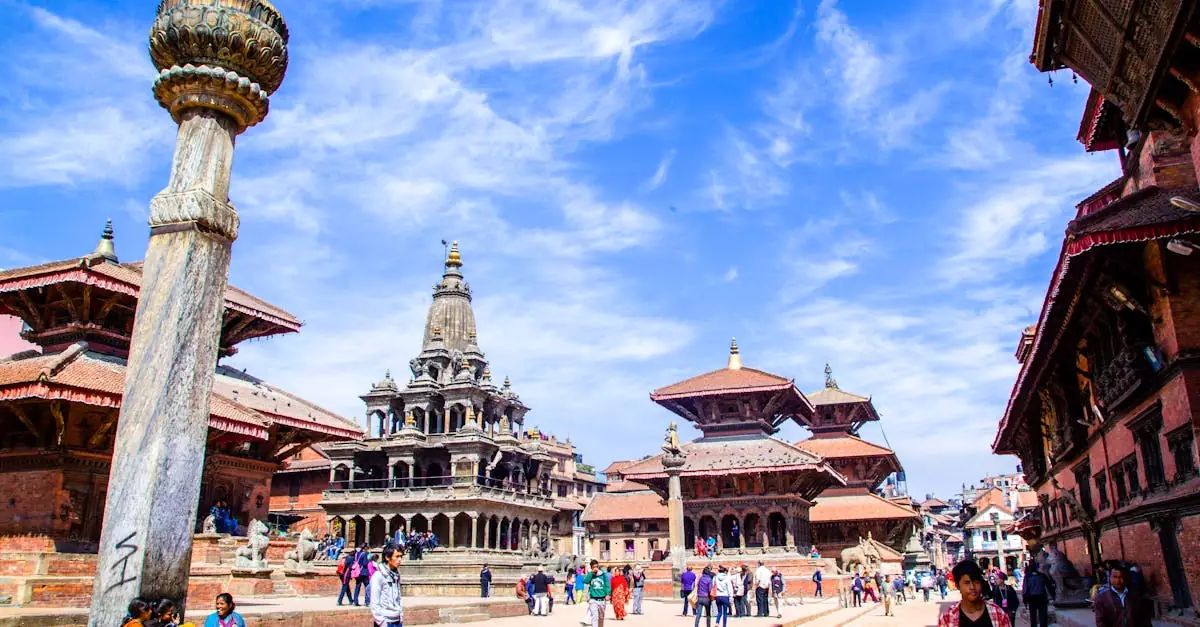
Food, Water, SIM Cards, and Small Daily Expenses
Daily expenses in Kathmandu can initially appear low. A simple meal might seem affordable, yet the overall daily costs can rise due to numerous small purchases. Bottled water, tea, coffee, snacks, toilet paper, and mobile data are common examples. While these individual expenses may be minor, they collectively add up.
Water, in particular, is crucial. Many travelers opt for bottled water rather than tap water. While this is a safe choice, it can lead to recurring costs. If you stay for a week, the expenses for water can become significant. The same applies to coffee shops and bakeries in tourist hotspots like Thamel, where prices are often higher compared to local neighborhoods.
SIM cards represent another small but important cost. Activation may require passport details and a photo. Data packages are generally affordable, but the setup process can take time. If you arrive late, you might need assistance from airport or city shops, which can introduce additional hassle and sometimes a small service fee.
Budgeting for these minor daily expenses is essential for a smooth experience in Kathmandu. They may not seem substantial individually, but they contribute to the overall cost of your trip.
Typical small expenses
- Bottled water several times per day
- Tea, coffee, and bakery snacks in tourist zones
- SIM card setup and data package
- Public toilet access in some areas
- Extra condiments, packaging, or service add-ons
Reality Check: Travelers who only budget for accommodations and meals may still end up overspending by 10% to 20% due to these daily extras.
Seasonal Price Changes, Crowds, and Local Behavior
The season plays a significant role in Kathmandu. During peak travel months, prices for accommodations, taxis, and even certain tours can increase. The busiest times often lead to heavier traffic, longer waits, and less opportunity for negotiation. If you travel during festivals, anticipate crowded streets, slower transport, and heightened demand for rooms in popular areas.
The monsoon season affects the budget in a different manner. Rain can impede traffic and extend taxi ride times. A journey that should take 20 minutes could stretch to 40 minutes or longer. During winter, mornings can be cold and foggy, impacting road conditions and flight schedules. While these changes may not directly incur fees, they can lead to indirect costs through delays and additional transport needs.
Crowd behavior is also a factor. In busy tourist areas, some vendors may initially quote higher prices to visitors. This is common in certain markets, so its wise to compare several options before making a purchase. Maintain a polite demeanor, stay calm, and avoid feeling rushed. Taking a few extra minutes can result in real savings.
Best time planning notes
- Peak season can raise room and taxi prices
- Festival periods can bring heavy traffic and full hotels
- Monsoon can slow travel and increase delay costs
- Winter fog can affect early flights and road timing
Important Tip: Arrange for airport transport in advance if youre arriving during a festival or late at night.
Important Tip: Incorporate a small buffer for delays into your daily plans, as Kathmandu traffic often requires more time than indicated on maps.
Pros and Cons of Budget Travel in Kathmandu
Kathmandu remains a destination that offers good value. The key is to be aware of the actual costs. Once you grasp the common charges, you can explore the city without constant surprises. The city boasts rich culture, easy day trips, and many affordable dining options. However, it also harbors enough hidden costs to impact a tight budget.
Pros
- Numerous budget-friendly food options are available
- Short distances can help keep transport costs low if planned wisely
- Some attractions justify their entry fees
- Managing cash spending is straightforward once you keep track
Cons
- Taxi fares can increase due to traffic or negotiation
- ATM and exchange fees diminish value
- Entry fees for heritage sites can accumulate quickly
- Prices in tourist areas are often higher than in local neighborhoods
Practical Budget Tips for Kathmandu Travelers
To avoid financial stress, begin with a daily spending plan. Allocate funds for transport, food, entry fees, and small extras, then add a buffer for unforeseen expenses. A cushion of 10% to 15% is a wise starting point for Kathmandu.
Select accommodations in locations that minimize taxi needs. Thamel is popular due to its proximity to various services, but it can be crowded and noisy. Other neighborhoods may offer a quieter atmosphere, but could lead to higher transport costs. Consider both distance and room rates, as a cheaper hotel far from your activities can end up costing more overall.
If timing is essential, book certain services in advance. Arranging airport pickups, city guides, or day trips before arrival can simplify your experience, particularly during peak seasons. Additionally, pay attention to operating hours, as some heritage sites and shops may close earlier than anticipated.
Final planning checklist
- Carry cash in small denominations
- Keep one backup card handy
- Compare taxi rates before short rides
- Verify entry fees before visiting heritage sites
- Ensure your budget accommodates water, snacks, and data
The most effective way to navigate Nepal extra fees travel is to anticipate them rather than dread them. Once you identify where these costs arise, managing your budget in Kathmandu becomes significantly easier.
FAQs About Nepal Hidden Costs Tourists Should Know
1. Are hidden costs in Kathmandu really a big problem?
They aren’t catastrophic, but they can alter your budget. The primary concern is the accumulation of small charges throughout the day. If you plan accordingly, they can be manageable.
2. Is cash better than cards in Kathmandu?
Cash remains highly useful in Kathmandu. While cards are accepted at many hotels and larger establishments, taxis, smaller shops, and local eateries often prefer cash transactions.
3. How much should I budget for transport in Kathmandu?
This depends on your travel frequency. Short taxi rides are generally affordable, but repeated trips can add up. Factor in additional costs if you arrive late, travel during peak hours, or plan day excursions.
4. Do tourists pay more for attractions?
Yes, in many instances, foreign visitors face higher entry fees compared to locals. This is particularly common at heritage sites and certain museums.
5. What is the biggest hidden cost for first-time visitors?
For many travelers, the most significant surprise comes from the combination of transport, ATM fees, and attraction tickets. While none of these are substantial on their own, together they can significantly impact your budget.