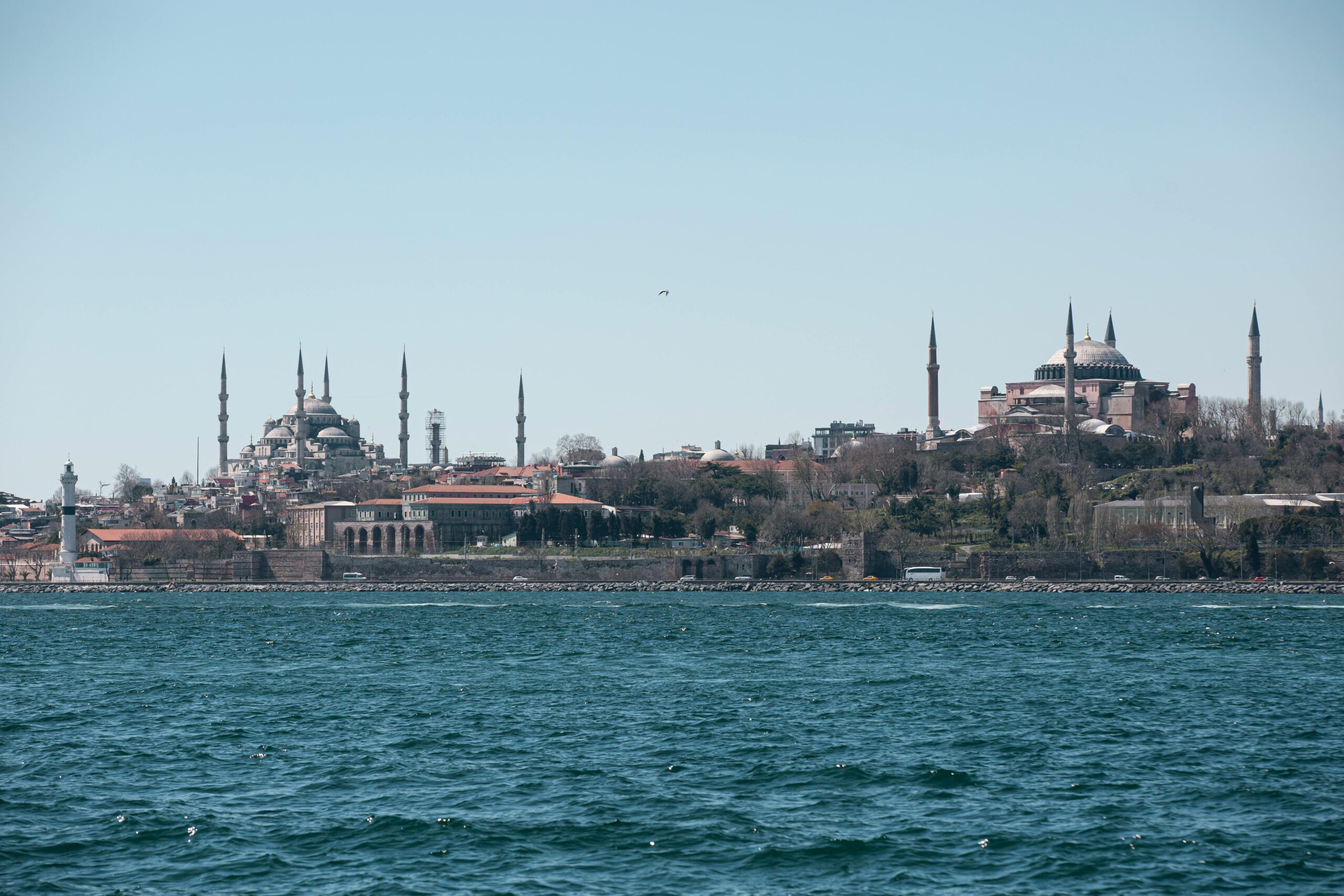
Deciding the best time to visit Istanbul depends on what you want from the trip: warm sunny days for rooftop views and Bosphorus cruises, or cool, quieter streets for museum hopping and local markets. The best time to visit Istanbul often falls in the shoulder seasons—spring and autumn—when mild weather, blooming parks and thinner crowds make exploring the city’s mix of Byzantine and Ottoman landmarks most enjoyable.
This guide draws on official tourism data and seasonal travel trends to explain Istanbul weather patterns, tourist seasons, likely travel costs and practical tips so you can plan the ideal trip. Read on for month-by-month details, packing suggestions, budgeting advice and ways to avoid peak crowds while making the most of Turkey’s largest city.
When to visit Istanbul — a quick overview
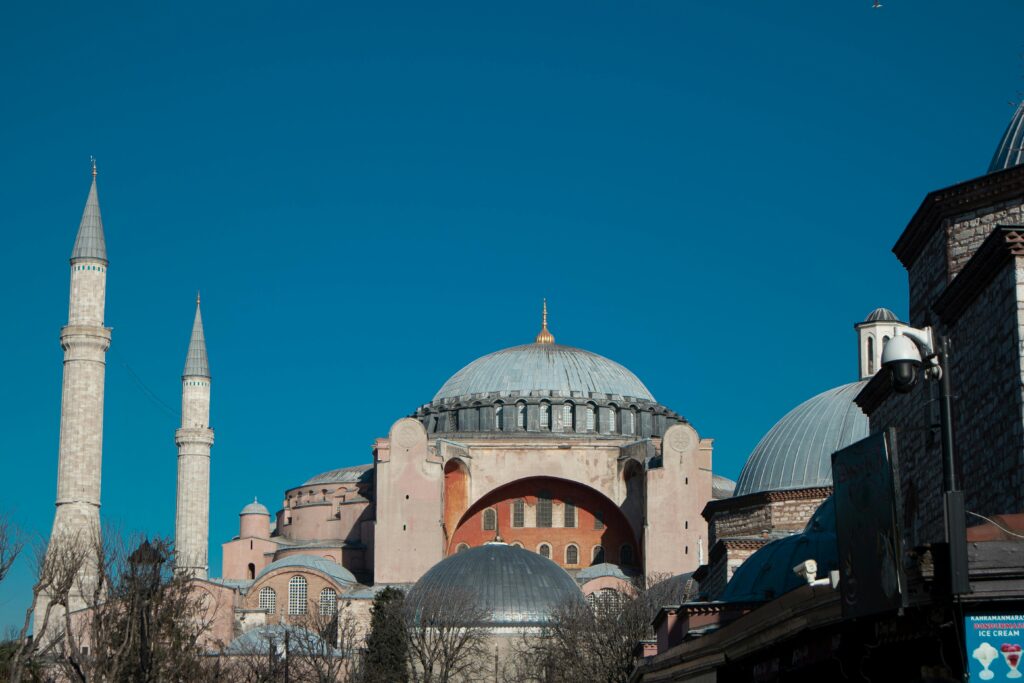
Istanbul’s climate is transitional between Mediterranean and humid subtropical, which creates distinct seasons. Spring (April–June) and autumn (September–November) are generally the most comfortable: temperatures are moderate, rain is less frequent than in winter, and outdoor attractions like the Grand Bazaar, Hagia Sophia and neighborhood walks are at their best. Summer (July–August) brings heat and humidity, while winter (December–February) can be chilly with occasional snow and lower daylight hours.
Tourist season peaks in mid-summer and around major holidays, so if you want lower prices and shorter lines at top sites, aim for shoulder months. For those interested in cultural festivals, religious observances or seasonal markets, timing your trip around local events can add value but may also affect availability and costs.
Seasonal breakdown: what to expect
Spring (April–June): Temperatures typically range from 12–25°C (54–77°F). Parks and gardens bloom, outdoor cafés reopen in force and cruise conditions on the Bosphorus are pleasant. Expect moderate tourist numbers that grow toward June.
Summer (July–August): Temperatures often climb above 30°C (86°F) with high humidity. This is peak tourist season—museums and attractions are busy, and prices for flights and hotels are usually at their highest. If you can handle heat and want lively nightlife and extended open-air hours, summer works well.
Autumn (September–November): Temperatures cool back to comfortable levels similar to spring. The sea remains warm enough for late-season boat excursions, and fall festivals bring music, food and cultural events without the summer crowds.
Winter (December–February): Winters are mild to cold with frequent rain and occasional snow. Many travelers find lower accommodation rates and far fewer crowds at major sightseeing spots, though some outdoor experiences may be limited by weather.
Month-by-month guide to help pick dates
January–February: Quietest months for tourism. Use these months for discounted hotels and easy access to museums, though expect wet weather and shorter daylight. Ideal for travelers who prefer indoor cultural experiences and don’t mind layering up.
March: Early spring; temperatures begin to climb and parks start to green. Tourist numbers increase slowly, making it a good time for lower rates and reasonable weather for walking tours.
April–May: Arguably the best window for many visitors. Tulip season and spring festivals make parks and waterfronts especially picturesque. Expect comfortable daytime temperatures and lively outdoor dining.
June: Warm and sunny, with longer daylight. Crowds rise toward the end of the month as European travelers start peak vacation periods.
July–August: The hottest and busiest months. If you plan to visit then, book accommodation and major attraction tickets in advance, and schedule outdoor activities in the morning or late afternoon to avoid midday heat.
September: A top choice—summer warmth lingers but crowds thin. Water remains pleasant for boat trips and coastal walks, while core attractions are easier to access.
October: Autumn colors, cooler air and many cultural events. Comfortable sightseeing and generally lower costs than summer.
November: Cooler, with occasional rain. Still far less crowded than summer, and good for museum-heavy itineraries.
December: Festive lights and reduced tourist flow. Prices for flights and hotels often fall, but some seasonal closures and shorter opening hours can affect plans.
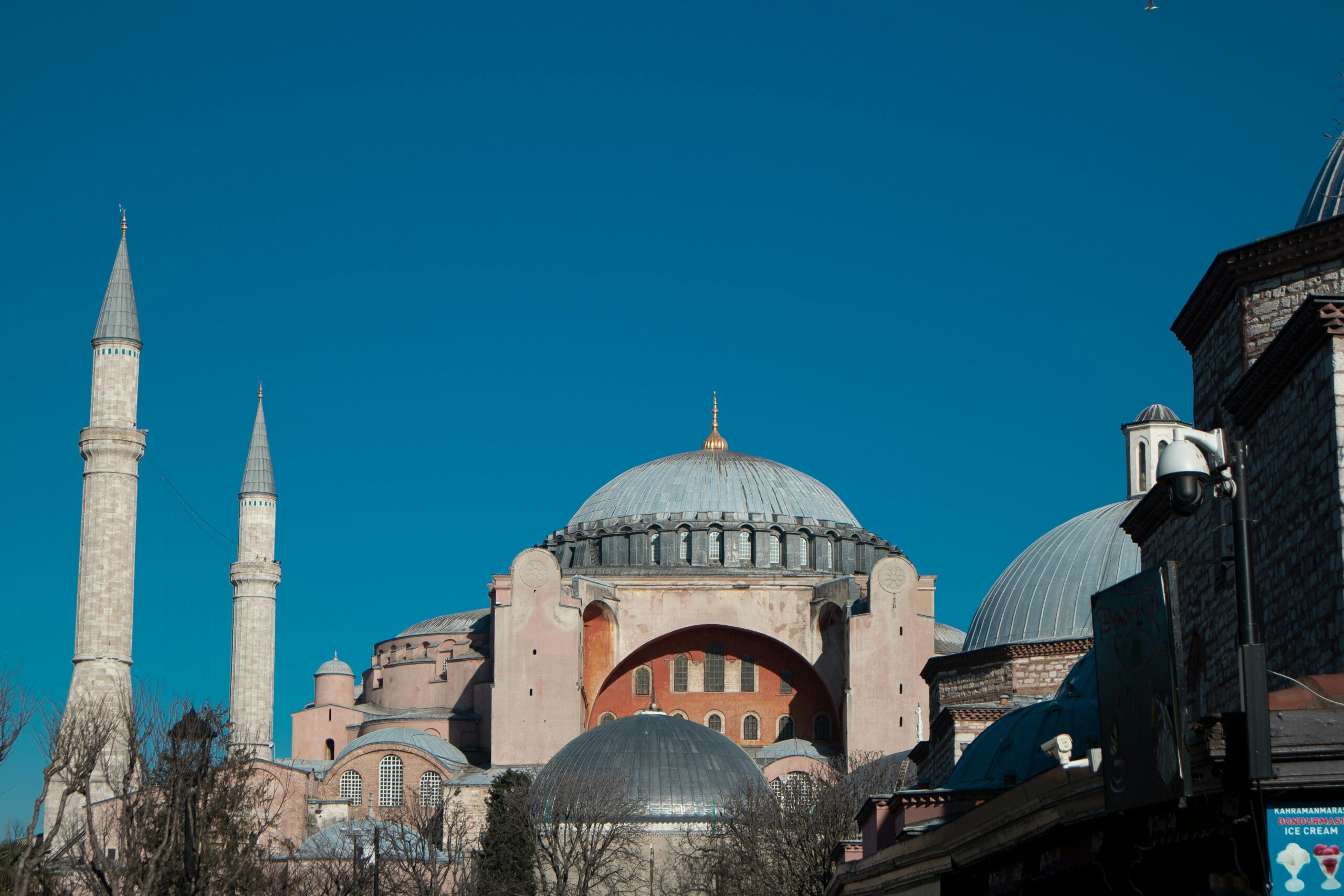
Istanbul weather and what to pack
Understanding Istanbul weather helps shape what to pack. For spring and autumn, include layers: a light waterproof jacket, breathable shirts, a cardigan and a scarf for cooler evenings. Summer packing should prioritize sun protection—wide-brimmed hat, sunscreen, lightweight fabrics and comfortable walking shoes for cobbled streets. In winter, bring a warm coat, insulated footwear and an umbrella.
For the most current short-term forecasts and daily conditions while you plan travel days, check reliable meteorological sources such as major weather services to confirm expected temperatures and rainfall before you depart.
- Essential clothing: comfortable shoes, layers, rain jacket (spring/fall), sun protection (summer), warm coat (winter).
- Electronics: universal adapter, power bank, and a small umbrella.
- Extras: a foldable daypack for market trips and a reusable water bottle for long walks.
Istanbul travel cost: budgeting by season
Travel costs in Istanbul vary by season. Peak summer and holiday periods bring higher airfare and hotel rates, while winter and some shoulder months have lower prices. Food, public transport and many cultural sites remain relatively affordable year-round compared with many Western European capitals, but luxury hotels and guided tours peak in price during summer.
Typical budget categories and seasonal notes:
- Flights: Book early for summer; look for mid-week deals in shoulder months.
- Accommodation: Expect up to 30–50% higher nightly rates in July–August compared with November–March for central hotels.
- Attractions: Major museums and palaces often have modest entrance fees year-round; guided tours can cost more in high season when demand is higher.
- Food and transport: Local eateries and public transport keep costs down; plan more for fine-dining or Bosphorus cruises during peak months.
To control costs consider staying in neighborhoods just outside the historic core—Kadıköy and Balat, for example—where prices are lower and public transport keeps you well connected to the center.
How tourist season affects crowds and experiences
Understanding the Istanbul tourist season helps you decide whether you prefer the bustle of peak months or the quieter pace of off-season travel. Summer brings many visitors, longer opening hours and lively outdoor nightlife, but also larger queues at major sights and higher prices. Off-season travel—particularly late autumn and winter—offers reduced crowds, better availability at popular restaurants and a more local feel in neighborhoods.
For travelers seeking festivals and cultural programming, late spring and early autumn often host arts and music events; for those wanting solitude and lower expense, mid-winter months provide calm streets and discounted rates.
Practical tips to get the most from your timing
Plan arrival and departure dates to avoid local holidays if you want lower crowds and regular business hours—some religious or national holidays can close government offices and affect opening times for museums or markets. Booking early for high-demand months reduces stress and can lock in better rates. If weather-sensitive activities (Bosphorus sailing, island visits) are priorities, choose months with the most stable conditions: late spring and early autumn are safest bets.
- Reserve popular guided tours and museum time slots in advance during peak months.
- Consider weekday sightseeing to avoid weekend local crowds at popular neighborhoods and markets.
- Check event calendars to align your visit with festivals if cultural programming is important.
FAQs
What is the single best month to visit Istanbul?
Many experienced travelers consider May or September the single best months to visit Istanbul—both offer mild temperatures, lower humidity than summer, and thinner crowds compared with July–August, making them ideal for sightseeing and outdoor dining.
How much should I budget per day in Istanbul?
Daily budgets vary by travel style. Budget travelers can manage on approximately €35–€60 per day using public transport, local eateries and budget hotels. Mid-range travelers might budget €80–€150 per day for comfortable hotels, several guided experiences and dining out, while luxury travelers should plan accordingly higher. Prices rise in peak summer months.
Is winter a bad time to visit Istanbul?
Winter is not a bad time—it’s quieter, often more affordable, and many museums are less crowded. However, you should prepare for rain and occasional snow, shorter daylight hours and the possibility that some seasonal outdoor attractions may be limited.
How does Ramadan affect visiting Istanbul?
During Ramadan, many restaurants and cafés remain open for tourists, but some small shops or local services may operate on altered schedules. The evenings can offer vibrant cultural experiences with special foods and events; if you plan to visit during this time, check dates in advance and respect local customs.
Where can I find official practical updates about Istanbul?
For background on Istanbul’s history and administrative details, reputable references such as the city’s general information pages and encyclopedic entries provide reliable context; for fast-changing local conditions, consult municipal or national tourism sites and weather services for the latest advisories.
Conclusion
Choosing the best time to visit Istanbul comes down to balancing weather preferences, budget constraints and tolerance for crowds. For most travelers, spring and autumn offer the optimal mix of pleasant Istanbul weather, manageable tourist season levels and lively cultural life. If you prioritize lower costs and quieter museums, consider the winter shoulder months; if you want sun and festival energy, plan for summer but reserve early. Use official temperature and forecast resources in the weeks before departure to fine-tune packing and daily plans, and you’ll be set to enjoy one of the world’s most layered and captivating cities.