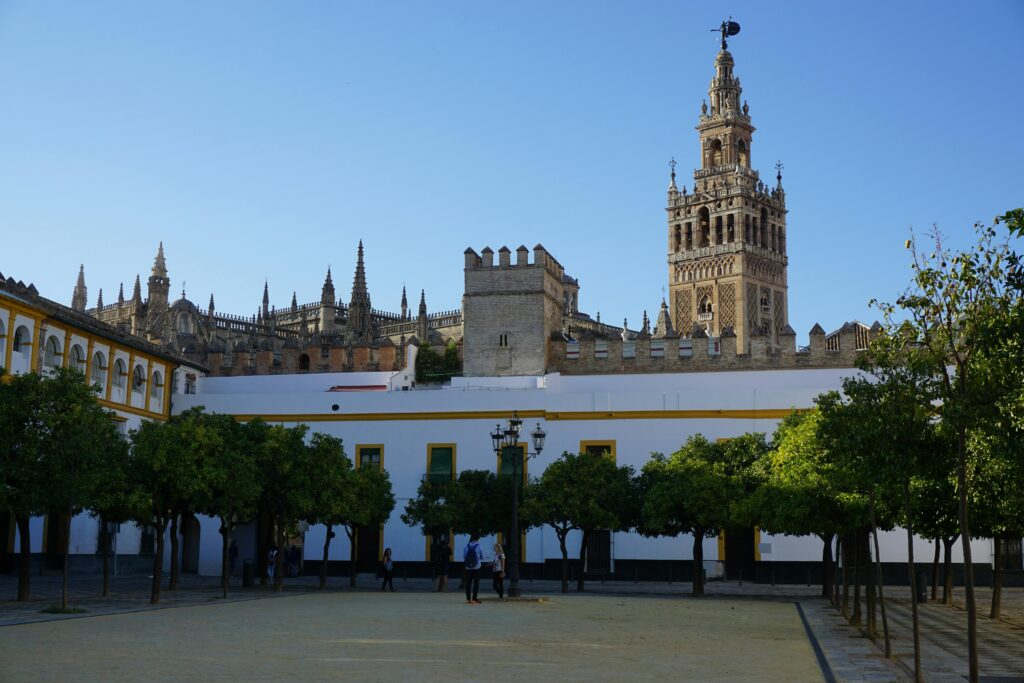
Deciding the best time to visit Seville depends on what you want from the trip: sunny afternoons wandering the Alcázar, lively spring festivals, or cooler evenings spent sampling tapas. Seville’s character changes dramatically with the seasons, and picking the right window can transform your experience from sweltering to sublime.
This guide breaks down weather patterns, crowd levels, seasonal costs, and practical tips so you can choose the ideal month for your trip. The advice that follows is based on official tourism sources and long-term seasonal trends to help you plan confidently.
When to go: seasonal overview
Seville experiences a Mediterranean climate with very hot summers and mild winters. Broadly, the most popular windows are spring (March–May) and autumn (September–November) when temperatures are comfortable and outdoor life is in full swing. Summer (June–August) brings intense heat and higher hotel prices for those who are intolerant of high temperatures, while winter (December–February) is cooler, quieter, and often more budget-friendly.
If you prioritize outdoor sightseeing and festivals, aim for spring. If you prefer fewer crowds and lower costs, late autumn and winter are strong alternatives. Each season has trade-offs: weather, prices, daylight hours, and the presence of major events that shape visitor numbers.
Month-by-month breakdown
March: Spring is beginning and temperatures rise into the high teens and low 20s°C (60s–70s°F). Orange trees bloom and the city feels fresh—ideal for terraces and long walks.
April: Often considered the single best month by many travelers because Feria de Abril (Seville Fair) usually occurs in April, bringing parades, flamenco, and lively casetas. Expect higher demand and lively streets.
May: Warm, sunny, and fragrant; daylight lasts late and outdoor dining is comfortable. This month is great for exploring parks, palaces, and rooftop bars without peak-summer heat.
June: Early June can be pleasant, but by late June temperatures climb toward the 30s°C (mid-80s to 90s°F). Outdoor activities at midday become less comfortable.
July–August: The hottest months, with daytime highs commonly above 35°C (95°F). Locals retreat indoors during the day; evenings are the best time to explore. Tourist numbers vary—some visitors avoid the heat while others seek summer nightlife and late dinners.
September: Temperatures moderate from midsummer extremes. Early September can still feel summer-like, but by late month it’s more comfortable for sightseeing.
October: Mild and pleasant with fewer tourists than spring; a good balance of weather and crowd levels. Fall colors appear in parks and cultural seasons ramp up.
November: Cooler and quieter; occasional rain appears, but many attractions remain easy to visit without long waits.
December–February: The coolest months with daytime highs around 15°C (59°F) and colder nights. This is low season for tourism—ideal for travelers who prefer museums, indoor dining, and lower prices. December contains holiday markets and lights that can be charming.
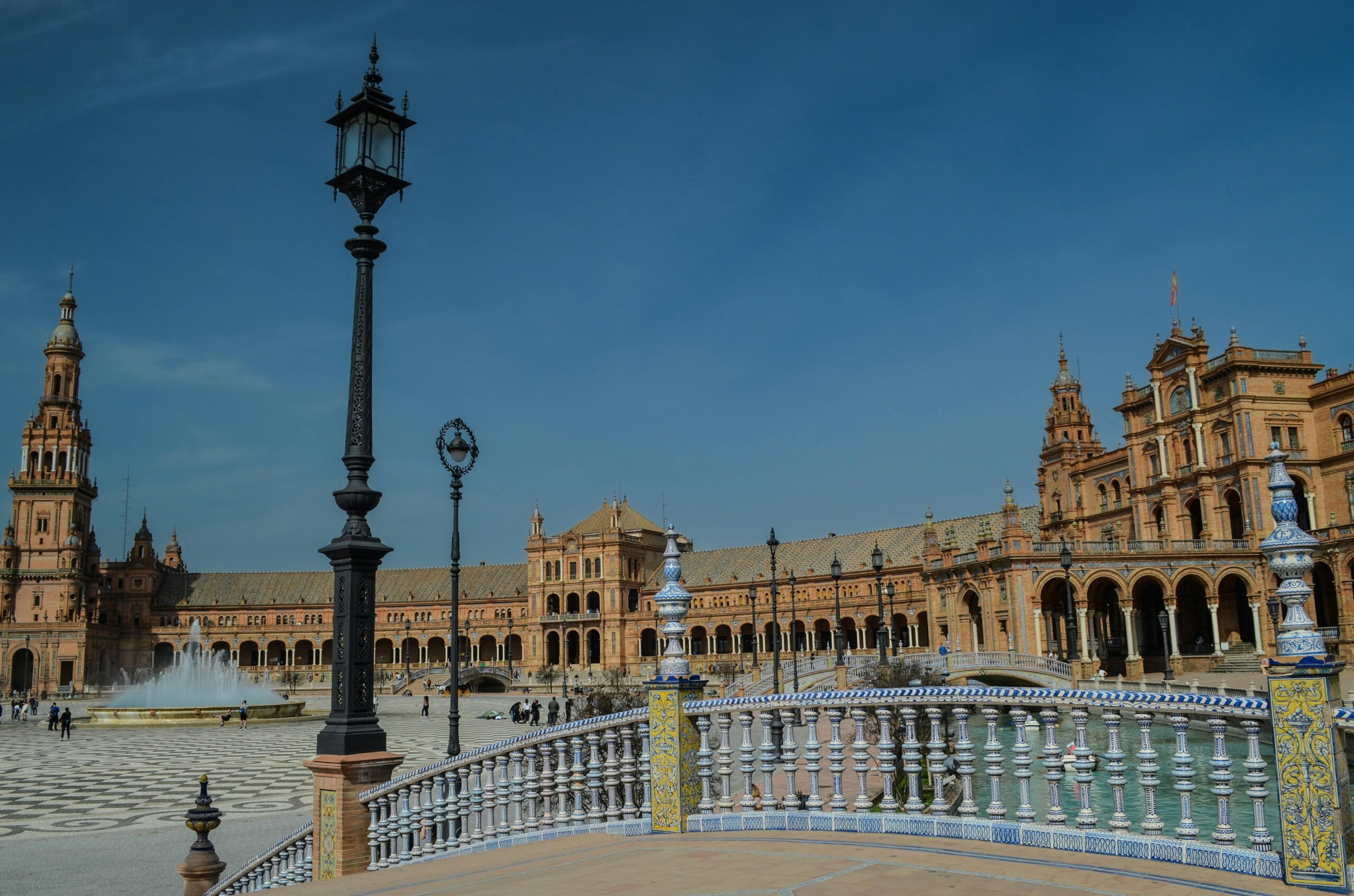
Seville weather and climate details
Seville’s weather is defined by extremes: long, dry summers and short, mild winters. Average summer highs often exceed 35°C (95°F) and nights can remain warm, while winter days are generally pleasant for sightseeing. For daily and extended forecasts consult trusted meteorological sources; for example, many travelers check up-to-date forecasts and averages on Weather.com before packing and scheduling outdoor plans.
Rainfall is concentrated in autumn and winter months; summer is typically very dry. Humidity can amplify the sensation of heat, but breezes along the Guadalquivir River and shaded plazas provide relief. When planning activities, account for midday heat in summer—schedule cathedral visits, museum stops, and long siestas during the hottest hours and enjoy outdoor meals and walks in the cooler morning and evening.

Seville tourist season and crowd patterns
Seville’s busiest tourist periods align with major cultural events and favorable weather. Holy Week (Semana Santa) and Feria de Abril draw large numbers of domestic and international visitors who come specifically for processions, costumes, and festivities. For context on the city’s cultural calendar and history, many travelers refer to the city’s Wikipedia entry to understand local traditions and the timing of annual events.
Outside festival weeks, April–May and September–October see steady tourist flows as visitors seek good weather without extreme summer heat. High summer can be surprisingly less crowded during daytime because of the heat, though evenings become lively. Winter months—except around Christmas and New Year—are the quietest for sightseeing and usually the least crowded in popular attractions like the Alcázar and Seville Cathedral.
Crowd-management tips:
- Book major monument tickets in advance during festival and spring months.
- Avoid visiting the Cathedral or Real Alcázar at midday on weekends in high season.
- Plan outdoor activities early morning or after sunset in summer months.
Seville travel cost: budgeting by season
Travel costs in Seville vary by season. Expect higher airfares and accommodation rates during Semana Santa and Feria de Abril, and generally across April–May. Summer prices can remain elevated due to demand from European travelers despite the heat. Winter tends to offer the best value for lodging.
Typical cost ranges (per person, indicative):
- Accommodation: budget hostels €20–€50, mid-range hotels €70–€150, luxury properties €180 and up—prices rise during festivals.
- Meals: tapas and casual meals €8–€20, mid-range restaurant €20–40 per person.
- Transport: city buses and trams are affordable, taxis for short trips cost €5–€15; consider walking neighborhoods to save money.
Money-saving strategies:
- Travel in late autumn or winter for lower nightly rates.
- Book flight and hotel bundles in advance and remain flexible with dates to find better fares.
- Use multi-attraction passes sparingly—compare single-ticket costs if you only plan to visit a couple of sites.
Practical tips for each season
Spring (March–May): Reserve accommodation and key attraction tickets early, especially if your visit coincides with Semana Santa or Feria. Bring a light jacket for cooler evenings and comfortable walking shoes to navigate cobbled streets.
Summer (June–August): Pack light, breathable clothing, a wide-brimmed hat, and sunscreen. Plan indoor activities around the hottest midday hours and prioritize early-morning or late-evening sightseeing. Many restaurants open late, so adjust your schedule to enjoy Seville’s nightlife.
Autumn (September–November): Expect variable weather—layered clothing is ideal. September nights are often pleasant for riverfront dining; October is prime for quieter parks and cultural events.
Winter (December–February): Bring a warm coat for evenings and an umbrella for rainy days. Indoor cultural offerings are plentiful and queues at major sites are shorter. This season is best for travelers seeking museums, local life, and lower prices.
Packing checklist highlights:
- Comfortable walking shoes and lightweight layers.
- Sun protection for spring and summer: hat, sunscreen, sunglasses.
- A small umbrella or light rain jacket for autumn and winter.
- Reusable water bottle to stay hydrated while exploring.
FAQs
What is the warmest month in Seville?
July and August are the warmest months, with daytime temperatures frequently exceeding 35°C (95°F). Nights can remain warm, so travelers sensitive to heat should plan activities for early morning and late evening during these months.
When are the biggest festivals in Seville?
The two most significant local celebrations are Semana Santa (Holy Week) in the spring and Feria de Abril, usually held in April or May. These events draw large crowds, offer rich cultural experiences, and significantly affect accommodation availability and prices.
Is winter a good time to visit Seville?
Yes. Winter offers milder daytime temperatures for sightseeing, far fewer crowds, and lower accommodation rates. While nights are cooler and there may be more rain, it’s a comfortable season for museum visits, local dining, and relaxed exploration.
How can I avoid the crowds at major attractions?
Visit major sites early in the morning when they open, or late in the afternoon. Purchase skip-the-line or timed-entry tickets where possible, and avoid festival weeks if you want minimal queues. Off-peak months like November and January typically have the fewest visitors.
Does Seville require advance booking for restaurants and tours?
For popular restaurants and guided tours—especially during spring festival times or weekends—advance reservations are recommended. In quieter months, walk-ins are more feasible, but booking in advance gives you better choice and peace of mind.
Conclusion
Choosing the best time to visit Seville depends on your priorities: temperate weather and festivals in spring, cooler and quieter experiences in winter, or late-summer evenings and lower daytime crowds if you can handle high temperatures. By aligning your travel dates with the seasonal trade-offs described above and booking in advance for festival periods, you’ll make the most of Seville’s architecture, cuisine, and cultural life.