Deciding the best time to visit Oslo depends on what you want from the trip: long daylight and festivals, mild weather for hiking, smaller crowds and lower prices, or snowy urban charm. This guide breaks down each season, practical considerations like Oslo weather and Oslo travel cost, and how tourist seasons affect what you’ll see and how much you’ll pay.
Whether you’re planning a short city break or a longer Norway itinerary, understanding seasonal patterns will help you match activities to the right months and get the most from your stay in Oslo.
When to visit: an overview of seasons
Oslo has distinct seasons. Winters are cold with short daylight hours, springs warm quickly and bring blossoms, summers are pleasantly mild and bright, and autumn offers crisp air and colorful parks. The city’s coastal-influenced climate means temperatures are milder than inland Norway, but weather can change quickly.
Peak tourist season runs through June to August when ferry services, outdoor events and open-air dining are at their busiest. Shoulder seasons—late April to early June and September to October—can be ideal for fewer crowds, lower prices and still-pleasant conditions for walking and museums. For detailed forecasts while planning, refer to the Norwegian Meteorological Institute for up-to-date Oslo weather information.
Spring and early summer (April–June)
Late April through June is one of the most rewarding times to visit Oslo. Days lengthen rapidly after winter, parks and the waterfront come alive, and cultural calendars start to fill with concerts, markets and outdoor openings. Temperatures typically range from 8°C to 20°C (46°F–68°F), making it comfortable for walking tours, cycling around the fjord and exploring neighborhoods like Grünerløkka and Frogner.
Visiting in late May or early June offers nearly full daylight by evening, fewer tourists than July, and a good window for day trips to the Oslofjord islands or to nearby outdoor attractions without peak-season prices. Keep a light waterproof layer handy—spring showers are common, especially early in the season.
High summer and peak tourist months (July–August)
July and August are the warmest months and the core of Oslo’s tourist season. Expect long daylight hours, temperatures generally between 18°C and 25°C (64°F–77°F), and vibrant outdoor life—cafés spill onto sidewalks, beaches and marina areas fill up, and festivals are common. This is the best time for swimming, kayaking in the fjord and extended daylight sightseeing.
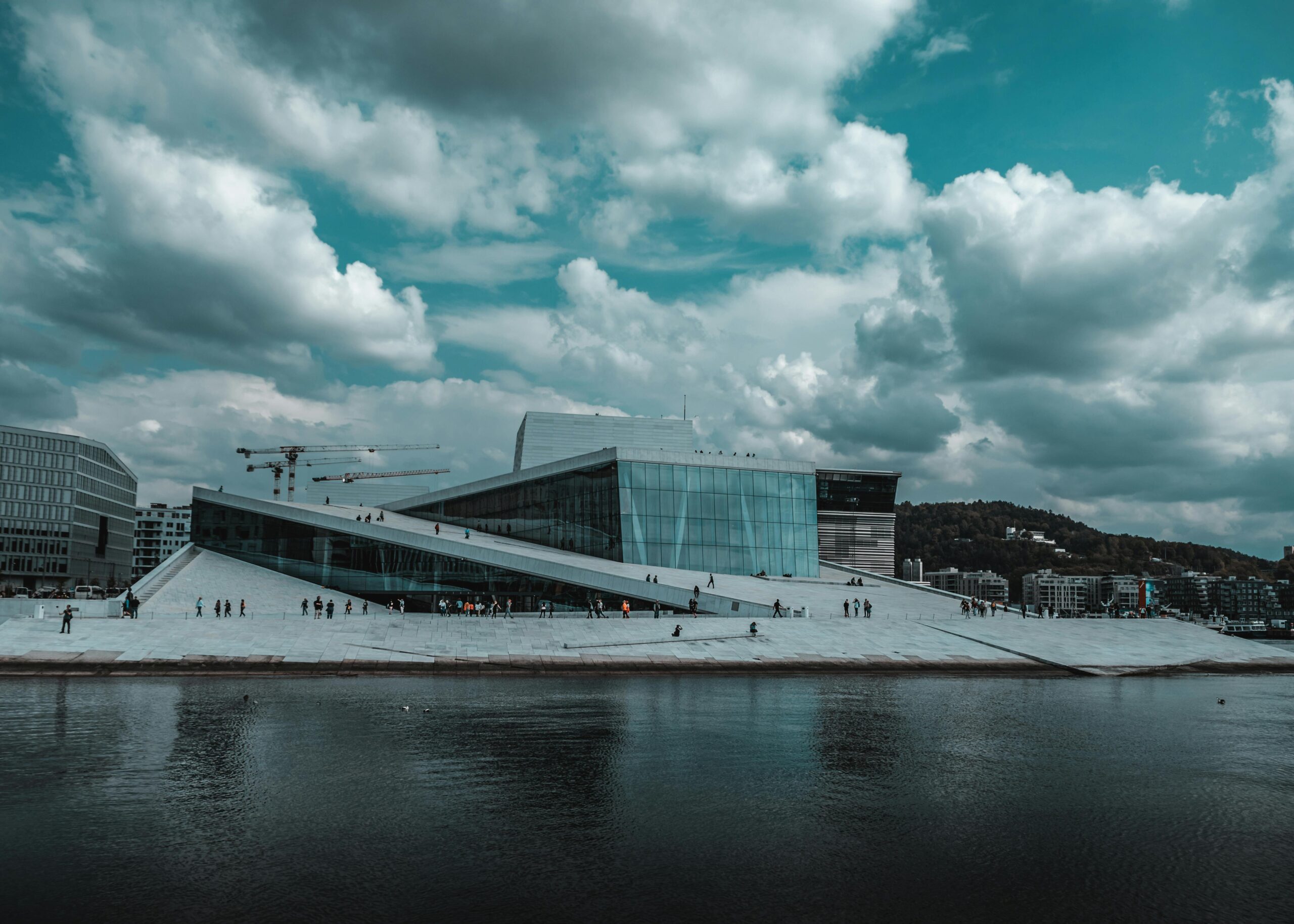
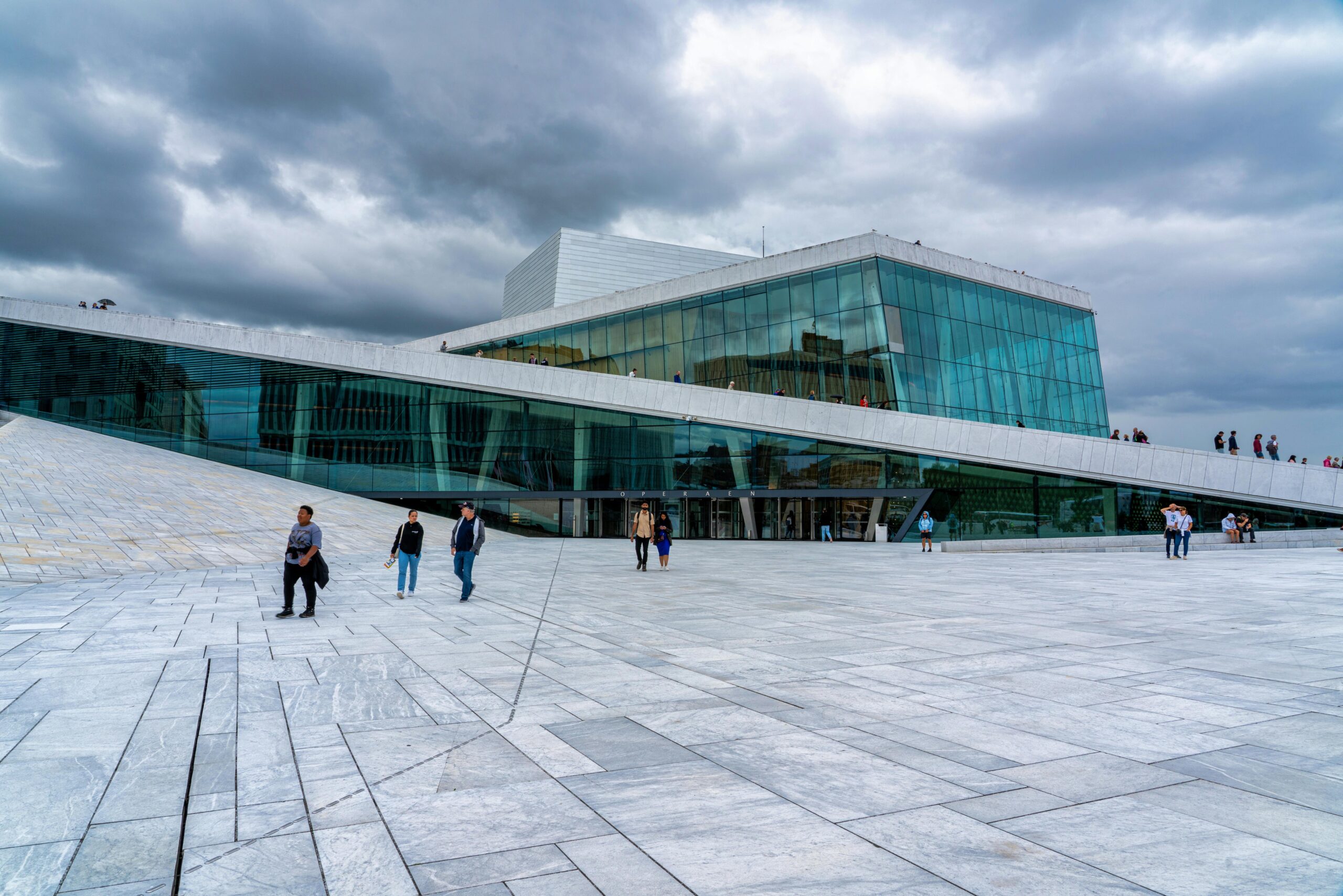
However, the same appeal brings the highest prices and the largest crowds at major attractions like the Viking Ship Museum, Munch Museum and the Oslo Opera House. If you travel in high summer, book accommodations and any special tours well in advance to avoid premium rates and fully booked experiences.
Autumn and winter (September–March)
Autumn (September–November) features cooling temperatures, fall foliage in parks and fewer visitors. Early autumn remains pleasant for walking, photography and museum visits, while late autumn turns brisk and wetter. Prices and crowds drop noticeably after early September, making this a smart choice for travelers sensitive to Oslo travel cost or seeking quieter galleries and restaurants.
Winter arrives from December through March. Days are short—especially around the December solstice—but the city transforms with festive lights, seasonal markets and a quiet, cozy atmosphere. Snow is common but not guaranteed every winter; conditions vary. Winter is ideal if you want to experience Norway’s seasonal traditions, ice skating at public rinks, or winter festivals, though you should be prepared for cold, sometimes icy conditions and limited daylight for sightseeing.
How tourist seasons affect costs and crowds
Oslo travel cost varies substantially by season. Peak-summer rates for flights, hotels and guided tours are highest in July and August. Shoulder seasons offer the best cost-to-experience ratio: April–June and September–October typically provide lower prices while still offering good weather and many open attractions.
- Accommodation: Book early for July–August; look for deals and flexible cancellation in shoulder seasons.
- Flights and transport: Airfares and airport transfers rise in peak months. Consider midweek travel to reduce fares.
- Dining and activities: Popular restaurants and rooftop bars fill fast in summer—reserve ahead. Museums and indoor attractions often have quieter days in shoulder seasons or winter.
Planning major city activities outside weekend peaks and using public transit can reduce costs without sacrificing experiences.
Practical tips: getting around, saving money and staying comfortable
Oslo is compact and easy to navigate. The public transport network—trams, buses, metro and ferries—connects central areas, suburbs and the fjord islands. Consider a travel card or city pass for multi-day stays if you plan to use transit frequently and visit paid attractions. For island hops in summer, ferries run regularly from the city quay.
To manage Oslo travel cost, try these approaches:
- Travel in shoulder months to reduce flight and hotel prices.
- Use the local grocery stores and food markets for some meals—this is especially cost-efficient for families or long stays.
- Buy combined attraction passes only if you plan to visit several included sites; otherwise pick a few highlights and pay per entry.
Also consider weather-appropriate packing: layers, waterproof outerwear and comfortable footwear for cobblestones and promenades. For precise, up-to-date forecasts tailored to your travel dates, consult the national weather service at the official Met.no site before you leave.
Activities by season: what to prioritize
Spring: Focus on outdoor strolls, parks, bike rides and the opening of seasonal terraces. Day trips to nearby hiking trails and the archipelago are excellent as trails thaw and wildflowers emerge.
Summer: Prioritize fjord activities—boat cruises, island beaches and late-evening walks along the harbor. Book museum tickets ahead for busy days and take advantage of outdoor concerts and evening festivals.
Autumn: Enjoy quieter museums and galleries, food festivals and scenic park walks. This is also a good time for architecture and design tours without summer crowds.
Winter: Embrace seasonal markets, indoor cultural venues and winter sports on nearby slopes. Short daylight hours make evening concerts and cozy cafés more appealing; check local calendars for holiday events and concerts.
FAQs
What month has the best weather in Oslo?
July typically offers the warmest and most stable weather, with long daylight hours and temperatures often between 18°C and 25°C (64°F–77°F). Late June and early August are also reliably pleasant, though short rain spells can occur anytime.
Is Oslo expensive to visit compared with other European capitals?
Oslo is generally pricier than many European capitals, particularly for dining and accommodation in peak season. You can reduce costs by traveling in shoulder seasons, choosing budget-friendly restaurants or markets, and using public transit instead of taxis.
When is Oslo least crowded?
Late autumn (November) and winter months outside the holiday period tend to be the least crowded, with lower hotel occupancy and shorter queues at popular museums. Early spring before major festivals can also be quiet.
Are there any months to avoid because of limited services or closures?
Most major attractions remain open year-round, but some smaller sights, seasonal boat services and island cafés may reduce hours in late autumn and winter. Check opening times in advance if a particular ferry route or island visit is central to your plans.
Can I see the northern lights from Oslo?
Seeing the northern lights in Oslo is rare because of its southern location and light pollution. For reliable aurora viewing, northern Norway is a better option. That said, strong solar activity combined with clear, dark winter nights can occasionally produce visible displays further south.
Conclusion
The best time to visit Oslo depends on whether you prioritize warm weather and long days (July–August), fewer crowds and lower costs (shoulder seasons), or seasonal atmosphere like winter markets. Spring and early summer balance pleasant Oslo weather with manageable crowds, while autumn offers lower prices and beautiful foliage. Plan around your priorities—activities you want to do, budget, and appetite for cold or rain—and consult official weather forecasts and travel resources when booking. With a little planning you can match your trip to the season that delivers the exact Oslo experience you’re seeking.