Deciding the best time to visit Brussels depends on what you want from the trip: mild weather for walking tours, lively festivals, or lower travel costs. Brussels offers distinct seasonal experiences, and this guide helps you match your priorities—weather, crowds, events and prices—to the ideal months for your visit.
Below you’ll find a clear breakdown of Brussels weather across the year, how tourist seasons affect crowds and costs, practical packing tips, a month-by-month quick guide, and a short FAQ to answer common planning questions.
When to visit Brussels: an overview
The most popular months to visit Brussels are May through September, when temperatures are pleasant and outdoor terraces and parks are inviting. If you prefer fewer crowds and lower prices, consider the shoulder seasons of late March–April and October–November. Winters can be cold and damp, but propose quieter museums and festive holiday markets.
Use your travel priorities—walkability, festivals, budget, or weather—to choose the right window. For example, culture-seekers often aim for late spring and early autumn, while budget travelers will find the best deals in winter except around the Christmas period.
Brussels weather by season
Brussels has a temperate maritime climate, which means mild summers, cool winters and a fair chance of rain year-round. Understanding typical conditions by season helps pick the best time for your activities.
Spring (March–May): Temperatures rise from 6–16°C (43–61°F). Early spring can be chilly and showery, but by late April and May you’ll get more sunny days and blossoms in parks—ideal for walking the historic centre.
Summer (June–August): Average highs sit around 20–24°C (68–75°F). Summers are comfortable rather than hot, though occasional heatwaves can push temperatures higher. This is peak tourist season, with long daylight hours and many outdoor events.
Autumn (September–November): Early autumn offers crisp, mild days in September and October, with foliage adding charm to green spaces. By November temperatures drop to 4–10°C (39–50°F) and wetter conditions become common.
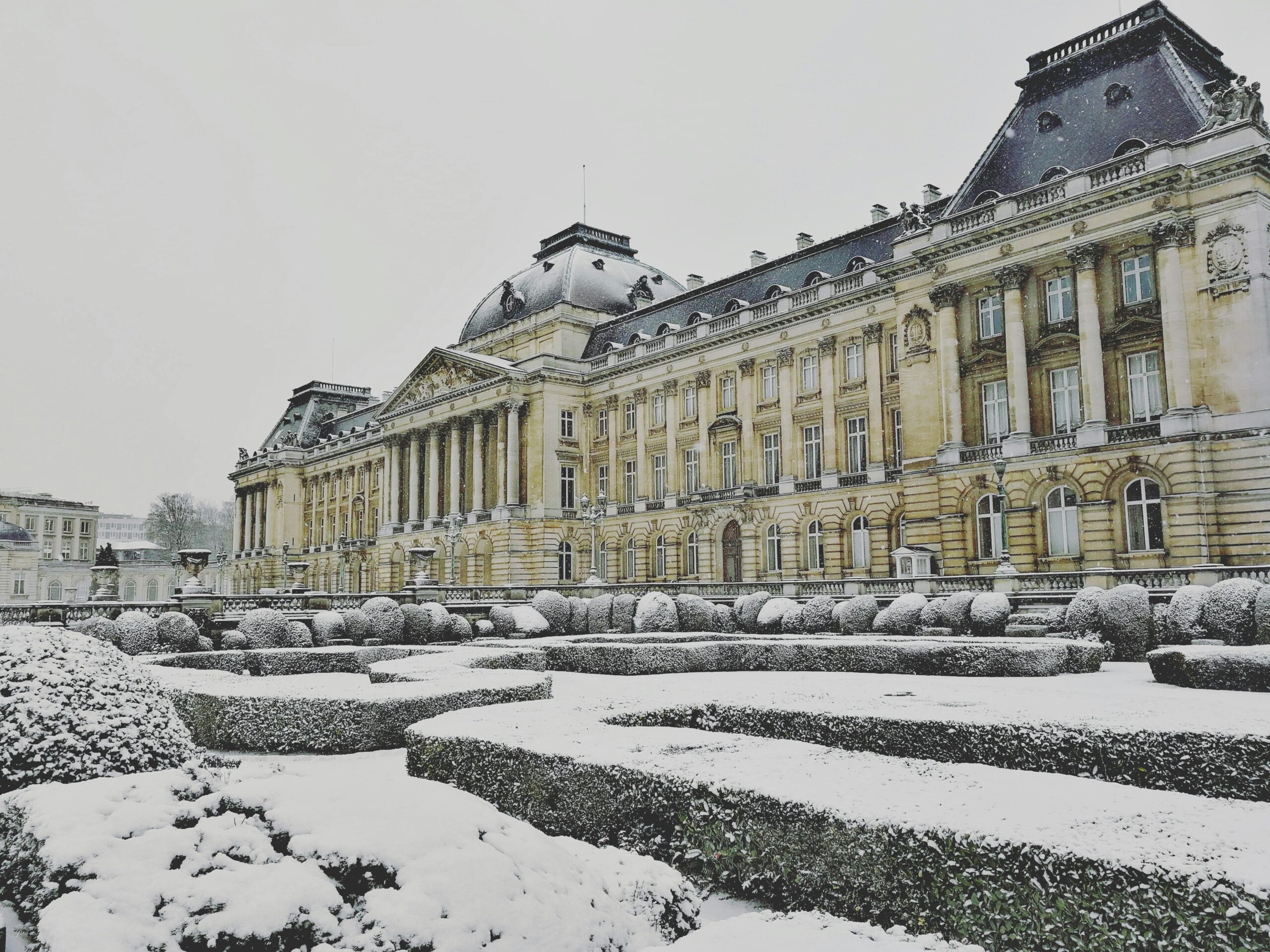
Winter (December–February): Winters are cool and damp, averaging 0–7°C (32–45°F). Snow is possible but infrequent. Many museums, cafes and chocolatier shops remain open, making it a cozy time for indoor cultural visits and seasonal markets.
Peak tourist season and crowds
Brussels tourist season peaks in summer months when festivals, terrace culture and daylight hours coincide. Popular spots—Grand Place, Manneken Pis, and the Royal Gallery—get busiest from June to August. Weekends are generally busier than weekdays year-round.
Major events can dramatically increase visitor numbers: Brussels Pride, comic conventions, and the Flower Carpet (biennial in August) draw international crowds. If you want lively streets and an energetic atmosphere, summer and festival dates are ideal. For smaller crowds at top attractions, plan mid-week visits in shoulder months.
Best time to find deals and manage Brussels travel cost
Accommodation and flight prices usually follow visitor demand. The most cost-effective months to travel are January (after New Year), February, and much of November—excluding holiday weekends—when hotels lower rates and attractions are less crowded. Booking weekday stays often yields lower nightly rates compared with weekends.
To compare lodging options across seasons and see which neighborhoods fit your budget and itinerary, check a broad selection of hotels and apartments on Booking before finalizing dates. Search Brussels hotels and apartments
Early booking helps lock in the best value during popular months, while last-minute deals can appear in shoulder seasons. Keep an eye on transport costs, too: midweek trains and low-cost carriers may offer cheaper fares than weekend travel.
What to pack and what to expect
Packing for Brussels should focus on layers and waterproofs. Even in summer you can experience rain or cool evenings, so a lightweight waterproof jacket and an extra layer are essential. Comfortable walking shoes are a must; cobbled streets and historic districts reward a slow, on-foot exploration.
- Essentials: waterproof jacket, umbrella, comfortable shoes.
- Electronics: EU plug adapter, portable charger for long museum or walking days.
- Clothing: mix of casual and a smarter outfit for nicer restaurants or performances.
- Documents: public transport cards or contactless bank cards, and printed or digital copies of reservations.
If you plan to visit during carnival or holiday markets, pack a warmer coat and gloves for evenings. For summer festival attendees, include sun protection and a refillable water bottle.
Month-by-month quick guide
- January: Quiet after the holidays. Museums and restaurants are easy to visit; good for budget travelers.
- February: Cold but low prices; ideal for museum lovers and chocolate tastings without crowds.
- March: Early spring blooms begin; occasional showers—good shoulder-season choice.
- April: Increasing daylight and milder weather; Easter weekend can be busier.
- May: One of the best months for pleasant weather and outdoor cafes; expect more visitors.
- June: Warm days and long evenings; festivals start ramping up—plan ahead for popular events.
- July–August: Peak season with the most tourists and liveliest street life; book accommodations early.
- September: Lovely early-autumn weather and fewer crowds—excellent for walking tours.
- October: Crisp, colorful foliage and lower rates; rainy days become more common.
- November: Quiet and economical, but shorter daylight and damp weather—good for indoor cultural itineraries.
- December: Festive markets, lights and seasonal menus; expect higher prices around Christmas and New Year’s.
FAQs
When is the warmest month in Brussels?
July and August are typically the warmest months, with average highs around 20–24°C (68–75°F). Heatwaves can occasionally push temperatures higher, but prolonged hot weather is uncommon.
Is Brussels expensive to visit?
Brussels travel cost is moderate compared with other major European capitals. Costs vary by season: summer and December holidays are pricier for accommodation, while winter (excluding Christmas) and late autumn offer better deals.
When are the main festival dates that affect crowd levels?
Festival timing varies: summer months host most big events, with notable highlights like music festivals and outdoor cultural celebrations. Biennial events, parades and national holidays also bring increased visitors—check event calendars before booking.
Can I expect rain any time of year?
Yes. Brussels has rainfall year-round, so packing a light rain jacket or umbrella is advisable regardless of season. Showers are usually intermittent rather than continuous.
Which months are best for museums and indoor attractions?
Late autumn through early spring (October–April) is ideal for museum-heavy itineraries: fewer tourists mean shorter lines and a more relaxed experience at the Royal Museums and other indoor sites.
Conclusion
Choosing the best time to visit Brussels comes down to balancing weather preferences, crowd tolerance and budget. For mild weather and many outdoor activities, late spring and early autumn are top choices; for the liveliest street life and festivals, visit in summer; for lower costs and quieter museums, aim for winter shoulder months. With rain possible any time of year, packing layers and a light waterproof will keep your trip comfortable. Use the month-by-month guide above to pick dates that match your priorities, and book accommodations and key experiences in advance if you travel during popular periods.