Deciding on the best time to visit Bruges means balancing weather, crowds and costs to suit your travel style. Whether you want misty cobbled streets with empty canals in late autumn, sunny terrace afternoons in summer or the twinkling Christmas market, Bruges offers distinct charms in every season.
This guide explains Bruges weather patterns, how the tourist season affects atmosphere and prices, and practical tips to plan your trip so you get the experience you want without unpleasant surprises.
When is the best time to visit Bruges?
If you want mild weather with fewer crowds and comfortable sightseeing, the shoulder months of late April to early June and September to early October are widely considered the best time to visit Bruges. During these windows you’ll typically find spring blooms or autumn colors, daytime temperatures that are pleasant for walking, and tourism services operating at full capacity but without peak-season congestion.
For travelers prioritizing festivals or an energetic summer vibe, July and August deliver long daylight hours, outdoor terraces and frequent events — at the expense of higher prices and larger crowds. Winter offers a unique, cozy version of Bruges, especially around December for the Christmas market and light displays, though cold, damp weather and shorter opening hours should be expected.
Understanding Bruges weather month-by-month
Bruges has a maritime climate, meaning seasons are relatively mild but changeable. Rain can occur any time of year, so checking short-term forecasts before departure is useful. Below is a month-by-month sketch to help you choose dates that match your preferences.
- January–February: Cold and quiet. Temperatures often hover around 0–6°C (32–43°F). Museums are open but some tours run less frequently.
- March–April: Early spring with increasing daylight and occasional showers. By late April temperatures rise to 10–15°C (50–59°F) and parks begin to bloom.
- May–June: One of the best periods for mild weather (15–22°C / 59–72°F). Ideal for walking the historic center, canal photography and outdoor dining.
- July–August: Warmest months with highs around 20–25°C (68–77°F). Expect the most tourists, outdoor concerts and high occupancy in hotels.
- September–October: Another excellent shoulder-season window. Early September can still feel summery, while October brings crisp air and autumn colors.
- November–December: Cool and often damp. December’s holiday lights and markets make up for colder temperatures; daytime highs commonly sit 5–10°C (41–50°F).
For day-to-day weather details before traveling, consult local forecasts and city climate pages to pack appropriate layers.
Peak tourist season and crowd patterns
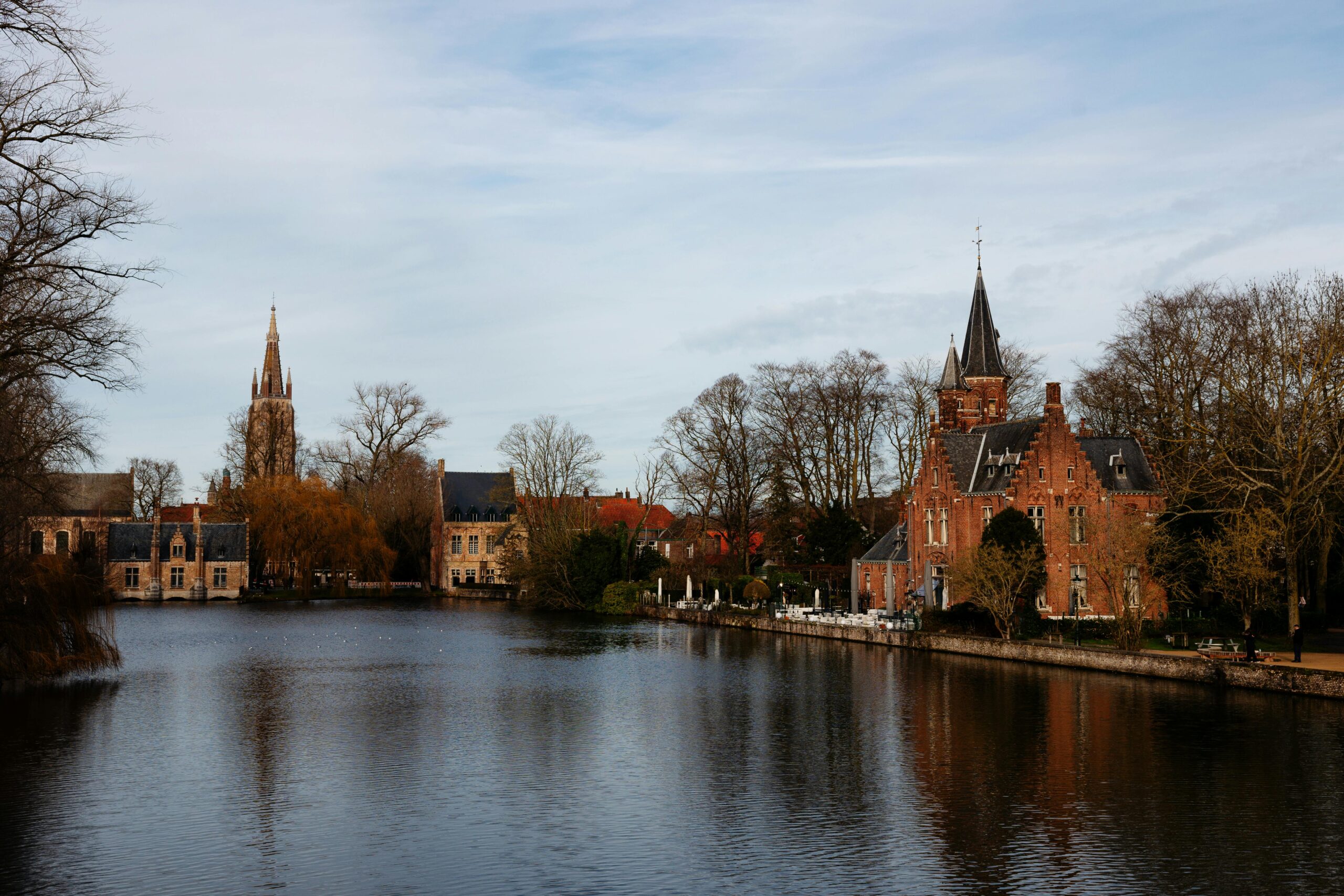
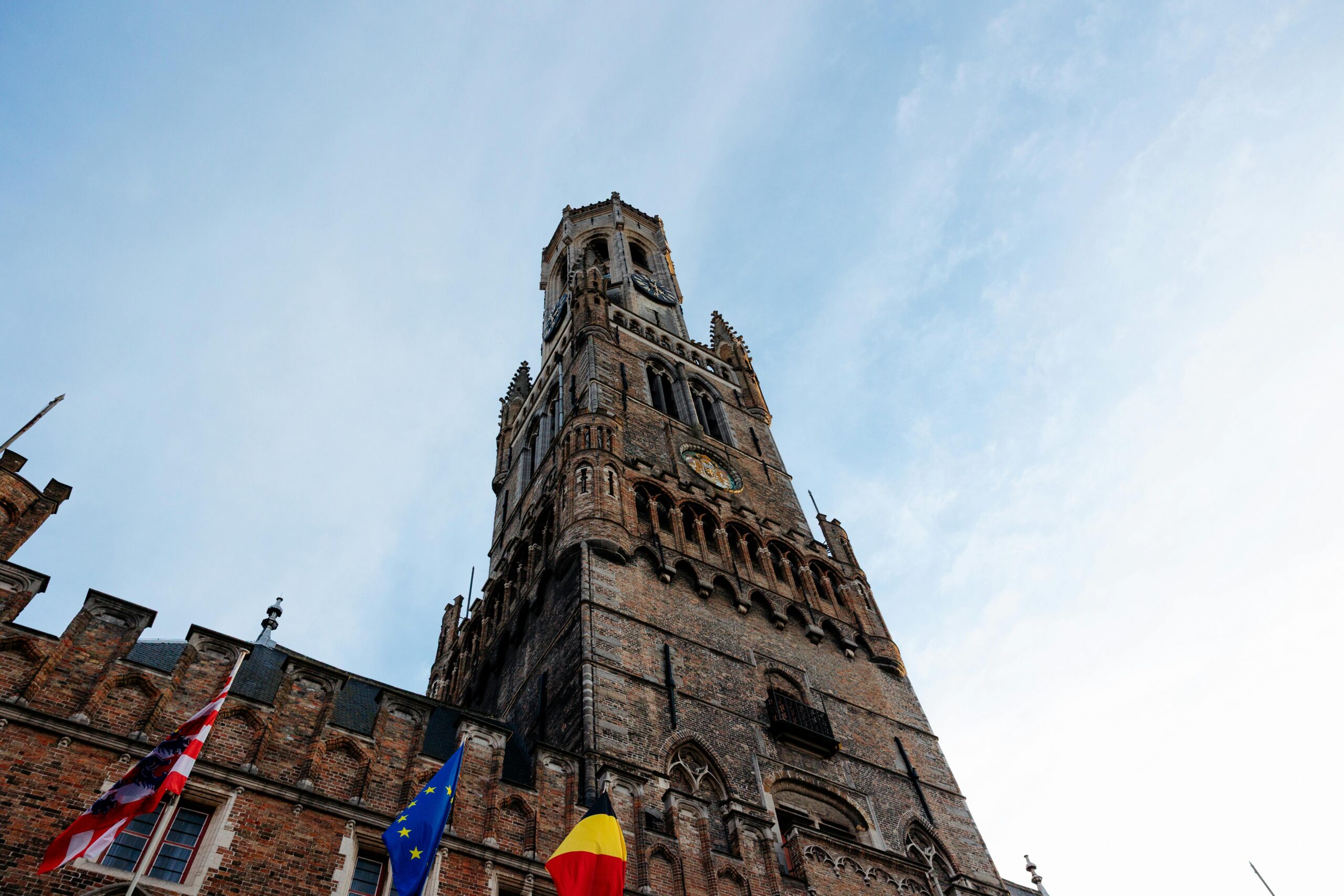
The Bruges tourist season peaks in July and August when international visitors flock to the UNESCO-listed center. Popular sights — the Markt, Belfry of Bruges and canal boat tours — are busiest midday, and restaurants may have wait times. If you prefer quieter photography or more relaxed exploration, plan early-morning starts or visit during shoulder months.
Weekends can be especially busy with day-trippers from cities such as Brussels and Ghent. To avoid peak crowding, consider visiting midweek and during off-peak months like late April, May or September. Some travelers choose winter for empty streets and atmospheric photos, though reduced daylight and colder temperatures require shorter outdoor excursions.
Bruges travel cost: budgeting by season
Bruges travel cost varies by season, accommodation level and how much you dine out or take tours. In high season (July–August and around Christmas markets) expect hotel rates to rise considerably. Booking in advance helps secure preferred properties and prices.
For current hotel availability and a broad view of lodging options across budgets, check a trusted accommodation search that lists locations and guest reviews, as this helps you match price with proximity to the historic center: list of hotels in Bruges.
- Budget traveler: €60–€110 per night for basic guesthouses or hostels (off-peak). Street food, groceries, and public transport keep daily spend modest.
- Mid-range traveler: €120–€220 per night for comfortable hotels with breakfasts. Expect to budget €60–€120 per day for meals, attractions and local transport.
- Luxury traveler: €250+ per night for premium hotels in or near the old town. Add guided tours, fine dining and souvenir shopping for a higher daily total.
Money-saving tips include visiting outside peak months, choosing accommodation a short tram or bus ride from the center, and buying a Bruges City Card for discounted museum entries if you plan to visit multiple sites. For a quick look at available places to stay across dates and price ranges, you can browse comprehensive accommodation listings that show guest ratings and amenities: find accommodation options.
Practical tips: getting around, staying dry and where to sleep
Bruges’ compact center is best explored on foot. Most attractions are within walking distance, which is part of the city’s appeal. Bicycles are available to rent but be mindful of cobbles and narrow lanes. Public buses link the central area to suburbs and the train station; taxis and rideshares are also options for late-night returns.
- Pack waterproof layers and comfortable walking shoes — cobbled streets can be slippery when damp.
- Bring a small umbrella or lightweight rain jacket; showers can be unpredictable even on otherwise pleasant days.
- Book centrally located accommodations if you value walking access to sights. If you prioritize lower costs, staying near the train station can offer cheaper nightly rates with a short transit into the old town.
Advance reservations for canal boat tours and Belfry visits during busy months will save time. If you have mobility concerns, check accessibility details for museums and transport options in advance.
Seasonal highlights and special events
Events and seasonal features influence the feel of Bruges. Here are seasonal highlights to consider when planning.
- Spring: Flower displays and longer days make walking and photography especially enjoyable.
- Summer: Outdoor concerts, food festivals and terrace culture bring liveliness; perfect for nightlife and alfresco meals.
- Autumn: Fewer crowds, mild temperatures and atmospheric mists on the canals — great for moody photos and quiet exploration.
- Winter: The Christmas market and illuminated streets create a festive scene; evenings are ideal for warm chocolate and Belgian beer indoors.
Check local tourism calendars for dates of music festivals, market weeks and museum exhibitions. Booking specific event tickets ahead of time is wise during busy periods.
FAQs
When is Bruges least crowded?
The quietest periods are late November (outside the Christmas market dates), January and February. Shoulder months like late April and September also have noticeably fewer day-trippers than July and August.
What month has the best weather in Bruges?
May, June and early September typically offer the most pleasant combination of mild temperatures and manageable rainfall, making them excellent months for walking, canal tours and outdoor activities.
Is Bruges expensive to visit?
Bruges can be moderately priced compared with other Western European destinations. Costs rise in summer and around holidays; budgeting choices (hostel vs. hotel, dining choices, paid attractions) will determine your daily spend.
Can I visit Bruges year-round?
Yes. Most attractions and restaurants operate year-round, though some seasonal tours or small businesses may have reduced hours in deep winter. If planning a winter trip, confirm opening times ahead of arrival.
How many days should I spend in Bruges?
A well-paced visit is 2–3 full days. That allows time for the main sights, a canal boat ride, a museum or two, and at least one evening to enjoy the city’s atmospheric lighting. Use day trips if you want to explore nearby Ghent or the Belgian coast.
Conclusion
Choosing the best time to visit Bruges depends on whether you prioritize weather, fewer crowds or festive atmosphere. For most visitors seeking comfortable sightseeing and pleasant weather, late spring and early autumn are ideal. Summer is lively but busy, while winter rewards visitors with holiday atmosphere and quieter streets outside peak dates.
Plan according to your priorities, book accommodation in advance for popular dates, pack layers and waterproofs, and schedule key sights for early morning or later afternoon to avoid the busiest times. With a little planning, Bruges will deliver memorable canals, medieval charm and delicious Belgian treats no matter when you visit.