Deciding the best time to visit Krakow depends on what you want from the trip: warm sunny days for strolling the Old Town, crisp winter markets, or quieter shoulder seasons for fewer crowds and lower prices. Krakow’s compact center, rich history and calendar of festivals mean each season offers something distinct — this guide will help you match weather, crowds and costs to your priorities.
Below you’ll find a season-by-season breakdown, a month-by-month weather guide, practical budgeting tips, advice on avoiding peak tourist crowds, and packing recommendations so you can plan a Krakow trip that fits your pace and pocket.
When to go: an overview
Krakow is a year-round destination, but the “best” month really comes down to balancing weather and visitor numbers. Late spring (May to early June) and early autumn (September to early October) are widely considered prime times: temperatures are pleasant, daylight is generous, and major tourist flows are lower than in midsummer.
Summer (July–August) brings long days and lively outdoor events, but expect higher Krakow travel cost and crowded attractions. Winter offers atmospheric charm — especially around Christmas — with festive markets and fewer daytime tourists, but colder Krakow weather and possible snow can change how you plan daily activities.
Season-by-season breakdown
Spring (March–May): Temperatures climb from chilly to pleasantly warm. Tulips and chestnut trees brighten the Planty park ring, and outdoor cafés reopen. This is a strong shoulder-season choice for comfortable weather without peak summer crowds.
Summer (June–August): Warm to hot days, many festivals (music, film and food), and abundant river and park life. If you prefer outdoor dining and late-night walks across the Rynek Główny, summer is ideal — but book accommodations early and budget for higher prices.
Autumn (September–November): Crisp air and striking fall foliage create picturesque streets and quieter museums. Early autumn often retains summer warmth into September, making it another excellent shoulder-season option.
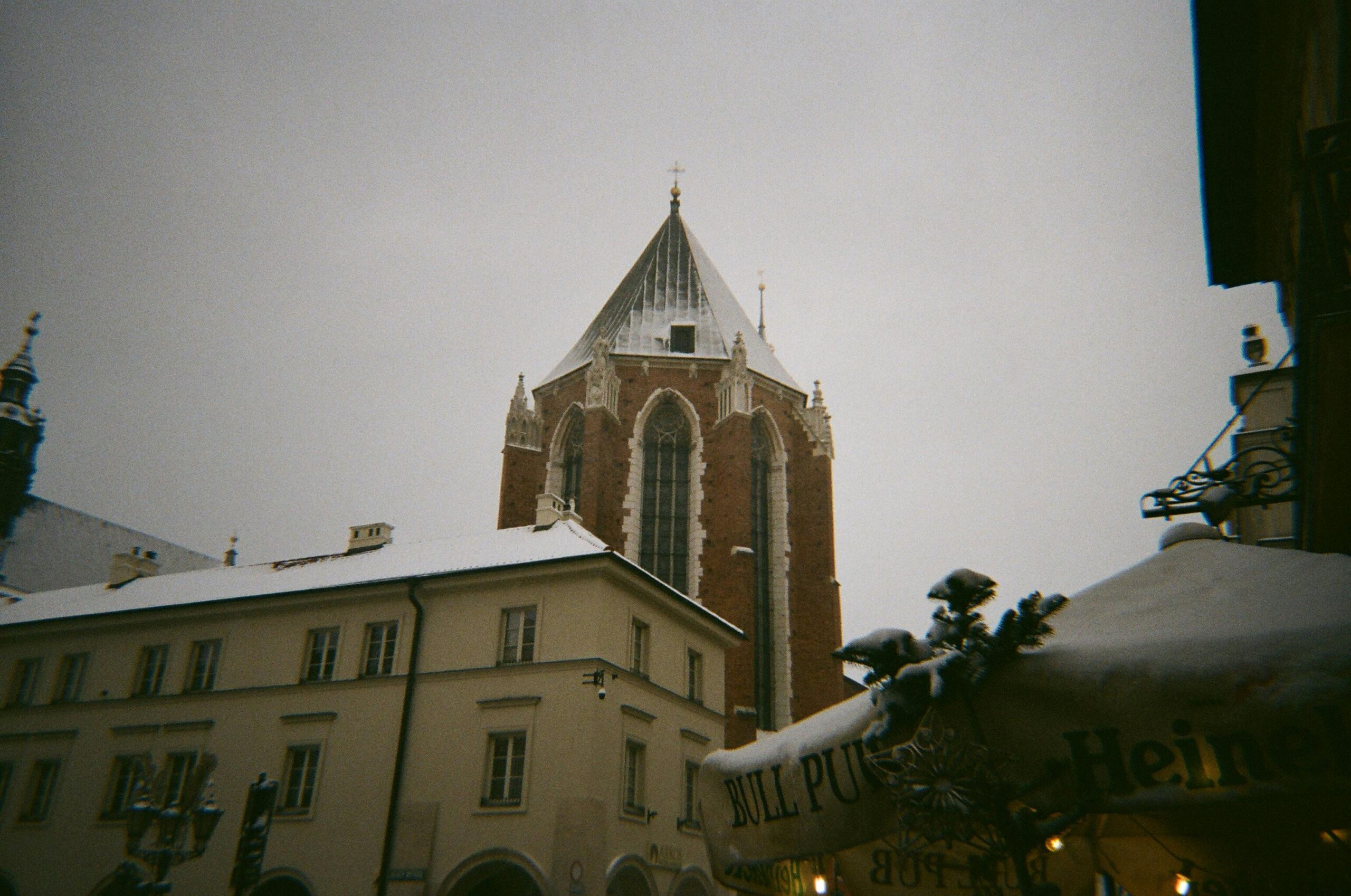
Winter (December–February): Cold with possible snow, but also atmospheric holiday markets and lower accommodation prices outside the Christmas and New Year period. Winter is best for travelers who don’t mind bundling up and want a cozier, more reflective visit.
Month-by-month weather and what to expect
March: Early spring can be unpredictable — expect cool days (around 5–10°C / 41–50°F) and occasional rain. Museums and indoor attractions are pleasant without many queues.
April: Temperatures rise and longer daylight returns. Cherry and chestnut blossoms make the Old Town and Kazimierz particularly scenic. Look for lower Krakow travel cost compared with summer.
May: Often one of the most enjoyable months: mild, green and ideal for walking tours and day trips to Wieliczka or Auschwitz-Birkenau.
June: Warm and sunny, with a festival feel. Book restaurants and hotels in advance if you plan to visit at weekends — you can search and reserve stays using reliable sites for accommodations like hotels in Krakow.
July–August: Hottest months with temperatures often in the low to mid-20s°C (70s°F). Streets bustle and nightlife spills outdoors. These months are peak Krakow tourist season, so allow additional time for major sights.
September: Often warm and comfortable, with thinner crowds than midsummer. Early autumn light makes photography and short hikes around the Vistula or Błonia meadow especially rewarding.
October: Cooler, with vivid autumn colors and quieter streets. Cultural calendar picks up with concerts and theatre seasons restarting.
November: Chilly and increasingly grey; many travelers opt for museum days and café-hopping. Expect lower prices on lodging compared with summer and early autumn.
December: Holiday markets around the Main Square and festive decorations make Krakow magical, but pockets of tourists concentrate around weekends and the lead-up to Christmas.
January–February: Coldest months, often with snow. This is the quietest stretch for general tourism (outside school breaks), and you’ll find the best deals on hotels — check current availability and rates through services like Krakow city stays.
Crowds and Krakow tourist season
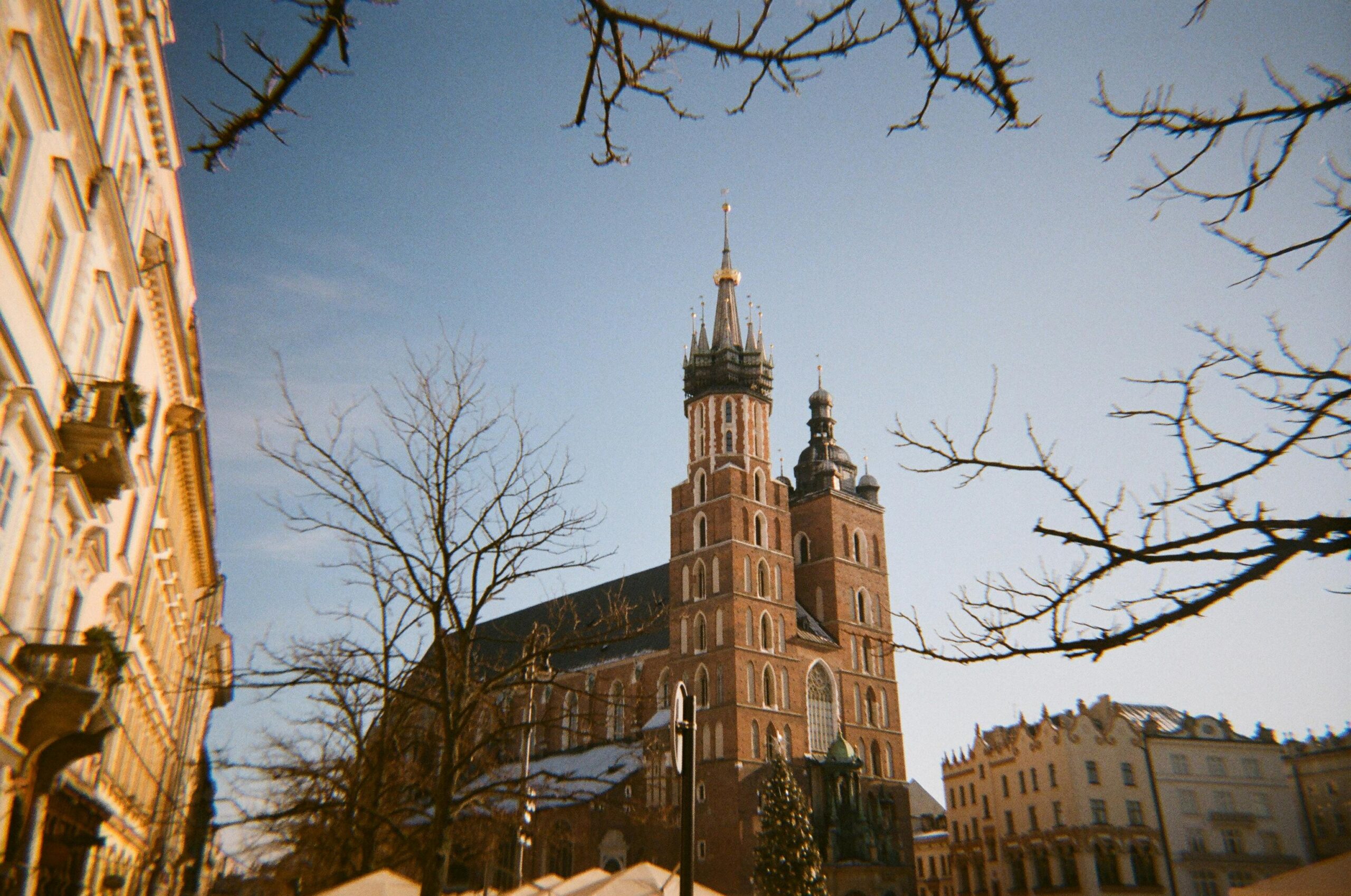
Peak tourist season aligns with school holidays and summer months; Rynek Główny and Wawel Castle are busiest between June and August. To avoid long lines and packed cafés, aim for weekday morning visits or choose shoulder months like May and September.
Major events — such as the Jewish Culture Festival in June or the Christmas market in December — draw extra visitors. Attending a festival can be a highlight, but expect accommodation and some restaurant prices to rise during these periods.
For quieter exploration, consider November through February (outside the holiday weeks) when museums and churches are peaceful and local life is more visible without tourist crowds.
Krakow travel cost: budgeting by season
Costs vary by season: summer commands the highest lodging rates and often higher prices at tourist-heavy restaurants. Shoulder seasons (spring and autumn) typically offer a sweet spot with lower prices and still-pleasant weather.
- Accommodation: Peak season (July–August) rates can be 20–40% higher than off-peak. Book early for the best selection and prices.
- Dining and transport: Eating out and tram fares remain reasonably affordable year-round; dinner at a mid-range restaurant is generally less expensive than major Western European cities.
- Attractions and tours: Entrance fees are stable, but guided tours may charge premium rates in high season. Consider self-guided days at museums when queues are short.
Travelers on a tight budget should target late autumn or winter (outside holidays) for the lowest accommodation costs, while those seeking lively nightlife and outdoor terrace dining will accept higher costs for the summer experience.
Practical tips: what to pack and how to prepare
Pack layers. Even in summer, evenings can be cool. A light waterproof jacket, comfortable walking shoes and a compact umbrella are useful year-round because Krakow’s charm is best enjoyed on foot.
- Summer essentials: sunscreen, hat, and a reusable water bottle (tap water is safe).
- Autumn/spring essentials: a warm mid-layer and waterproof footwear for damp days.
- Winter essentials: insulated coat, thermal layers, gloves and a warm hat. Snow boots are helpful if you plan to walk extensively.
Public transport is reliable; buy single tickets and validate them on board, or use contactless payments where available. Many central attractions are walkable, so allow extra time for exploring side streets, cafés and galleries.
Day trips and timing considerations
Krakow also serves as a practical base for day trips — Wieliczka Salt Mine, Auschwitz-Birkenau and the Tatra Mountains are common excursions. If you plan to visit these, factor in seasonal access: the mountains are best in summer or for winter sports, the salt mine is open year-round, and Auschwitz experiences heavier visitation in summer.
Reserve guided day-trip tickets in advance during busy months and consider early departures to beat the crowds. For a more relaxed pace, split your itinerary with mid-day breaks to enjoy coffee and local pastries at quieter hours.
FAQs
What is the warmest month in Krakow?
July is typically the warmest month, with average daytime temperatures in the low to mid-20s°C (70s°F). Heatwaves can push temperatures higher, but evenings usually stay comfortable.
When is the cheapest time to visit Krakow?
The cheapest time is generally late autumn through winter (November to February) excluding the Christmas/New Year period. Accommodation and some attractions offer lower rates, though you should prepare for colder weather.
Is Krakow busy year-round?
Krakow experiences peaks in summer and during major festivals and holidays. However, outside these periods the city is significantly quieter, making museums and historic sites more pleasant to visit.
Are there any months to avoid due to weather?
No month needs to be strictly avoided, but if you dislike cold and short daylight, avoid mid-winter. Similarly, if you dislike crowds and higher prices, avoid July and August.
How far in advance should I book hotels in Krakow?
For peak months (June–August) and during major festivals or holidays, book several months in advance. For shoulder seasons you can often book a few weeks ahead without issue, and in winter last-minute deals are more common.
Conclusion
Choosing the best time to visit Krakow comes down to your preferences for weather, crowds and cost. For warm weather with manageable crowds, aim for late spring or early autumn. Visit in summer for festivals and an energetic city scene, or choose winter for festive markets and lower prices. Whatever you choose, Krakow rewards visitors with a compact historic center, vibrant neighborhoods and easy day-trip options — plan a few must-see sites, leave time for wandering, and match your trip timing to the experience you most want to enjoy.