Deciding on the best time to visit Ljubljana depends on what you want from your trip: mild weather for strolling the riverside, lively festivals, or quieter streets and budget-friendly rates. In this guide I outline seasonal highlights, month-by-month conditions, crowd patterns and practical tips so you can plan a visit that matches your priorities.
Ljubljana is compact, walkable and easy to combine with day trips to Lake Bled or the Slovenian coast, but timing makes a big difference to how you’ll experience the city. Below you’ll find clear advice on Ljubljana weather, tourist season rhythms and travel costs to help choose the ideal travel window.
When to go: season overview
Spring (April–June) and early autumn (September–October) are commonly recommended as the best seasons for most travelers. Spring brings blossoming trees, longer daylight and relatively stable temperatures, while early autumn offers warm days, crisp evenings and fewer crowds than midsummer. Both windows are well suited for sightseeing, outdoor cafés and riverside walks.
Summer (July–August) is peak tourist season: the city buzzes with visitors, outdoor concerts and terrace life, but popular attractions and restaurants can be busy and prices tend to rise. Winter (November–March) is quiet and atmospheric, with lower rates, Christmas markets and the chance of snow; however, some seasonal attractions and tours may have reduced hours.
Weather and what to expect
Ljubljana weather is temperate continental with Alpine influences. Summers are warm but rarely oppressive compared with many European cities, with average highs around 25–28°C (77–82°F) in July and August. Winters are cool to cold: January average highs hover close to 3–5°C (37–41°F), and snow is possible though not guaranteed.
Rainfall is fairly evenly distributed through the year, but brief afternoon showers are most common in summer. If you plan outdoor activities or riverboat rides, pack a lightweight rain jacket and comfortable walking shoes. For winter visits bring a warm coat, layers and a hat, as evenings can be chilly even when days are mild.
Month-by-month breakdown
April: Spring arrives, with blooming parks and fewer tourists. Temperatures climb from the single digits to the mid-teens, making this a pleasant month for walking and photography.
May–June: Ideal months for outdoor dining, festivals and comfortable sightseeing. Expect long daylight hours and relatively mild temperatures, perfect for combining Ljubljana with day trips.
July–August: The warmest months and the heart of Ljubljana tourist season. Expect lively nightlife and cultural events but also larger crowds and higher accommodation rates. Book popular tours and restaurants ahead when possible.
September: Early autumn often feels like an extension of summer—warm days, cooler nights and fewer visitors. This is an excellent compromise between good weather and moderate crowd levels.
October: Crisp air and autumn colours make parks beautiful. Some tourist services begin to reduce hours late in the month, especially after mid-October.
November–February: Winter months bring local charm, holiday markets and low-season prices. Museum opening hours generally remain steady, but smaller attractions and day-trip operators may run limited schedules.
March: A transitional month with unpredictable weather. Late March sees more daylight and the first signs of spring, but you may still get chilly days or rain.
Ljubljana tourist season and crowd patterns
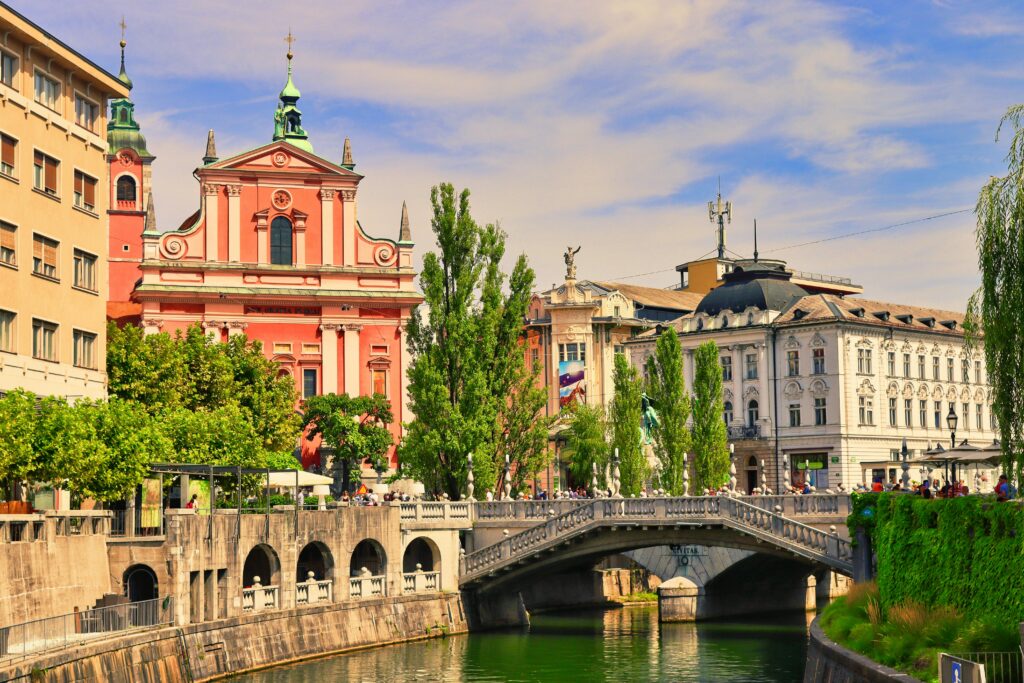
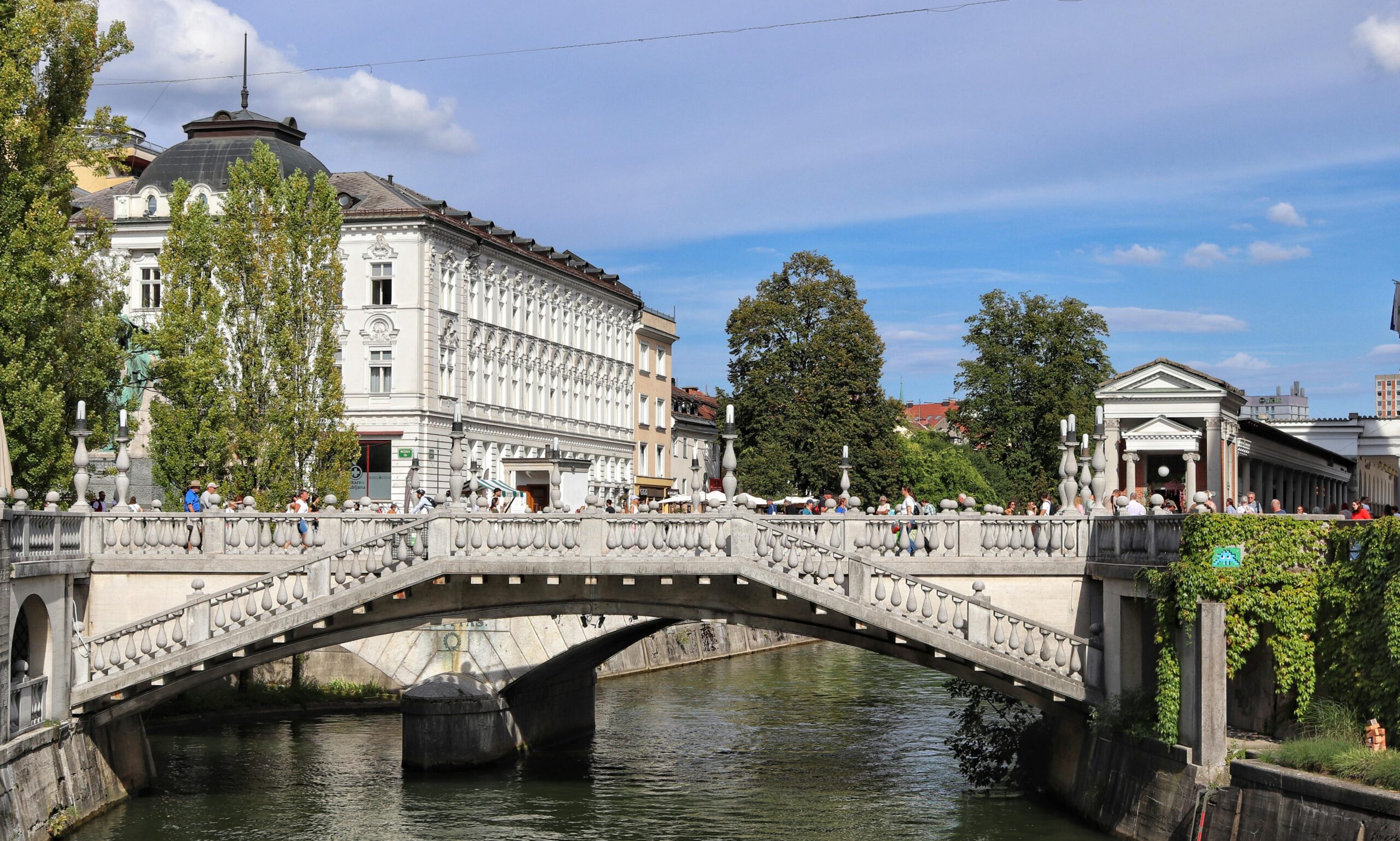
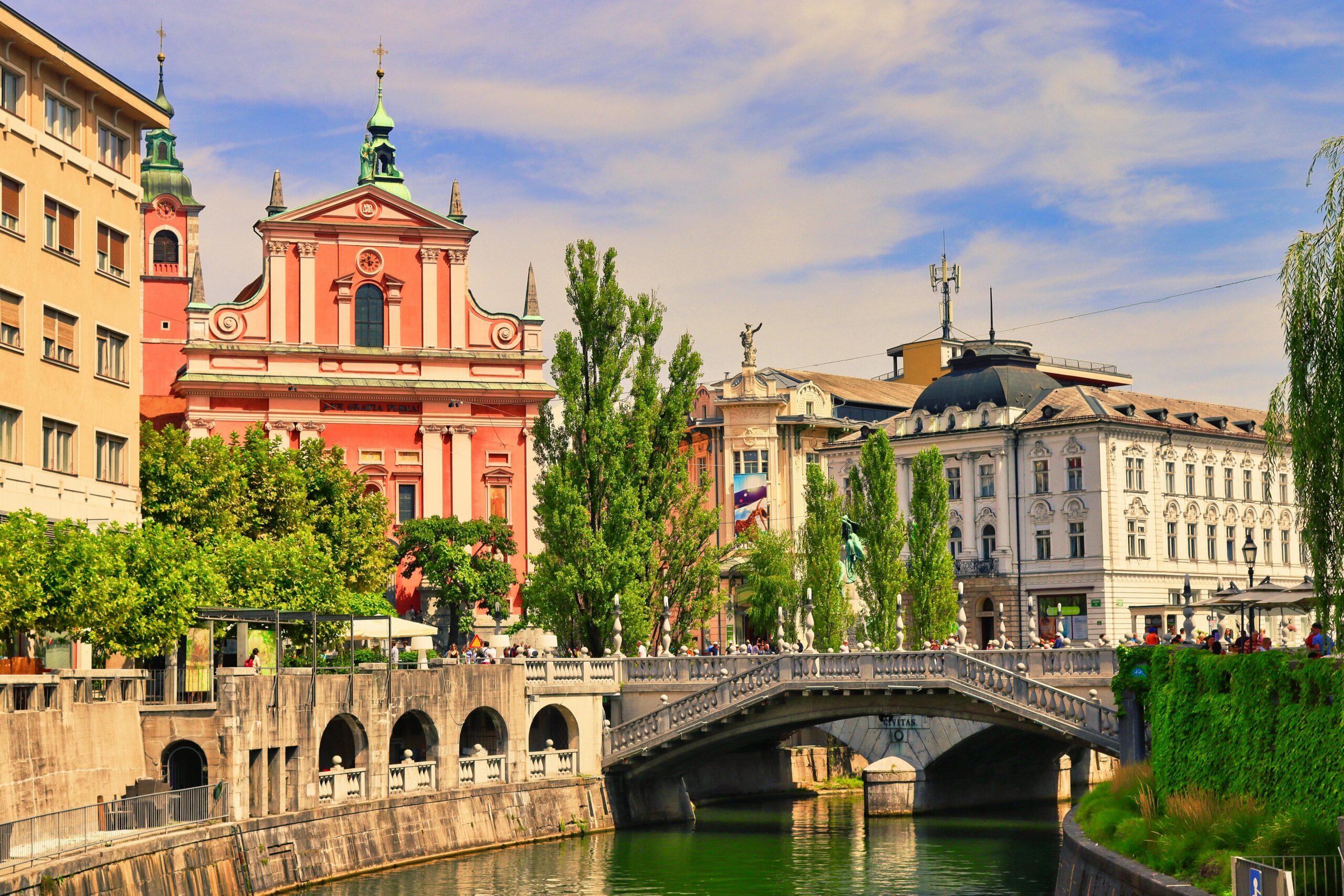
Peak tourist season runs from late June through August, coinciding with school holidays across Europe. During this period the pedestrianised old town, Triple Bridge and Ljubljana Castle are busier, and popular cafés fill up. If you prefer a more relaxed pace, aim for shoulder seasons—May to early June or September—when attractions are accessible but crowds are thinner.
Major events such as the Ljubljana Festival (summer) and the Christmas Market (late November–December) draw both locals and visitors. Booking accommodation and special experiences in advance is wise for event periods. For a quieter city experience, visit midweek and explore early in the morning when many tour groups have not yet arrived.
Ljubljana travel cost and budget tips
Ljubljana travel cost is generally lower than in Western Europe but can vary by season. Expect higher accommodation and flight prices during July–August and around major holidays. Shoulder seasons usually offer the best balance of price and conditions, while winter brings the lowest nightly rates for hotels and private rentals.
Practical ways to manage expenses: choose a centrally located guesthouse or apartment to save on transport, eat where locals go (market stalls and bakeries offer filling, affordable meals), and take advantage of free walking tours and city passes for discounts on museums and boat tours. Use local transport cards for multiple days if you plan to travel farther afield. For hotel options and to compare rates, you can browse accommodations in Ljubljana and filter by price, location and guest reviews.
Getting around, day trips and events
Ljubljana’s center is compact and best explored on foot; most landmarks lie within easy walking distance. The city also has an efficient bus network for outer neighborhoods and quick connections. For day trips you can reach Lake Bled, Postojna Cave and the Slovenian coast within a few hours by car or organized tour.
Seasonal events and festivals influence the best time to visit. Summer brings open-air concerts and cultural programming, while December’s holiday markets provide a festive atmosphere with local crafts and seasonal food. If you plan specific event attendance, check dates in advance and secure tickets early. To check current hotel availability and deals during festival periods, consider comparing listings on a reliable booking platform before finalizing plans and reservations through the same site if it suits your needs: compare options and book lodging.
FAQs
What is the warmest month in Ljubljana?
July and August are typically the warmest months, with average daytime highs in the mid to high 20s Celsius (mid-70s to low 80s Fahrenheit). Even in summer, evenings tend to cool down, so packing a light layer is useful.
Is Ljubljana good to visit in winter?
Yes. Winter offers a quieter city with lower prices, cozy cafés and holiday markets. Some outdoor attractions may be less active, but museums, galleries and the castle remain worthwhile. Snow is possible and adds to the charm, though heavy snowfall is uncommon.
How busy is Ljubljana during peak tourist season?
Peak season (late June–August) brings noticeably larger crowds at main attractions and restaurants, especially around the Old Town and riverside. Visiting early in the morning or later in the evening helps avoid the busiest times.
When are prices lowest for accommodation?
Accommodation prices are generally lowest in late autumn and winter (November–February), excluding the Christmas/New Year period. Shoulder seasons like spring and October can offer favorable rates while still providing pleasant weather.
Can I combine Ljubljana with other Slovenian destinations easily?
Absolutely. Ljubljana works well as a base for day trips to Lake Bled, the Škocjan or Postojna Caves, and even the coast. Trains, buses and rental cars make these excursions straightforward; check schedules ahead, especially outside summer months when some services run less frequently.
Conclusion
Choosing the best time to visit Ljubljana comes down to whether you prioritize warm weather and festivals or fewer crowds and lower prices. For most travelers the shoulder seasons—late spring and early autumn—provide the optimal mix of pleasant Ljubljana weather, manageable tourist season levels and reasonable travel costs. Plan around any specific events you want to attend, book lodging early if traveling in summer, and pack layers to handle the city’s changeable conditions. With thoughtful timing, Ljubljana rewards visitors with picturesque streets, lively cafés and easy access to Slovenia’s natural highlights.