Deciding on the best time to visit Sofia depends on what you want to experience: outdoor hikes into Vitosha, lively cultural festivals, or a quiet city break with cozy cafés. The best time to visit Sofia is typically late spring (May–June) and early autumn (September–October) when the city enjoys mild Sofia weather, fewer crowds, and comfortable conditions for walking the compact center.
This guide walks through the seasons, practical packing tips, cost expectations, and how Sofia’s tourist season affects what you’ll find open, busy, or on sale. Whether you’re planning a weekend escape or a two-week base to explore Bulgaria, the following information will help you choose the ideal month for your trip.
When to go: a seasonal overview
Sofia sits at about 550 meters above sea level and has a humid continental climate, which brings cold winters and warm summers. Spring brings a rapid green-up and more stable weather after the snow melts, while summer delivers long, sunny days perfect for terraces and outdoor festivals. Autumn is crisp and colorful; winter is cold and often snowy, which turns the city and nearby mountains into an appealing destination for winter sports.
For first-time visitors focused on sightseeing, late spring and early autumn are the sweet spots: temperatures are pleasant, sights are open, and public transport is easy to navigate. If you want to pair urban exploration with a Vitosha hike, aim for late May through September when trails are generally snow-free.
Seasonal breakdown: month-by-month advice
May–June: Expect comfortable daytime temperatures in the high teens to mid-20s°C (60s–70s°F). Parks and trees are in full bloom, and cultural events begin to ramp up. This is a great window for outdoor dining and walking tours without the peak-season crush.
July–August: Peak summer can be hot, with daytime highs often in the mid-20s to low 30s°C (70s–80s°F). Many Bulgarians take holidays in August, so some smaller shops or family-run restaurants may be quieter, but major attractions remain busy. This is the best time if you want the liveliest sidewalk café scene and festival programming.
September–October: Temperatures cool, foliage colors appear, and the light is excellent for photography. This shoulder season balances pleasant weather with reduced Sofia tourist season intensity, making it ideal for museum visits and sampling seasonal Bulgarian cuisine.
November–March: Winter brings cold and snow—average temperatures often dip below freezing. The city becomes a base for skiing and snowboarding on Vitosha and other nearby ranges. If you enjoy winter markets, lower accommodation prices, and a festive atmosphere around the holidays, winter can be rewarding, though expect shorter daylight hours.
April: A transitional month that can be unpredictable—cool, rainy days are common, but when the sun appears the city quickly looks refreshed. April can be economical for travelers with flexible plans.
Peak, shoulder and low season — what to expect
Peak season (July–August): Expect the most tourists, longer opening hours at attractions and restaurants, and the busiest public spaces. Prices for hotels and flights are often highest in these months. If you prefer guaranteed festival activity and the warmest weather, this is the time to visit.
Shoulder season (May–June and September–October): These months offer the best balance of good Sofia weather, manageable crowds, and more moderate prices. Cultural events and guided tours run frequently, and museums are comfortable to visit without large tour groups.
Low season (November–April): Cold weather and shorter days reduce the number of tourists, which can mean reduced rates on accommodation and easier access to popular sites. Some smaller attractions may have limited hours or close for renovations in the slow months. Low-season travelers should check opening times and current conditions before booking.
What to pack and practical tips for each season
Late spring and early autumn: Pack layers—a light waterproof jacket, a sweater for cool evenings, and comfortable walking shoes. A light scarf and sunglasses are useful for changing conditions. If you plan mountain hikes, bring sturdy footwear and a lightweight daypack.
Summer: Lightweight clothing, sun protection, and breathable fabrics are essential. Although nights are usually mild, carry a light jacket for air-conditioned indoor spaces. Book popular restaurants and guided tours in advance if you visit during August.
Winter: Insulated outerwear, warm boots with good tread, gloves, and a hat are recommended. If you visit for snow-based activities, bring or rent thermals and ski gear. Public transport runs reliably in winter, but leave extra time for transfers and be aware that some mountain trails can be snow-covered or icy.
- Carry a refillable water bottle—tap water in Sofia is generally safe.
- Download a transit app or map for efficient navigation; many trams and buses are cash-friendly but contactless cards are increasingly accepted.
- Check for local public holidays, as opening hours and public transport schedules can change.
Costs and budgeting: Sofia travel cost explained
Sofia is one of the more affordable capitals in Europe, but costs vary by season. During the shoulder months you’ll often find lower prices on mid-range hotels and better value at restaurants. Budget travelers can expect cheap public transport, inexpensive street food, and low-cost museum entry fees compared with Western Europe.
For mid-range travelers, a comfortable hotel or apartment in the city center during peak season can command higher rates—book early to lock in better deals. If accommodation prices are a concern, consider staying a short tram or metro ride out of the immediate center where rates drop but access remains easy. To compare current hotel availability and pricing, you can find hotels in Sofia and filter by your dates and budget.
Daily expenses for food, local transport, and modest attractions are generally low. Tipping in Bulgaria is appreciated but not mandatory; leaving 5–10% at restaurants is customary when service is good. For budget planning, factor in any special events or festivals that might increase local prices during your dates.
Things to do depending on the best time you choose
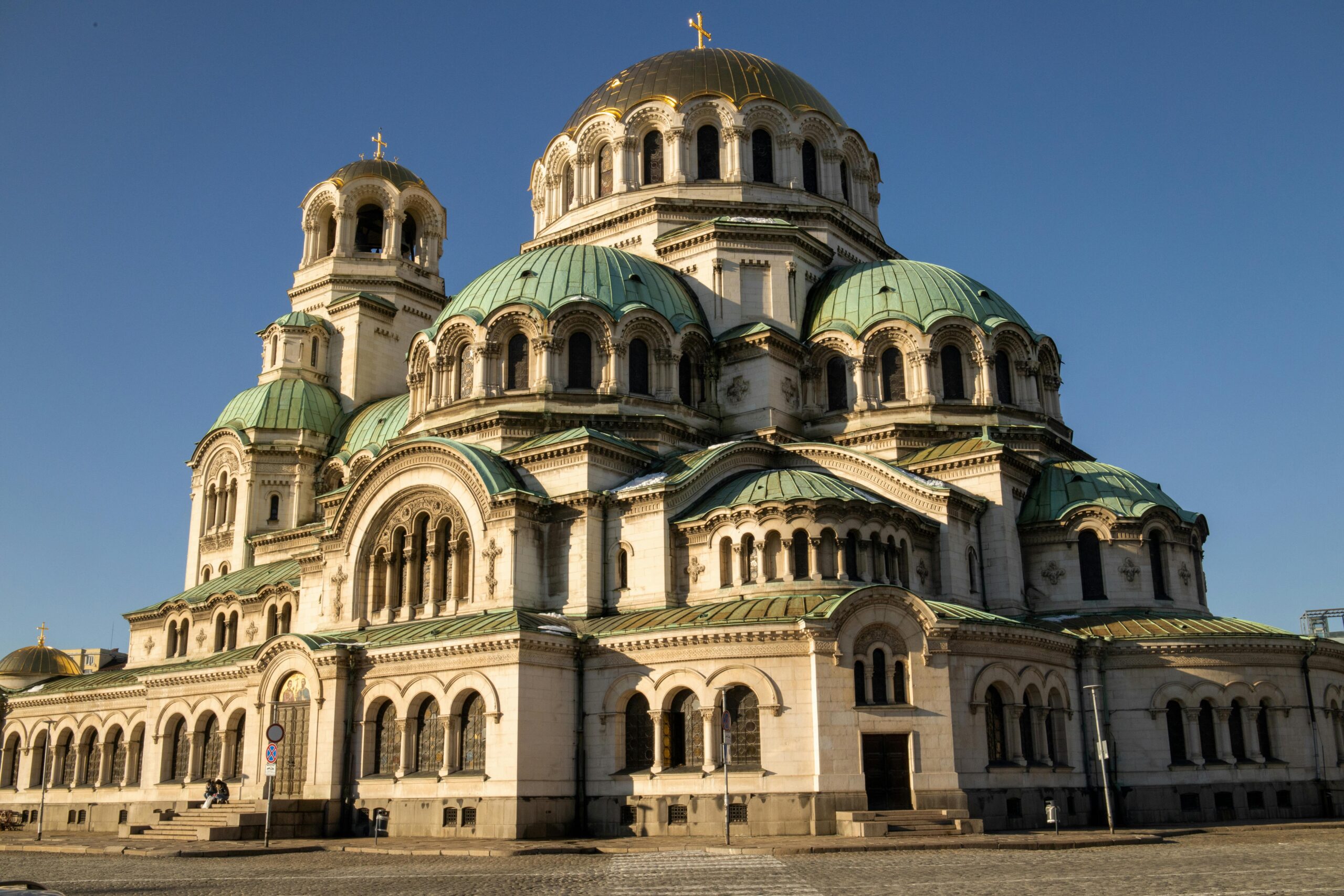
Spring/early summer: Explore outdoor markets, botanical gardens, and outdoor concerts. It’s also an excellent time for guided walking tours of the city’s Roman ruins, Orthodox churches, and museums without long queues. Day trips to Rila Monastery are pleasant as weather is generally stable.
High summer: Enjoy open-air cinema nights, the thriving café culture, and rooftop bars. If you enjoy nightlife, look for seasonal events and late-night options, especially on weekends. This is also prime time for music and cultural festivals.
Autumn: Photograph the city’s tree-lined boulevards, attend wine tastings, and take advantage of harvest-season food festivals. Cultural institutions often open new exhibitions in September and October, making museum-hopping more rewarding.
Winter: Try ice skating in one of the temporary rinks, enjoy thermal spa experiences a short trip from the city, and consider a day on the Vitosha slopes. Holiday markets and seasonal lights make late November into December particularly atmospheric.
FAQs
When is Sofia at its warmest?
Sofia is usually warmest in July and August, with daytime highs commonly reaching the mid-20s to low 30s°C (70s–80s°F). Evenings are often comfortable, though heatwaves can push temperatures higher for short periods.
Is Sofia expensive compared with other European capitals?
Sofia is generally less expensive than many Western European capitals for accommodation, dining, and everyday expenses. Prices rise during the peak tourist season, but on average Sofia travel cost is budget-friendly, especially in shoulder and low seasons.
What time of year has the best weather for hiking Vitosha?
The best time for hiking Vitosha is late spring through early autumn (May–September) when trails are usually free of snow and the weather is most reliable. Early spring and late autumn can be unpredictable and may still have snow at higher elevations.
Are museums and attractions affected by Sofia’s tourist season?
Major museums and historical sites in Sofia remain open year-round, but some smaller private attractions may reduce hours in off-peak months. During high season you’ll find extended hours and more guided tour options, while shoulder seasons offer a quieter experience.
How can I find accommodation and deals around my preferred travel dates?
Booking in advance is advisable for peak months; however, shoulder and low seasons often have better last-minute deals. To compare options and check live availability, you can search hotels and apartments in Sofia and use filters for price, location, and cancellation policy.
Conclusion
Choosing the best time to visit Sofia depends on your priorities: choose late spring or early autumn for the best combination of pleasant Sofia weather, manageable crowds, and good value; pick summer if you want the liveliest atmosphere and outdoor events; and consider winter for a quieter city with snow-sport opportunities nearby. Plan by checking event calendars and accommodation availability, pack season-appropriate clothing, and you’ll find Sofia rewarding at almost any time of year.