Deciding the best time to visit Skopje depends on what you want from the trip: warm sunshine for riverside cafés, festival crowds and open museums, or quieter streets with lower prices. Skopje’s climate and calendar create clear travel windows that suit different priorities, from cultural festivals and outdoor hiking to budget-city breaks and winter celebrations.
This guide breaks down Skopje weather across the year, local tourist seasons, travel costs by month, and practical tips so you can choose the right time to visit North Macedonia’s capital. Whether you’re planning a short city break or combining Skopje with hiking in nearby national parks, these recommendations will help you pick dates that match your interests and budget.
When to visit Skopje: an overview
Skopje has a continental climate with hot summers and cold winters, so the broad travel advice is simple: late spring (May–June) and early autumn (September–October) offer the most comfortable conditions for sightseeing. These shoulder months deliver mild daytime temperatures, fewer heat extremes than July–August, and smaller crowds than peak tourist season.
Peak tourist season falls in July and August, when the city is lively but also hotter and more crowded. Winter brings a quieter city with occasional snow and holiday markets, which appeals to travelers seeking lower prices and a more local feel. Your ideal month will depend on whether you prioritize warm weather, events, or savings.
Skopje weather by season
Spring (March–May): Temperatures climb from cool to pleasantly warm in spring; May often feels like prime sightseeing weather. Rain is moderate but usually short-lived, and the city’s parks and the Vardar riverfront are especially green.
Summer (June–August): Summers are hot, particularly in July and August when highs frequently reach the high 20s to low 30s °C (80s–90s °F). Afternoon heat can make midday museum visits or river strolls more comfortable inside shaded cafés or air-conditioned venues.
Autumn (September–November): Early autumn mirrors late spring—comfortable daytime temperatures and decreasing tourist numbers. By late October and November the weather cools significantly and occasional rain returns.
Winter (December–February): Winters are cold with temperatures often dropping below freezing at night. Snow can fall, making the city atmospheric and quieter, but some outdoor attractions may have limited access. If you don’t mind bundling up, winter brings cheaper accommodations and a more authentic local pace.
Best months for sightseeing, festivals and outdoor activities
May and September are often ideal for most visitors: warm but not sweltering, with longer daylight hours and limited rain. These months suit walking tours of the Old Bazaar, visiting museums, and day trips to Matka Canyon and nearby monasteries.
If festivals are important to your trip, check the local calendar. Skopje hosts cultural events and the occasional international performance in summer; for up-to-date listings and accommodation options in the city center, many travelers compare available hotels and apartments on popular booking platforms before finalizing dates. For practical booking options and to compare neighborhoods, consider checking availability on reputable travel sites to match dates with events and price ranges: Skopje hotel listings and neighborhoods.
Managing the tourist season and avoiding crowds
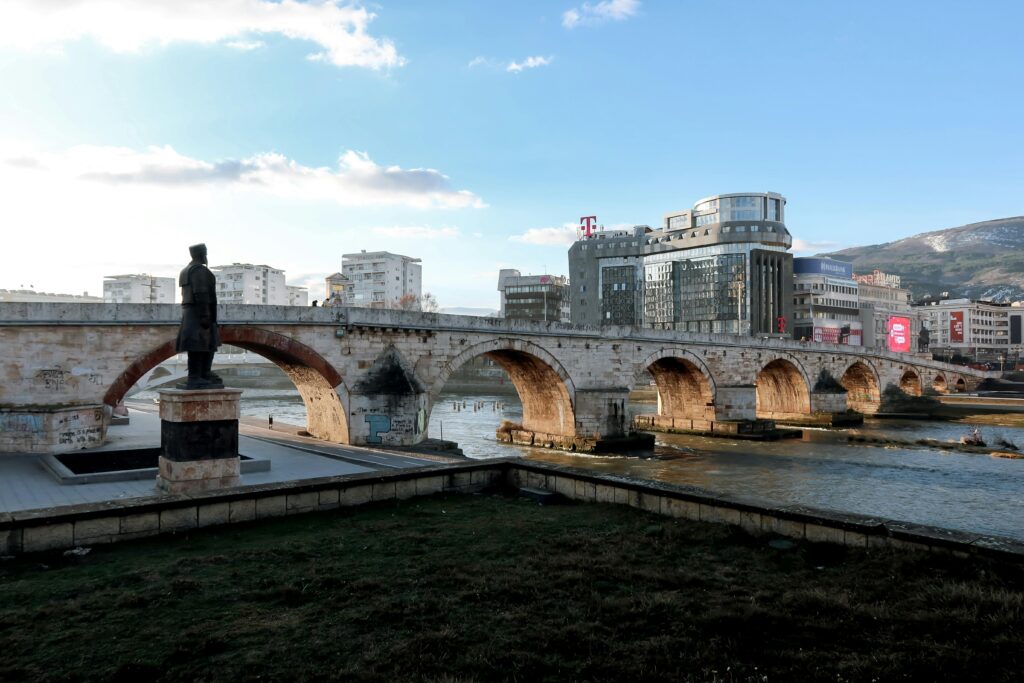
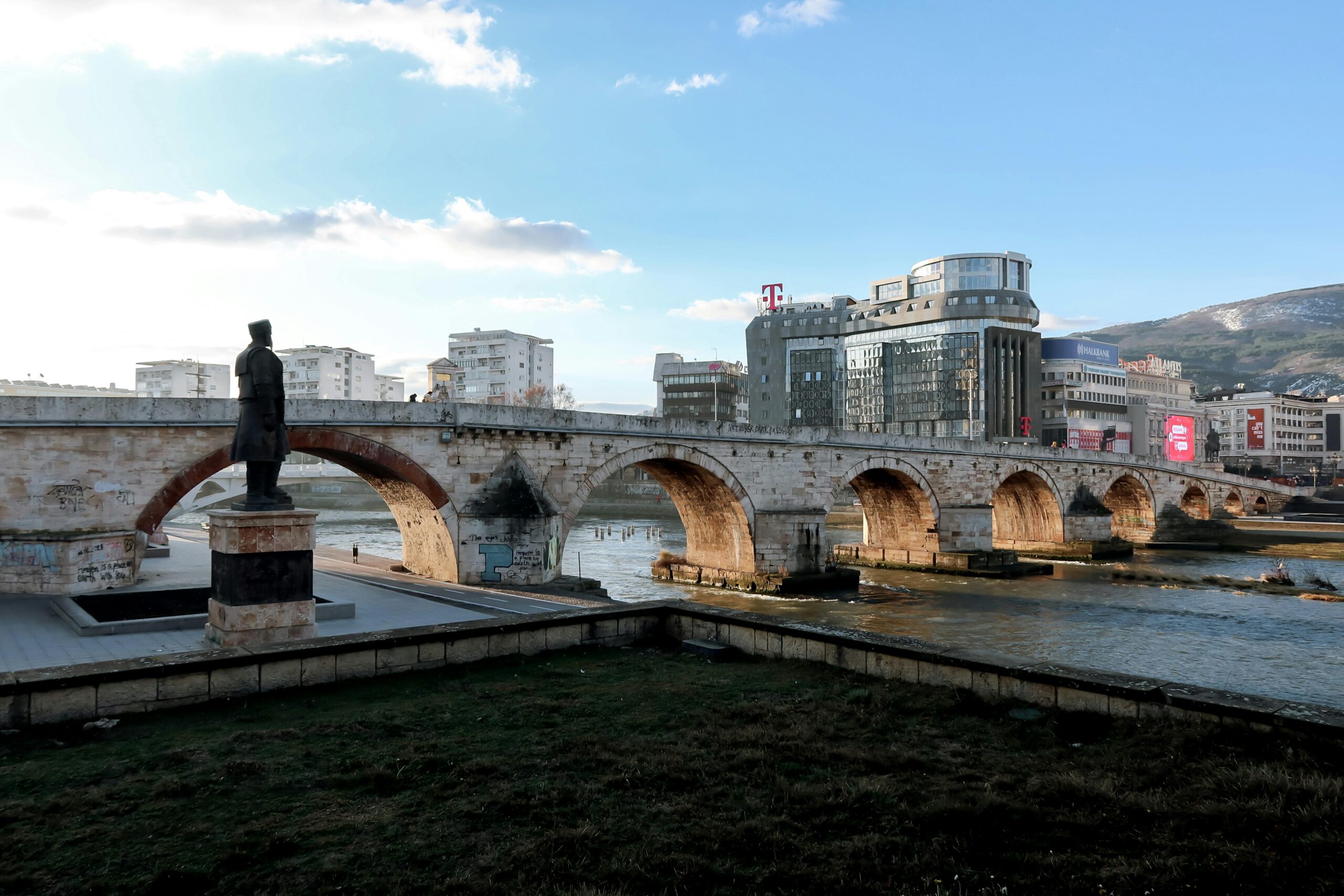
The Skopje tourist season peaks in July and August when domestic and regional travelers visit for summer holidays. Popular sights such as the Stone Bridge, Macedonia Square, and the Old Bazaar can feel busy during midday. To avoid crowds, schedule major attractions early in the morning or late afternoon.
Shoulder seasons (April–June and September–October) are the best compromise: you’ll find thinner crowds, comfortable Skopje weather, and many businesses operating at full capacity. For a quieter experience, consider traveling in November or March when visitor numbers are lower, though expect cooler temperatures and shorter opening hours at some tourist-focused venues.
Skopje travel cost: prices by season and budget tips
Skopje travel cost varies with season. Summer rates for hotels and flights typically rise, especially during festival periods and school holidays. In shoulder months you’ll find more competitive prices for mid-range and boutique hotels, while winter months generally offer the lowest rates across accommodation and some attractions.
Budget tips:
- Book accommodations early for May–June and September, when demand rises but prices remain reasonable compared with high summer.
- Eat where locals do—traditional taverns and bakeries offer hearty meals at lower prices than tourist-heavy riverside restaurants.
- Use public transportation or walk: Skopje’s city center is compact and easy to navigate on foot, keeping local transport costs down.
- If your itinerary is flexible, compare weekdays versus weekend rates for both hotels and Airbnb-style stays to find savings.
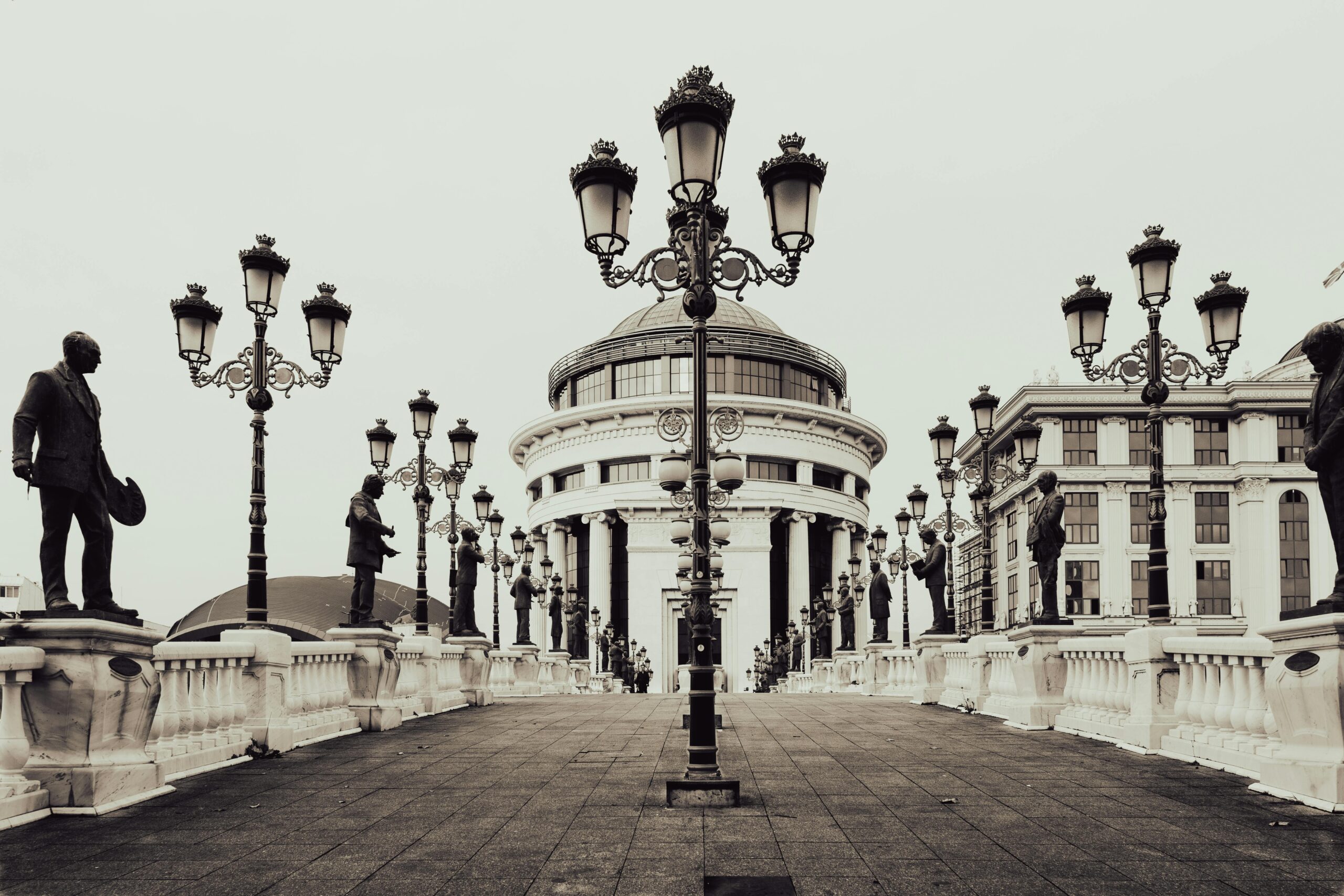
For travelers comparing properties and rates across neighborhoods—from the Old Bazaar to the newer Skopje 2014 landmarks—checking current availability helps lock in the best deals and avoid last-minute price spikes. One reliable source for browsing options and reading guest reviews is a major booking site that lists a range of hotels and accommodations in the city: browse Skopje stays and reviews.
Getting around Skopje and what to pack
Skopje is compact and walkable, especially around the Old Bazaar and central squares. Taxis are affordable for longer trips or late-night returns. The city also has a network of buses covering most neighborhoods; check current routes and tickets locally since schedules can change seasonally.
Packing checklist by season:
- Spring/Autumn: layered clothing, a light waterproof jacket, comfortable walking shoes.
- Summer: breathable clothing, sun hat, sunscreen, and a reusable water bottle for hot days.
- Winter: warm coat, gloves, and a hat; waterproof boots if snow is likely.
- All seasons: a daypack, universal adapter, photocopies of documents, and a small first-aid kit.
FAQs
What is the absolute best month to visit Skopje for sightseeing?
May and September are generally the best months for sightseeing—pleasant temperatures, fewer crowds than peak summer, and most attractions and tours operating normally.
How hot does Skopje get in July and August?
July and August are the hottest months, with daytime highs often in the high 20s to low 30s °C (80s–90s °F). Afternoon heat can be strong, so plan outdoor activities for morning or evening.
Is Skopje expensive compared with other European capitals?
Skopje is relatively affordable compared with Western European capitals. Accommodation, dining, and local transport tend to cost less, though prices rise in the peak tourist months. Travel costs can be managed by visiting during shoulder seasons.
Can I combine Skopje with nearby national parks in one trip?
Yes. Skopje is a convenient base for day trips to Matka Canyon, Mavrovo National Park, and historic monasteries. Spring and autumn are ideal for these excursions when temperatures are comfortable for hiking and sightseeing.
What should I know about weather-related closures or limited services?
In winter, occasional snow and colder temperatures can lead to reduced hours at outdoor sites or seasonal closures of some tourist services. In summer, some smaller shops may close for afternoon rest during the hottest hours. Always check opening times ahead of travel.
Conclusion
Choosing the best time to visit Skopje comes down to your priorities: May and September offer the best balance of pleasant Skopje weather, manageable crowds, and reasonable prices; July and August are lively and warm but busier and more expensive; winter is quiet and budget-friendly but colder. Consider festivals, accommodation availability, and day-trip plans when selecting dates. With a little planning—checking event calendars and booking accommodations in advance—you’ll enjoy the city’s museums, bazaar, riverside promenades, and nearby natural attractions at the time that suits you best.