Deciding the best time to visit Ghent depends on what you want from this lively Belgian city: picturesque canals, centuries-old architecture, or vibrant festivals. Ghent rewards visitors year-round, but subtle differences in weather, crowds and costs can make certain months stand out.
In this guide I’ll walk through Ghent weather patterns, how the Ghent tourist season affects crowds, practical packing and travel-cost considerations, and which months suit different travel styles. Use the suggestions below to plan a trip that matches your priorities.
When to visit: quick summary
If you want warm weather and long daylight, late spring through early autumn (May to September) is the most pleasant time; July and August are the warmest but also busiest. For fewer tourists and lower prices, consider late autumn (October–November) or early spring (March–April). Winter can be atmospheric — especially around the holidays — but expect shorter days and cooler temperatures.
Think about whether you prefer mild crowds for museum visits and canal-side cafés or full festival energy in peak season. The rest of this article breaks down each season and offers tips for budget-conscious travelers and festival-goers alike.
Ghent weather by season
Understanding Ghent weather helps pick the best month for your trip. Ghent has a temperate maritime climate: summers are generally warm but rarely hot, while winters are cool and damp. Rain is spread across the year, so always carry a light waterproof layer.
Spring (March–May): Temperatures rise from around 7–15°C (45–59°F). Early spring can be chilly, but by May the city blooms and outdoor seating returns. Spring is a comfortable compromise between weather and crowd levels.
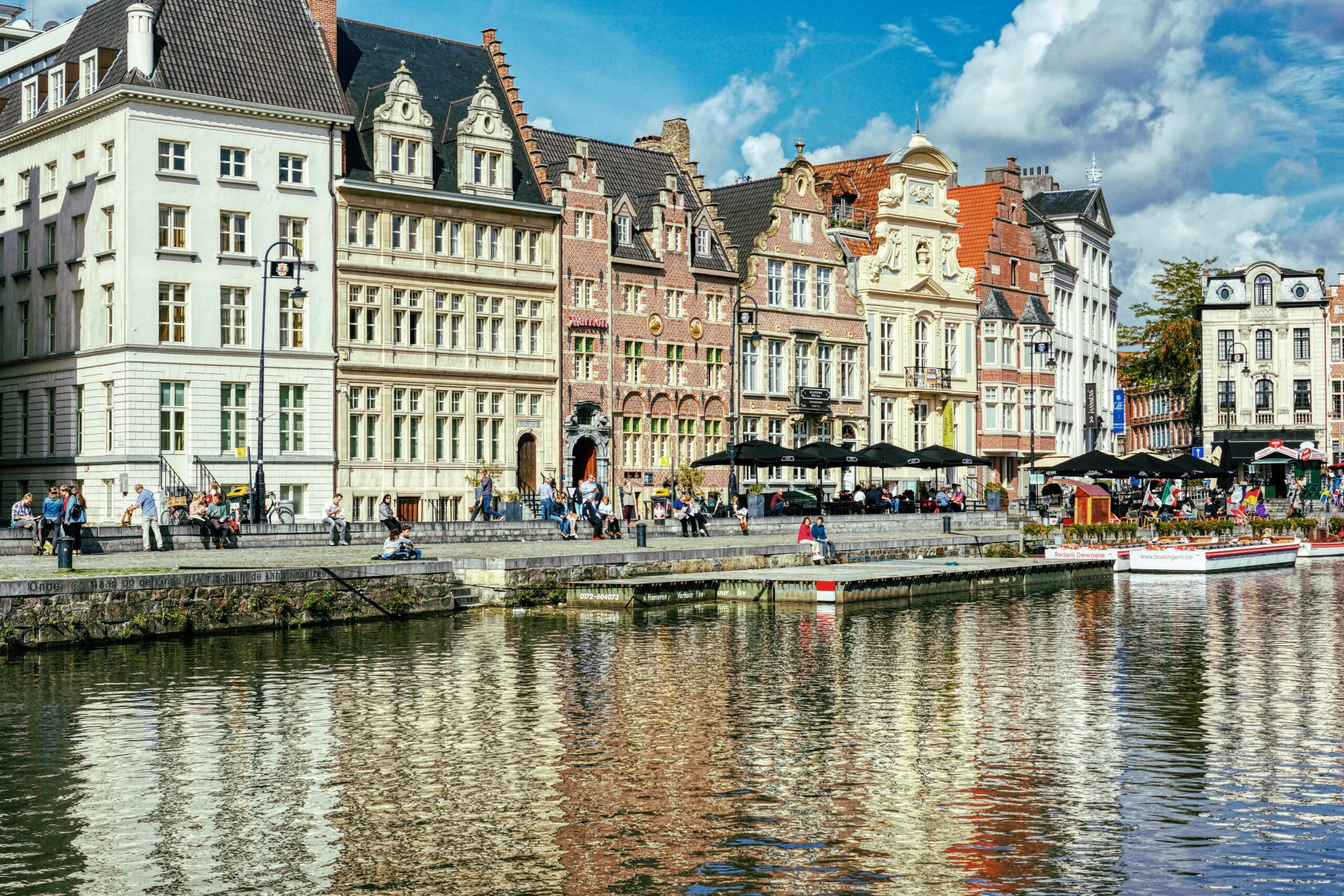
Summer (June–August): Expect daytime highs in the low to mid-20s°C (70s°F). July and August are the sunniest months with the most outdoor events, but they also bring the largest crowds and higher accommodation prices.
Autumn (September–November): September often feels like an extension of summer, while October and November bring cooler temperatures (8–15°C / 46–59°F) and colorful foliage. Tourist numbers fall after September, making this a great shoulder-season option.
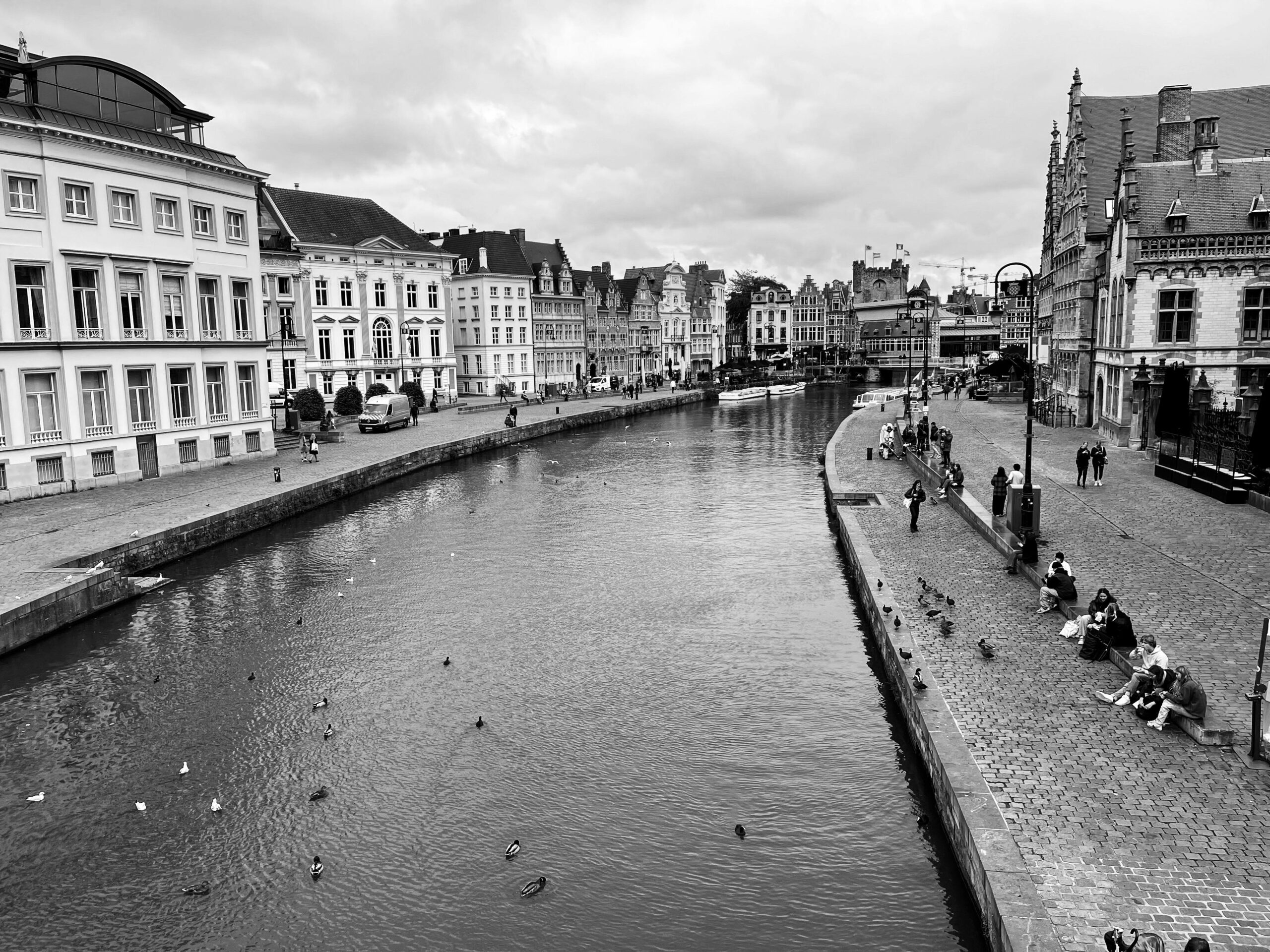
Winter (December–February): Winters are chilly and gray, with daytime temperatures often between 2–7°C (35–45°F). Snow is possible but infrequent. The city has cozy cafés and a festive atmosphere in December, but museum lines and outdoor activities are lighter.
High season and Ghent tourist season
The main Ghent tourist season runs from late spring through summer, peaking in July and August. During these months, expect busier streets, longer lines at popular attractions like Gravensteen Castle and St. Bavo’s Cathedral, and more international visitors. Prices for hotels and short-term rentals typically rise in peak weeks, especially during major festivals.
Shoulder seasons — April to early June and September to October — offer milder crowds and still-pleasant weather. If you prefer a lively city without the full summer rush, these months hit a good balance between activity and comfort. Low season (November to February, excluding holidays) sees the fewest tourists and often brings lower rates and more space to explore.
Events and festivals that influence timing
Festivals and events can be great reasons to time a visit. Highlights include the Gentse Feesten, a ten-day city-wide celebration of music, street performance and food in July that draws big crowds. If you want to experience local culture and lively street scenes, schedule your trip around that week, but book accommodation early.
Other seasonal events include Christmas markets and lights in December, spring cultural festivals, and weekend markets throughout the year. Smaller neighborhood happenings can offer authentic experiences and are common in shoulder seasons when locals are more visible on the streets.
Budget planning: Ghent travel cost
Ghent travel cost varies by season, accommodation type and booking lead time. In peak months expect higher hotel rates and fewer last-minute bargains. During shoulder and low seasons, you’ll find more competitive prices and special offers.
To compare accommodation quickly, you can search hotels and guesthouses in Ghent before finalizing dates; this helps pinpoint how much your travel window will affect lodging costs. Booking early for July festivals is strongly recommended to avoid pay-more penalties.
Daily expenses for food, museums and local transport are reasonable compared with larger European capitals. Budget travelers can save by choosing simple guesthouses, eating at markets and using bicycles — Ghent is very bike-friendly. Mid-range travelers should factor in occasional canal cruises, entry fees to historic houses, and a few sit-down meals.
Suggested months for different traveler types
Consider these month-by-month suggestions based on the type of trip you want:
- Best for first-timers who want warm weather and full activity: May–September.
- Best for festival lovers and nightlife: July (Gentse Feesten).
- Best for smaller crowds and lower cost with pleasant weather: April, May, September.
- Best for winter ambiance, holiday markets and cozy cafés: December.
- Best for budget travelers and quiet streets: November–February (avoid peak holiday dates).
Choosing shoulder months often gives you a mix of good weather, fewer lines and lower Ghent travel cost than peak summer weeks.
Practical tips: getting around and what to pack
Ghent is compact and walkable, with an excellent tram and bus network and a strong cycling culture. Purchase single-ride tickets or a day pass for public transport if you plan to use trams often. Walking through the medieval center is often faster than driving, especially during busy periods.
Packing depends on season: bring a light waterproof jacket year-round, comfortable walking shoes, and layers for variable spring and autumn days. In summer, a light sweater for evenings is useful. If visiting in winter, include a warm coat and layers for shorter daylight hours. For festival weeks, arrive with a small daypack and portable charger to stay comfortable while navigating events.
For accommodation, consider neighborhoods near Korenmarkt, Patershol or the Graslei for easy access to main sights. If you prefer local neighborhoods, the Oude Dokken and Sint-Pieters often offer quieter, more residential stays. To find available rooms across these areas, browse options and reviews on trusted booking platforms before committing to dates.
Sample itineraries based on trip length
Short visit (1–2 days): Focus on the historic center — Gravensteen Castle, St. Bavo’s Cathedral, the Graslei and Korenlei. Walk along the canals and sample local specialties at a townhouse café.
Medium visit (3–4 days): Add a canal cruise, the Museum of Fine Arts or Design Museum, a bike ride along the waterways, and an evening in the Patershol neighborhood for dinner. Use a half-day to explore contemporary architecture near the Citadelpark.
Longer stay (5+ days): Day trips to nearby Bruges or Antwerp are straightforward by train. Spend additional time discovering bairro neighborhoods, small galleries, and marchés where locals shop. Longer stays allow deeper immersion into Ghent’s food scene and slower mornings at canal cafés.
FAQs
When is the best time to visit Ghent for warm weather?
Late May through August offers the warmest, sunniest days. July and August are the warmest months, but they’re also the busiest; for warm weather with slightly fewer crowds, target late May to June or September.
How does Ghent weather affect walking and outdoor activities?
Rain can occur any month, but it’s usually light and brief. Warm months are ideal for walking and canal cruises. For shoulder seasons pack waterproof layers and plan indoor alternatives like museums or historic houses in case of showers.
What is the Ghent tourist season and when is it least crowded?
The main tourist season runs from late spring to early autumn, peaking in July and August. The least crowded months are November through February, outside of holiday periods, when attractions are quieter and accommodation is often cheaper.
How can I manage Ghent travel cost without missing key experiences?
Travel in shoulder months for better rates, use public transport or bikes, choose market meals and cafés, and book accommodation in advance. If your dates are flexible, compare weekday versus weekend pricing and consider neighborhoods slightly outside the historic center for savings.
Are there times to avoid visiting Ghent?
Avoiding the first week of July during the Gentse Feesten may be wise if you dislike dense crowds and loud nighttime activity. Otherwise, the city is welcoming year-round; just be prepared for cooler, wetter weather in winter months.
Conclusion
Choosing the best time to visit Ghent depends on your priorities: summer brings warm weather and festivals, shoulder seasons offer pleasant conditions with fewer crowds, and winter provides a quieter, cozier city experience. Consider Ghent weather patterns, festival calendars and your budget when planning, and book key elements like accommodation early for popular weeks. With thoughtful timing you can enjoy Ghent’s historic charm and lively culture while matching the trip to your ideal pace and price range.