Deciding on the best time to visit Faro means balancing weather, crowds, and cost to match the kind of trip you want. Faro’s compact old town, the Ria Formosa natural park and the long Algarve coastline are appealing year-round, but spring and autumn typically offer the most comfortable mix of mild Faro weather and fewer tourists.
In this guide I cover month-by-month conditions, how the Faro tourist season affects prices and services, tips to manage Faro travel cost, and practical recommendations for what to pack and plan for each season. Use this to pick dates that suit your priorities—sunbathing, birdwatching, quiet streets, or festival time.
When is the best time to visit Faro?
If you want warm weather without the summer crowds, the best time to visit Faro is late April through early June and September through October. These shoulder months deliver pleasant daytime temperatures (around 20–27°C / 68–80°F), long daylight hours, and lower accommodation rates than July and August.
July and August are peak months with hot temperatures often above 30°C (86°F), busy beaches and higher prices. Winters are mild compared with northern Europe—December to February sees temperatures typically between 10–16°C (50–61°F), occasional rain, and many local businesses operating on reduced hours.
Faro weather by month: what to expect
Understanding Faro weather month-by-month helps you choose dates for beach time, hiking, or exploring the city. Below is a quick guide to the typical conditions and what they mean for travelers.
- January–February: Mild days, cooler nights, and the highest chance of rain—good for quiet sightseeing and lower prices.
- March–April: Spring arrives with blooming countryside, fewer crowds, and comfortably warm days—ideal for cycling and nature walks.
- May–June: Warmer sea temperatures and longer days; beaches begin to fill but it’s still easy to find space.
- July–August: Peak summer heat and crowds—perfect if you want guaranteed sun and lively nightlife, but expect higher Faro travel cost for flights and hotels.
- September–October: Warm sea, cooler evenings, and lower crowds—often the best compromise for swimming and exploring.
- November–December: Cooler, wetter, and quieter—suitable for city trips, off-season hotel deals, and birdwatching in Ria Formosa.
Faro tourist season: crowds, events and practical impacts
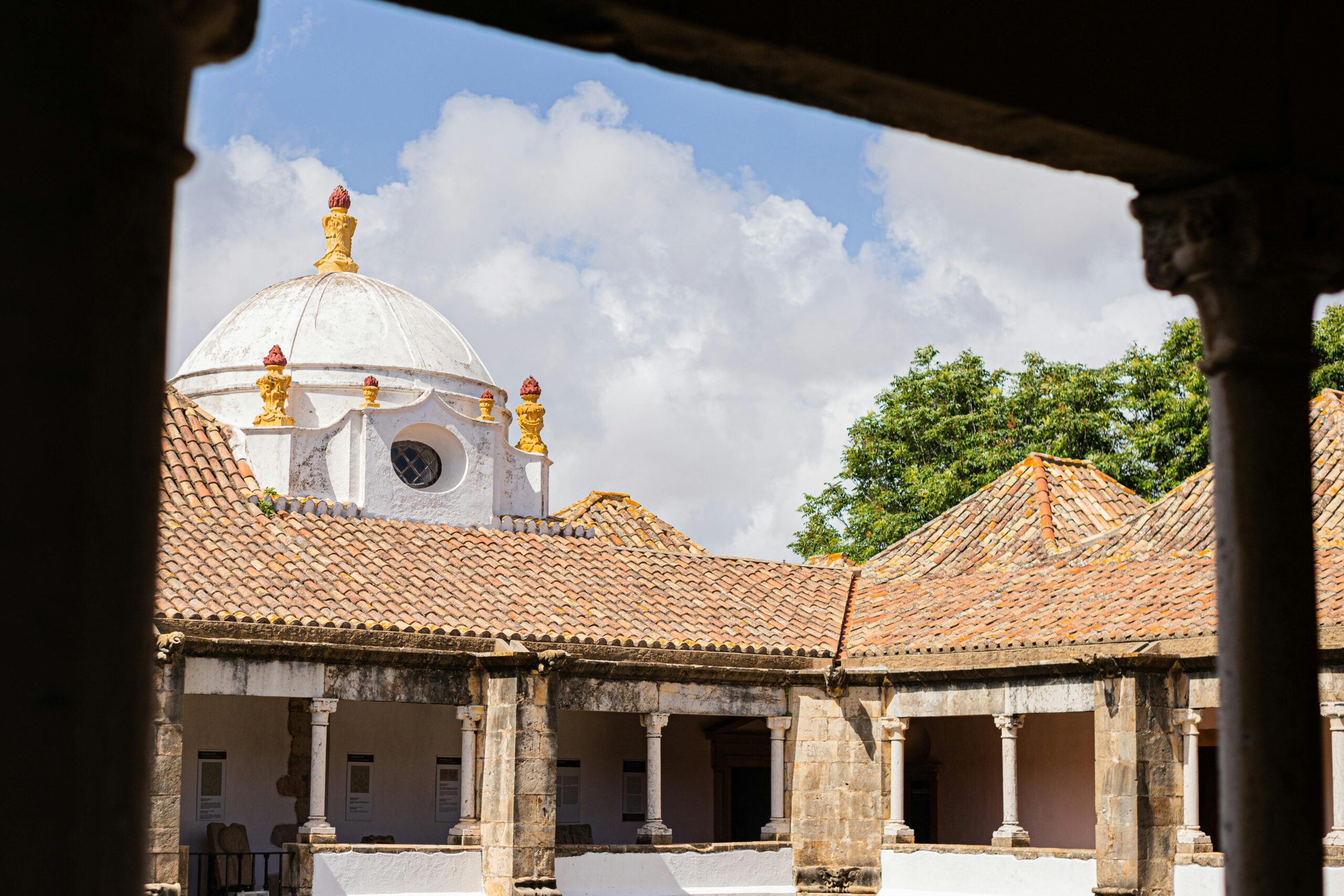
The Faro tourist season peaks in July and August when families and sun-seekers fill beaches and boat tours. Easter and school holidays can also produce short, busy spikes. Shoulder seasons—spring and autumn—offer quieter streets, more availability at top restaurants, and a calmer vibe in the marina and old town.
Events in Faro can shape the experience: local festivals, concerts and religious celebrations bring energy and color but also affect hotel availability. If you plan to attend a specific festival or travel over European public holidays, book accommodations early. For general hotel and apartment searches in Faro, a comprehensive booking site can show current availability and prices based on your dates, which helps compare peak versus shoulder season rates; consider checking Faro hotels and apartments.
Faro travel cost: budgeting by season
Faro travel cost varies widely by season. Expect the highest accommodation and flight prices in July and August. Shoulder months typically provide the best value, with significant savings on hotels and short-term rentals. Off-season (November–February) brings the lowest rates but keep in mind some coastal businesses may have reduced hours.
- Flights: Book 2–3 months ahead for spring/autumn trips and 4–6 months for peak-summer travel to secure reasonable fares.
- Accommodation: Compare options—guesthouses and small hotels often offer better deals in shoulder months; vacation rentals may require weekly minimums during summer.
- Daily expenses: Local markets, casual eateries and tram/bus rides keep daily spending manageable; island boat trips and guided nature tours are the main variable costs.
For planning where to stay and current lodging rates during your intended dates, look up available properties on a trusted booking platform to compare prices and cancellation terms; this makes it easier to weigh the cost differences between high and low seasons when finalizing travel dates, especially for flexible itineraries. See options at places to stay in Faro.
What to do in Faro by season — beaches, nature and culture
Activities in Faro are shaped by the weather and season. Here’s how to match your interests with the time of year:
- Spring (March–May): Birdwatching and walks in Ria Formosa, cycling around quiet roads, and exploring the old town before the heat arrives.
- Summer (June–August): Beach days on Ilha Deserta or Ilha do Faro, boat trips, swimming and late-night dining; expect lively terraces and full schedules for boat tours.
- Autumn (September–October): Swimming is still great, vineyards and markets are active, and coastal hikes remain pleasant without midday heat.
- Winter (November–February): Cultural visits to museums, relaxed cafe life, and fewer queues at popular attractions; ideal if you prefer quiet city exploration.
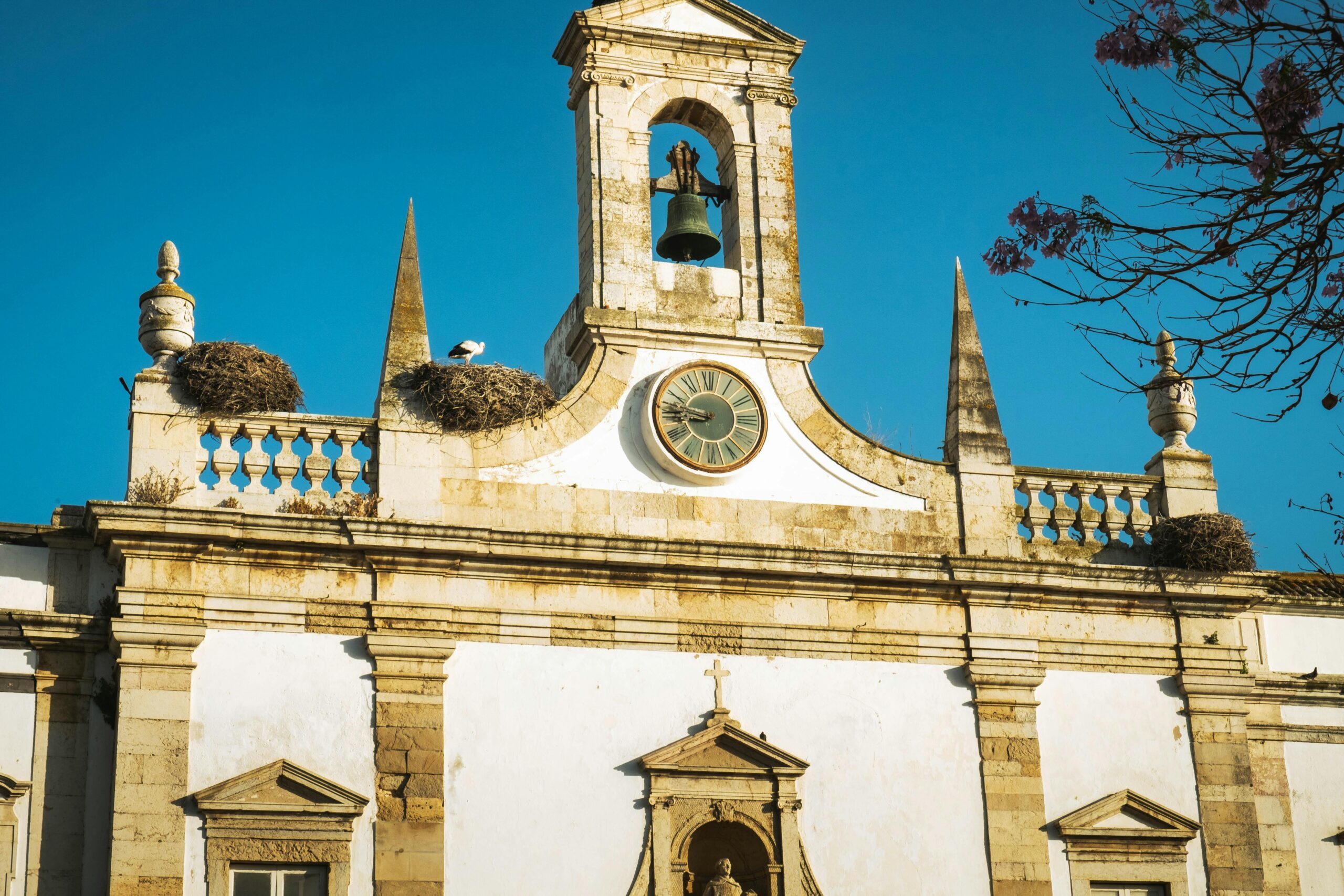
Regardless of season, reserve time for a Ria Formosa lagoon boat trip and a stroll through the Arco da Vila and Faro’s old center. Day trips to Tavira, Olhão and the western Algarve beaches are all easy from Faro and worth planning into a 3–4 day itinerary.
Packing and planning tips for the best experience
Packing for Faro depends on the season: lightweight layers and sunscreen for shoulder months; a light jacket for cooler evenings year-round; and a waterproof shell for winter visits. Comfortable walking shoes are useful for cobbled streets and natural trails.
- Bring a swimsuit and quick-dry towel in spring and autumn for surprise warm days and open-water swimming.
- Book key excursions (Ria Formosa boat tours, island ferry seats) in advance during summer.
- Check local opening hours in winter—some smaller beachfront cafes and seasonal businesses close for several weeks off season.
Transportation: Faro is compact and walkable, with local buses and taxis for longer trips. Renting a car expands access to quieter beaches and inland villages, but parking is more limited and pricier in summer.
FAQs
When is water warm enough to swim in Faro?
Sea temperatures generally become comfortable for swimming from late May through October, with July–September offering the warmest water. If you’re sensitive to cooler water, plan a late-spring or early-autumn trip when the sea has warmed after the summer months or retained heat into September.
Is Faro busy year-round?
Faro is busiest in July and August and during major holidays. Shoulder seasons are noticeably quieter while winter has low tourist traffic, which is ideal for visitors seeking a peaceful experience and lower prices.
How much should I budget per day in Faro?
Budget travelers can manage on modest daily costs with local eateries and public transport, while mid-range travelers should allow more for dining, guided tours and occasional taxis. Expect a higher daily spend during summer due to increased accommodation and activity prices.
Are outdoor activities affected by Faro weather?
Most outdoor activities—beach visits, boat trips, cycling and birdwatching—are seasonal but available year-round. Rainy days in winter may limit some excursions, so have flexible indoor alternatives like museums or cafes.
Can I find good accommodation deals outside the tourist season?
Yes. Autumn shoulder months and winter usually offer the best accommodation deals, and hotels often provide promotions. If you want the best balance of weather and price, late spring and September are particularly cost-effective.
Conclusion
Choosing the best time to visit Faro comes down to priorities: for warm sea and lively atmosphere choose July–August; for pleasant Faro weather with fewer crowds pick late April–June or September–October; for the lowest Faro travel cost and calm streets visit in winter. Plan around the activities you want—beach days, nature walks or cultural sightseeing—and book lodging and key excursions in advance for peak months. With thoughtful timing, Faro rewards visitors with beautiful coastline, accessible nature and a welcoming city center almost any time of year.