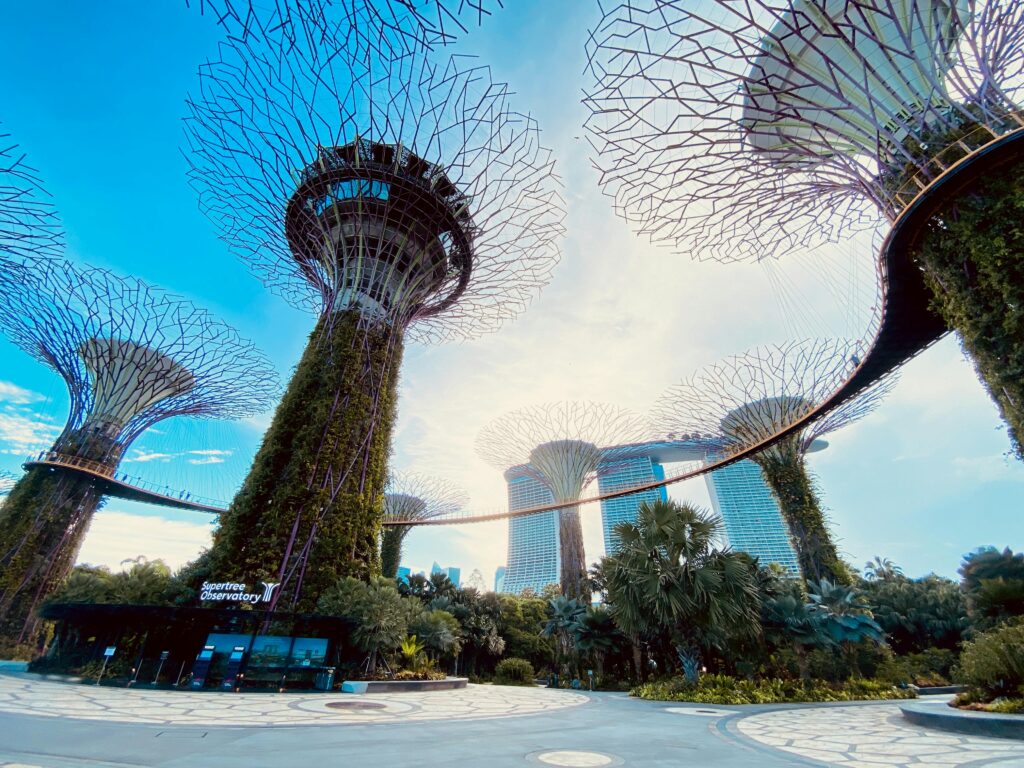

Deciding the best time to visit Singapore depends on what you want from your trip: clear skies for skyline photos, lower hotel rates, festival experiences, or the least rain. Singapore’s tropical climate means warm temperatures year-round, but humidity, rainfall patterns and crowd levels shift by month. This guide uses official climate statistics and tourism information to explain Singapore weather by month and how travel seasons affect crowds, costs and activities so you can pick the ideal time for your trip.
Below you’ll find a month-by-month breakdown, practical travel-season advice, packing and budgeting tips, a comparison table for quick reference, and answers to common questions. The information reflects data compiled by the national weather authority and tourism board to give you reliable expectations before you book.
At a glance: climate, seasons and what “best” means
Singapore sits near the equator, so temperatures stay remarkably consistent: average daytime highs typically range from about 29°C to 31°C (84°F–88°F) with nighttime lows around 24°C–26°C (75°F–79°F). What changes most is rainfall and humidity rather than temperature.
There are no four distinct seasons like in temperate regions. Instead, Singapore’s year is influenced by two monsoon periods: the Northeast Monsoon (late December to early March) and the Southwest Monsoon (June to September), plus inter-monsoon periods (April–May and October–November) that can bring short, intense thunderstorms.
When people ask for the “best time to visit Singapore,” they usually mean a balance of lower rainfall, comfortable humidity, manageable crowds and good timing for events or lower prices. For many travelers, February to April offers a pleasant mix of drier days and lively cultural calendars, while budget-minded visitors may prefer quieter shoulder months with lower rates.
Singapore weather by month — month-by-month breakdown
Below is a month-by-month outline focused on typical temperature ranges, rainfall patterns and what visitors can expect for outdoor activities and events. These notes are based on long-term climate records published by the national weather authority.
January: Temperatures remain warm (around 25–31°C). January marks the middle of the Northeast Monsoon, so expect more frequent showers and occasional heavy rainfall, particularly in the second half of the month. Cloud cover and humidity are high; indoor attractions and covered walkways make sightseeing comfortable despite the rain.
February: Rainfall usually lessens compared with January, making February one of the drier months in many years. Temperatures stay steady. This month is popular because showers are often shorter and lighter, and skies can be clearer for morning and early-afternoon outdoor plans. Lunar New Year typically falls between late January and February, bringing vibrant festivities and higher demand for hotels and restaurants.
March: Early March can still be influenced by the Northeast Monsoon, but rainfall generally decreases. Humidity remains high but you’ll start seeing more sunny windows for outdoor exploration. Botanical gardens, rooftop bars and Marina Bay walks are enjoyable when the showers are light.
April: April falls in the inter-monsoon period; thunderstorms become more common but are typically brief and intense. Expect hot, humid conditions with sudden downpours in the late afternoon. April is an attractive month for travelers who can plan outdoor mornings and indoor afternoons around likely thunderstorms.
May: May often brings warmer temperatures and afternoon thunderstorms. It marks a gradual shift toward the Southwest Monsoon period. Crowd levels might ease after the peak Chinese New Year season, and rates can be more favorable for mid-range and budget travelers.
June: The Southwest Monsoon begins to influence local weather, bringing more variable patterns. June can deliver long stretches of humidity and intermittent showers, but extended dry spells are also possible. Summer school holidays in some countries can increase family travel, so expect busier attractions and higher hotel occupancy.
July: July is typically warm with frequent midday showers. Humidity remains high and sea conditions can be choppy on some days. Tourist numbers often remain elevated due to mid-year vacations in many source markets.
August: August still sits inside the Southwest Monsoon window; short heavy showers and thunderstorms are common in the late afternoon and evening. The city’s indoor attractions, shopping centers and covered outdoor areas are ideal for coping with sudden rain.
September: Rainfall begins to taper as the Southwest Monsoon recedes. Temperatures remain warm and humidity stays significant. September can be a favorable month for travelers seeking slightly lower prices before the last quarter’s event calendar intensifies.
October: October is known for increased convection and showers during the inter-monsoon period. The frequency of short, heavy storms often rises, but mornings can be pleasant. Major festivals like Deepavali (Diwali) sometimes occur during October or November, influencing crowds and local celebrations.
November: The Northeast Monsoon typically reasserts itself in late November, bringing cooler breezes and heavier, more frequent rainfall as the month progresses. Early November may still offer reasonable weather for outdoor plans.
December: Rainfall typically increases with the Northeast Monsoon. December also sees a rise in visitor numbers around the holiday season toward the end of the month. If you travel in December, book activities and accommodation early to avoid premium pricing and full bookings.
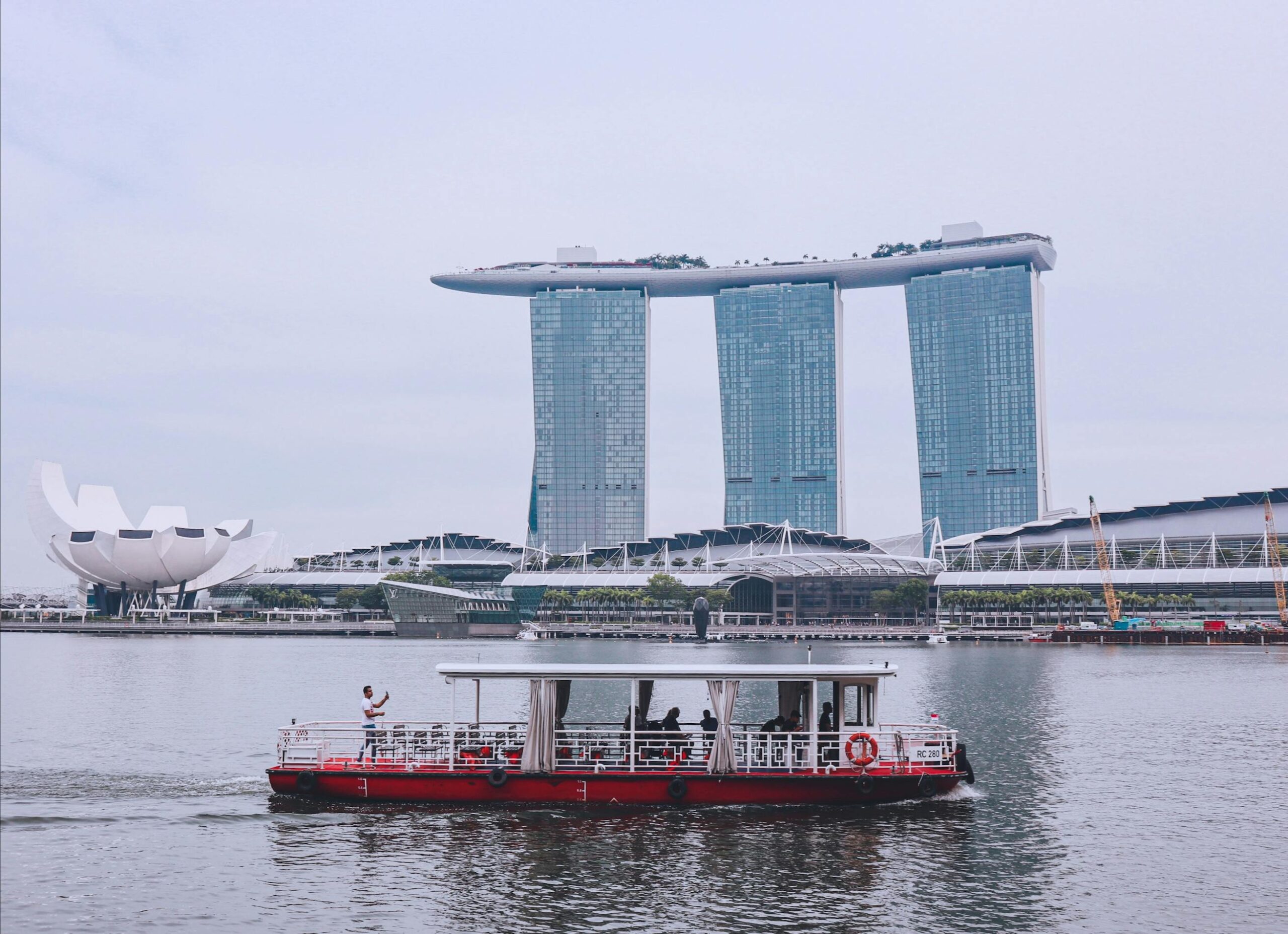
Understanding travel seasons and crowd patterns
Singapore’s tourism calendar is shaped more by global school holidays, regional travel trends and local festivals than by seasonal weather extremes. High season usually centers on major holidays: late December (Christmas and New Year), late January–February (Chinese New Year), and mid-year periods aligned with school breaks in source markets.
Shoulder seasons—times that balance reasonable weather with lower crowds—are often February–April and September–November, though weather in April and October can be unpredictable due to inter-monsoon thunderstorms. For the quietest experience, consider May or parts of September when visitor numbers dip slightly and hotel prices can be more competitive.
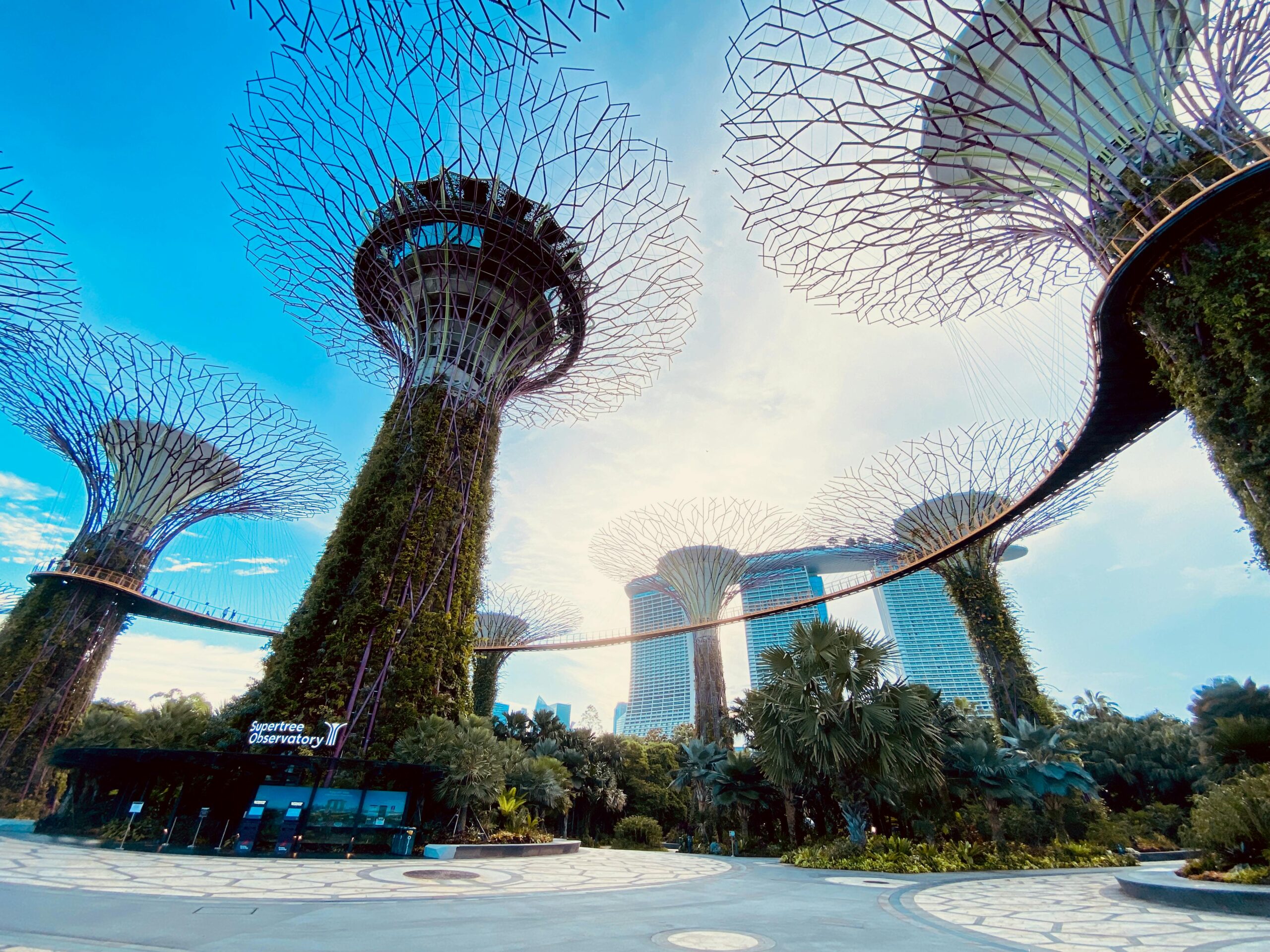
Best times by travel interest: festivals, families, budget and outdoor activities
If your priorities include festivals and cultural events, time your visit around major celebrations. Chinese New Year (late January–February) and Hari Raya Aidilfitri dates vary by year but are culturally significant and lively. The Singapore Grand Prix is typically held in September or October and brings a surge in hotel demand and themed events around the city.
Family travelers often prefer school-holiday windows, which means peak crowds and higher prices during mid-year and year-end breaks. If traveling with children, book attractions with timed entries and select family-friendly hotels in central neighborhoods to minimize transit time between sights.
Budget travelers should consider the shoulder months—May and September—when fewer tourists mean more deals. Booking accommodation in advance is still recommended for special event dates, but flexible travelers can score last-minute offers during less busy periods. For browsing hotel inventory and neighborhood options, see this list of hotels and neighborhoods for Singapore on Booking.com to compare choices before you decide hotels and neighborhoods.
How to plan sightseeing around Singapore’s weather patterns
Because rain commonly falls as short, intense showers, schedule outdoor activities for early mornings when skies are typically clearer, and reserve indoor visits—museums, hawker centers, shopping malls, and indoor conservatories—for the afternoon or during forecasted storm windows.
Top outdoor options like Gardens by the Bay, the Singapore Botanic Gardens and Sentosa’s beaches are still feasible year-round, but a lightweight waterproof jacket or travel umbrella will make a big difference. For skyline photos and rooftop dining, aim for drier months (February–April) or check daily forecasts and plan reservations accordingly.
What to pack and how to dress for comfort
Packing for Singapore is straightforward but requires thought for high humidity and sudden rain. Essentials include breathable, quick-dry clothing, a compact travel umbrella, comfortable walking shoes with good grip, a lightweight rain jacket, and sun protection such as a hat and high-SPF sunscreen.
Electronics should be stored in water-resistant pouches when exploring during rainy months, and a small foldable tote or bag works well for carrying purchases from the city’s extensive shopping districts. For evenings in nicer restaurants or rooftop bars, a casual smart outfit will suit most dress codes.
Comparison table — quick guide to months, weather and travel season
| Month | Typical Weather | Crowds/Cost | Best For |
|---|---|---|---|
| January | Warm, frequent showers (Northeast Monsoon) | Moderate to high (holiday travel) | Indoor sightseeing, festivals |
| February | Generally drier than Jan | High (Chinese New Year events) | Festivities, clearer mornings |
| March | Less rain, warm | Moderate | Parks, gardens, city walks |
| April | Inter-monsoon: hot with storms | Moderate | Short-stay outdoor mornings |
| May | Warmer, frequent thunderstorms | Lower (shoulder) | Budget travel |
| June–Aug | Southwest Monsoon influences; showers | Moderate to high (school holidays) | Family trips, indoor/outdoor mix |
| September | Less rain, humidity persists | Lower to moderate | Value travel, events |
| October | Inter-monsoon: variable weather | Moderate | Festivals, city events |
| November–December | Increasing rain (Northeast Monsoon) | Moderate to high (holidays) | Holiday season celebrations |
Money-saving strategies and booking tips
Book flights and hotels early for peak festival months and the Formula 1 race weekend. For other periods, flexible travelers can monitor flash sales and last-minute deals. If you want reliable mid-range options in central districts like Marina Bay, Orchard or Clarke Quay, compare listings and rates before locking in dates; for a comprehensive search of property types and neighborhoods, you can review accommodation options via this travel marketplace compare accommodation options in Singapore.
Consider accommodations with easy access to MRT stations to save time and transport costs. Eating locally at hawker centers reduces daily expenses while offering authentic food experiences. Many attractions offer combined tickets or timed entries—take advantage of online booking bundles to avoid lines and sometimes score discounted rates.
Special considerations: air quality, humidity and long-term forecasts
On rare occasions, regional haze from nearby land management practices can reduce air quality in Singapore. Haze events are seasonal and unpredictable; official air quality advisories from the environmental authority will indicate any health precautions. If you have respiratory conditions, check local advisories before travel and plan indoor alternatives on hazy days.
Long-term forecasts are useful for trip planning, but because Singapore’s daily weather can change quickly, use short-range forecasts (48–72 hours) for fine-tuning daily activities. Most accommodations provide weather updates and concierge advice about best times for outdoor visits during your stay.
FAQs
What is the overall best time to visit Singapore for good weather?
For generally drier conditions and manageable humidity, many travelers prefer February to April. These months often offer clearer mornings and fewer prolonged downpours than the inter-monsoon and monsoon periods. However, “best” varies by traveler: festival-goers may favor Chinese New Year dates, while budget travelers might aim for quieter shoulder months like May or September.
How does Singapore’s humidity affect sightseeing plans?
High humidity makes outdoor activity more tiring, particularly in the afternoon. Plan outdoor sightseeing for early mornings and late afternoons, and take advantage of the city’s many indoor options—museums, shopping centers and indoor gardens—during the hottest or wettest parts of the day.
Do I need to worry about monsoons or heavy rain disrupting travel?
Monsoons increase the frequency of heavier rain, but Singapore’s infrastructure handles heavy rain well, and disruptions are usually limited to short delays or wet conditions rather than prolonged closures. Bring a compact umbrella and be prepared for sudden storms; indoor alternatives are plentiful.
When are the busiest times to visit and how can I avoid crowds?
Peak visitor periods include late December and early January for the year-end holidays, and late January–February for Chinese New Year. The Singapore Grand Prix weekend also draws large crowds. To avoid peak pricing and congestion, travel in shoulder periods like May or September and schedule attractions on weekdays when possible.
Is there a single month when hotels are cheapest?
Hotel rates fluctuate by demand and events rather than a single cheapest month. Generally, shoulder months (May and parts of September) and non-holiday weeks offer the best opportunities for lower rates. Use flexible date searches and early-bird or last-minute deals to find savings.
Conclusion
Choosing the best time to visit Singapore depends on your priorities: February–April for drier weather, cultural festivals in late January–February, and shoulder months like May and September for lower prices and fewer crowds. Because Singapore’s climate is consistently warm with regular short showers, plan outdoor activities for mornings, keep a simple rain kit with you, and pick accommodations near MRT lines to maximize your sightseeing time. Use official weather advisories and the local tourism board’s event calendar when finalizing dates to match weather expectations with your itinerary. With a little planning, Singapore is a rewarding destination year-round—whether you’re after gardens, food markets, festivals or city life.

Our Fact Checking Process
We prioritize accuracy and integrity in our content. Here's how we maintain high standards:
- Expert Review: All articles are reviewed by subject matter experts.
- Source Validation: Information is backed by credible, up-to-date sources.
- Transparency: We clearly cite references and disclose potential conflicts.
Our Review Board
Our content is carefully reviewed by experienced professionals to ensure accuracy and relevance.
- Qualified Experts: Each article is assessed by specialists with field-specific knowledge.
- Up-to-date Insights: We incorporate the latest research, trends, and standards.
- Commitment to Quality: Reviewers ensure clarity, correctness, and completeness.
Look for the expert-reviewed label to read content you can trust.