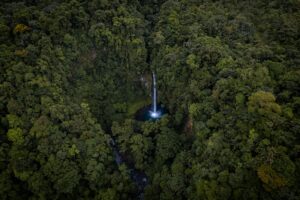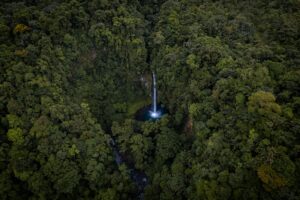
The Osa Peninsula is one of Costa Rica’s most celebrated wildlife destinations, and understanding the osa peninsula wildlife tour price helps travelers plan realistic budgets before they arrive. Whether you are considering a single-day rainforest hike, a multi-day safari, or a private wildlife photography excursion, price varies with season, group size, transport and the level of service. This guide lays out typical costs, what those costs cover, and practical tips sourced from licensed local operators and tourism listings.
Data in this article is based on licensed operators and local tourism listings, so the ranges and examples reflect what reputable providers charge in the region. Read on for a clear breakdown of the osa rainforest safari cost, sample itineraries, a comparison table, booking pointers, and an FAQ section to help you choose the experience that fits your interests and budget.
Why the Osa Peninsula is a premium wildlife destination
The Osa Peninsula earns its reputation because it contains Corcovado National Park and extensive primary rainforest that shelter jaguars, tapirs, scarlet macaws, howler monkeys and countless amphibians and insects. Field biologists and serious wildlife photographers often travel here specifically for the biodiversity, and reputable guides with deep trail knowledge and strict conservation ethics command higher fees because of the experience and safety they bring.
Several practical realities push tour pricing upward: the peninsula’s remote location, limited road access in many areas, reliance on boats and domestic flights during certain seasons, and a smaller number of certified guides compared with more-developed tourist regions. Many tours also include park permits and conservation fees that are remitted to local authorities, which is an important part of supporting protected habitat.
Typical tour formats and what affects osa peninsula wildlife tour price
Tours on the Osa generally fall into a few formats: half-day or full-day group walks, night walks, boat wildlife cruises, private guided hikes, and multi-day safaris that include lodging and meals. Each format carries different cost drivers.
Key factors that influence price include:
- Transportation: Boat transfers or domestic flights from San José or Drake Bay add substantial cost compared with road transfers.
- Guide skill level and certification: Biologist-guides or photographers with specialized skills command higher fees.
- Group size: Private tours are significantly pricier per person than shared group excursions.
- Lodging standard and board: Jungle lodges with private rooms, hot showers and meals add to package prices compared with basic eco-camps or dorm-style options.
- Seasonality: High season (December–April) often sees premium prices; wet season discounts may be available but some activities are limited.
For current listings and to compare operator offerings, many travelers consult established booking platforms that aggregate local options, including curated picks for Osa Peninsula activities and safari-style packages. See a collection of regional tours and up-to-date availability on a trusted marketplace here: GetYourGuide Osa Peninsula listings.

Detailed cost breakdown: what osa rainforest safari cost includes
Breaking down costs helps you compare apples to apples. Below are typical line items you will see on invoices or booking pages, and how much each tends to add to the overall osa rainforest safari cost based on local licensed operators.
- Guide fee: A certified wildlife guide typically charges per group or per day. Expect to allocate a fair portion of the price to this — guides in Osa tend to range from modest group rates to higher private-guide rates for specialized experiences.
- Park and permit fees: Corcovado and other reserves charge entry fees and sometimes reservation fees. These may be included in package quotes or billed separately.
- Transport: Boat transfers to remote lodges, shared shuttles, or domestic flights can be substantial line items. Remote access is often why multi-day safaris cost what they do.
- Accommodation and meals: Multi-day safaris usually bundle comfortable jungle lodge stays and full board. Budget options reduce cost but also the amenities and sometimes the wildlife viewing comfort.
- Equipment and extras: Night-vision equipment, private photography hides, or special-request gear can add to the cost. Tips and gratuities are commonly expected for great service.
To give broad ranges measured from licensed operator listings: a shared half-day wildlife hike might be quoted between $60–$150 per person; a full-day guided experience commonly falls between $120–$300 per person depending on transport and inclusions; private day tours often cost $300–$600 or more; multi-day rainforest safaris with lodging and meals typically range from $700 for budget packages to $2,500+ for luxury, all-inclusive safari experiences that include domestic flights or private transfers. These ranges reflect standard offerings, but actual quotes vary by operator, season and availability.
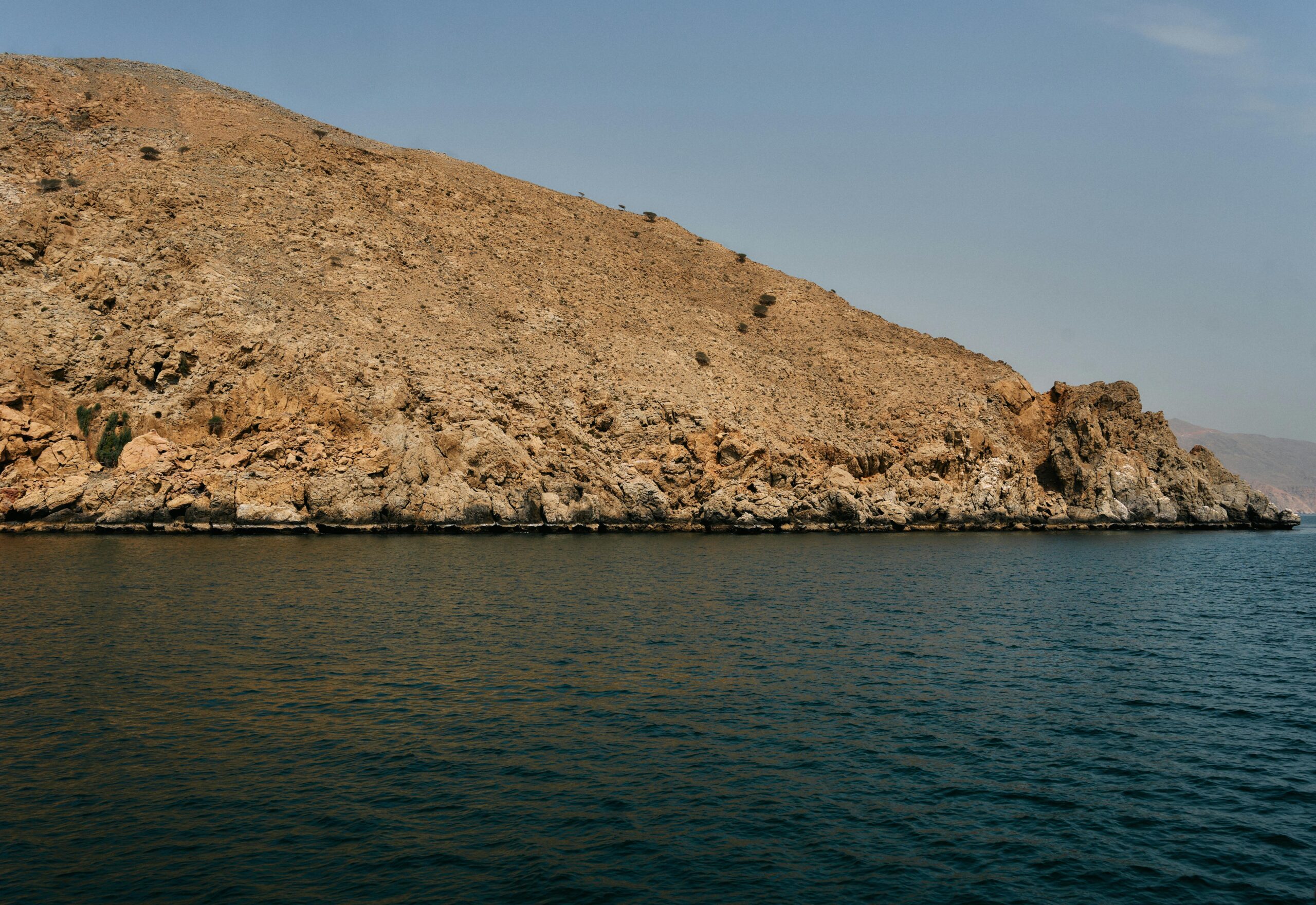
Sample itineraries and clear price ranges
Below are representative itineraries to illustrate how components stack into a total price. Examples are assembled from licensed local operators and tourism listings so you can see realistic expectations.
- Shared half-day rainforest walk: Arrival via nearby lodging, 3–4 hour guided walk, basic refreshments — typical price $60–$120 per person.
- Full-day combo (hike + boat wildlife viewing): Includes guide, boat transfer, lunch, park fee — typical price $150–$300 per person.
- Private full-day guided photography tour: Tailored scouting, extended time, specialized guide — typical price $350–$650 per group or per person depending on equipment and guide expertise.
- 3-day rainforest safari package: Transfers, lodge accommodations, guided hikes, meals, and park permits — typical price $700–$1,500 per person for mid-range operators.
- 5–7 day bespoke conservation-focused safari: Includes domestic flights, remote lodges, multiple guided excursions and research-center visits — typical price $1,500–$3,500+ depending on luxury level and exclusivity.
These ranges help you match itinerary choices to budget. If you want to compare dozens of operator options quickly and check availability for specific dates, consult a reputable activity marketplace that lists licensed providers for the Osa Peninsula: regional tour choices on GetYourGuide.
How to save money without missing key wildlife experiences
There are sensible ways to reduce cost while preserving the core wildlife experience. Consider these strategies used by experienced travelers and recommended by local guides.
- Travel in shoulder season: Late rainy-season weeks often have discounts, though some trails or boat routes may be slower or temporarily limited.
- Choose group departures: Shared group hikes split guide and transport costs across more participants, lowering per-person rates.
- Book multi-day packages instead of daily add-ons: Bundling lodging, meals and excursions tends to be cheaper than piecemeal booking.
- Limit private extras: Specialized photography hides or private boats are beautiful but expensive—reserve them for special days only.
- Stay at mid-range lodges: Many eco-lodges provide comfortable amenities without the premium price of boutique properties, yet still position you close to prime trails.
Remember that some cost-cutting measures affect the experience—for instance, traveling in the wettest months can reduce sighting frequency, and longer road transfers may cut into time for guided hikes. Balance savings against your wildlife priorities.
Practical tips for booking and what to expect on tour day
Confirming logistics and understanding what your tour price covers eliminates surprises. Licensed operators typically provide packing lists, meeting points, and safety information ahead of time.
- Arrival logistics: Many itineraries require early-morning departures; confirm whether your transfer is by 4×4 road shuttle, domestic flight or boat so you can plan connections.
- Inclusions checklist: Verify whether park fees, meals, bottled water, and transport are included in the quoted price or billed separately.
- Health and safety: Bring insect repellent, a rain jacket, sturdy footwear and any personal medications. Guides often carry basic first aid, but remote locations mean evacuation can be slow.
- Responsible viewing: Follow guide instructions closely, keep noise to a minimum and avoid flash photography around sensitive species. Ethical viewing is part of why licensed guides are valued—and why some tours cost more.
- Tipping and local currency: Gratuities are customary for exceptional service. Check whether the operator prefers cash in local currency or card tips, and carry small bills where possible.
Booking with providers who supply clear itineraries and transparent pricing reduces misunderstandings. Many travelers request sample daily schedules and a written list of inclusions before committing payment.
Comparison: private vs. group tours
A direct comparison helps you pick the best format for your interests and budget. Use the table below to weigh common features and expected cost implications.
| Feature | Group Tour (shared) | Private Tour |
|---|---|---|
| Typical per-person cost | $60–$300 (day); $700–$1,200 (multi-day) | $300–$800 (day); $1,200–$3,500 (multi-day) |
| Flexibility | Fixed schedule, moderate flexibility | Fully customizable to interests and pace |
| Guide attention | Shared attention among group | One-on-one expert guidance |
| Ideal for | Budget-conscious travelers, social groups | Serious photographers, families wanting privacy, research-focused trips |
| Booking ease | Often easier to fill and run year-round | May require advance booking and higher deposit |
FAQs
How much should I budget for a typical one-day wildlife tour on the Osa Peninsula?
Budget for $120–$300 per person for a full-day guided wildlife experience that includes a knowledgeable guide, transport (boat or shuttle when needed), and park fees. Shared group options sit toward the lower end of this range while private, specialized tours reach the higher end.
What does the osa rainforest safari cost usually include?
A standard safari package typically includes guiding services, park permits, transfers between nearby points, accommodation (if a multi-day package), and meals for multi-day itineraries. Optional extras like photography hides, domestic flights, and private transfers are often priced separately, so confirm the inclusions with the operator.
Are there cheaper options during the rainy season?
Yes, shoulder and rainy seasons often offer lower rates and occasional operator discounts, but you should weigh savings against potentially reduced wildlife visibility and more challenging trail conditions. Some species are still very active during the wet season, and rain can mean fewer crowds and unique photographic opportunities.
Is tipping guides expected and how much is customary?
Tipping is customary for good service. For day tours, many travelers tip guides 10–20% of the tour value or a set amount (for example, $5–$20 per person) depending on satisfaction. For multi-day safaris, consider budgeting a larger gratuity at the end of your trip for guides, boat crews and lodge staff.
How do I choose a reputable operator for wildlife tours in Osa?
Look for licensed operators with certified guides, transparent pricing, clear itineraries, and verifiable reviews. Reputable listings and marketplaces show operator credentials and often include recent traveler feedback. If you want to compare licensed providers quickly, curated third-party platforms list regional options and availability.
Conclusion
Understanding the osa peninsula wildlife tour price and osa rainforest safari cost helps you select the right tour for your priorities—whether that is maximizing wildlife sightings on a budget, booking a private photography safari, or opting for a multi-day conservation-focused experience. Costs reflect remoteness, guide expertise, transport and inclusions; in many cases higher prices translate into safer logistics and richer wildlife encounters. Use the sample ranges and checklist above when comparing operators, confirm inclusions before booking, and plan for tips and permit fees in your final budget. With thoughtful planning and a clear idea of what you value most, you can experience the exceptional biodiversity of Osa while supporting the local conservation economy.