
Deciding the best time to visit South Africa depends on what you want to see and do — from whale watching along the Western Cape to big-game viewing in the Kruger, and from colourful wildflower displays to warm beach weather. This guide uses official climate data and regional tourism information to help you plan the ideal month for your trip.
Below you’ll find a clear, month-by-month breakdown, a regional comparison, activity-specific timing, practical travel tips and a short comparison table to help you match weather patterns with the experiences you want. The information is drawn from weather authority and tourism board data to provide reliable planning advice.
When is the best time to visit South Africa — quick overview
South Africa’s climate varies dramatically by region. Broadly, the country has a summer season (November to March) with warmer temperatures and summer rains in much of the interior, and a winter season (May to August) that is generally dry and cooler inland but wetter in parts of the south-west. Coastal areas along the Western Cape have a Mediterranean climate with winter rainfall, while the east coast (KwaZulu-Natal) tends to be warm and humid year-round with summer rains.
For first-time visitors who want a mix of wildlife, comfortable weather, and accessible coastlines, the shoulder seasons — April to May and September to November — often represent the best compromise between good wildlife viewing, pleasant temperatures and fewer crowds.
south africa weather by month guide
This south africa weather by month guide breaks the country into monthly highlights so you can align travel dates with the activities you most want to experience.
January — Mid-summer: Hot across the interior and northern provinces, humid on the east coast, and warm in the Western Cape. Expect afternoon thunderstorms in Gauteng and the Lowveld; beaches are at their busiest.
February — Late summer: Similar to January with heavy afternoon and evening thunderstorms inland, high humidity on the east coast, and warm sea temperatures ideal for swimming and snorkelling.
March — Early autumn: Temperatures begin to moderate. This is a good time for the Garden Route and Cape Town as the rains in the Western Cape are still uncommon until late autumn and the interior storms subside.
April — Autumn shoulder season: Cooler nights and golden light inland; excellent for driving routes and national parks as vegetation thins and wildlife becomes easier to spot.
May — Start of dry season inland: Cooler, dry days in the bush country (ideal for safaris); Western Cape begins to see more stable, cooler weather at night.
June — Mid-winter: Peak safari season across the interior (May–September) due to dry conditions and sparse vegetation. The Western Cape experiences its winter rains and cooler weather; KwaZulu-Natal remains mild but wetter.
July — Winter: Cold nights in the Highveld and the Karoo, while the Cape sees frequent rain and strong winds. This is an excellent time for whale watching around Hermanus where southern right whales can be spotted.
August — Late winter: Wildflower season starts in Namaqualand and parts of the Western Cape in the latter half of the month; inland remains dry and good for game viewing.
September — Spring shoulder season: Warming temperatures and brilliant wildflower displays; many areas are less crowded than summer months and game viewing remains excellent.
October — Spring: Warmer and drier conditions return to much of the country; coastal waters begin to warm and migratory bird activity increases.
November — Late spring / early summer: Transition month with rising temperatures and the return of afternoon thunderstorms in the interior; the Western Cape is generally dry and pleasant for sightseeing.
December — Early summer holiday period: Warm to hot temperatures, increased domestic travel and busy coastal resorts; plan and book ahead for popular destinations.
Regional weather differences and how they affect travel plans
Understanding regional climates helps you match activities to the right place and time. South Africa’s main tourism regions each have distinct seasonal patterns that affect accessibility and the quality of experiences.
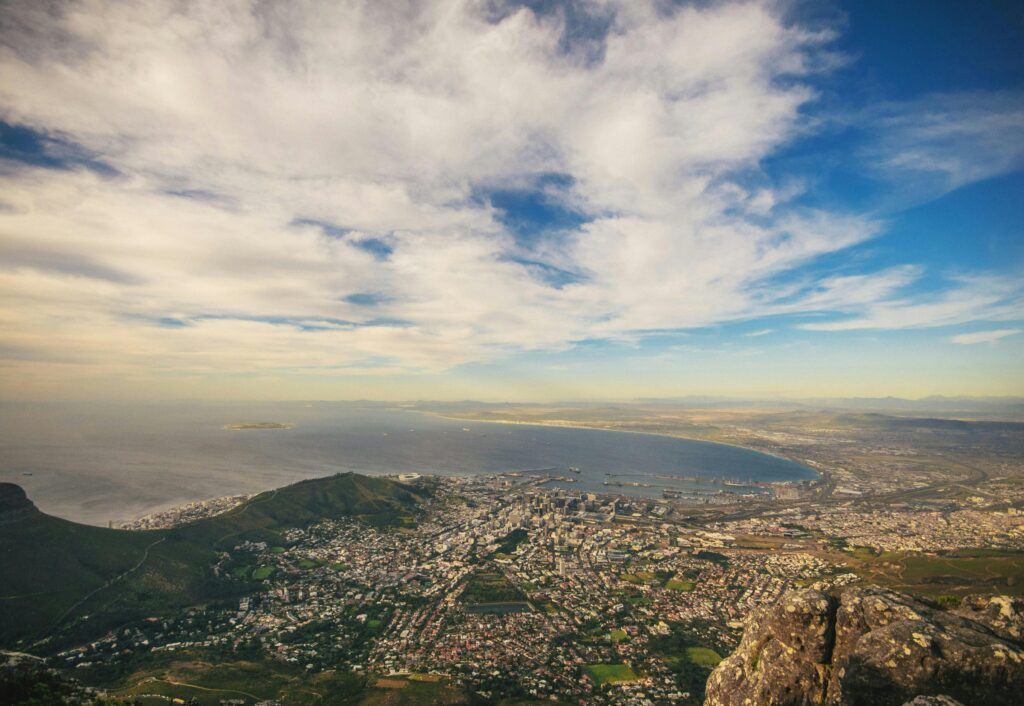
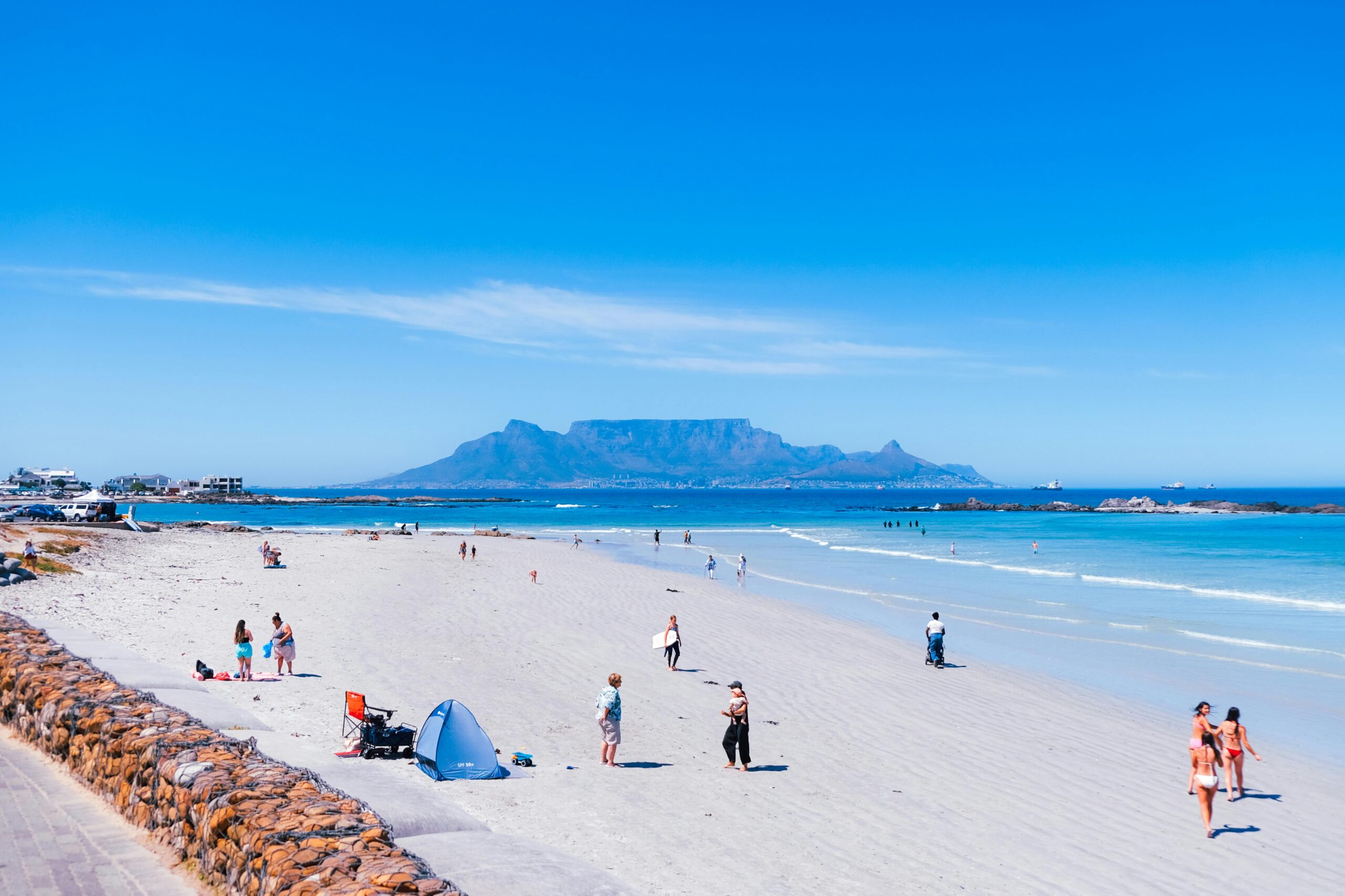
The Western Cape (Cape Town, Garden Route, Winelands): Mediterranean climate — wet winters (June–August) and dry, warm summers. Visit for beaches and outdoor festivals in summer; whale watching and winter scenery are highlights from June to September.
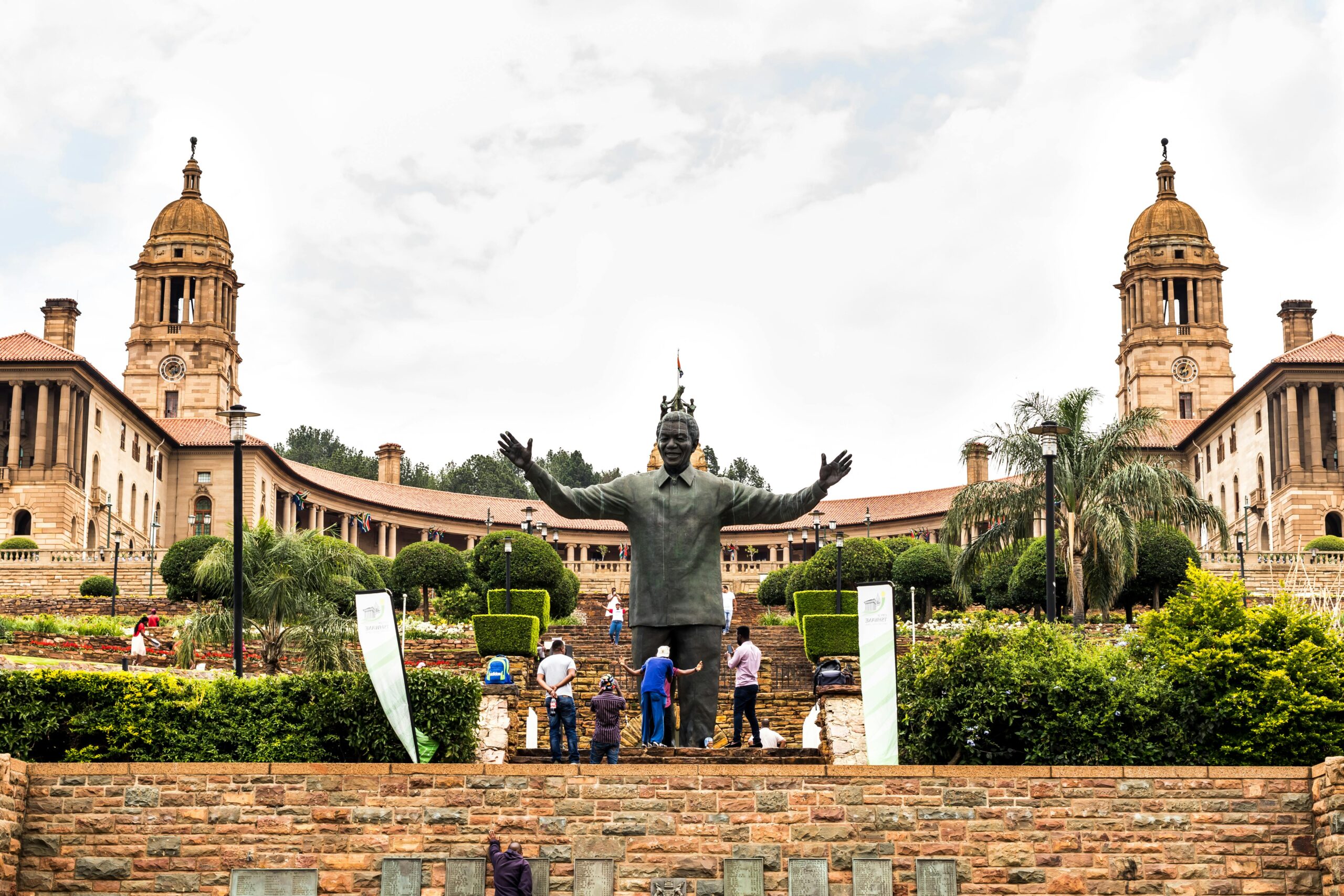
The Highveld (Johannesburg, Pretoria): Summer thunderstorms (November–March) and cool, dry winters (May–August). Clear winter days make this a good time for safaris inland and visiting cultural attractions without summer heat and dust.
The Lowveld and Limpopo (Kruger + private reserves): Hot, wet summers and cool, dry winters. Dry winter months concentrate wildlife around waterholes, making wildlife viewing easier from May to September.
KwaZulu-Natal (Durban, Drakensberg): Subtropical with hot, humid summers and mild, drier winters. Beaches are warm and appealing for most of the year; grassy highlands can be chilly in winter.
The arid west (Namaqualand, Karoo): Winter rainfall area in the far southwest, semi-desert interiors with hot summers and cold winters; famous wildflower seasons occur in late winter to early spring (August–September).
Wildlife, marine life and seasonal highlights
Timing your trip for wildlife encounters or marine spectacles can transform a holiday. Here are the main seasonal considerations for wildlife and ocean experiences.
- Safari (big five and plains game): Best May–September when dry conditions concentrate animals around water and visibility is high.
- Whale watching (Southern Right and Humpback): Peak June–November, with prime activity often between July and October along the Western Cape coast.
- Wildflowers (Namaqualand and Western Cape fynbos): Best in late August to September following winter rains; timing and intensity vary annually with rainfall.
- Diving and snorkelling: Summer months (November–March) bring warmer seas and better visibility, particularly on the east coast and around Sodwana Bay.
- Birding: Migratory peaks occur in spring and autumn; wetlands and coastal stops are especially active in these shoulder seasons.
For evidence-based monthly climatology and historical trends, consult the national weather service for up-to-date records and advisories.
South African Weather Service climate information
Activities, festivals and crowds — matching seasons to interests
South Africa’s cultural calendar and outdoor activities vary by season. Choosing the right month ensures you catch the festivals, events, and conditions that matter to you.
- Summer festivals and beach season (December–February): Expect lively events, busy beaches and longer opening hours at tourist sites.
- Wine harvests and local food festivals (late summer to early autumn): Harvest festivals and cellar-door events generally run from February to May.
- Whale-watching months and winter events (June–September): Coastal towns host marine-focused activities while inland lodges emphasize cozy winter stays.
- Wildflower season (August–September): Regional flower festivals and guided routes are common; accommodation can book out near peak blooms.
Because the summer months are South Africa’s high travel season, prices for accommodation and domestic flights often peak in December and January. For a balance of good weather and reduced crowds, consider April–May or September–November.
Comparison table — seasons and top experiences
| When | Weather | Top activities | Crowds & cost |
|---|---|---|---|
| Dec–Feb (Summer) | Hot inland, humid east coast, dry Cape summers | Beaches, festivals, diving, wine tasting | High — peak holiday prices |
| Mar–May (Autumn) | Milder temperatures, fewer storms | Road trips, safaris, wine routes | Moderate — shoulder season savings |
| Jun–Aug (Winter) | Dry inland (cool), wet Cape winters | Prime safaris, whale watching, wildflowers | Moderate — regional variation |
| Sep–Nov (Spring) | Warming, spring blooms, less crowded | Wildflowers, birding, early-summer beaches | Moderate — good value |
Practical tips — booking, packing and avoiding surprises
Booking early pays off for peak months and popular private reserves. If you need flexible lodging options across regions, check reputable accommodation platforms for availability and traveler reviews.
Browse accommodations across South Africa
Packing tips by season: bring layered clothing for winter safari mornings and evenings, a waterproof jacket for Cape winters, and sun protection year-round. In summer, lightweight, breathable clothing plus rain gear for afternoon storms is wise for the interior.
Transport and logistics: Distances can be large; internal flights save time but car travel offers scenic routes. Road conditions are good on primary routes but expect gravel sections in remote areas; plan fuel and rest stops accordingly.
Health and safety: Check local health advisories for vaccination and malaria risk zones, and carry a basic medical kit. In malaria areas (northern Kruger and parts of Limpopo), take appropriate prophylaxis and insect protection, especially in summer months.
FAQs
What is the best month for safari in South Africa?
May to September is generally the best window for safari in most reserves because the dry conditions concentrate animals at water sources and visibility is clearer. Early and late in this period offer comfortable daytime temperatures and reduced insect activity.
When is whale watching season in South Africa?
Whale watching along the Southern Cape is best from June to November, with prime sightings often between July and October when southern right whales calve and frequent coastal bays.
Are there months to avoid visiting South Africa?
There are no months to outright avoid, but if you dislike crowds and high prices, you may want to avoid December and January in popular coastal and urban areas. Also plan carefully if travelling during regional rainy seasons, such as winter rains in the Western Cape (June–August) or summer storms inland (December–February).
When do the Namaqualand wildflowers bloom?
Namaqualand typically blooms from late August into September, though intensity depends on winter rainfall. Always check regional reports in the months leading up to your trip for updated bloom forecasts.
How much does weather vary across South Africa?
Considerable variation: coastal, high-altitude, arid and subtropical zones all exist within the country. The Western Cape has winter rains, the Highveld has summer thunderstorms, and the eastern coast remains warm and humid for much of the year — plan regionally rather than assuming uniform conditions.
Conclusion
Choosing the best time to visit South Africa depends on your priorities — safaris are best in the dry winter months, beach holidays and festivals peak in summer, and spring and autumn provide comfortable shoulder-season conditions for many activities. Use the monthly and regional breakdowns in this guide to align your travel goals with seasonal patterns and consult official weather services for up-to-date climate data before you finalize plans.
With planning informed by climate records and tourism calendars, you can pick the perfect month for wildlife viewing, marine encounters, scenic drives and cultural experiences across South Africa.

Our Fact Checking Process
We prioritize accuracy and integrity in our content. Here's how we maintain high standards:
- Expert Review: All articles are reviewed by subject matter experts.
- Source Validation: Information is backed by credible, up-to-date sources.
- Transparency: We clearly cite references and disclose potential conflicts.
Our Review Board
Our content is carefully reviewed by experienced professionals to ensure accuracy and relevance.
- Qualified Experts: Each article is assessed by specialists with field-specific knowledge.
- Up-to-date Insights: We incorporate the latest research, trends, and standards.
- Commitment to Quality: Reviewers ensure clarity, correctness, and completeness.
Look for the expert-reviewed label to read content you can trust.