
Deciding the best time to visit Namibia depends on what you want to see and do: wildlife viewing, dune photography, coastal fogscapes, or birdwatching. Namibia’s climate is dry and varied, so timing your trip around seasonal weather patterns will make the difference between an iconic safari experience and uncomfortable travel days.
This guide uses official climate data and recommendations from national tourism sources to map out month-by-month weather expectations and practical advice. Use this as a comprehensive namibia weather by month guide to plan an itinerary that matches the landscapes and activities you most want to experience.
Why timing matters: Namibia’s climate at a glance
Namibia is one of the driest countries in sub‑Saharan Africa and has several distinct climatic zones: the cold, foggy Atlantic coast; the hot, arid Namib Desert and the central highlands; and the more humid, seasonal north. Rainfall is highly seasonal and concentrated in the summer months (roughly November to April), while the dry season (May to October) brings clear skies and cooler nights.
Temperature ranges are broad. Coastal towns like Swakopmund and Walvis Bay rarely exceed the high teens to low twenties Celsius because of the Benguela Current, while inland regions such as Windhoek, Sossusvlei and Etosha can experience hot days and chilly nights. Understanding these patterns helps you choose the best time for wildlife viewing, dune photography, or coastal exploration.
Month-by-month weather summary
This section breaks down typical conditions month by month so you can match your interests to likely weather. Keep in mind year-to-year variation—this summary is based on multi‑year climatological averages from national weather authorities and the Namibia Tourism Board.
January–February: Peak of the rainy season in the north and central plateau. Afternoon thunderstorms are common, bringing dramatic skies and greener landscapes. Temperatures inland are warm to hot. The coast remains cool and often foggy. Wildlife can be harder to locate in dense, green vegetation, but migratory birds are at their most abundant.
March–April: Rain tapers off, leaving lush scenery and moderate temperatures. March can still have strong storms; by April the weather becomes more settled. This is an excellent time for landscape photography—dunes contrast with temporary desert pools and flowering scrub.
May–June: The transition to the dry season. Days are cooler and nights get significantly colder, especially in desert areas where frost can occasionally occur in June. The interior is dry, and the skies are clear. This period works well for desert hikes and early-season wildlife watching as animals start concentrating around permanent water sources.
July–August: Core dry season and winter months. Clear, sunny days with crisp nights. This is prime time for wildlife viewing in Etosha and the Zambezi/North regions as animals gather around waterholes. Coastal conditions remain cool; the afternoon fogs persist but are less intense than in summer.
September–October: Temperatures rise again, particularly inland, and the first rains may appear in late October in some years. September is excellent for large mammal sightings because vegetation is still sparse from the dry season, making game easier to spot and photograph. October can be hot, dusty and calm before the rains return.
November–December: Start of the wet season with more frequent thunderstorms and brief heavy showers. The landscape greens quickly, insect populations increase, and birdlife becomes boosted by migrants. Coastal fog can provide striking photographic opportunities, and temperature variability lessens.
Best time to visit Namibia by activity
Different activities in Namibia have different ideal seasons. Choose your travel window according to whether you prioritize wildlife, dunes, coast, or birding.
Wildlife viewing (Etosha, private reserves): For classic game viewing, the dry season from June to October is best. Sparse vegetation and scarce water sources concentrate animals, improving sightings at waterholes and making photography easier. Bird migrants and breeding behavior are more visible during and after the rains (November–April).
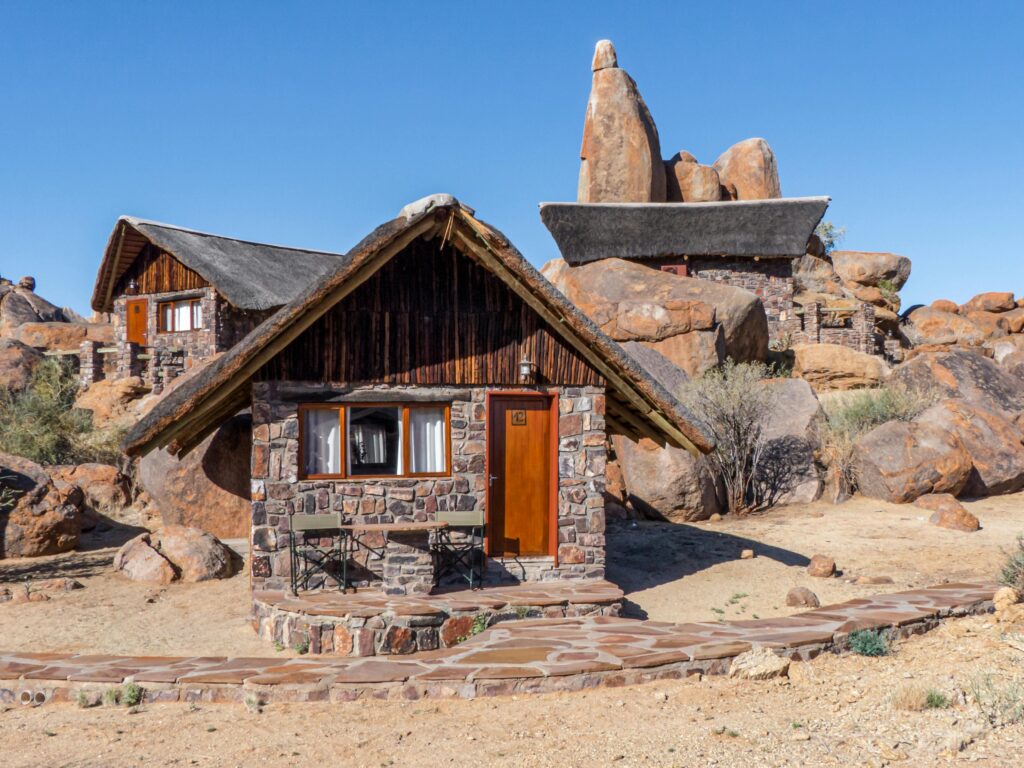
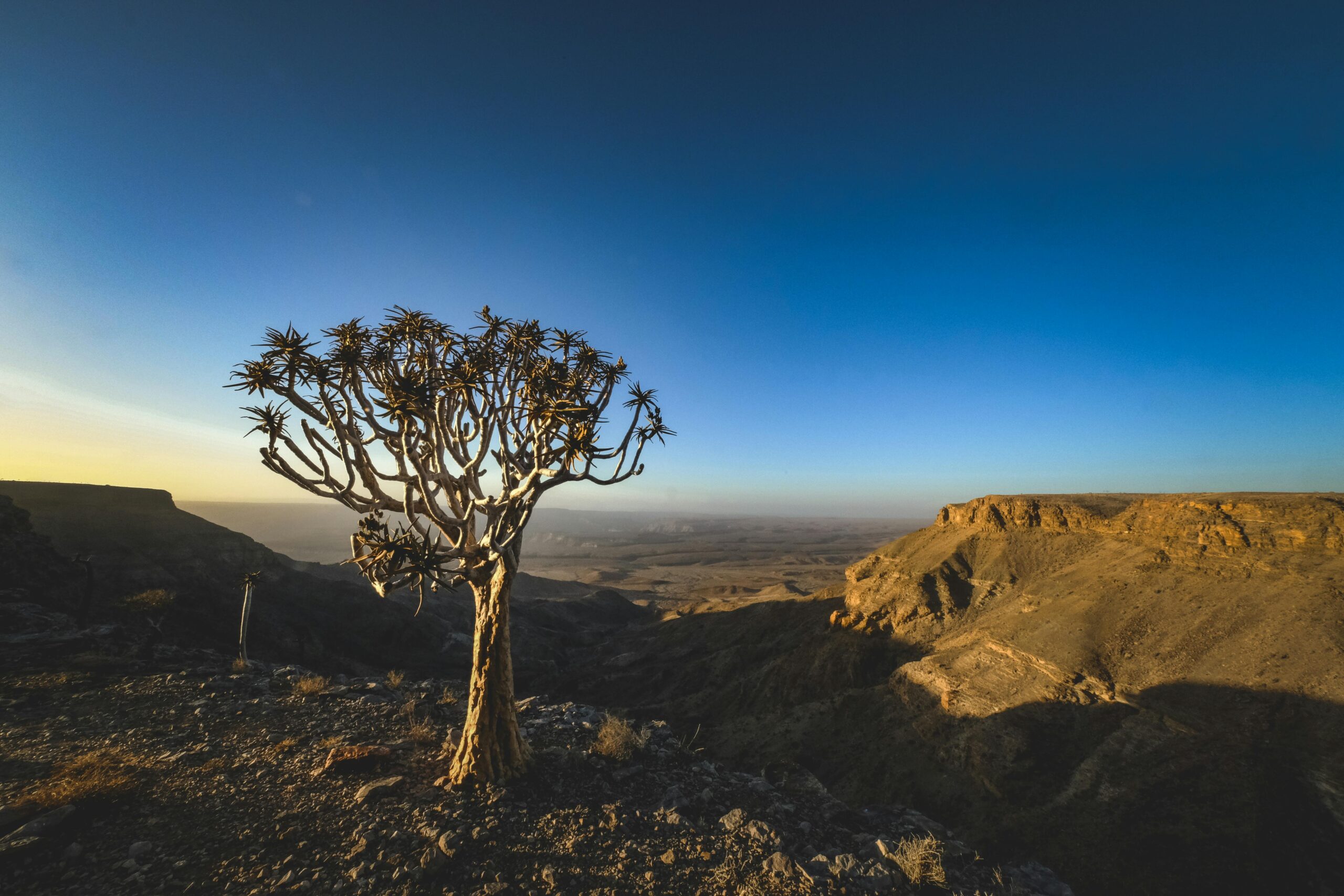
Dune photography and desert landscapes (Sossusvlei, Namib): Cooler months from May to September deliver comfortable conditions for sunrise and sunset shoots, and the clear skies reduce haze. If you seek dramatic contrasts after rains—flowering desert and ephemeral pans—plan for March–April.
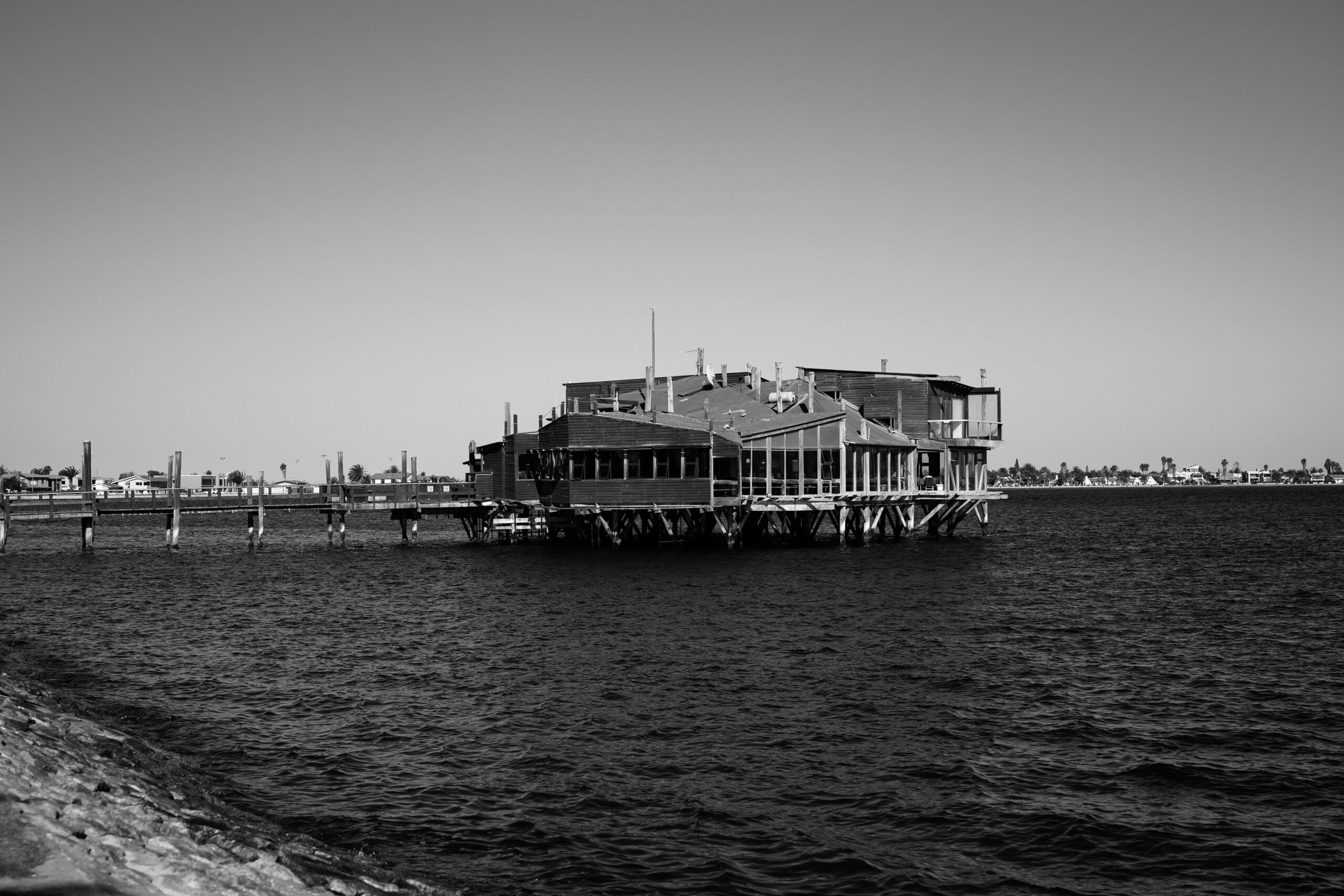
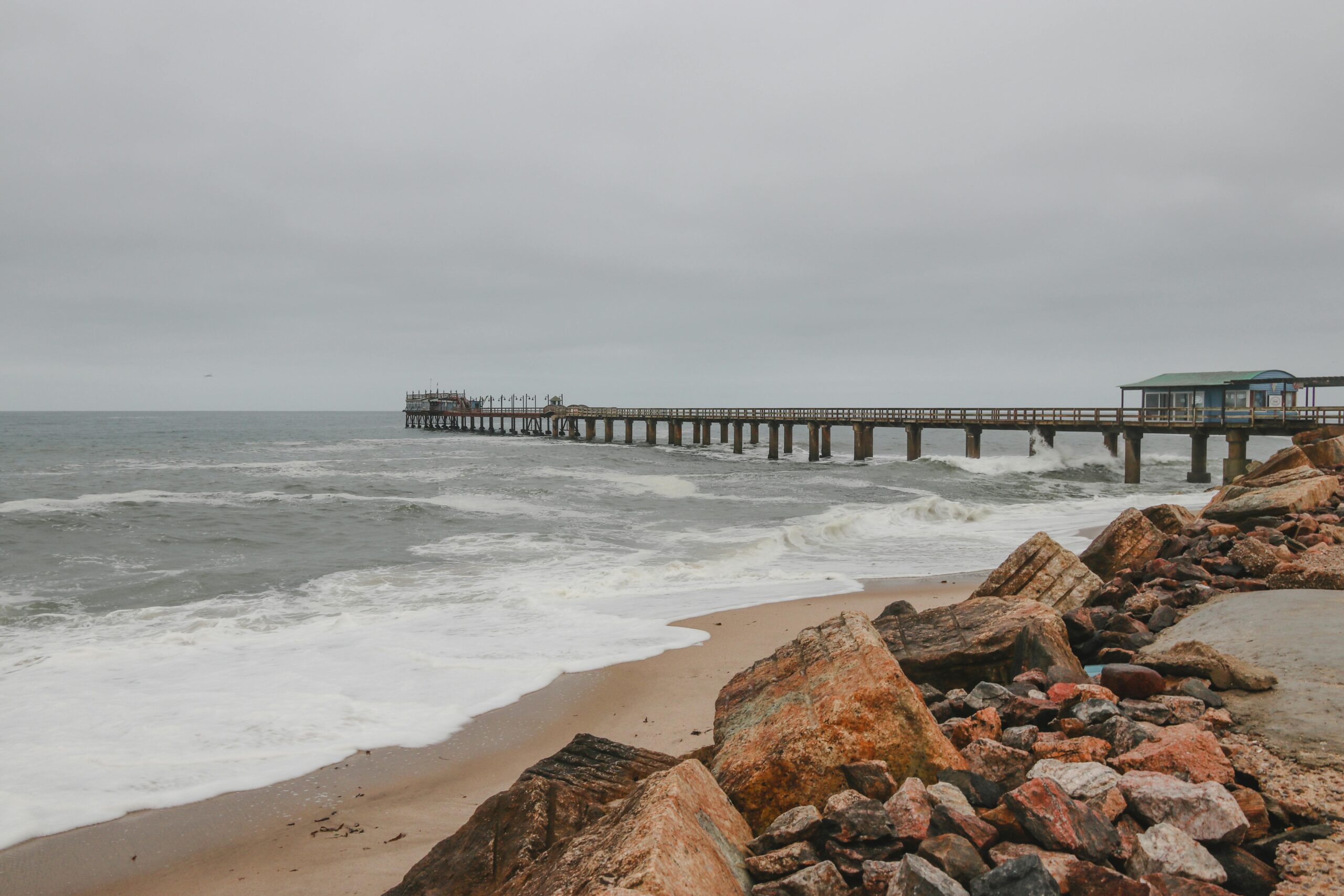
Coastal exploration and shipwrecks (Skeleton Coast, Swakopmund): The Atlantic coast remains cool and foggy year-round. Visitors who prefer milder temperatures should visit between March and November. The fog gives the coastline its surreal mood, but restricted visibility can reduce long-distance views.
Birdwatching: Peak birding follows the rainy season (December–April) when migrant species arrive and ephemeral wetlands are full. For waders and northern migrants, December–March is the richest time.
Regional variations and how they affect timing
Namibia’s regions experience the same seasons differently. Here’s a quick comparison so you can pick a location that aligns with your weather preferences and travel goals.
| Region | Climate characteristics | Best months to visit | Notes |
|---|---|---|---|
| Atlantic coast (Swakopmund, Walvis Bay) | Cool, foggy, low rainfall | March–November | Fog and low clouds common; great for sea birds and coastal photography |
| Namib Desert (Sossusvlei) | Arid, high diurnal temperature range | May–September; March–April for green desert | Cool mornings in winter; spectacular dunes at sunrise |
| Central Plateau (Windhoek) | Moderate, seasonal rains | April–October | Best for exploring towns and scenic drives in clear weather |
| Etosha and northern parks | Seasonal rains, abundant wildlife | June–October for game; Dec–Apr for birds | Dry season concentrates game; wet season increases birdlife |
| Caprivi/Zambezi region (far northeast) | Most humid region; seasonal floods | May–October (drier); Nov–Apr for boat and birdlife | Floods can make some roads impassable in peak rains |
Packing and travel logistics by season
Packing smartly reduces stress and helps you enjoy Namibia’s extremes. Nights can be cold even in summer deserts; days can be hot and dry. Layers are essential year-round.
- Dry season (May–October): Layered clothing, warm jacket for nights, hat, sunglasses, sunscreen, good walking shoes. If self-driving, carry extra water and a vehicle recovery kit; remote roads can be challenging.
- Wet season (November–April): Lightweight, quick-dry clothing, rain jacket, insect repellent, and waterproof storage for electronics. Plan for occasional road closures after heavy storms.
- Coastal travel: Windproof layers and a warm fleece are useful year-round; fog and wind chill make temperatures feel lower than inland.
- Photography: Bring lens cleaning supplies for fog and dust, a sturdy tripod, and neutral density filters for sunrise dune shots.
When booking accommodations, especially during peak wildlife season and school holidays, availability can be limited. For a wide range of options across regions, you can find accommodation options in Namibia and compare locations to match your planned dates.
When to avoid traveling and safety considerations
Avoid planning remote self-drive itineraries during periods of heavy seasonal rains if road access is critical—some dirt roads and river crossings become impassable and recovery services are limited in remote areas. Flash flooding in ephemeral riverbeds can be dangerous.
Extreme heat in October and November inland can be uncomfortable for strenuous activities; if you plan hiking or long drives, schedule early starts and keep plenty of water on hand. Conversely, if you’re sensitive to cold, avoid visiting the high desert nights in June and July without warm clothing.
Planning practicalities: transportation, accommodation and costs
Namibia is a large country with long driving distances between major points of interest. Many visitors choose to self-drive in a 4×4 to access remote dunes and parks, or to join guided tours that include transfers. Flight connections exist between Windhoek and some regional airports, which can save time but cost more.
Accommodation ranges from budget guesthouses to luxury lodges. Peak season pricing (June–October) applies in Etosha and popular desert lodges. If you need to secure specific lodge dates or specialized safari packages, it’s advisable to book well in advance and confirm road or flight connections. For a broad selection of properties and to check live availability for your dates, you can check current hotel availability in Namibia.
FAQs
What month is best for wildlife viewing in Namibia?
The dry season, from June through October, is the best period for wildlife viewing because animals concentrate around permanent water sources and the sparse vegetation improves visibility.
When is the rainy season and how does it affect travel?
The rainy season generally runs from November to April. While roads can become difficult after heavy storms, the landscape is greener, birdlife increases, and some photographers prefer the dramatic skies and temporary desert blooms that follow storms.
Is Namibia hot year-round?
Not uniformly. Coastal areas are cool year-round due to the cold Benguela Current, while inland and desert regions can be very hot in summer (October–March) and warm by day but chilly at night during the winter months (May–September).
Can I visit the Namib Desert in summer?
Yes, but prepare for higher daytime temperatures and plan sunrise or sunset visits to dunes. If you prefer milder conditions, visit during the cooler dry months of May to September.
How far in advance should I book lodging and tours?
During peak seasons and school holidays, book 3–6 months in advance for lodges and specialty safaris. For remote or high-demand properties, booking earlier secures better availability and itineraries.
Conclusion
Choosing the best time to visit Namibia comes down to priorities: travel between June and October for the best general wildlife viewing and clear desert skies, or opt for November–April if lush landscapes, birdlife and dramatic stormscapes appeal to you. Coastal explorers can visit nearly year-round, while photographers and desert hikers should consider cooler mornings and clear winter days.
Use the month-by-month guidance and regional comparisons in this guide to align your itinerary with the weather patterns most likely to produce the experiences you want. Check up-to-date local weather advisories and accommodation availability before finalizing plans, and prepare for wide temperature swings, especially in desert areas. With thoughtful timing, Namibia’s open skies, stark dunes and unique wildlife will deliver a memorable trip.

Our Fact Checking Process
We prioritize accuracy and integrity in our content. Here's how we maintain high standards:
- Expert Review: All articles are reviewed by subject matter experts.
- Source Validation: Information is backed by credible, up-to-date sources.
- Transparency: We clearly cite references and disclose potential conflicts.
Our Review Board
Our content is carefully reviewed by experienced professionals to ensure accuracy and relevance.
- Qualified Experts: Each article is assessed by specialists with field-specific knowledge.
- Up-to-date Insights: We incorporate the latest research, trends, and standards.
- Commitment to Quality: Reviewers ensure clarity, correctness, and completeness.
Look for the expert-reviewed label to read content you can trust.