
Set high among Vietnams Hong Lin Sn mountains, Sapa enchants visitors with its breathtaking rice terraces and the vibrant cultures of its ethnic minorities. Among the many gems in this region, Cat Cat Village is a standout destination. This quaint village offers an authentic look into the traditional lifestyle of the H’mong people. Before heading out to explore, its helpful to familiarize yourself with the sapa cat cat village ticket price to ensure a hassle-free visit.
More than just a cluster of homes, Cat Cat Village serves as a living display of heritage. Here, visitors can experience the blend of age-old traditions, skilled craftsmanship, and stunning natural surroundings. Strolling along its winding paths, you’ll see wooden houses built in traditional styles and artisans practicing their crafts firsthand. This village invites you to immerse yourself in the regions cultural richness in a genuine setting.
This detailed overview covers everything you need for your visitfrom the exact sapa cat cat village ticket price to how to get there, what to anticipate, and useful advice to make your trip memorable. Get ready to soak in the unique atmosphere of Cat Cat Village and create lasting memories.
Unveiling the Sapa Cat Cat Village Ticket Price
Knowing the entry fee is the first step when budgeting for a trip to Cat Cat Village. The sapa cat cat village ticket price is quite simple: adults are charged 70,000 VND, while children typically pay a discounted rate around 30,000 VND. These fees, established by local authorities, help support the upkeep of the village and sustain the community. With your ticket, you can freely wander the village, visit traditional homes, and take in the scenic views. There are no extra charges after purchasing your ticket at the entrance. Carrying small denominations of Vietnamese Dong makes buying your ticket and souvenirs easier. The entrance fee directly aids in preserving the cultural heritage of the village and benefits the local H’mong residents. Although prices remain fairly stable, its smart to check official Sapa tourism sources or ask your hotel for the latest ticket information before you go.
Getting to Cat Cat Village: Your Journey Options
Situated just a few kilometers southwest of Sapa town, Cat Cat Village is an easy day trip for most visitors. How you get there depends on your preference, fitness, and budget. Many travelers opt to walk, enjoying a scenic 30 to 45-minute downhill hike that reveals expansive views of rice terraces and towering mountains. Keep in mind, the return trip involves uphill walking. For those wanting a less physically demanding option, motorbike taxis (xe m) are widely available in Sapa town, with fares typically ranging from 30,000 to 50,000 VND one wayalways negotiate beforehand. Taxis provide a more comfortable option, especially for families or groups, with round-trip fares around 100,000 to 150,000 VND. Some accommodations may even offer shuttle services. Regardless of the transportation you choose, the journey itself unveils more of Sapas captivating charm.
What to Expect Inside Cat Cat Village
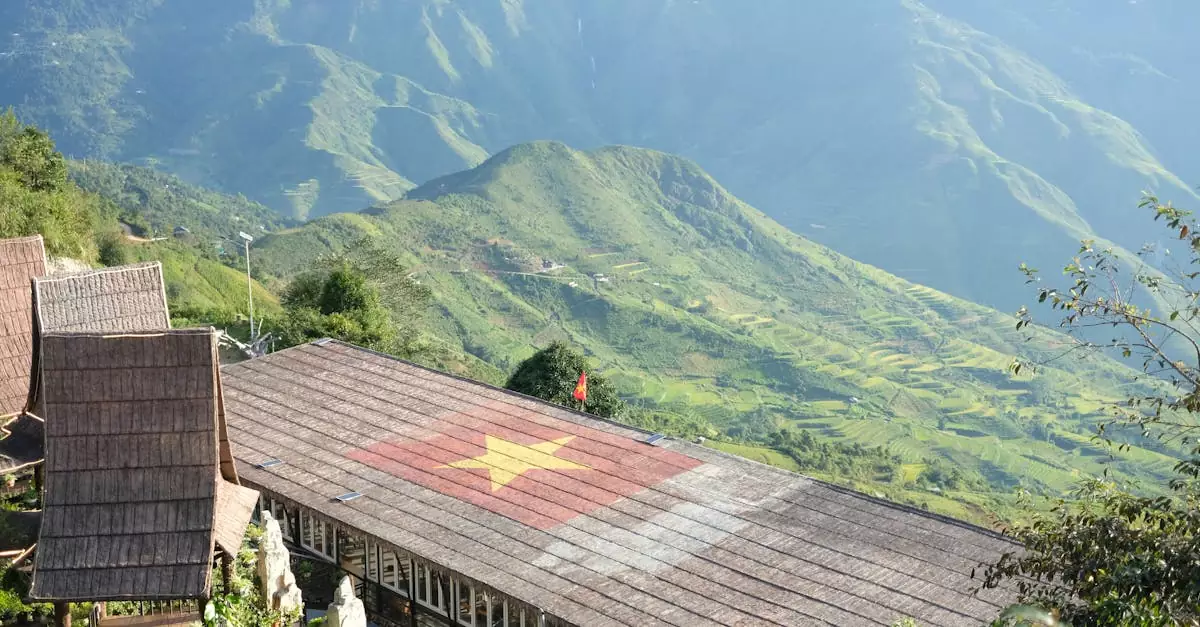
After paying the sapa cat cat village ticket price and stepping inside, you enter a world steeped in tradition. The village is home to the Black H’mong people who have preserved their ancestral lifestyle over generations. As you descend into the village, the stilted wooden houses with distinctive architecture come into view, showcasing the communitys building heritage. The paths meander through verdant rice fields, perfect spots for photography. Local residents can be seen going about their daily routineswomen weaving detailed textiles or crafting delicate silver jewelry. These handmade goods are often available for purchase, directly supporting the artisans. A standout natural feature is the tranquil Cat Cat Waterfall, whose cascading waters offer a peaceful retreat. Nearby, a traditional water mill stands as a testament to H’mong ingenuity. Cultural performances featuring traditional music and dance are regularly held; check the schedule upon arrival to catch a show. Scattered around the village, small shops and food stalls serve local snacks and beverages, giving visitors a taste of regional flavors. The entire visit is designed to be both immersive and enlightening.

Comparing Cat Cat Village with Other Sapa Attractions
Sapa boasts a variety of attractions, each offering something special. While Cat Cat Village immerses visitors in local culture, its useful to weigh it against other popular sites to tailor your itinerary. For example, Fansipan, often called the ‘Roof of Indochina,’ captivates with its panoramic mountain views and the experience of riding a cable car to the summit. Nearby Ham Rong Mountain showcases vibrant flower gardens and sweeping viewpoints close to the town center. Further out, Ta Van Village provides a more secluded and authentic glimpse into ethnic minority traditions. The comparison table below highlights key details to help you decide which experiences best fit your interests. Notably, the sapa cat cat village ticket price is lower than many other attractions, making it a budget-friendly choice. Consider your available time and what kind of adventure you seekeach destination reveals different facets of Sapas allure.
| Attraction | Primary Experience | Typical Entry Fee (VND) | Time Needed | Accessibility from Sapa Town |
|---|---|---|---|---|
| Cat Cat Village | H’mong culture, waterfall, handicrafts | 70,000 | 2-3 hours | Walkable (2-3 km) |
| Fansipan (Cable Car) | Mountain views, spiritual complex | 750,000 – 800,000 | 4-6 hours | Short taxi/shuttle to cable car station |
| Ham Rong Mountain | Flower gardens, Sapa viewpoint | 70,000 | 2-3 hours | Walkable (next to Sapa church) |
| Ta Van Village | Giay ethnic culture, homestays, rice paddies | 75,000 | Half to full day | Motorbike/taxi (10-12 km) |
Pros and Cons of Visiting Cat Cat Village
Choosing to visit Cat Cat Village comes with clear benefits as well as some drawbacks. Being only a short distance from Sapa town, its easily reached on foot or by a brief ride, making it ideal for a half-day excursion. The village offers a deep dive into H’mong culture, allowing you to observe traditional lifestyles, watch artisans create, and enjoy cultural shows. The picturesque setting, featuring terraced rice fields, a waterfall, and classic wooden homes, adds to the charm. Your entry fee and purchases directly support the local community, helping preserve their heritage. Additionally, its one of the more affordable attractions in the area, offering great value for your money.
On the downside, its popularity can lead to crowds, especially during peak travel times, which might detract from the tranquil atmosphere. Over the years, some parts of the village have become commercialized, with numerous souvenir shops that might feel overly tourist-oriented. While cultural performances are authentic, they are often arranged for visitors, which can lessen the sense of spontaneity. Paths can be slippery after rain, so caution is needed when walking. Despite these considerations, many travelers feel the positives outweigh the negatives, making Cat Cat Village a highlight of their Sapa visit by combining culture, nature, and accessibility.
Practical Tips for Your Cat Cat Village Adventure
To get the most out of your trip to Cat Cat Village, keep a few practical points in mind. Comfortable walking shoes are a must since the terrain can be uneven, steep, and slippery, particularly in wet weather. Dressing in layers helps as temperatures in Sapa can fluctuate quickly cool mornings give way to warmer afternoons. The ideal time to visit falls within the dry seasons of March to May or September to November, when rainfall is minimal and visibility is clear. For more detailed insights on timing your trip, you can refer to the best time to visit. Make sure to carry cash in Vietnamese Dong because many small vendors and food stalls Don’t accept cards. Polite bargaining is common when purchasing souvenirs. Show respect for local traditions by asking before photographing people, especially children. Being environmentally conscious by carrying out your trash is also appreciated. Staying hydrated is important, so bring a refillable water Bottle while drinks are available for purchase, having your own is more convenient. Learning a few simple Vietnamese phrases like ‘xin cho’ (hello) and ‘cm n’ (thank you) can enrich your interactions. For a broader sense of travel costs across Vietnam, check out the travel budget guide. Additional cultural context is available on Wikipedia’s Vietnam page.
Maximizing Your Experience: Beyond the Entry Fee
Although the sapa cat cat village ticket price covers your entry, there are plenty of ways to deepen your visit. Hiring a local guide from Sapa can greatly enhance your understanding of H’mong traditions, village history, and help bridge language barriers. Rather than rushing, take time to absorb the atmosphere, observe daily life, and sit down at a local eatery to sample traditional Sapa dishes like fresh spring rolls, bamboo rice, or noodle soups. Engaging with artisans by asking about their craft techniques and stories behind their products can turn a simple purchase into a meaningful exchange. Many villagers welcome sharing their knowledge and skills. Photography lovers will find endless subjectsfrom vivid traditional costumes to the intricate rice terraces and candid village momentsbut always ask permission before photographing people. By actively participating and appreciating the culture, your visit transforms from a sightseeing trip into a rich cultural encounter.
Frequently Asked Questions About Cat Cat Village
Is the sapa cat cat village ticket price worth it?
Many visitors consider the sapa cat cat village ticket price to be a great value. It grants access to unique cultural experiences, beautiful landscapes, and helps support the local H’mong community.
How long should I spend in Cat Cat Village?
Typically, 2 to 3 hours is sufficient to explore the village, see the waterfall, browse shops, and catch a cultural performance.
Can I buy souvenirs in Cat Cat Village?
Yes, the village features numerous shops selling traditional H’mong handicrafts, textiles, silver jewelry, and local products. Purchasing directly benefits the artisans.
Is Cat Cat Village suitable for children?
The village is generally child-friendly, though some paths are steep and uneven. Younger children may need assistance or to be carried. They will likely enjoy the cultural performances and animal encounters.
Are there ATMs in Cat Cat Village?
No, ATMs are not available within Cat Cat Village. Its best to withdraw enough Vietnamese Dong in Sapa town beforehand for tickets, food, and souvenirs.
Conclusion: Your Unforgettable Journey Awaits
Exploring Cat Cat Village offers a profound blend of natural beauty and cultural heritage. Knowing the sapa cat cat village ticket price is just the starting point for an adventure that leaves lasting impressions. This charming H’mong village provides a rare window into a traditional lifestyle amidst Sapas iconic scenery. From the moment you pay your cat cat village entry fee, youre invited to wander ancient paths, admire fine handicrafts, and observe the rhythms of a resilient community. The experiences and memories gained far exceed the modest cost of admission. Whether you choose to walk, take a motorbike, or ride a taxi, the journey itself reveals much of Sapas magic. Embrace the chance to connect with locals, savor authentic dishes, and capture stunning landscapes. Prepare your walking shoes, ready your camera, and open your heart to the wonders of Cat Cat Villagethe heart of Sapas cultural landscape beckons.