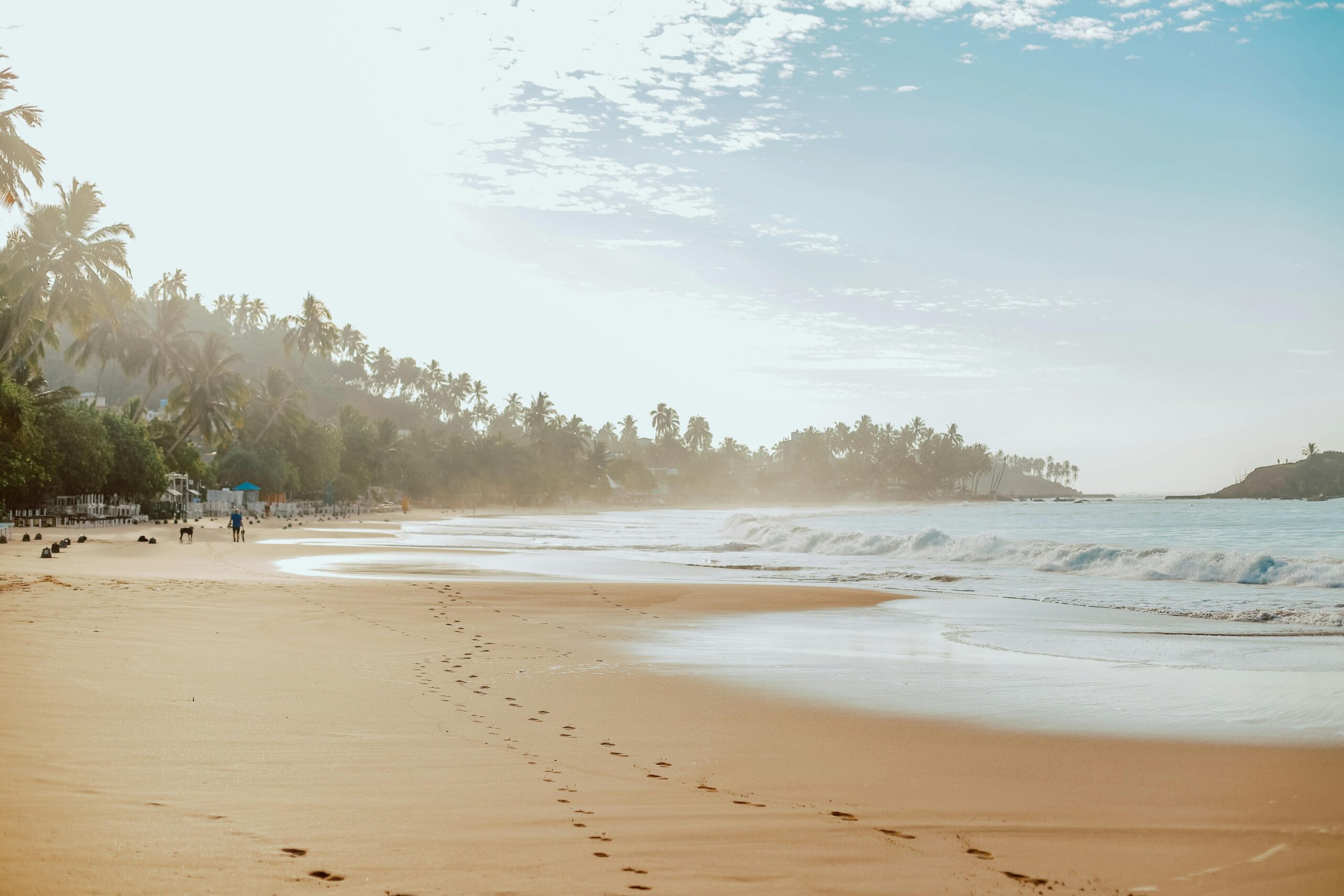
The best beaches in Mirissa sit along Sri Lanka’s southern shoreline, where palm-fringed bays, golden sand and clear blue water combine to form some of the island’s most photographed coastal scenes. For travelers seeking a relaxed beach base with options for snorkeling, sunset viewpoints and world-famous whale watching, Mirissa offers compact, walkable beaches and a friendly seaside town atmosphere.
This guide collects practical, up-to-date information to help you choose which Mirissa beaches to visit, how to get there, what activities to prioritize and important safety and seasonal considerations. The information below draws on regional listings and local tourism guidance from the Sri Lanka Tourism Authority to ensure accurate, authoritative details for planning your trip.
Why Mirissa is a Must-Visit Beach Town
Mirissa is a short drive from the regional hub of Galle and lies on a coastal arc that balances sheltered bays and open ocean surf. Its popularity grew rapidly because it combines easy access to marine wildlife—especially blue whales and sperm whales—with a small-town feel. The beaches themselves are varied: broad stretches of sand for sunbathing, hidden coves for quieter moments, and rocky outcrops that create dramatic sunset viewpoints.
Beyond scenery, Mirissa is also a convenient base for day trips: snorkeling and diving sites, surf breaks suitable for learners, and nearby cultural sites. Local infrastructure has improved to cater to international visitors while retaining much of the relaxed coastal character that originally drew travelers here.
The Best Beaches in Mirissa — Where to Go and What to Expect
This section breaks down the main beach areas so you can match each spot to what you want from your beach day—sunbathing, swimming, snorkeling, or people-watching. Each description includes typical conditions, amenities and who the beach is best for.
- Main Mirissa Beach (Mirissa Bay): The town’s principal crescent of sand, ideal for swimming on calm days and for families. Many guesthouses, cafés and surf schools line the shore, making it easy to rent gear or book excursions. Expect vendors selling cold drinks and light snacks during peak season.
- Secret Beach (also called Little Secret Beach): A small, sheltered cove reached by a short walk from the main strip. It’s a quieter choice for couples or those seeking a bit more privacy. The cove is better for lounging than for large-group activities.
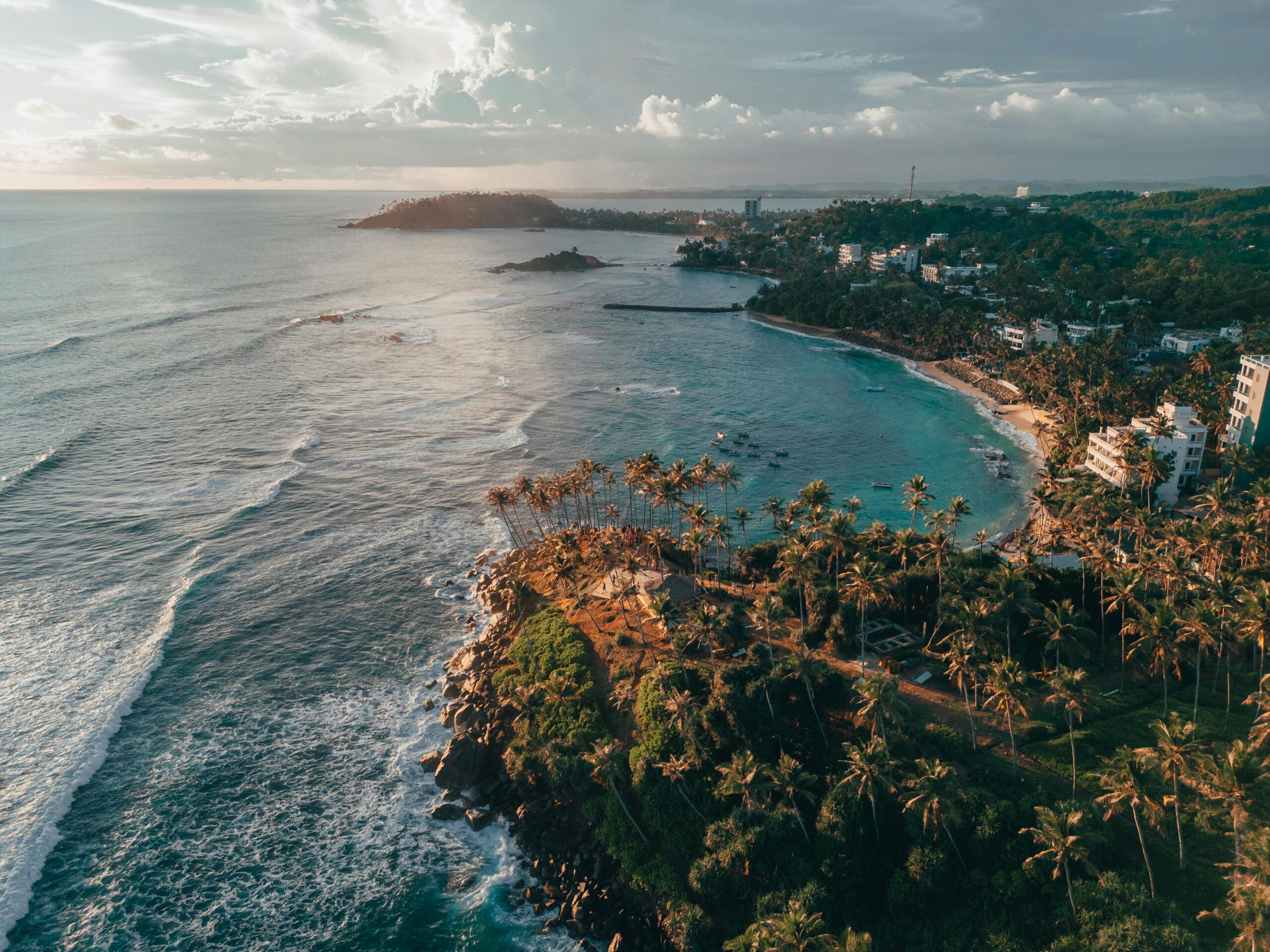
- Coconut Tree Hill: Not a conventional swimming beach, Coconut Tree Hill is a palm-dotted headland with sweeping ocean views and one of Mirissa’s most iconic photo spots. Arrive for sunrise or sunset to avoid the midday crowds.
- Parrot Rock and the Mirissa Rock Outcrop: A short rocky peninsula within easy walking distance of the main beach. It provides elevated viewpoints, shallow tide pools and a different perspective on the coastline. Be careful on wet rocks.
- Weligama (nearby): Technically a neighboring bay, Weligama is often visited in the same day as Mirissa and is known for its long, shallow sandbank—excellent for beginner surf lessons and long shoreline walks.

Mirissa Whale Watching Beach Guide
Mirissa is one of the world’s most reliable ports for observing large pelagic species. Whale watching season generally runs from November to April, when warm surface currents draw blue whales, sperm whales, dolphins and other cetaceans closer to shore. Operators leave from the main beach area early in the morning to reach deeper waters where sightings are most likely.
For visitors who prefer a guided experience, book tours that emphasize safety and responsible viewing practices—look for operators that follow local guidelines, maintain safe distances from animals and brief passengers about appropriate behavior on deck. If you prefer to book a guided excursion in advance, you can find organized trips and customer reviews through third-party platforms that aggregate local tours and show availability.Book reputable Mirissa tours
How to Get to Mirissa and the Best Times to Visit
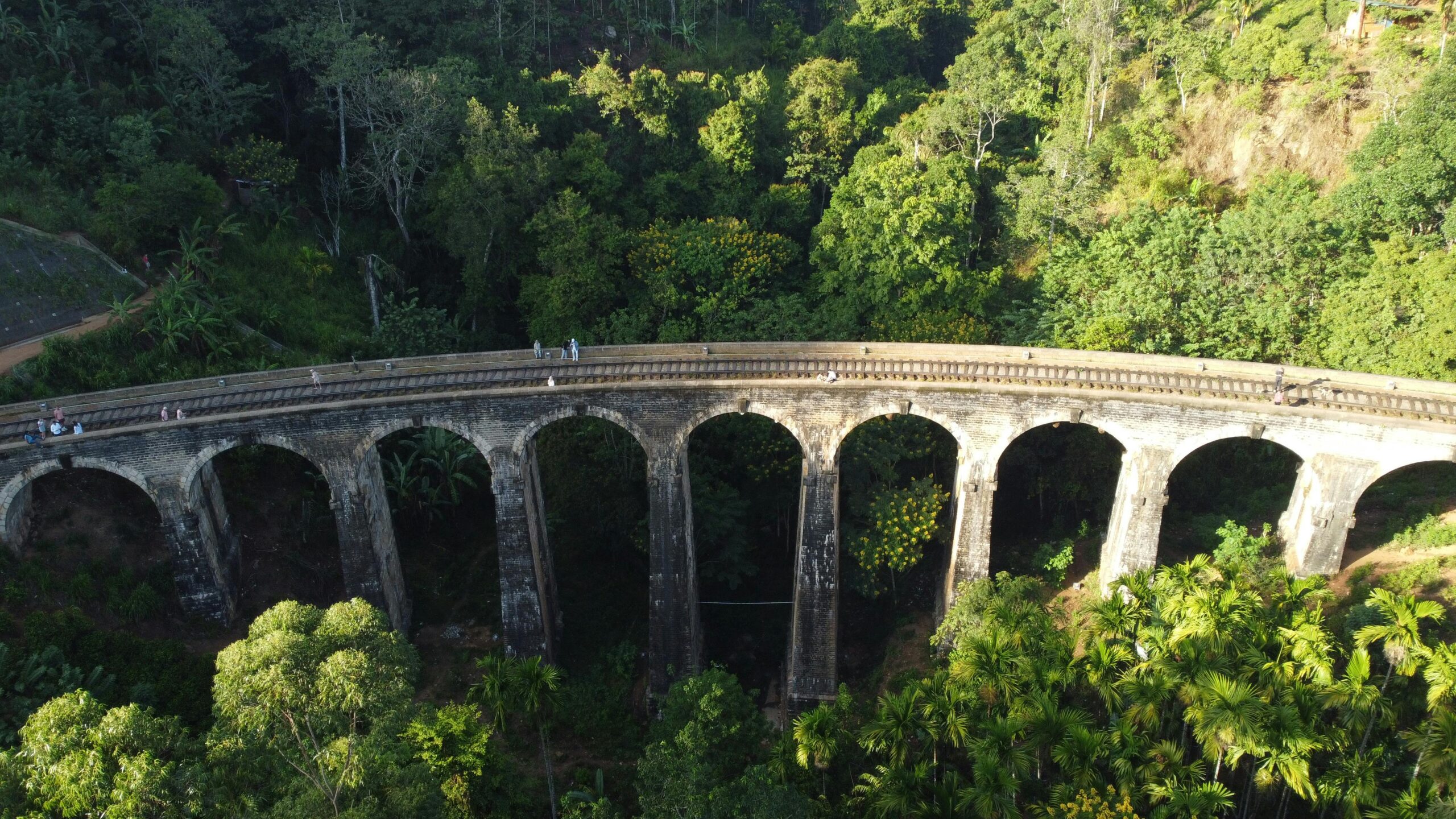
Getting to Mirissa is straightforward. The closest major transport hubs are Colombo (about a 3–4 hour drive depending on traffic) and the regional town of Galle (roughly 45 minutes to an hour). Trains on the coastal line stop at Mirissa station, offering a scenic and budget-friendly option—note that trains can be crowded during holidays, so plan accordingly.
Peak season for weather and marine life viewing is generally from November through April. This period usually offers calm seas and minimal rain, which is why it’s favored for boat-based activities like whale watching. If you prefer quieter beaches and lower rates, the shoulder months (late April–May or September–October) can be a good compromise, though sea conditions and visibility for marine tours become more variable.
Activities, Safety and Local Tips
Mirissa’s beaches support a wide range of day activities beyond sunbathing. Here are practical notes on what to expect and how to stay safe:
- Surfing: Nearby breaks in Weligama and other stretches are suitable for beginners; local surf schools offer lessons and board rental. Always check local conditions and use an instructor if you’re inexperienced.
- Snorkeling & Swimming: Choose sheltered bays on calm days. Be mindful of currents and avoid isolated areas after dark. Life jackets are typically available for hire on tourist-oriented beaches.
- Responsible wildlife viewing: For whale and dolphin tours, pick operators that follow distance guidelines and limit boat proximity to animals. Avoid paying for interactions that stress wildlife or boats that chase animals aggressively.
- Sun protection: Shade is limited in many areas—use reef-safe sunscreen, a hat and protective clothing to avoid sunburn.
- Local customs: Dress modestly when away from the beach; remove shoes before entering religious sites; and be polite when photographing locals, particularly in fishing communities.
If you want to secure a guided multi-activity package—combining whale watching with snorkeling or a sunset cruise—online booking platforms can show current options and reviews from prior travelers.Explore Mirissa excursions and combined tours
Quick Comparison Table: Mirissa Beaches at a Glance
| Beach / Spot | Best for | Water Conditions | Facilities |
|---|---|---|---|
| Main Mirissa Beach | Swimming, cafés, whale watch departures | Generally calm inside bay; variable outside | Restaurants, surf schools, sunbeds |
| Secret Beach | Quiet relaxation, small groups | Sheltered cove, calm on most days | Limited — small cafés nearby |
| Coconut Tree Hill | Photography, viewpoints | Not ideal for swimming (rocky) | No formal facilities—short walk to town |
| Parrot Rock | Viewpoints, tide pools | Shallow pools; check tides | None on the rock; nearby eateries |
| Weligama (nearby) | Beginner surfing, long walks | Shallow and consistent waves | Surf schools, shops, cafés |
Where to Stay and Eat Near the Beaches
Accommodation around Mirissa ranges from budget guesthouses to boutique hotels and mid-range resorts with ocean views. Staying near the main beach keeps you within walking distance of restaurants, shops and the whale watch departure pontoons. If you prefer a quieter night, choose properties set back from the main strip or closer to Coconut Tree Hill.
Dining options reflect Sri Lanka’s seafood traditions—fresh catch grilled or curried with coconut-based sauces—along with international cafés and bakeries. Small beachfront cafés are great for casual lunches and sunset drinks; if you want a specific table at a popular restaurant during high season, book ahead. For grocery needs and longer stays, there are small supermarkets and markets in town where you can buy fresh fruit, bread and other staples.
FAQs
When is the best time in the year for whale watching in Mirissa?
The prime season for whale watching in Mirissa typically runs from November to April, when sea conditions are calmer and visibility improves. These months offer the best chance for spotting blue whales and other large cetaceans in the deeper offshore waters.
Are Mirissa’s beaches safe for swimming with children?
Many sections of Mirissa Bay are safe for swimming, especially closer to the main beach where the bay is more sheltered. However, always supervise children, check for current advisories, and avoid swimming in isolated areas or during rough sea conditions. Use life jackets for boats and supervised snorkeling.
How long should I plan to stay in Mirissa to enjoy the beaches and activities?
Two to four nights is a common itinerary for travelers focused on beach time and a whale-watching trip, plus one or two activities such as surfing or a day trip to Galle. If you prefer a relaxed pace with multiple excursions and downtime, consider staying up to a week.
Can I combine Mirissa with day trips to other southern attractions?
Yes. Mirissa works well as a base for day trips to Galle’s fort and colonial sites, short visits to Weligama for surfing, and reef snorkeling near Polhena. Road and train connections are reasonable, so planning several half-day or full-day excursions is straightforward.
What should I bring for a beach day in Mirissa?
Pack reef-safe sunscreen, a sun hat, a lightweight cover-up, water shoes for rocky spots, reusable water bottle, and a basic first-aid kit. If you plan to snorkel or surf, bring or rent appropriate gear and check local rental quality and hygiene standards.
Conclusion
Mirissa’s compact collection of beaches and coastal viewpoints makes it easy to tailor a beach-oriented stay to your interests—whether that’s whale watching, gentle swims, surfing lessons, or simply unwinding under a palm tree. Prioritize calm-bay beaches for swimming and family time, seek out Secret Beach or Coconut Tree Hill for quieter moments and photography, and book whale-watching trips with operators who follow responsible wildlife practices.
By planning around seasonal conditions, following local safety guidance and using reliable booking options when needed, you can enjoy the best beaches in Mirissa while minimizing risks and making the most of what Sri Lanka’s southern coast has to offer.