Planning a restorative escape in the Hakone mountains means choosing accommodation that matches your priorities: views of Mount Fuji, proximity to Lake Ashi, traditional ryokan hospitality, or modern luxury with private hot spring facilities. This guide to the best hotels in Hakone brings together up-to-date accommodation listings and practical local information to help you pick the right stay for your trip.
Hakone is one of Japan’s most accessible onsen regions from Tokyo, prized for geothermal baths, forested slopes, and seasonal scenery. Whether you seek a ryokan with communal rotenburo or hakone onsen hotels with private bath options, the following sections break down what to look for, recommend standout properties across categories, and offer booking and travel tips to make your stay smooth and memorable.
Why choose Hakone for an onsen hotel
Hakone’s volcanic activity produces mineral-rich hot springs that feed a wide range of onsen facilities — from communal baths in century-old ryokan to modern private suites with indoor rotenburo. Visitors arrive for relaxation, to enjoy views of Mount Fuji on clear days, and to combine cultural experiences (museums, ropeways, and lakeside promenades) with restorative bathing.
Beyond the baths themselves, many hotels in Hakone focus on a complete experience: seasonal kaiseki dining, tatami-style rooms, and attentive service that highlights traditional Japanese hospitality. If you prioritize solitude, several properties offer private onsen connected directly to guest rooms; for sociable bathing and scenic open-air baths, choose a hotel with large rotenburo overlooking the valley or lake.
How to choose the best hotel in Hakone for your needs
“Best” depends on what you value most. Look at these factors when comparing properties:
- Onsen type: indoor, outdoor (rotenburo), or private in-room baths. Private baths are usually billed as an upgrade and may be salt- or sulfur-based depending on the spring source.
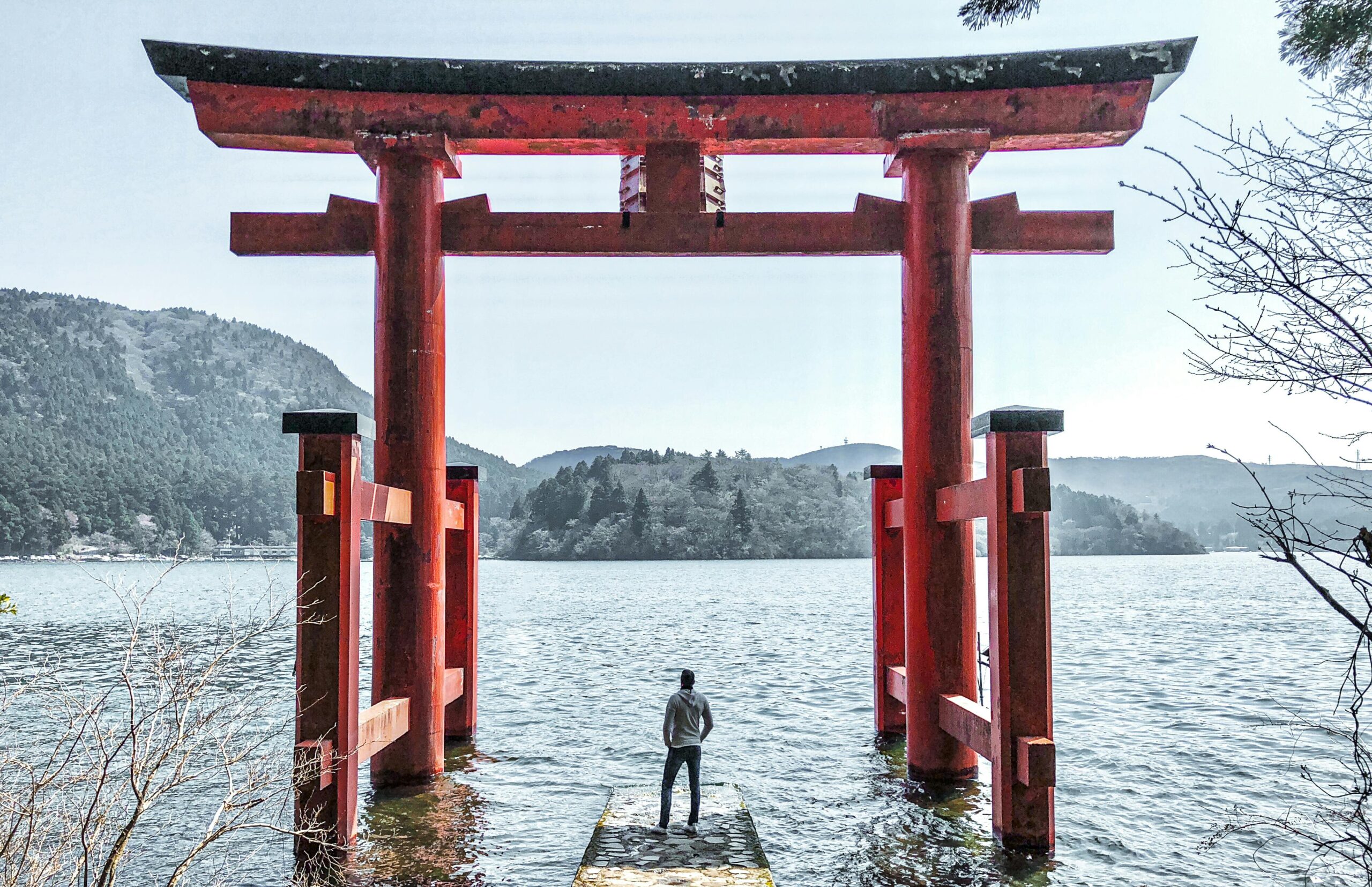
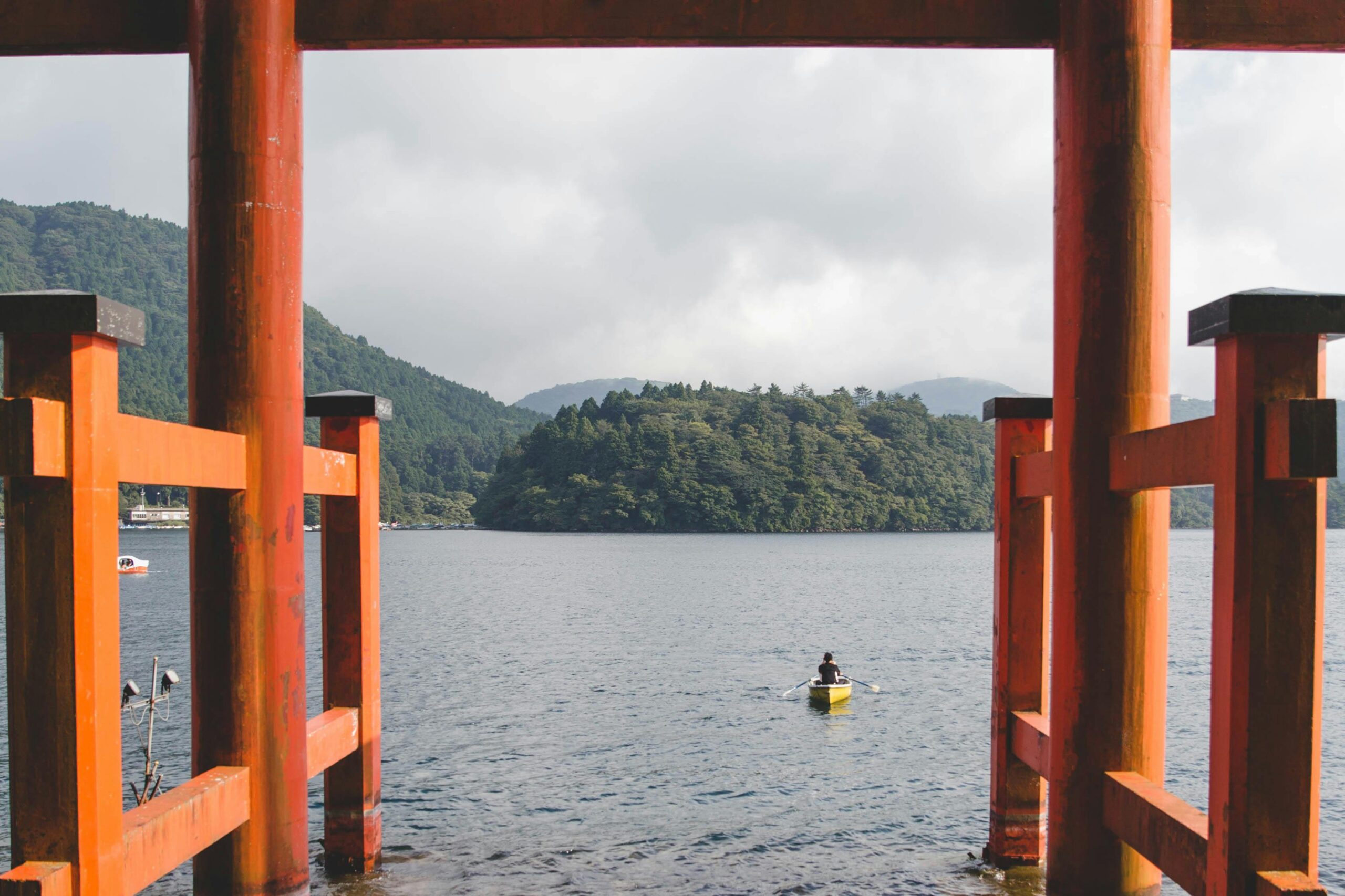
- Location: Hakone is not a single village; check whether your hotel is near Hakone-Yumoto (easier rail access), Gora (mountain access and museums), or Lake Ashi (scenic cruises and torii views).
- Room style: Western-style vs. traditional tatami rooms. Some hotels combine both to suit mixed preferences.
- Dining: Kaiseki meals are common at ryokan and are often included; verify whether breakfast and dinner are part of your rate.
- Accessibility: If you rely on public transport, ensure proximity to Odakyu lines, Hakone Tozan Railway, or bus stops. Many hotels offer shuttle services from key stations.
- Budget and season: Peak seasons (cherry blossom and autumn foliage) can raise prices and require earlier bookings.
For the most current availability across a wide range of properties and price points, check Hakone listings on Booking.com to compare guest reviews, amenities, and rates before you book.
Top recommended hotels in Hakone (selection by style and strength)
The following properties are representative options drawn from accommodation listings, chosen for strong reviews, distinctive features, and a variety of budgets. Descriptions note whether private baths are available and what each hotel does well.
- Luxury ryokan with lake or mountain views — These properties prioritize traditional rooms, multi-course kaiseki, and expansive communal or private onsen. Expect refined service and beautifully presented meals. Many such ryokan offer rooms with private outdoor baths for intimate soaking experiences.
- Modern hotels with private onsen suites — For travelers who want contemporary design plus the convenience of an in-room hot spring, several Hakone hotels provide suites that include private rotenburo or indoor onsen. These are ideal for couples or families seeking privacy.
- Value ryokan and pension-style inns — Budget-friendly inns often feature cozy common baths, warm service, and simpler meals. If your travel style is active — hiking or museum-hopping — these can be comfortable bases.
- Family-friendly hotels — Look for larger hotels with family rooms, western bedding, and child-friendly meal options. Some also offer private bath rental by time slot.
- Accessible properties near Hakone-Yumoto — Perfect if you arrive by train and want minimal transfers. These tend to have more western-style rooms and quick access to the Hakone Tozan Railway.
When searching for specific hotels that match “hakone onsen hotels with private bath” in the room description, filter by room amenities and read the individual room policies carefully to confirm exclusivity and whether bathing water is sourced from an onsen spring or a heated facility.
Best hotels by category: where to book depending on your priorities
To make selection easier, here are category-specific recommendations and what to expect from each type of property:
- Best for a traditional ryokan experience: Choose a small, family-run ryokan that includes kaiseki dinner and has a communal rotenburo. These emphasize the ritual of bathing and seasonal cuisine.
- Best for private onsen: Search for room types advertised as “private bath” or “in-room onsen.” These rooms often carry higher rates but deliver privacy and convenience, especially for couples or travelers who prefer to bathe at any hour.
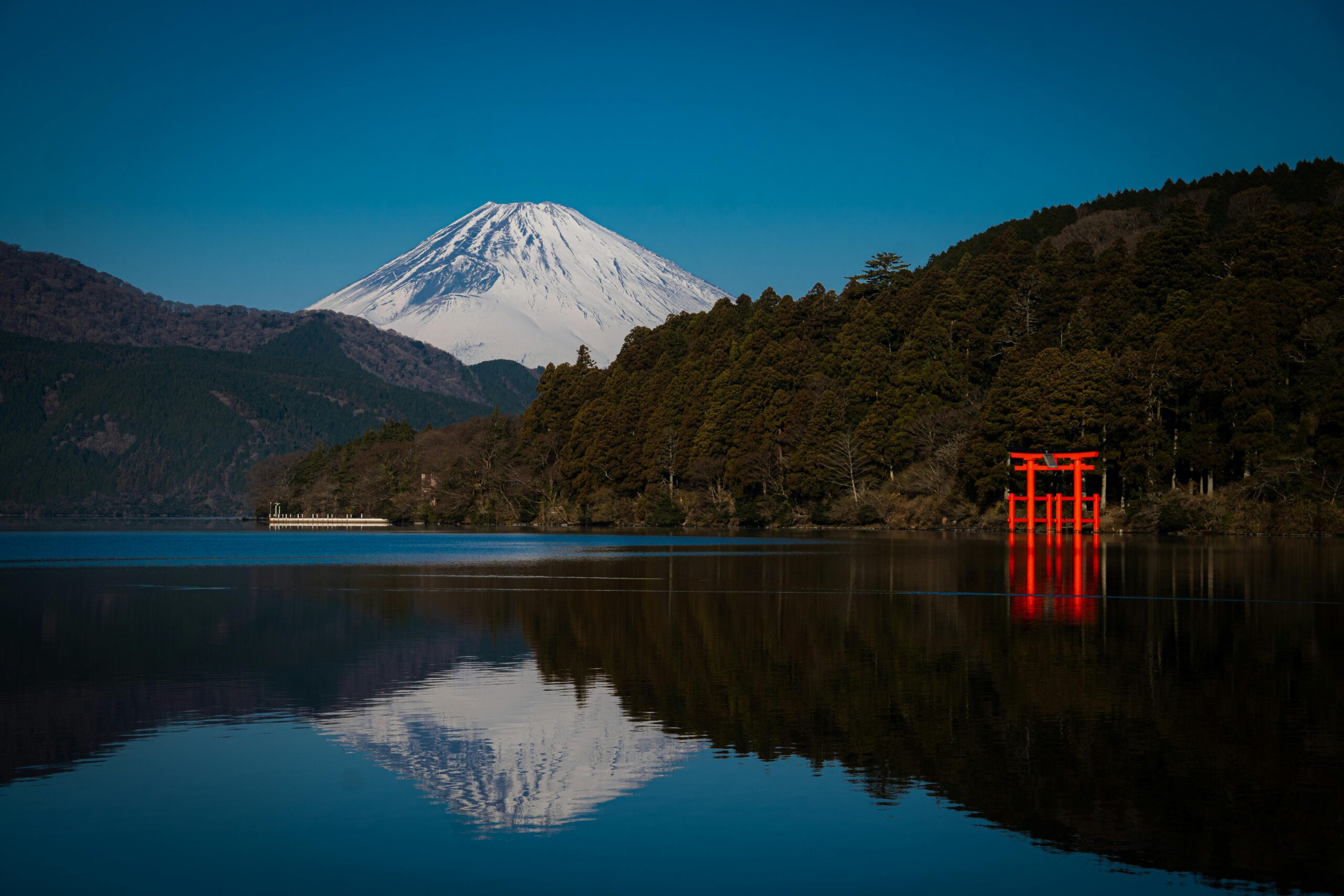
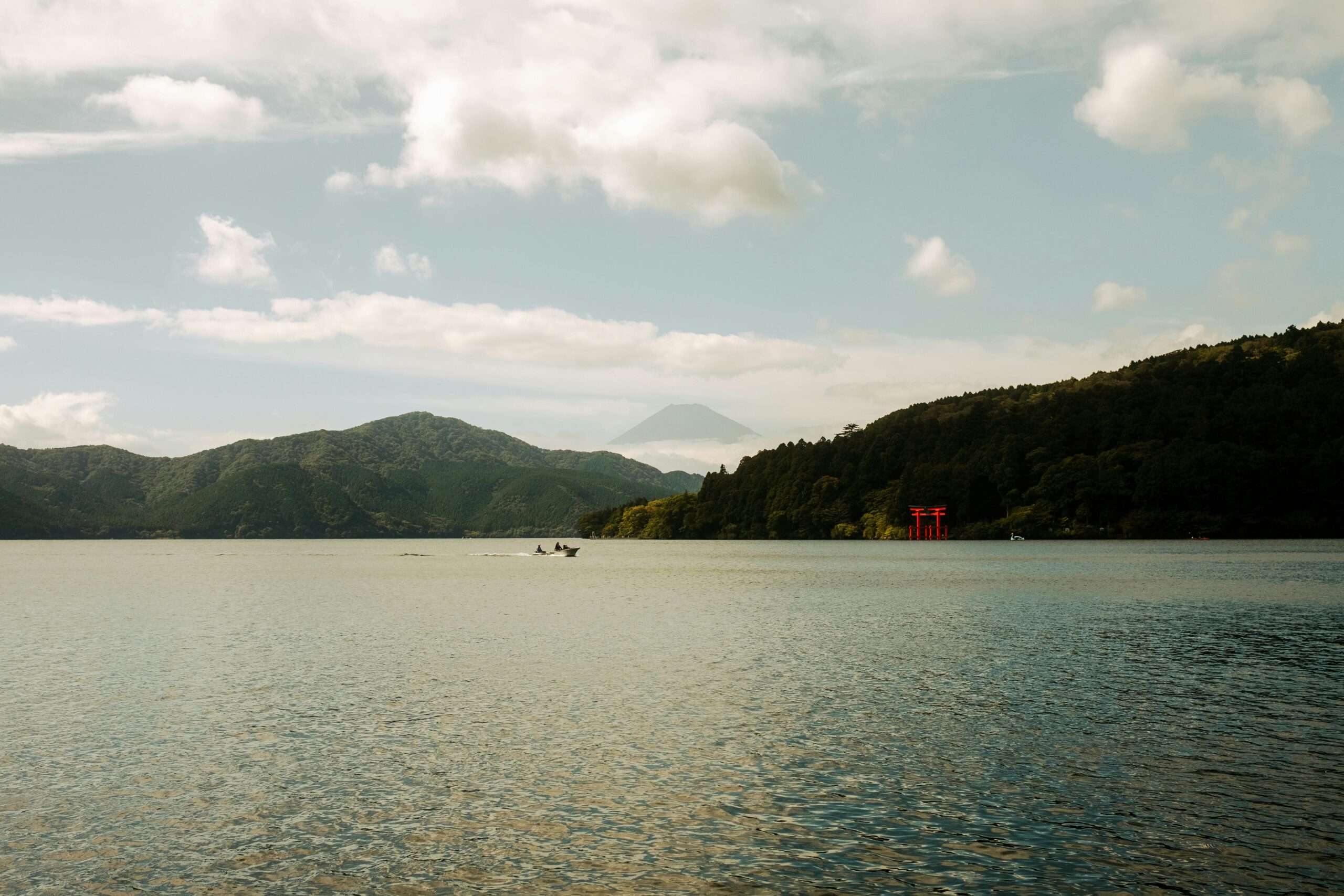
- Best for views of Mount Fuji: Pick properties on higher ground or those facing Lake Ashi on clear mornings. Note that visibility depends on weather; some hotels have observation lounges for peak viewing times.
- Best on a budget: Consider guesthouses near Hakone-Yumoto. They provide quick transport links and simple onsen or nearby sento options.
- Best for families: Larger hotels with multiple room configurations and reservation systems for private bath rentals are practical options.
Before booking a higher-category room, confirm whether dinner is included and whether any communal bathing rules apply (many ryokan expect guests to bathe naked and follow local onsen etiquette). If you have tattoos, check the hotel policy in advance; some places permit entry while others require a private bath reservation.
Booking tips, timing, and transportation
Booking early is important for popular dates such as the cherry blossom season and autumn foliage peak. Many well-regarded properties sell out months in advance for weekend stays. To compare prices, room types, and cancellation policies across many Hakone hotels, it’s efficient to view aggregated listings like those on booking platforms; check Hakone listings on Booking.com for side-by-side options and guest-supplied photos.
How to get to Hakone: the most common routes are by Odakyu Romancecar from Shinjuku (direct to Hakone-Yumoto), or by JR and local transfers. Once in Hakone, the Hakone Tozan Railway, buses, and taxis connect major hotels and attractions. If you prefer minimal transfers, prioritize hotels advertising “station shuttle” or short walking distance to Hakone-Yumoto or Gora stations.
Practical reminders:
- Confirm whether your hotel offers luggage forwarding (takkyubin) — a popular service in Japan that lets you ship bags ahead and travel light.
- Ask about check-in and check-out times; ryokan often have earlier dinner schedules requiring afternoon arrival.
- Look for hotels offering private onsen rental by the hour if in-room private baths are not available but you still want privacy.
Comparison table
| Hotel / Ryokan | Typical price range (per night) | Private bath (in-room) | Nearest landmark or station | Best for |
|---|---|---|---|---|
| Luxury lakeside ryokan | High | Yes (select suites) | Lake Ashi | Romantic stays, views |
| Modern onsen hotel | Mid–High | Yes (private onsen rooms) | Gora | Comfort + private bathing |
| Traditional family-run ryokan | Mid | Occasional | Near Hakone-Yumoto | Authentic cuisine & service |
| Budget guesthouse | Low | No (public baths) | Hakone-Yumoto | Backpackers, short stays |
| Family resort hotel | Mid | Private bath options | Access to ropeway | Families |
Practical onsen etiquette and accessibility considerations
Onsen bathing follows specific etiquette aimed at keeping shared facilities clean and comfortable for everyone:
- Shower and wash thoroughly before entering any communal bath — soap and shampoo are standard in the washing area.
- No swimsuits allowed in traditional onsen — bathing is done naked; many private baths allow reserved time for guests who prefer privacy.
- Keep towels out of the water; small towels are commonly used to cover modestly while walking but should not enter the bath.
- Check tattoo policies before arrival — some facilities restrict entry for visible tattoos but may allow private bath rentals.
Accessibility: not all ryokan are wheelchair-friendly due to historic architecture, tatami floors, and steep layouts. If mobility is a concern, confirm step-free access, elevator availability, and bed type when booking.
FAQs
What are the most reliable areas to stay in Hakone for first-time visitors?
Hakone-Yumoto is the most convenient for transport links and is a good base for first-time visitors. Gora provides access to museums, parks, and the ropeway, while Lake Ashi offers the most scenic waterfront hotels and direct access to sightseeing cruises. Choose a neighborhood based on whether you prioritize ease of arrival, cultural attractions, or scenic views.
Are private onsen rooms common in Hakone hotels?
Private onsen rooms are common at mid- to high-end hotels and select ryokan. They are often listed as specific room types and can be booked in advance. If a private bath is essential, filter room options accordingly and confirm whether the water is natural spring-fed or heated municipal water.
Can guests with tattoos use Hakone onsen facilities?
Policies vary by property. Some traditional ryokan or public onsen restrict guests with visible tattoos, while others allow private bath reservations that offer privacy regardless of tattoos. Contact the hotel directly in advance or look for “tattoo-friendly” mentions in the property description.
How far in advance should I book to secure the best hotels in Hakone?
For peak travel periods (cherry blossom and autumn foliage), book several months ahead. For weekends year-round, booking four to eight weeks in advance is advisable for popular ryokan with limited rooms. Mid-week stays often have better availability and rates.
Is it worth paying more for a room with a private bath?
If privacy, flexibility in bathing times, or bathing with family or small children is important, a private bath offers significant convenience and comfort. For travelers focused on sightseeing and willing to follow onsen etiquette, a high-quality communal rotenburo can be equally satisfying and often more cost-effective.
Conclusion
Selecting the best hotels in Hakone comes down to matching your priorities with the property’s strengths: private onsen for solitude, lakeside settings for views, or traditional ryokan for a full Japanese hospitality experience. Use the comparison factors outlined here — onsen type, location, room style, and dining — to filter listings, and verify room descriptions when hunting for hakone onsen hotels with private bath options.
For up-to-date availability, pricing, and guest reviews across a broad selection of Hakone accommodations, it’s helpful to consult aggregated booking platforms that compile listings and policies; compare options and book early for peak seasons to secure both the hotel and room type that fit your needs. If you need transport suggestions or help narrowing options by exact dates and group size, consult local transport schedules and hotel policies before finalizing your reservation.
Safe travels and enjoy your onsen experience in Hakone.