Deciding on the best time to visit Athens depends on what you want from the trip: warm sunshine for rooftop Acropolis views, quieter streets for museum-hopping, or the lowest travel costs. The best time to visit Athens typically falls in spring (April–June) and early autumn (September–October), when mild Athens weather, manageable crowds, and a full program of cultural events combine to make sightseeing comfortable and rewarding.
This guide synthesizes official tourism data and seasonal weather authority trends to help you choose the month that matches your priorities—culture, budget, beach time, or avoiding crowds. Below you’ll find a season-by-season breakdown, packing and cost guidance, and practical tips for navigating Athens’ tourist season patterns all year round.
Overview: seasons and what to expect
Athens has a Mediterranean climate: hot, dry summers and mild, wetter winters. Tourist patterns follow the weather closely, with peak visitor numbers in July and August and the quietest months in November through March. If you prefer fewer lines at major sites like the Acropolis and the National Archaeological Museum, aim for shoulder seasons; if you want lively outdoor dining and long beach days, summer is the time.
Use these broad markers when planning: shoulder seasons (spring and early autumn) for the best balance of weather and crowd levels; high season (mid-June to August) for guaranteed warm weather and festival energy; low season (late autumn through winter) for lower Athens travel cost and peaceful city exploration.
Spring and early summer (April–June): the most recommended period
Spring is widely considered one of the top windows for visiting Athens. Temperatures usually range from the high teens to mid-20s°C (60s–70s°F), with blooming bougainvillea and comfortable evenings ideal for walking tours and open-air cafés. Early summer continues that trend with longer daylight and increasingly warm but not yet extreme heat.
Advantages of visiting in spring and early summer:
- Moderate Athens weather ideal for walking and archaeological sites.
- Lower risk of strikes or schedule disruptions common in peak tourist months.
- Many cultural events, outdoor concerts and local festivals begin in May and June.
- Shoulder-season hotel and airfare deals compared with mid-summer.
Disadvantages to consider: while arrivals are lower than mid-summer, visitor numbers are rising during late May and June, so plan to book popular attractions and accommodations a few weeks in advance.
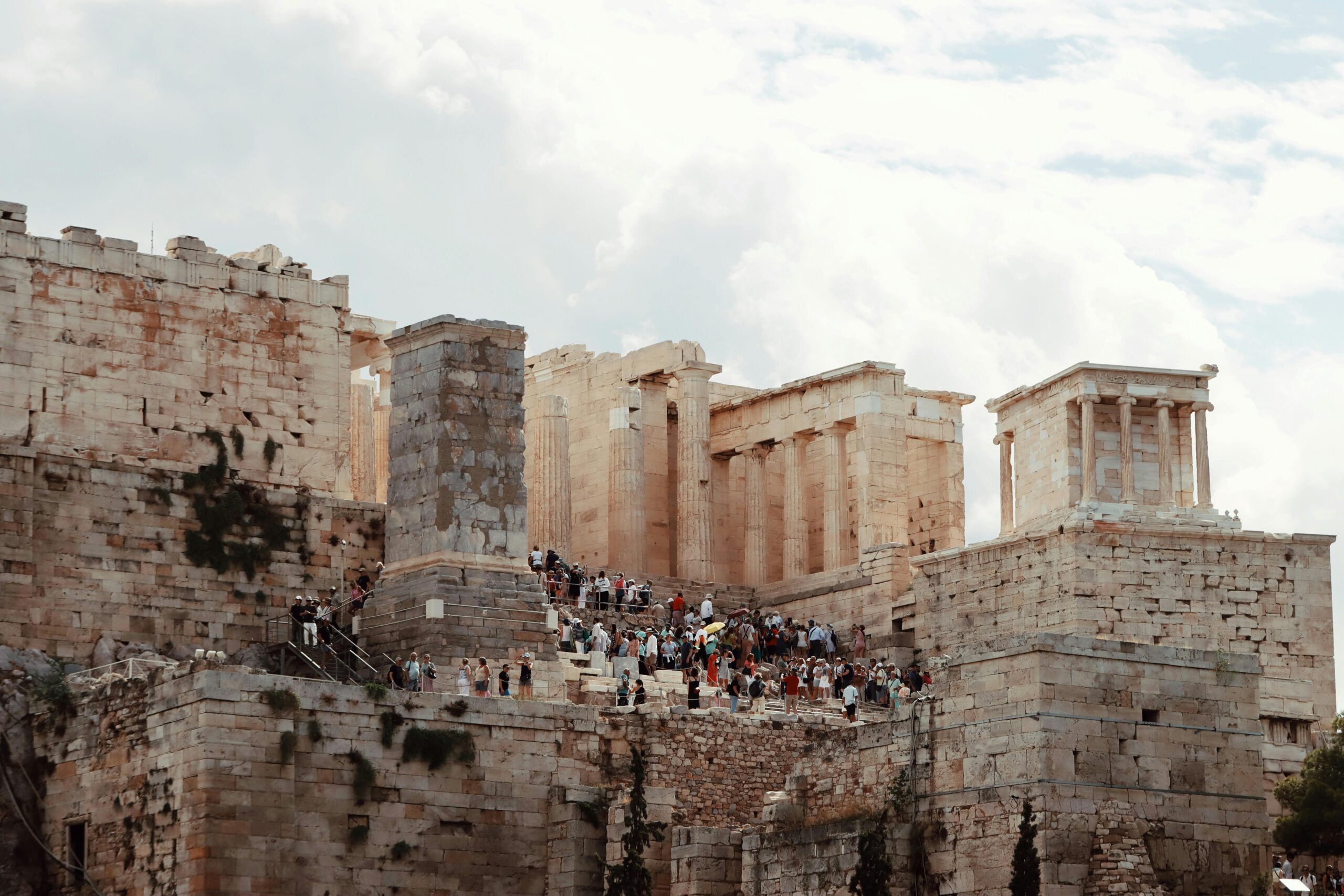
High summer (July–August): hot weather and high tourist season
July and August mark Athens’ high tourist season and the peak of the heat. Daytime temperatures frequently climb above 30°C (86°F), and heatwaves can push them even higher. Locals often flee to nearby islands during August, while the city fills with international visitors taking advantage of school holidays and longer daylight hours.
What to expect during high season:
- Very busy popular sites and longer queues, especially mid-morning to mid-afternoon.
- Peak Athens travel cost for flights and hotels, with limited last-minute availability.
- Early mornings and late evenings are the best times for sightseeing to avoid heat and crowds.
- Many businesses operate with reduced hours mid-afternoon due to heat (siesta-style).
Tips if you must travel in July or August: schedule Acropolis visits at opening time, book guided tours that include skip-the-line access, and prepare a sunscreen-and-water plan for long outdoor days.

Autumn and winter (September–March): quieter streets and lower costs
Autumn starts warm and comfortable in September, with cooling temperatures and fewer tourists by late October. November through March are the low season: rainfall increases, temperatures dip to mild-to-cool levels, and many attractions are significantly less crowded. This period is attractive for travelers focused on museums, neighborhoods, and local culture rather than beach time.
Benefits of visiting in autumn and winter include lower Athens travel cost—off-season fares and hotel discounts—and more relaxed sight-seeing experience. You can take advantage of shorter lines and more space at major ruins, and restaurants tend to be less busy with a greater chance of local table service and seasonal menus.
Athens weather in detail and when to pack what
For reliable, up-to-date forecasts during trip planning, check a recognized weather source before you go. For daily and long-range forecasts it helps to consult a dedicated provider that tracks conditions across the Aegean and the mainland, so you can prepare for sudden wind or rainfall during shoulder seasons. Current forecasts and seasonal outlooks offer useful guidance on expected temperatures and precipitation during your intended travel dates.
Packing by season:
- Spring/early summer: light layers, a light rain jacket for occasional showers, comfortable walking shoes, and a hat for sun protection.
- High summer: breathable clothing, high-SPF sunscreen, refillable water bottle, and evening wear for rooftop restaurants.
- Autumn/winter: a warm layer for evenings, a waterproof jacket for wet days, and closed shoes for museum days and uneven pavements.
Other practical items: a daypack for carrying water and camera gear, a portable charger, and copies of important documents. In winter months, an umbrella and a light insulated jacket will usually suffice; Athens rarely sees freezing temperatures in the city center.
Athens travel cost and tourist season: budgeting guidance
Athens travel cost varies widely by season. High season months bring the highest prices for international flights and hotels, while the low season offers the best opportunities to save. Besides accommodation and airfare, budget for entry fees to major archaeological sites, local transportation, and occasional guided tours if you want expert context at ruins.
For quick background on the city, including administrative areas and major attractions, many travelers consult a general reference like the city’s overview on Wikipedia when making initial plans. You can find broader historical and practical context at Athens on Wikipedia, which is helpful for orientation before booking.
Typical seasonal cost considerations:
- Accommodation: book months in advance for July–August; hunt for discounts in November–March.
- Flights: flexible dates in shoulder months often yield savings; expect peak fares in July/August.
- Day trips and ferries: island day trips are more common in summer and add to the budget.
- Dining and experiences: many small tavernas remain good value year-round; guided archaeological tours vary by provider and season.
Choosing the best time based on your priorities
Use the following quick decision guide to match timing to priorities:
- If you prioritize mild weather and fewer crowds: choose April–June or September–October.
- If you want guaranteed beach weather and festivals: plan for July–August, and prepare for higher costs and crowds.
- If budget and quiet exploration matter most: consider late autumn through early spring (November–March), when you can enjoy city life with lower Athens travel cost.
Special-interest travelers: photographers often prefer spring for soft light and blooms; food-focused travelers may enjoy autumn for harvest ingredients and seasonal menus; history enthusiasts benefit from low-season visits when indoor sites are less crowded and more accessible.
Practical tips for timing your trip
Plan your visit around specific events if relevant: the Athens Epidaurus Festival runs through summer with performances that can enrich a cultural itinerary, while Orthodox Easter is a busy religious and family season with distinctive rituals worth experiencing if you plan ahead.
- Book Acropolis tickets online in advance, especially in high season.
- Reserve popular museums and guided tours for shoulder and peak seasons to secure preferred times.
- Consider morning or late-afternoon sightseeing in summer to avoid the hottest hours.
- Use public transport or a hop-on hop-off service to minimize walking in heat or rain.
FAQs
When is the warmest month in Athens?
July is typically the warmest month, with average daytime temperatures often above 30°C (86°F). Heatwaves are possible in July and August, so plan outdoor activities for early morning or evening and stay hydrated.
Is Athens rainy in winter?
Winter months bring the most rainfall of the year, particularly November and December, but precipitation is usually short-lived and temperatures remain relatively mild compared with northern Europe. Carrying a waterproof jacket is sensible for winter travel.
How can I avoid the largest crowds at the Acropolis?
Visit at opening time, late afternoon before sunset, or during the low season (November–March). Booking skip-the-line tickets or a guided tour with early access can significantly reduce waiting times and improve your overall experience.
Are hotel prices significantly lower in the shoulder seasons?
Yes. April–June and September–October often provide a balance of favorable weather and better prices than peak summer months. Low-season discounts are usually available from November through March, though individual hotels may vary.
Can I combine an Athens city break with island time?
Absolutely. Many travelers combine Athens with short island trips to nearby islands such as Aegina or Hydra for day trips in shoulder and summer months. If you plan to include longer island stays, allow extra travel time and account for ferry schedules when booking.
Conclusion
Choosing the best time to visit Athens comes down to balancing weather, crowds, and cost. For most travelers, April–June and September–October offer the best mix of pleasant Athens weather, manageable Athens tourist season levels, and reasonable travel costs. High summer guarantees beach-friendly conditions and a lively cultural calendar but comes with higher prices and heat; late autumn and winter provide the quietest experience and the greatest savings. Use the seasonal guidance in this guide, consult current forecasts before you travel, and plan bookings a little ahead of time to match your priorities and make the most of your Athens visit.