Deciding the best time to visit Barcelona depends on what you want from the trip: sunshine and beaches, festivals and nightlife, or quieter streets and lower prices. This guide lays out seasonal patterns, typical Barcelona weather, budget considerations, crowd trends and practical tips so you can choose the months that match your priorities.
Barcelona’s mix of Mediterranean climate, year-round cultural events and strong tourist demand means there is no single perfect month for everyone. For a concise city overview and background, see Barcelona on Wikipedia, then read below for practical, evidence-based guidance drawn from official tourism sources and weather authorities.
Quick overview: what “best” means for different travelers
“Best” can mean warm, quiet, cheap, or busy with festivals — and Barcelona can deliver all of those depending on timing. Beach lovers usually aim for late spring to early autumn. Cultural travelers often prefer the shoulder seasons when museums and landmarks are accessible without the peak crowds. Budget-conscious visitors target the low season when accommodation and airfare tend to fall.
Consider the kind of experience you want: long sunny days and a social atmosphere, or cooler temperatures with cheaper rates and more local life. That choice shapes whether you should travel during the busy summer months or the quieter winter and shoulder windows.
When to go by season: strengths and trade-offs
Spring (March–May): Spring is widely regarded as one of the best times to visit Barcelona. Temperatures are pleasant, outdoor terraces reopen in full, and the city begins to host major spring festivals. Crowds are smaller than summer, though Easter and spring break weeks will bring spikes in visitor numbers.
Summer (June–August): Summer offers reliably warm weather and the liveliest beach scene. Expect the highest prices for hotels and restaurants and long lines at major attractions like Sagrada Família and Park Güell. If you plan to travel in July or August, book tickets and accommodation well in advance.
Autumn (September–November): Early autumn mirrors late spring with warm daytime temperatures and thinning crowds after mid-September. October can be wetter but still comfortable, and September hosts some of the year’s best festivals. By November visitor numbers drop and prices become more attractive.
Winter (December–February): Winters are mild compared with northern Europe, with daytime temperatures often in the 10–15°C (50–59°F) range. This is the least crowded time for sightseeing and the most cost-effective for travelers on a budget, though some summer-focused businesses may have limited hours or be closed.
Weather month-by-month: what to expect
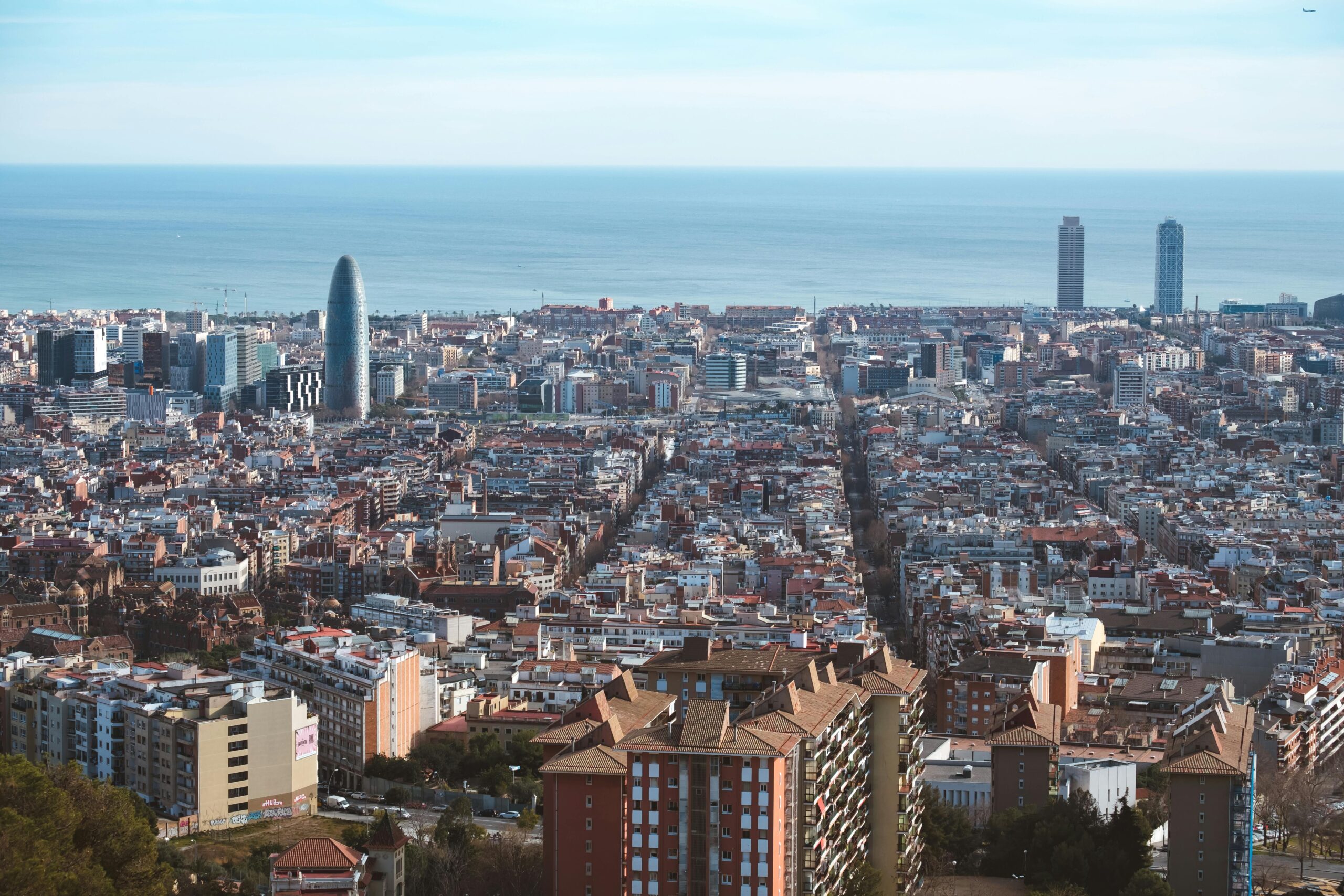
Barcelona’s Mediterranean climate produces warm, dry summers and mild, wetter winters. Monthly averages and day-to-day conditions vary, so use this breakdown to match months to activities.
- March–April: Spring arrives, with daytime highs often between 15–20°C (59–68°F). Occasional rain and cool evenings mean packing layers.
- May–June: Warming days and longer daylight make this excellent for sightseeing and early beach visits. Temperatures typically range from 18–26°C (64–79°F).
- July–August: Warm to hot, 25–30°C (77–86°F) on average, with peak beach season and the highest humidity. Expect crowded public spaces and full terraces.
- September: Often one of the most pleasant months — warm but less crowded, with sea temperatures still comfortable for swimming.
- October–November: Cooler with more rainfall, especially in October. Daytime temperatures fall to the mid-teens Celsius (mid-50s °F).
- December–February: Quietest months for tourism, mild but with possible chilly nights. Rain is more frequent than in summer.
For up-to-date daily and extended forecasts, consult the national forecasts and climate summaries from recognized weather services. One convenient source for current comparative climate data is Weather.com, which provides temperature averages, precipitation charts and short-term forecasts.
Avoiding crowds: understanding Barcelona tourist season
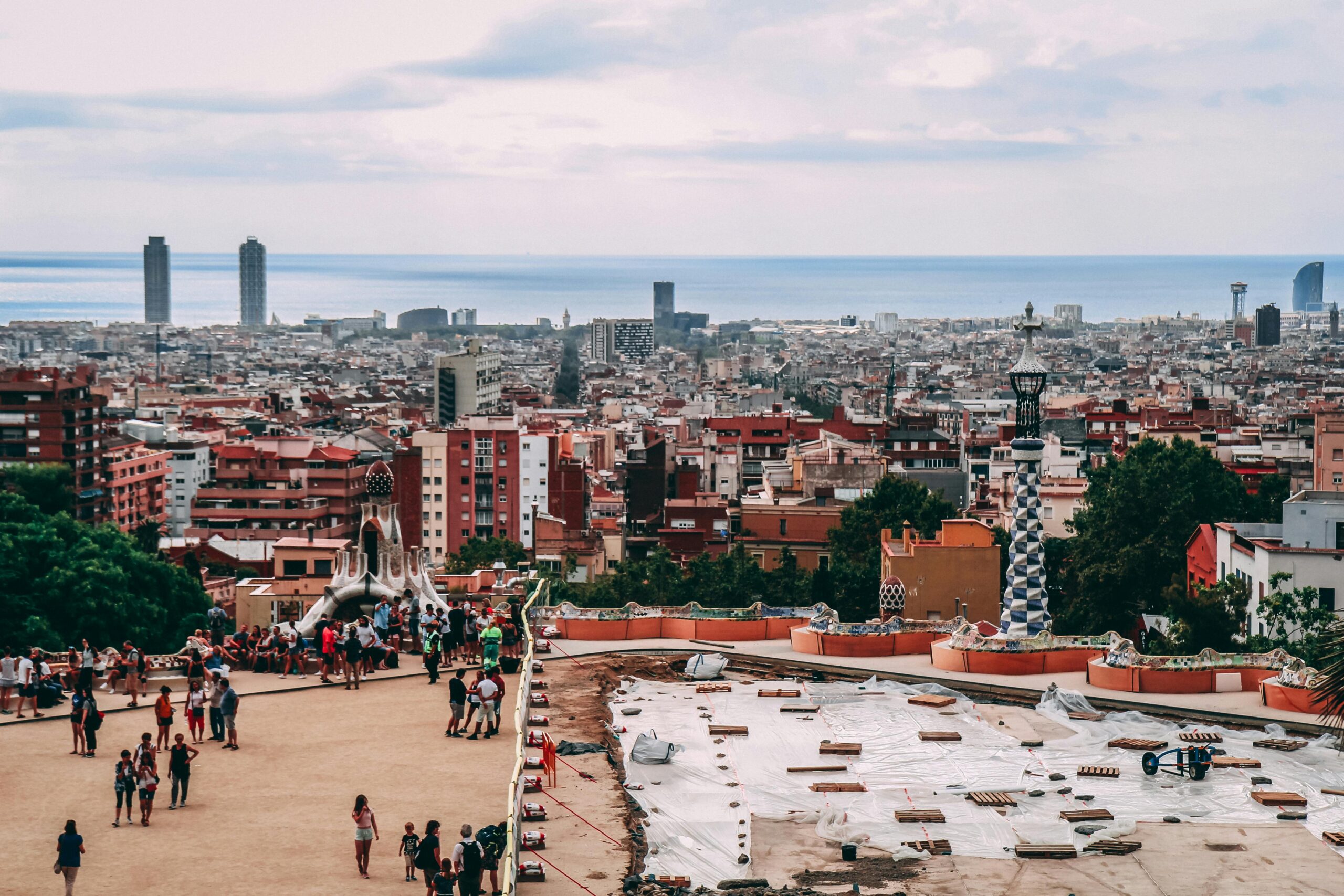
Barcelona’s tourist season peaks in July and August, when European summer holidays align with the city’s warmest weather. Spring and early autumn are shoulder seasons with comfortable conditions and fewer tourists, often providing the best balance between weather and crowd levels.
Major attractions have clear high-season patterns: expect long waits at Sagrada Família and Park Güell during summer afternoons. To avoid peak times, visit these sites early in the morning or later in the afternoon. Weekdays outside holiday weekends are usually quieter than weekends.
Large festivals — for example, local neighborhood fiestas and citywide celebrations in late summer and early autumn — can increase crowds and prices, even outside the principal tourist months. Planning around specific event dates helps reduce surprises.
Budget planning: Barcelona travel cost and saving strategies
Barcelona travel cost varies widely by season. Peak months (June–August) typically mean the highest airfare and hotel rates. Shoulder months (April–June and September–October) often offer lower prices with similar weather. Winter provides the steepest discounts but may come with shorter opening hours for some attractions.
- Accommodation: Book early for summer and festival periods. Consider neighborhoods outside the historic center, such as Poble-sec or Poblenou, for lower rates and local atmosphere.
- Flights: Watch for weekday departures and mid-season travel windows to reduce airfare. Low-cost carriers often offer routes to Barcelona but compare total costs including baggage and transfers.
- Transport: Public transit is efficient and affordable; single tickets, multiple-ride cards and day passes can reduce per-trip costs. Walking is often the fastest way to explore central neighborhoods.
- Dining: Tapas bars and neighborhood markets offer good-value meals. Tourist-heavy streets have a wider range of prices — follow local recommendations or try neighborhood plazas for better value.
Budget travelers should favor November–March for the lowest overall costs, while those prioritizing improved weather and moderate crowds should target April–June and September.
Events, festivals and local experiences by month
Timing a trip to coincide with particular events can transform a visit. Spring brings Sant Jordi (April) — a citywide celebration of books and roses — and various music events. Summer hosts open-air concerts, beach parties and neighborhood street festivals. September’s La Mercè is Barcelona’s largest civic festival, with parades, concerts and traditional Catalan performances. Winter holiday markets and Christmas lights offer a festive atmosphere in December.
If you want to experience local traditions, review official tourism calendars before booking to align with or avoid crowded festival dates. Many cultural events are free, but popular concerts and performances may require advance tickets.
Practical tips for booking and packing
Book major museum and attraction tickets in advance for summer and any dates coinciding with festivals. Allow buffer time between scheduled activities — streets and transit can be busier than expected during high season. For beaches, plan early mornings to secure space on popular stretches like Barceloneta.
- Packing: Layering is essential in spring and autumn. Summer calls for sun protection, a reusable water bottle and lightweight clothing. Winters require a warm jacket for evenings and occasional rainy days.
- Transport passes: Familiarize yourself with Barcelona’s T-casual or Hola BCN cards if you plan frequent metro and bus travel; these often save money over single tickets.
- Safety and etiquette: Pickpocketing is a well-documented risk in tourist areas; keep valuables secure and be vigilant on crowded transport and at major sites.
FAQs
What is the single best month to visit Barcelona for pleasant weather and fewer crowds?
May and September are often recommended as the single best months because they combine warm, comfortable weather with fewer visitors than July and August. Sea temperatures are usually warm enough for swimming in September, and outdoor terraces are lively without peak-season crowds.
Is Barcelona open year-round, or do attractions close in winter?
Most major attractions, museums and restaurants remain open year-round, though some beach-side vendors and seasonal services reduce hours in winter. Museums may have shorter opening hours on certain holidays, so check hours in advance when planning a winter visit.
How does Barcelona travel cost change by season?
Barcelona travel cost is highest in the summer and around major festivals. Shoulder seasons see moderate prices with better availability, while late autumn and winter offer the lowest accommodation and often cheaper flights. Planning and booking early reduces price shocks during peak months.
When is the rainiest time of year in Barcelona?
Autumn — particularly October and November — tends to be the wettest period. Showers are typically short-lived but can be heavier than in summer. Pack a light rain jacket if you travel in these months.
Can I combine beach time with sightseeing, and when is that most feasible?
Yes: late May through September is ideal for combining beaches with sightseeing. Early and late in the day are best for visiting outdoor landmarks to avoid midday heat and crowds. If you prefer cooler temperatures, plan sightseeing in the morning and evening and choose quieter city beaches outside the peak weeks.
Conclusion
Choosing the best time to visit Barcelona depends on whether you prioritize weather, crowds, cost or local events. For most travelers, the shoulder months of late spring (May–June) and early autumn (September–October) strike the best balance: pleasant Barcelona weather, manageable crowds and reasonable prices. Summer guarantees warmth and festival energy but brings the highest costs and congestion, while winter delivers the greatest savings and quieter streets for cultural exploration. Use event calendars and weather forecasts to fine-tune travel dates, book key tickets in advance when traveling in busy months, and pack for layered conditions when visiting in spring or autumn.